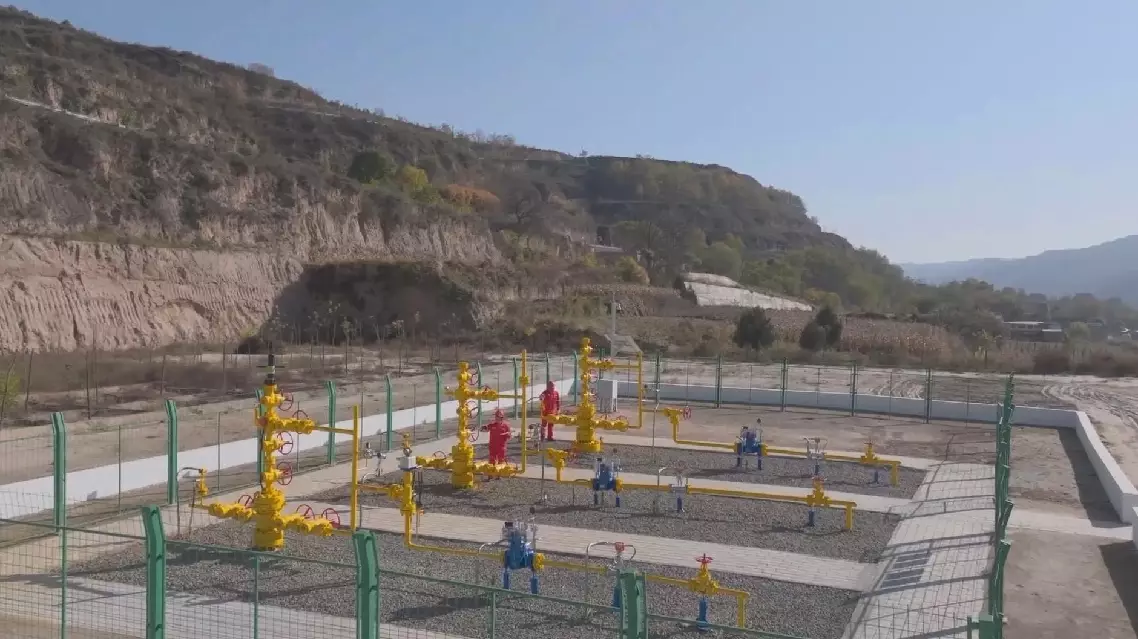
China will ramp up domestic oil and gas supply capacity while expanding its global energy cooperation network during the 15th Five-Year Plan period (2026-2030) to consolidate its energy security, an official with the National Energy Administration (NEA) said Friday.
China will also thoroughly implement its 10-year action plan for oil and gas exploration and development, increasing investment and operational efforts to consolidate its resource foundation, said Ge Ju, deputy director of the NEA's Department of Development Planning, at a press conference in Beijing.
The country will focus on key sedimentary basins, including the Ordos, Bohai Bay, Sichuan-Chongqing region, Tarim, and Songliao basins, and accelerate the construction of a batch of national strategic oil and gas production bases. It will also seek to boost output from deep-sea and deep-earth resources, unconventional reserves and mature oilfields.
China will also develop a number of major natural gas storage projects to strengthen its capacity to meet peak demand and ensure stable supplies during periods of high consumption.
China currently engages in oil and gas trade with nearly 50 countries, with imports sourced from all major global oil and gas exporters, helping ensure stable and reliable international energy cooperation.
"During the 15th Five-Year Plan period, China will further expand its circle of friends in oil and gas cooperation. Meanwhile, we will consolidate and expand overland strategic import corridors, safeguard maritime shipping lanes, and ensure that oil and gas can be procured and transported back safely," said Ge.
China to boost energy security via domestic, import diversification: NEA
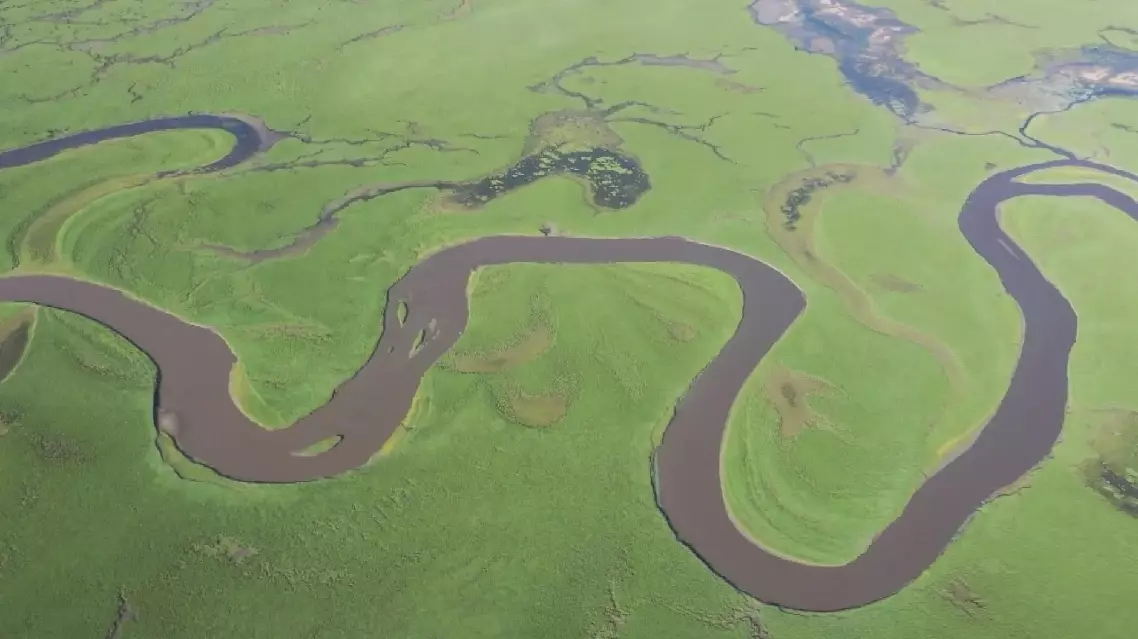
China has built 54,000 water conservancy projects in the Yellow River Basin over the past 80 years, while advancing water conservancy infrastructure and the scientific development and utilization of water and hydropower resources, it was revealed at a press conference held on Friday. Speaking at the press conference, Wang Bao'en, vice minister of the water resources, said the Yellow River, which accounts for 2 percent of the country's river runoff, feeds about 12 percent of China's population, irrigates about 17 percent of arable land, and supports 14 percent of national GDP. A series of inter-basin water diversion projects have been implemented, effectively alleviating the regional water supply tension and improving the environment in ecologically fragile areas, he said.
"We have been carrying out large-scale, comprehensive soil erosion control across the Loess Plateau, and the plateau's overall landscape has gradually turned from yellow to green. Controlling soil erosion has not only significantly reduced the sediment entering the Yellow River, but also effectively improved local living and production conditions. It has generated cumulative economic benefits of 2.43 trillion yuan and helped lift more than 2.5 million people in the region out of poverty," said Wang.
"Meanwhile, we have continued to strengthen water ecological and environmental governance. Water quality in the main stream has remained stable at Grade II [under China's five-tier water quality system] for nearly four years, and ecological flow compliance rates in key rivers and lakes have exceeded 90 percent, helping build a solid national ecological security barrier," he added.
China builds 54,000 water conservancy projects in Yellow River basin over 80 years