TOKYO--(BUSINESS WIRE)--Nov 6, 2026--
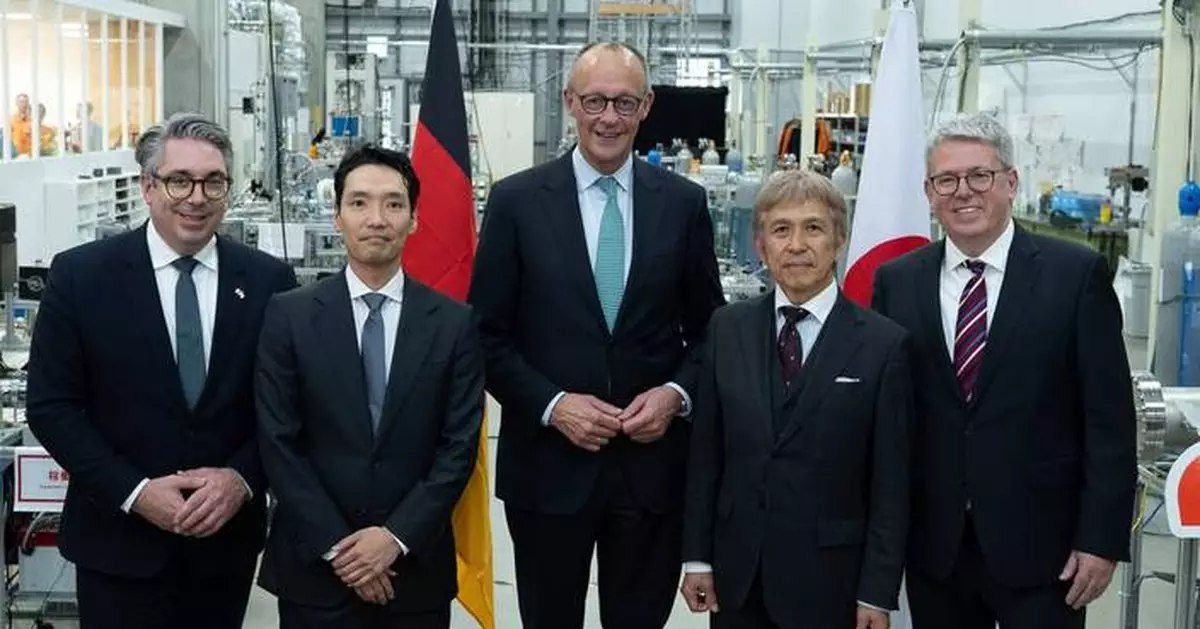
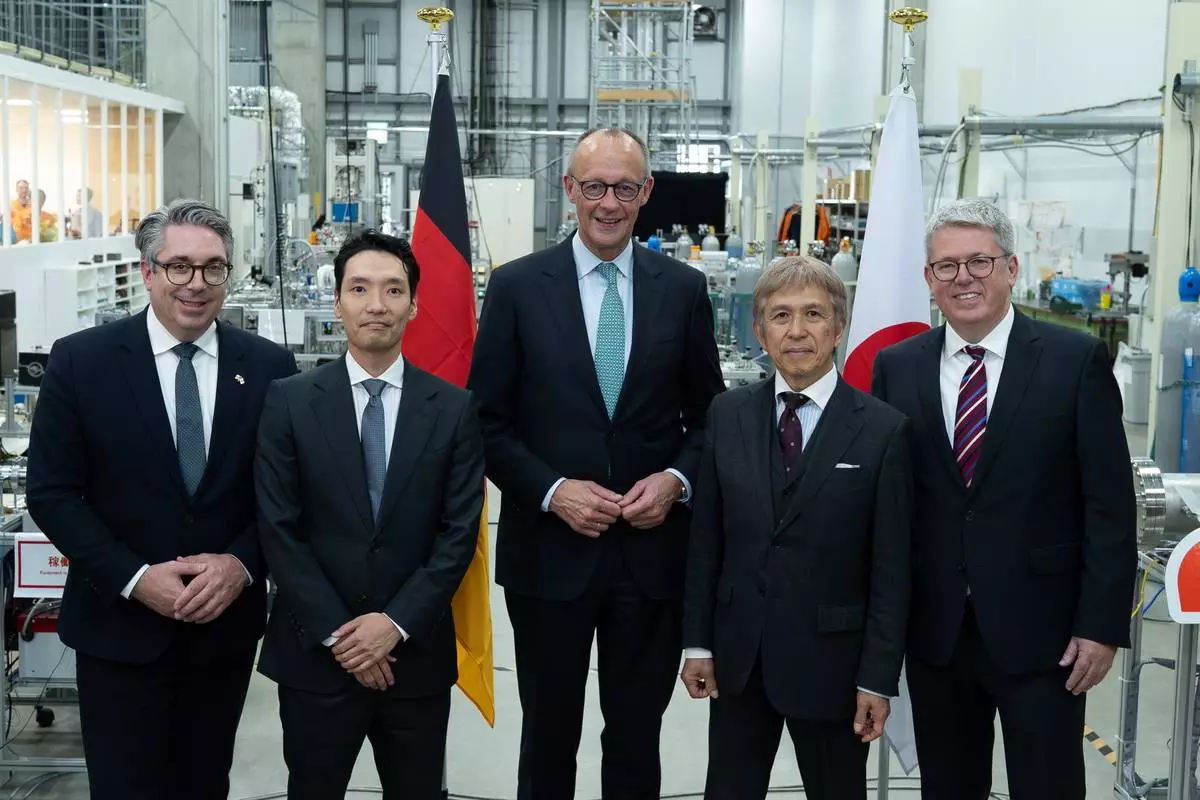
Kyoto Fusioneering (“KF”; headquarters: Ota-ku, Tokyo; Representative Director and President: Kiyoshi Seko) welcomed Federal Chancellor Friedrich Merz of the Federal Republic of Germany to its Tokyo headquarters and R&D center on October 29, 2026. KF presented its work on the technical challenges that are common to all approaches to fusion energy, regardless of reactor type. As part of this, the Chancellor toured a gyrotron used for plasma heating and components of a fuel cycle system. Following the tour, the two sides exchanged views on the potential for Japan–Germany cooperation toward bringing fusion energy into society.
This press release features multimedia. View the full release here: https://www.businesswire.com/news/home/20261105132349/en/
Overview of the Visit
KF’s Work on the Common Challenges of Fusion, and Its Ties with Germany
Around the world, research is advancing on a variety of fusion reactor concepts, including tokamaks, helical (stellarator) devices and laser-driven systems. At the same time, technologies such as plasma heating, circulation of tritium fuel and heat extraction are common challenges that must be solved for any approach to reach practical use. KF develops the infrastructure essential to realizing fusion energy—including plasma heating, the tritium fuel cycle, and tritium breeding blankets and thermal cycle systems—and takes an integrated approach to the engineering and commercialization of fusion energy.
KF has a European base in Karlsruhe, Germany: Kyoto Fusioneering Europe GmbH (“KFEU”). In January 2024, KF signed a cooperation agreement with the Karlsruhe Institute of Technology (KIT), and the two work together with a focus on fuel cycle technologies, starting with tritium handling. Under the German federal research funding program “Fusion 2040,” KFEU participates in projects including SyrVBreTT, a consortium developing tritium technologies for the fuel cycle, and KaLiAS, which develops the lithium enrichment technology needed for breeding blankets, steadily broadening its role in Germany’s fusion ecosystem.
Coinciding with Chancellor Merz’s visit to Japan, KF signed memoranda of understanding (MoUs) on cooperation with German companies:
Two German companies pursuing fusion energy through different approaches, stellarators and lasers, have both chosen KF as a partner. We believe this reflects a growing recognition among the German government and industry of the importance of the common challenges KF is addressing.
The Chancellor’s visit offered an opportunity to see firsthand where KF develops its technologies as part of these efforts.
Equipment Viewed During the Visit
Gyrotron
A device that generates high-power microwaves to heat plasma to the high temperatures required for fusion reactions. KF develops plasma heating systems, including gyrotrons, and supplies them to fusion development projects in Japan and abroad, as well as for applications beyond fusion.
Fuel cycle system components
The fuel cycle system, which recovers and purifies tritium—the fuel for fusion reactions—and resupplies it to the reactor, is indispensable for continuous power generation. During the visit, the Chancellor viewed components of this system.
Comments
Satoshi Konishi, Co-founder and Chairman, Kyoto Fusioneering
“Fusion energy cannot be realized simply by burning plasma inside a reactor. Heating the plasma, recovering the tritium fuel and returning it to the reactor, and extracting the heat produced to convert it into electricity—only when these systems work reliably can a fusion facility function as a power plant. These are common challenges that no reactor approach can avoid, and KF has worked on technology development in these areas since its founding. The gyrotron and fuel cycle equipment the Chancellor saw today are at the core of that work. Germany has a long track record in diverse fusion research, including stellarator and laser-driven approaches, as well as in fuel cycle research. By having Japanese and German engineers tackle these common challenges together, I believe we can make significant progress toward realizing fusion energy.”
Kiyoshi Seko, Representative Director and President, Kyoto Fusioneering
“It is a great honor to have welcomed Chancellor Merz and to have exchanged views on industrial cooperation between Japan and Germany. Germany positions fusion energy not only as a future energy source, but as one of the pillars of its High-Tech Agenda to build national prosperity through advanced technology. Manufacturing and engineering, which lie at the heart of that agenda, are also at the heart of KF’s business. The two MoUs we have announced, with Proxima Fusion and Focused Energy, are initiatives to build, across Japan and Germany, the supply chain needed to industrialize fusion, including plasma heating and the fuel cycle. Through KFEU, our European base in Karlsruhe, we will continue to deepen our collaboration with partners in Germany and accelerate the industrialization of fusion energy through Japan–Germany cooperation.”
German Chancellor Merz Visits Kyoto Fusioneering, Exchanges Views on Japan–Germany Cooperation to Address Common Challenges in Fusion Energy