Skip to Content Facebook Feature Image

Vance leads push for new US-Iran deal behind scenes

China

China

China

Vance leads push for new US-Iran deal behind scenes

2026-11-07 17:41 Last Updated At:18:17

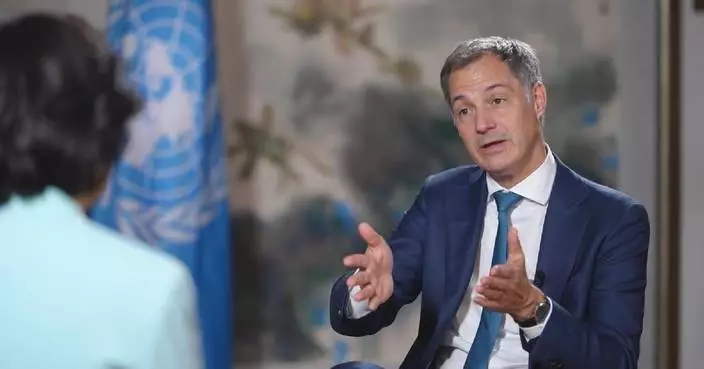
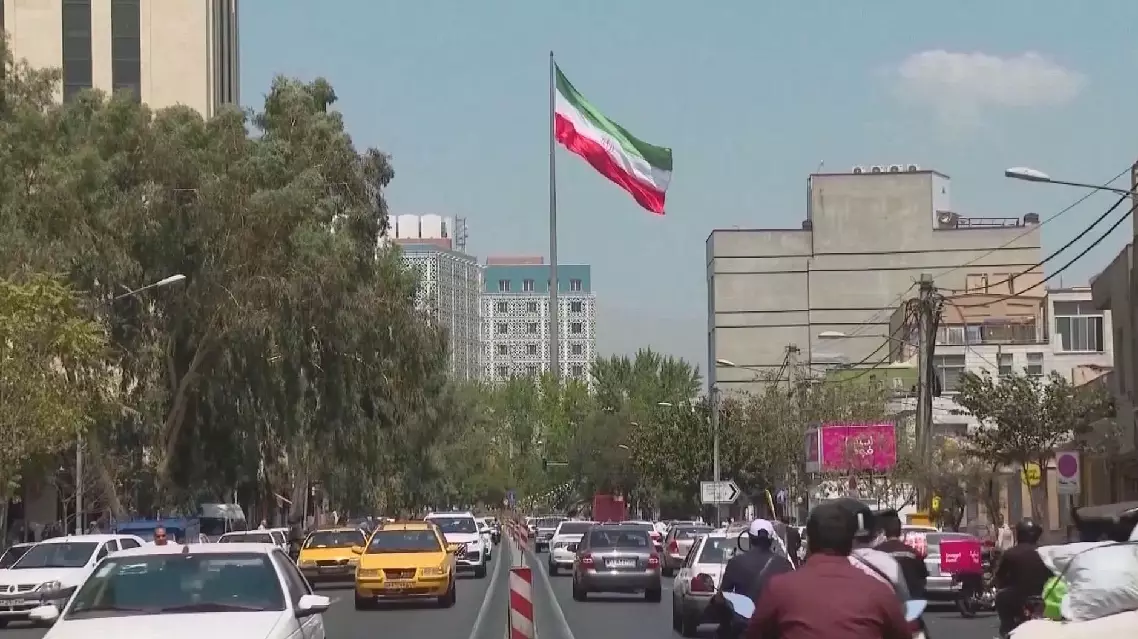
Vice President J.D. Vance of the United States has spent the past two weeks personally involved in indirect talks with Iran aimed at reaching a new ceasefire and resuming nuclear negotiations, Axios reported on Friday.      Citing sources familiar with the discussions, the report revealed that Vance has been speaking almost daily to Qatari Prime Minister and Foreign Minister Sheikh Mohammed bin Abdulrahman bin Jassim Al Thani, Pakistani Chief of Army Staff Field Marshal Asim Munir, and other mediators. White House envoy Steve Witkoff and U.S. President Donald Trump's adviser and son-in-law Jared Kushner were also involved.

Vance and the mediators have been discussing the possibility of a working-level technical meeting between the U.S. and Iran in the coming days, though sources said that the meeting has not yet materialized.

The report highlighted Vance's longstanding engagement in these diplomatic channels. He previously led the U.S. negotiating team to an April summit on Iran in Islamabad, Pakistan. Following the U.S.-Iran memorandum of understanding (MOU) reached in June, Vance also led the U.S. delegation to a round of direct talks with Iranian officials in Switzerland.

This renewed push for diplomacy aligns with Vance's broader political stance on the conflict. On Nov. 4, in a detailed social media post, Vance pointed to the Iran war as the root cause of the Republicans' staggering losses in the midterm elections, underscoring his personal drive to extract the U.S. from the conflict through a diplomatic solution.
Vance leads push for new US-Iran deal behind scenes

Vance leads push for new US-Iran deal behind scenes

China's newly established legal framework for tackling cross-border corruption offers a unique global governance model and a strong response to external skepticism by aligning domestic practices with international rules, said a legal expert.

Passed by China's top legislature on Friday, the anti-cross-border corruption law follows a key Communist Party of China (CPC) document released on November 1 that calls for strengthening anti-corruption regulations, fugitive repatriation, asset recovery, and cross-border case investigations.

While the legislation provides vital tools for foreign-related corruption cases, Li Li, vice dean of the School of Discipline Inspection and Supervision at the China University of Political Science and Law, emphasized its innovative institutional significance.

"This kind of institutional development is, I believe, a truly unique governance experience worldwide. China's legislation does not simply copy the common international anti-corruption rules. It distills what China has practiced since the 18th Party Congress -- such as pursuing fugitives and recovering assets -- how extradition rules and asset-recovery laws differ from country to country, and how to adapt," she said.

"Through it, China's own practices can better connect and engage with common international rules and approaches. It is a real progress and our most powerful answer to the demonization and belittling of China's anti-corruption efforts," she said.

China's new anti-corruption law offers global governance experience: expert

China's new anti-corruption law offers global governance experience: expert

Recommended Articles