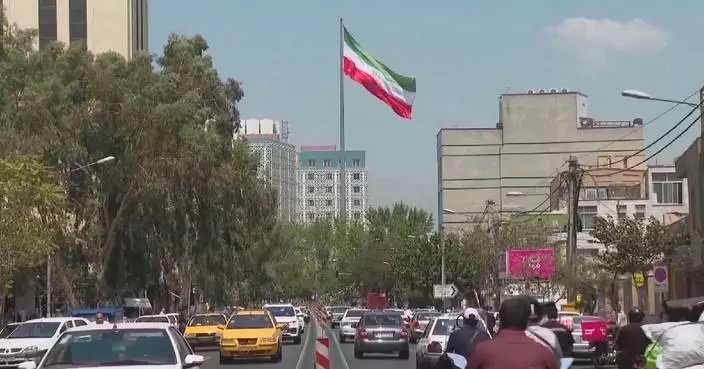
Ukraine will continue its strikes on Russian oil refining sector in response to its attacks on Ukraine's energy infrastructure, President Volodymyr Zelensky said on Friday.
In a social media post, Zelensky noted that Ukraine's power plants, energy grids, heating infrastructure, water supply facilities and civilian logistics are all under constant attacks by Russian drones and missiles.
As Russia has refused to take de-escalatory steps and is planning further strikes, Ukraine has determined its next responses, Zelensky said.
Ukraine's long-range sanctions, mid-range strikes, as well as all the pressure Ukraine's partners are putting on Russia over the conflict will create "an incentive for real negotiations", the Ukrainian president added.
Russia, the United States and Ukraine are to hold trilateral talks on the Ukraine issue in Abu Dhabi, capital of the United Arab Emirates, on Nov. 10-11, Kremlin Spokesman Dmitry Peskov said on Tuesday.

Ukraine to continue striking Russian oil refining sector for retaliation: Zelensky
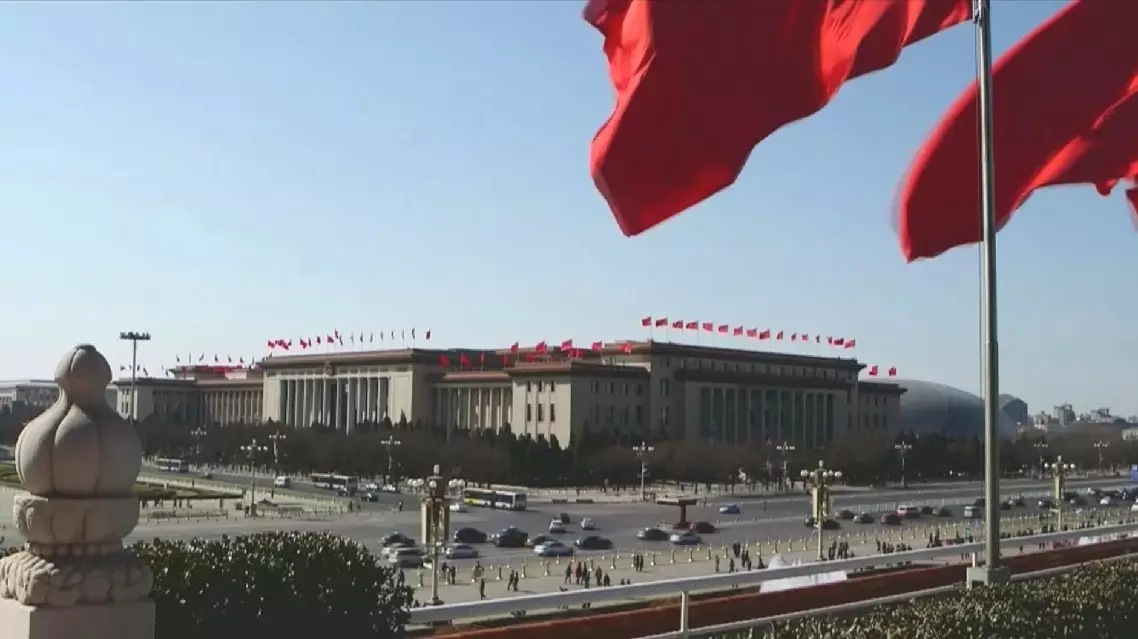
China's newly established legal framework for tackling cross-border corruption offers a unique global governance model and a strong response to external skepticism by aligning domestic practices with international rules, said a legal expert.
Passed by China's top legislature on Friday, the anti-cross-border corruption law follows a key Communist Party of China (CPC) document released on November 1 that calls for strengthening anti-corruption regulations, fugitive repatriation, asset recovery, and cross-border case investigations.
While the legislation provides vital tools for foreign-related corruption cases, Li Li, vice dean of the School of Discipline Inspection and Supervision at the China University of Political Science and Law, emphasized its innovative institutional significance.
"This kind of institutional development is, I believe, a truly unique governance experience worldwide. China's legislation does not simply copy the common international anti-corruption rules. It distills what China has practiced since the 18th Party Congress -- such as pursuing fugitives and recovering assets -- how extradition rules and asset-recovery laws differ from country to country, and how to adapt," she said.
"Through it, China's own practices can better connect and engage with common international rules and approaches. It is a real progress and our most powerful answer to the demonization and belittling of China's anti-corruption efforts," she said.
China's new anti-corruption law offers global governance experience: expert