The Palestinian presidency on Saturday held Israel and the U.S.-led "Board of Peace" responsible for the worsening humanitarian crisis in the Gaza Strip, where heavy rain has flooded thousands of tents sheltering displaced Palestinians.
In a statement released by Palestine's official news agency WAFA, the presidency said the crisis was a result of Israel's continued attacks, restrictions on humanitarian aid and failure to comply with the UN Security Council resolution.
It also accused the so-called "Board of Peace" of failing to stop Israeli violations and ensure that Israel meets its commitments.
The presidency called on the international community and the UN Security Council to take immediate action, open all border crossings to aid deliveries and protect Gaza residents.
In a separate statement on Saturday, Hamas's government media office said that heavy rainfall over the past 12 hours had flooded about 70,000 tents in Gaza.
It said the severe weather also caused walls of some buildings to collapse and injured civilians, with cracked buildings at risk of further collapse.
The office stressed that Israel's continued closure of crossings and blocking of aid and reconstruction materials mean it bears full responsibility for the catastrophic consequences facing displaced civilians. It also urged the UN and international community to intervene urgently and provide humanitarian protection.
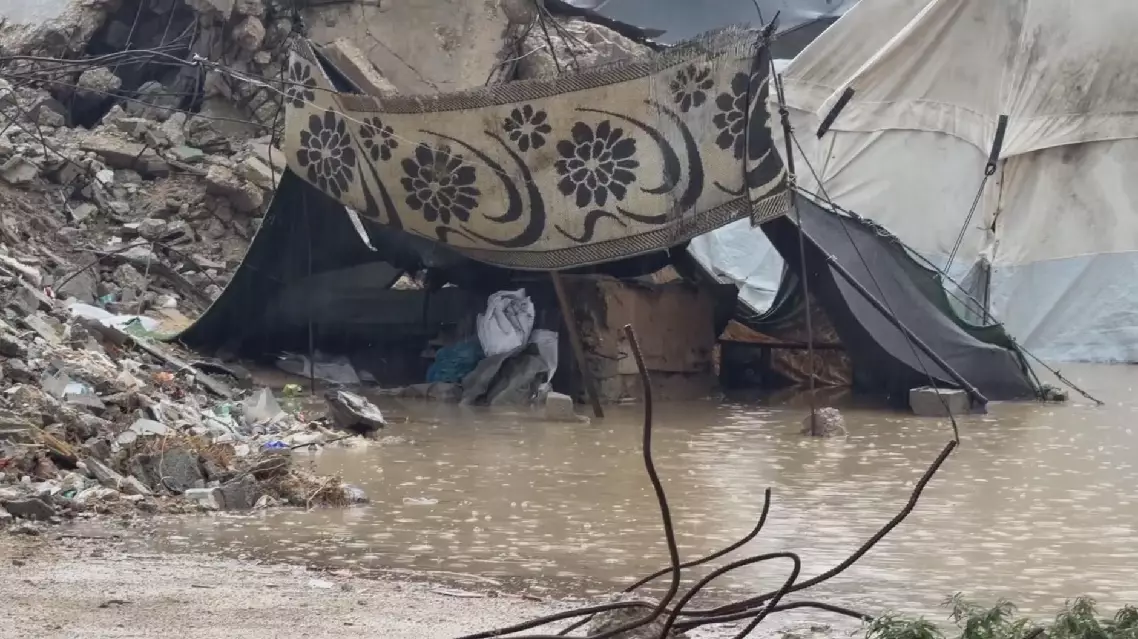
Palestinian presidency blames Israel, US-led Board of Peace as rain floods Gaza tents
Israeli President Isaac Herzog announced Saturday evening that he would task Yashar party leader Gadi Eisenkot with forming the next government, following consultations with political parties.
Herzog has invited Eisenkot to the president's residence on Sunday at 5 p.m. local time (1500 GMT) to formally receive the mandate, according to a statement from the Office of the President.
"This is the time to establish a national emergency government. I will do anything possible to prove us worthy," Eisenkot said on the social media platform X following the announcement.
Under Israeli law, the former military chief has 28 days to assemble a governing coalition and can request a 14-day extension from the president.
If he fails, Herzog may assign the task to another candidate, or at least 61 members of the 120-seat parliament can ask the president to entrust the mandate to a candidate of their choice.
If these efforts also fail, the parliament will be dissolved, and the country will hold new elections.
In the parliamentary recommendations submitted to Herzog, Eisenkot received backing from 48 lawmakers from four opposition-bloc parties, in addition to 19 representatives of Arab-led parties.
Prime Minister Benjamin Netanyahu was recommended by 46 lawmakers, while the seven members of the ultra-Orthodox United Torah Judaism party declined to endorse either candidate.
Despite securing the most recommendations, analysts say Eisenkot faces a challenging path to a 61-seat majority government, with divisions within the opposition over cooperation with Arab parties and disagreements with the two ultra-Orthodox parties, which together hold 13 seats.
Earlier Saturday, Netanyahu called for a national unity government, warning against a government relying on Arab parties' support and accusing them of seeking Israel's destruction.
Netanyahu added that a national unity government should include all parties in the current governing coalition, alongside "all the Zionist parties that want to protect our country."
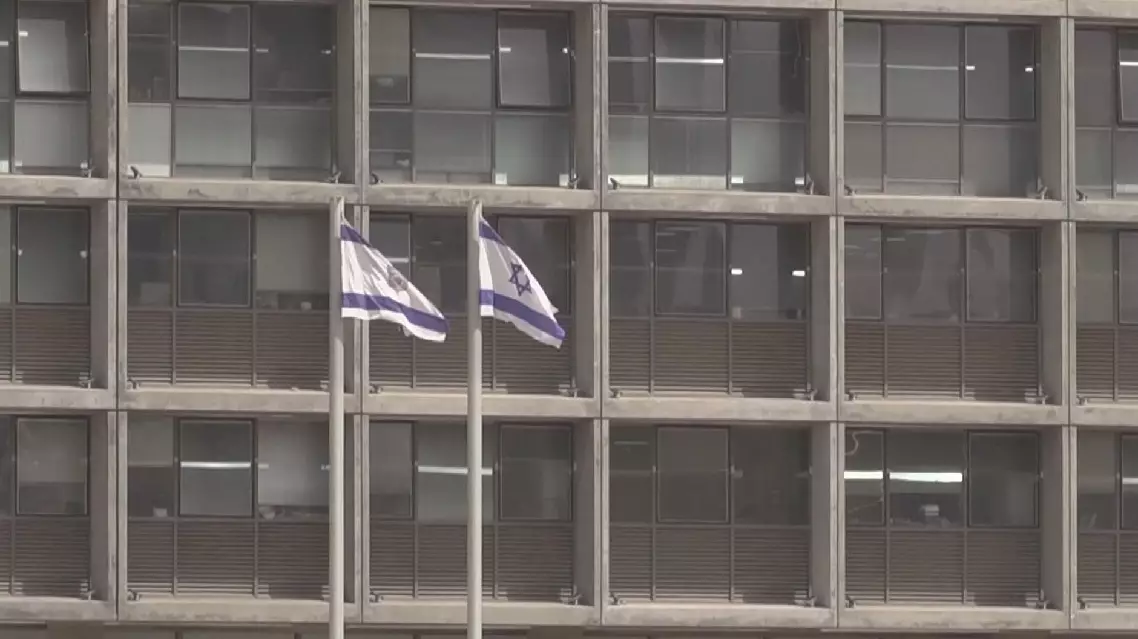
Israeli president to task Eisenkot with forming new government
Israeli president to task Eisenkot with forming new government