PARAMUS, N.J.--(BUSINESS WIRE)--Nov 9, 2026--
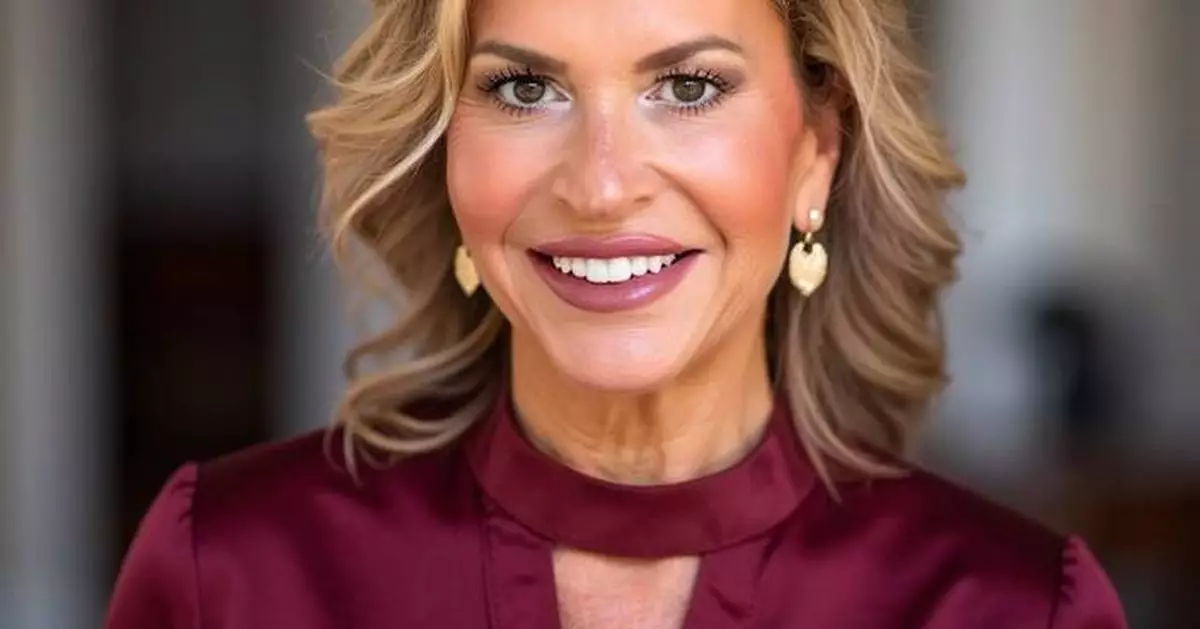
Longbridge Financial, LLC, a leading national mortgage lender and servicer specializing in home equity solutions for older Americans, today announced the promotion of Melissa Macerato from chief revenue and marketing officer to president and chief commercial officer.
This press release features multimedia. View the full release here: https://www.businesswire.com/news/home/20261109068638/en/
Macerato has been a key member of Longbridge’s leadership team since joining the company in 2012. She has helped guide its growth from an emerging reverse mortgage lender into a leading mortgage lender serving homeowners 55 and older, with a 31% market share and annualized growth exceeding 40% since January 2024.
The promotion recognizes more than a decade of contributions to Longbridge’s business strategy, organizational development, and culture.
“Melissa has represented the heart and soul of Longbridge since joining us during our startup phase, when we didn’t have a single loan officer. She led the development of our entire sales, marketing, and training departments, which together now account for more than 40% of our employees,” said Christopher Mayer, Ph.D., CEO of Longbridge Financial and the Paul Milstein Professor Emeritus of Real Estate at Columbia Business School. “Over the years, Longbridge’s sales team has reached new highs in productivity, even amid the challenges of a high-interest-rate environment. Under Melissa’s leadership, Longbridge has achieved and maintained its No. 1 position as the industry’s largest third-party originator, with continued gains in volume and market share and a deep commitment to helping our partners grow their businesses. Equally important, she has been instrumental in building our unique culture, where 94% of employees say Longbridge is a great place to work.”
Throughout her tenure, Macerato has overseen sales, training, marketing, and human resources, along with Longbridge's newly formed product development division, building the teams, infrastructure, and capabilities needed to support the company's expansion.
Working closely with Mayer and the executive leadership team, she helped bring HELOC For Seniors ® — a home equity line of credit designed specifically for homeowners 62 and older — from concept to market. She has also helped grow Longbridge’s proprietary Platinum reverse mortgage portfolio, supporting the company’s product diversification and business performance.
Macerato brings more than two decades of leadership experience across banking, mortgage lending, and financial services. She began her career at MBNA America, where she served as a vice president, before joining GE Capital as a senior director. At GE Capital, she was selected as one of the original participants in its Six Sigma quality process management program and achieved Black Belt status.
She later joined MetLife and MetLife Bank, where she rose to lead reverse mortgage sales. She hired more than 150 salespeople and managers, helping establish MetLife as a leading reverse mortgage lender. Following MetLife’s decision to begin winding down MetLife Bank, Macerato joined Longbridge in 2012, a few months after its founding.
In June 2026, Macerato completed the Advanced Management Program at the Wharton School of the University of Pennsylvania, an executive education program focused on strategic leadership and organizational performance. The experience reinforced the principles of trust, empowerment, and integrity that guide her approach to developing talent, strengthening teams, and fostering collaboration at Longbridge.
Macerato’s industry recognition includes being named a 2026 HousingWire Woman of Influence, one of Industry Era Women Leaders’ “10 Best Inspiring Leaders of 2021,” and a recipient of the “Powerhouse” Award from NEXT Mortgage News. She was also featured in a 2023 cover story highlighting female executives in Reverse Mortgage magazine, the official publication of the National Reverse Mortgage Lenders Association.
In her new role, Macerato will help lead Longbridge’s next phase of growth, expanding the choices available to borrowers 55 and older as they consider how home equity can fit into a responsible retirement plan. Her expanded responsibilities include leading the rollout of a new suite of products and tools to help lenders and borrowers better understand their options.
About Longbridge Financial
Longbridge Financial, LLC (NMLS #957935), is a nationally recognized mortgage lender and servicer that helps older homeowners access home equity through flexible, responsible lending solutions designed to support a more secure retirement. Founded in 2012 and led by an Ivy League professor, the company combines industry expertise with a commitment to education, innovation, and transparency. Its mission is to empower aging Americans with the tools and insights to help make confident financial decisions in or near retirement.
For more information about Longbridge Financial or to request an interview, visit longbridge-financial.com/newsroom.
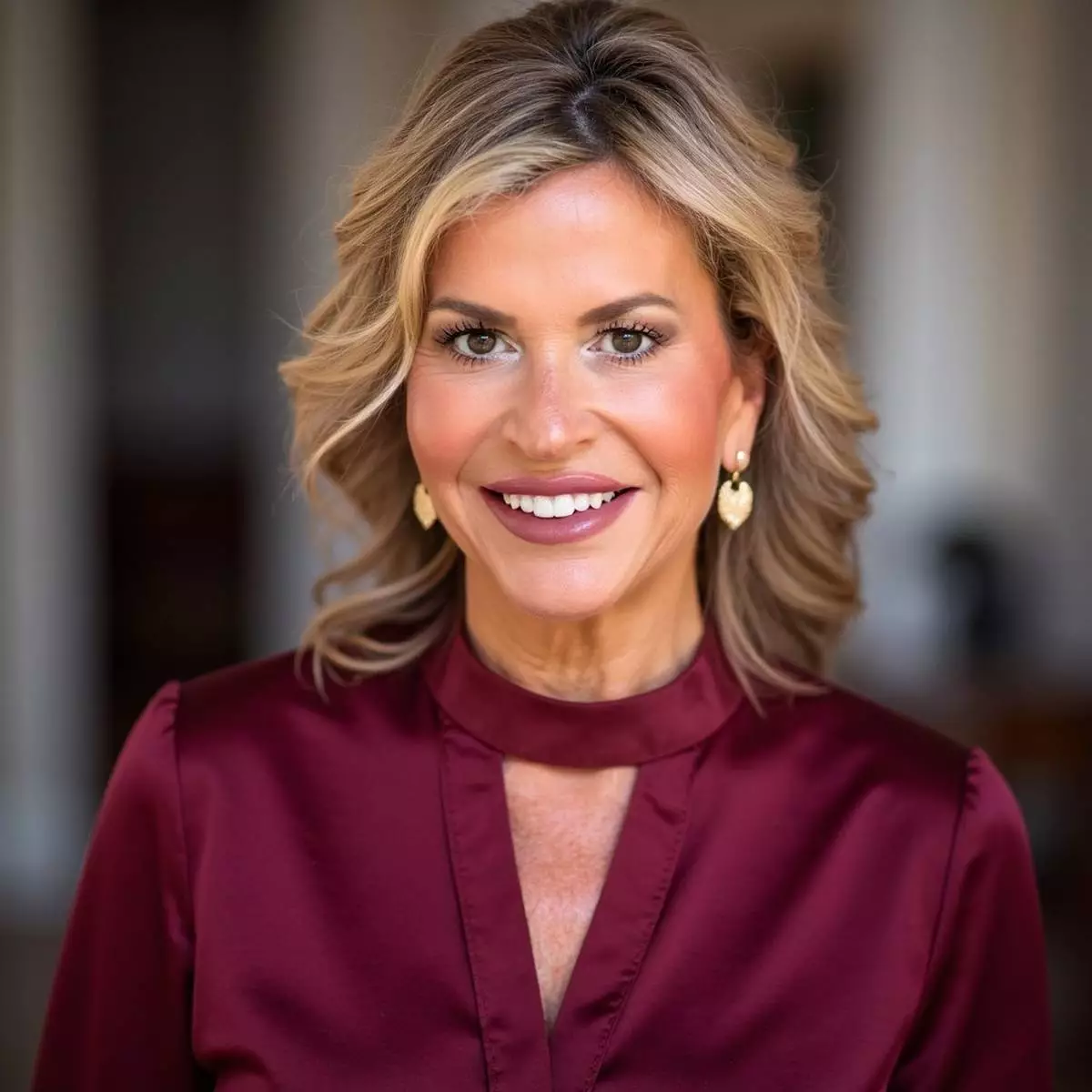
Melissa Macerato named president and chief commercial officer of Longbridge Financial
NEW YORK (AP) — The National Urban League will open a museum this weekend in Harlem dedicated to the civil rights struggles in the North, the first of its kind in New York City.
Located in the Urban League’s Manhattan headquarters, the Urban Civil Rights Museum in Harlem explores the region's lesser-known histories of the Civil Rights Movement and the local changemakers and artists whose contributions helped shape politics and culture worldwide. With nearly 12,000 square feet (1,100 square meters) of permanent and rotating exhibits and galleries, organizers say they hope to remind visitors of their “collective power” in the present.
“We want people to know that they are key participants,” Jennifer Scott, the museum’s founding executive director and chief curator, told The Associated Press during an exclusive preview of the space.
“History is living, it’s unfinished, and we can impact it,” she said.
Scott is a national public history scholar with experience preserving Black history in museums and research centers across the country. She led the design of a permanent interactive installation and an inaugural set of rotating exhibitions.
Marc Morial, the Urban League’s president and CEO, underscored the importance of establishing the museum just blocks from such key historic and cultural landmarks as the Apollo Theater and The Schomburg Center for Research in Black Culture. He attributed the same intentionality to the naming of the museum, and its specific mention of “this iconic American place called Harlem.”
“Designating this the Urban Civil Rights Museum in Harlem anchors it to a place, and this place tells the story,” Morial told the AP before the museum’s opening. “From this place, we’re telling the story of this place.”
Dozens of museums devoted to civil rights are scattered across the U.S., most of them in Southern states. While others explore themes of arts and culture or review specific moments in African American history, the organizers contend that there has never been a premier civil rights museum located in the northern United States.
The museum’s multimedia installations cover centuries of social justice history and culture. The inaugural exhibits recount the trans-Atlantic Slave Trade, the first and second waves of the Great Migration of Black families from the Deep South, and the story of the Civil Rights Movement and its modern impacts.
In several exhibits, audio recordings relay speeches of civil rights leaders and oral histories of people interviewed about their experiences. Feedback walls invite guests to share if they’ve participated in a protest or read a banned book.
Throughout the museum’s curation process, Scott prioritized immersion not only through mediums but through the stories that the Urban League chose to represent. “We wanted people to see themselves,” she said. “It’s a very diasporic representation and storytelling approach.”
As a self-described proponent of intersectional solidarity, Morial echoed the importance of celebrating a diverse range of perspectives from people who rallied alongside African Americans in the northern fight for civil rights.
“We don’t want this great concept, equal opportunity and diversity, to be suppressed,” he said.
Some of the narratives displayed have been targeted in recent years as part of a push to sanitize the way American history is told. Last year, the Trump administration ordered a review of U.S. museums under federal guidance for narratives it deemed “divisive, race-centered ideology,” urging them to “instead focus on the greatness of the achievements and progress of the American people.”
Martha Biondi, a professor of history and Black studies at Northwestern University whose work has advanced the awareness of New York's civil rights struggles, underscored the importance of preserving that history today.
“If America’s going to become a true multiracial democracy, we have to stop sanitizing our past and we have to tell the true stories,” Biondi said.
The importance of preserving the urban Civil Rights Movement was compounded by the current political climate, said Morial, adding that the museum retells history “with all of its beauty, and with all of its warts.”
“This history is not going to be minimalized or suppressed in any way,” he said.
Morial and Scott lamented how the history of institutionalized racism in the North has often been overshadowed or even lost, while stories of the struggles in the Deep South are far more widely recognized.
For Scott, preserving forgotten accounts as part of the historical record is a personal passion and a priority. From reliving the prime of nightlife in the Harlem Renaissance, to reading through legacy ethnic media like the New York Amsterdam News alongside Jet and Essence magazines, she said, the museum is “just scratching the surface” in uncovering local stories.
“It’s important to me and to all of us here who work at the museum, because we don’t want those stories to be erased ever again,” Scott said. “It started long before us, and we want it to continue after, so people are always feeling empowered to create the change that they desire.”
The Urban Civil Rights Museum in Harlem will celebrate its grand opening with invited elected officials and other guests on Saturday. With plans to educate and involve the community in the museum’s programming, Morial was optimistic about both the future of the museum and of the movement it showcases.
“This museum is not static, and we’re going to continue to evolve the exhibitions,” he said. “We are just getting started.”
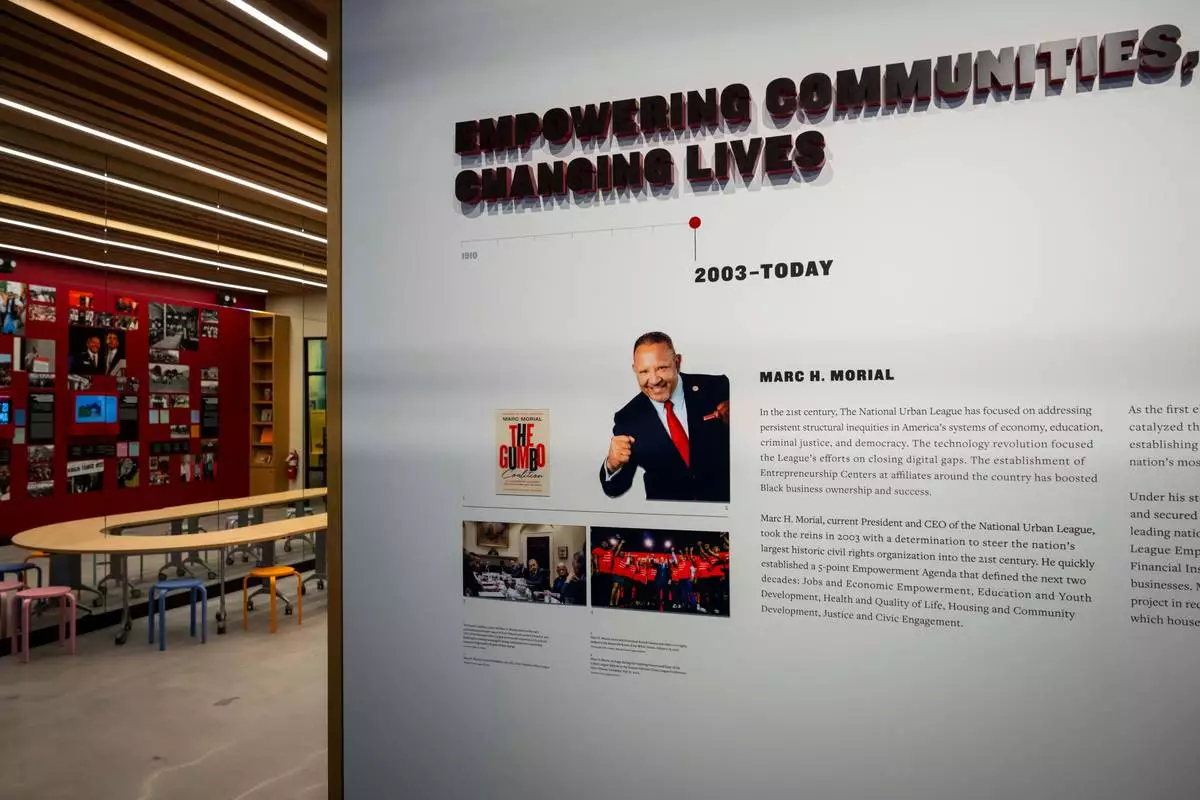
A photo of Marc H. Morial, president and CEO of the National Urban League, is on display at the Urban Civil Rights Museum, Friday, Nov. 6, 2026, in the Harlem neighborhood of New York. (AP Photo/Yuki Iwamura)
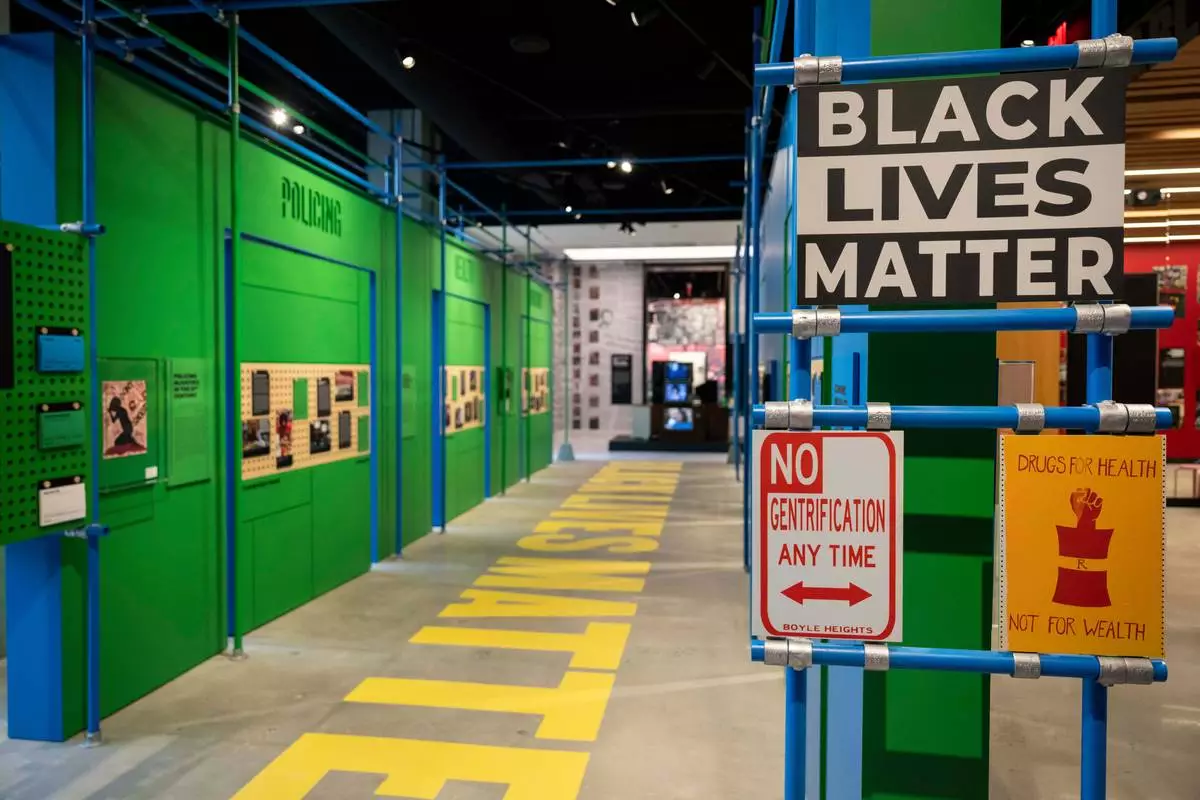
A Black Lives Matter sign is on display at the Urban Civil Rights Museum, Friday, Nov. 6, 2026, in the Harlem neighborhood of New York. (AP Photo/Yuki Iwamura)
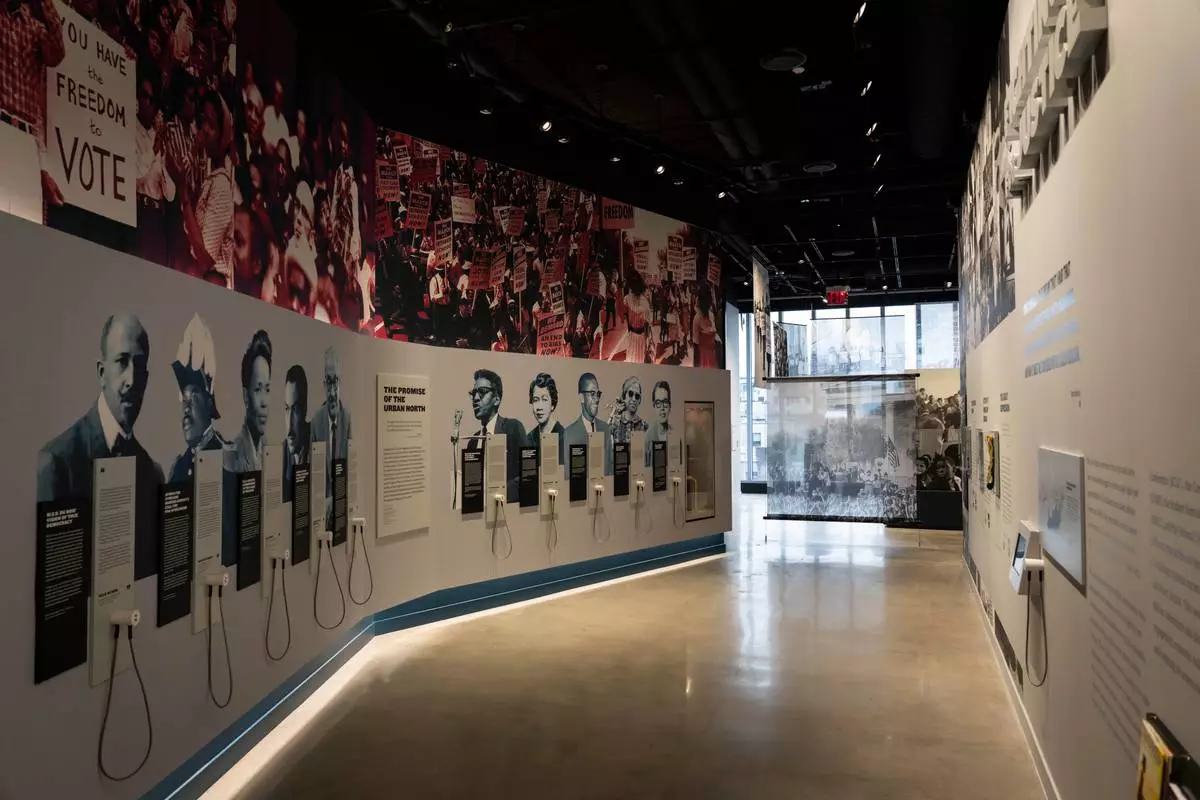
The Urban Civil Rights Museum is seen on Friday, Nov. 6, 2026, in the Harlem neighborhood of New York. (AP Photo/Yuki Iwamura)
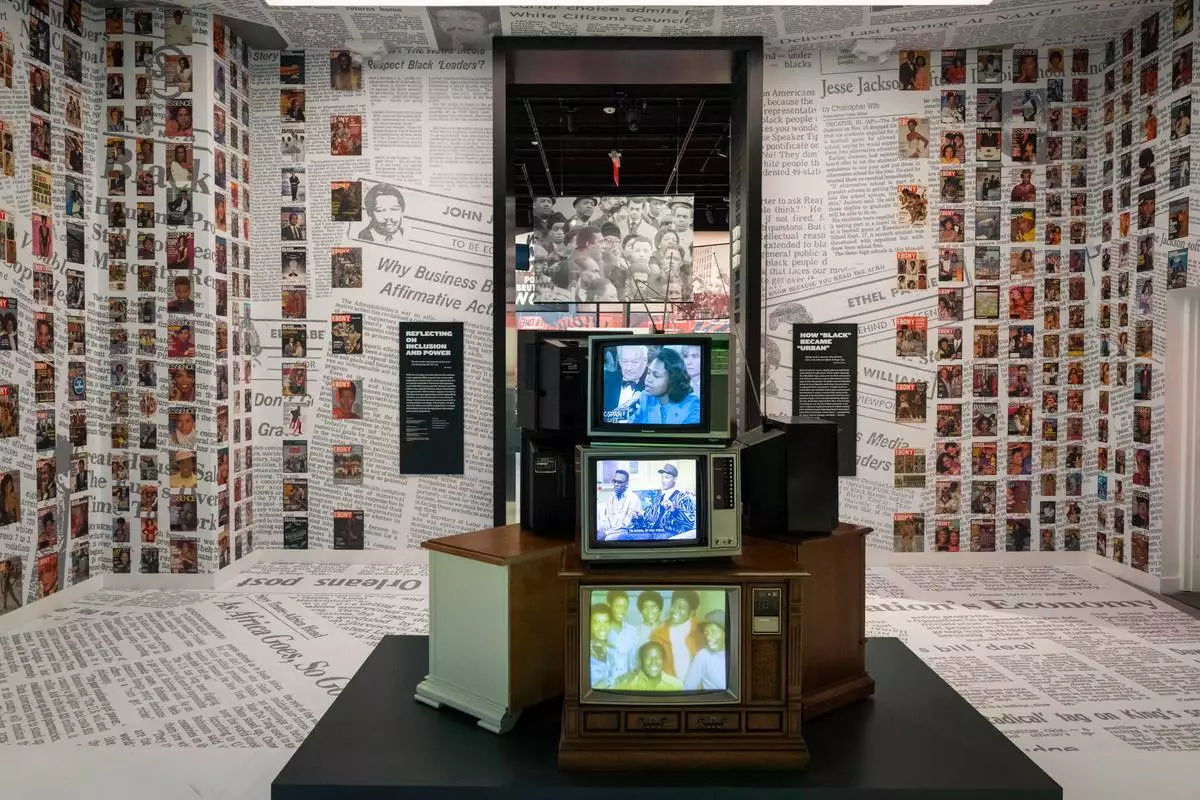
The Urban Civil Rights Museum is seen on Friday, Nov. 6, 2026, in the Harlem neighborhood of New York. (AP Photo/Yuki Iwamura)
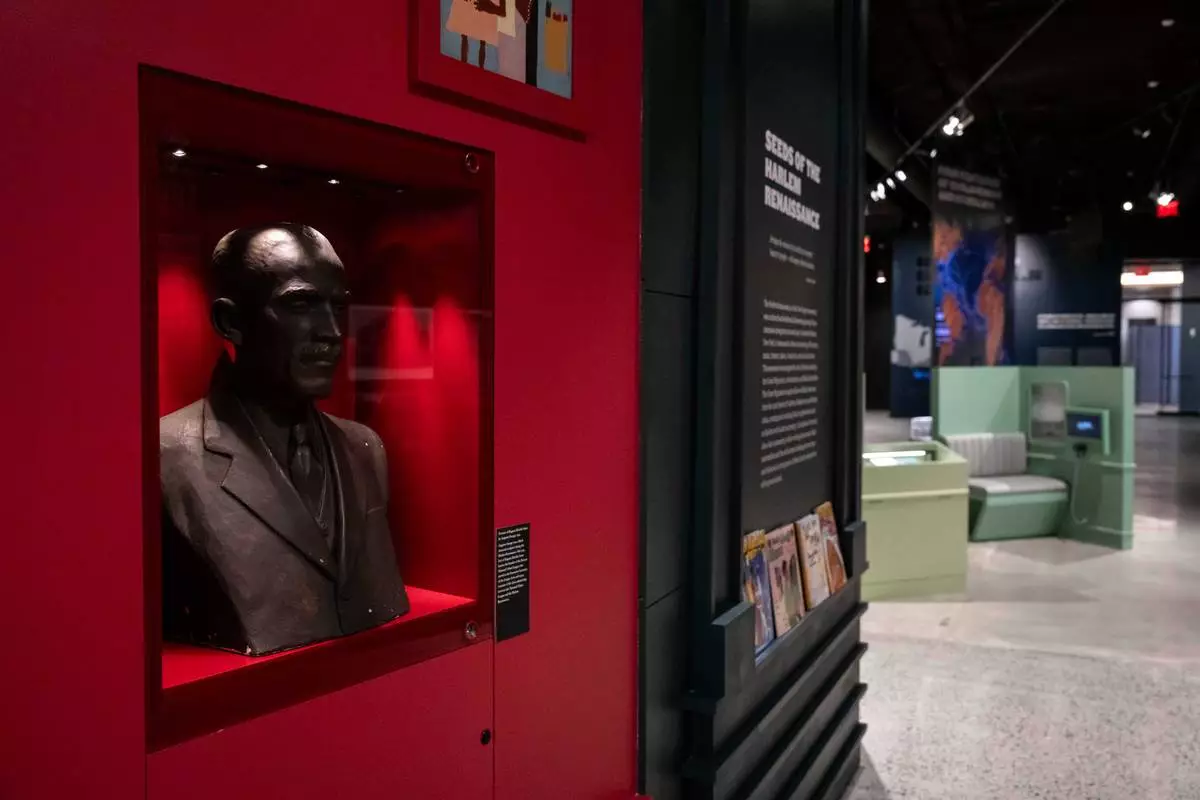
A bust of Eugene Kinckle Jones, a leader of the National Urban League, is seen at the Urban Civil Rights Museum, Friday, Nov. 6, 2026, in the Harlem neighborhood of New York. (AP Photo/Yuki Iwamura)
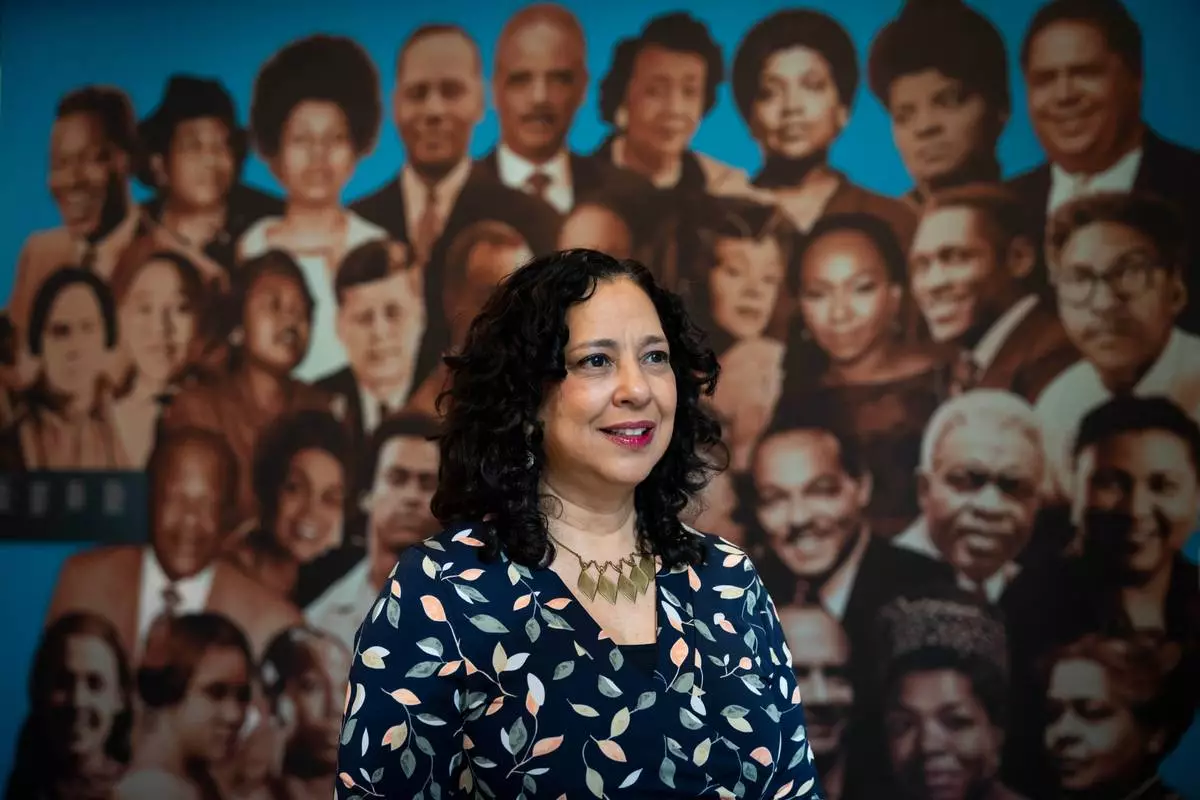
Jennifer Scott, executive director and chief curator of the Urban Civil Rights Museum, poses for a photo Friday, Nov. 6, 2026, in the Harlem neighborhood of New York. (AP Photo/Yuki Iwamura)
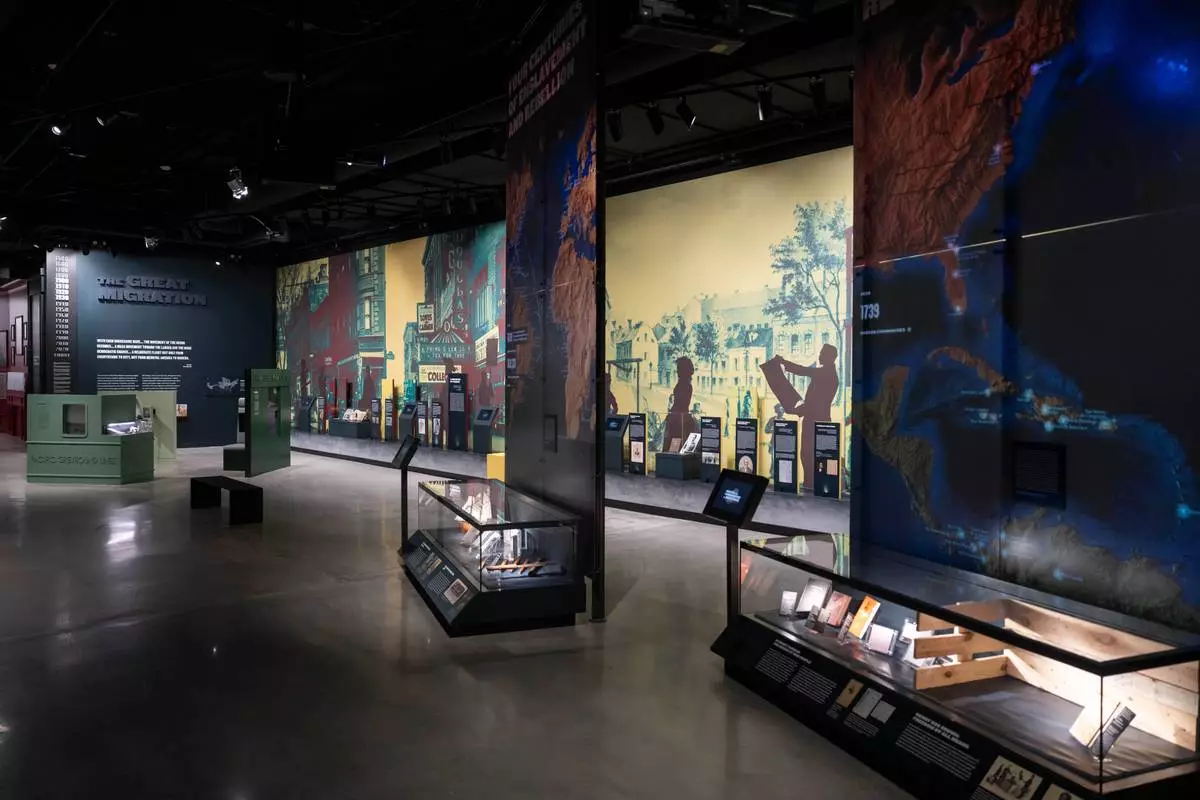
The Urban Civil Rights Museum is seen on Friday, Nov. 6, 2026, in the Harlem neighborhood of New York. (AP Photo/Yuki Iwamura)
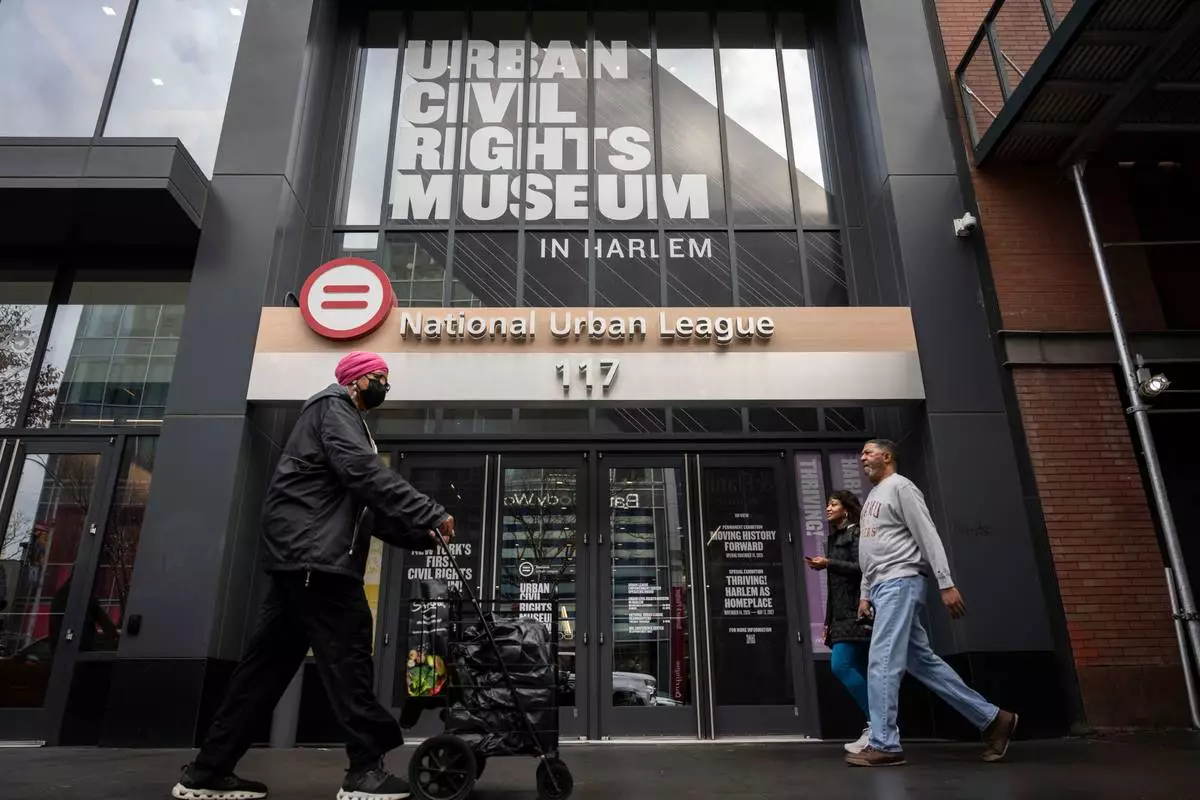
People walk past the Urban Civil Rights Museum on Friday, Nov. 6, 2026, in the Harlem neighborhood of New York. (AP Photo/Yuki Iwamura)