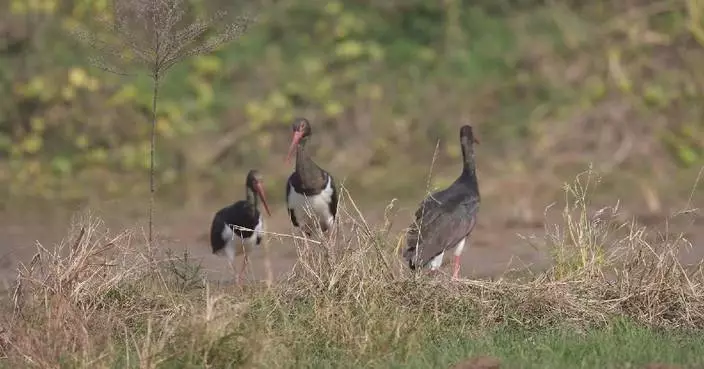
Flocks of wild ducks have descended upon Hongze Lake in east China's Jiangsu Province, bringing vibrant life to the wetlands as early-arriving migratory birds reach their wintering grounds.
Over the past few days, over 3,000 wild ducks, mainly Chinese spot-billed ducks, mallards and other common migratory birds, have settled along the lake's embankment to rest and forage.
Footage shows the ducks paddle across the lake, feeding in the water and flying in groups. Monitoring data shows that this first wave of wild ducks arrived nearly a month earlier than last year, and their numbers continue to grow.
"We have staff conducting round-the-clock patrols and dynamic monitoring in the scenic area, keeping real-time records of the wild ducks' population size, activity status, and habitat range," said Xu Qian, a migratory bird conservation volunteer.
Stretches for 70.4 kilometers, the Hongze Lake embankment boasts a vegetation coverage rate of over 95 percent. A diverse mix of trees and shrubs, including black locust, dawn redwood, hybrid black poplar, and elm, creates a multi-layered forest belt that provides the migratory birds with natural shelter and an abundant food supply.
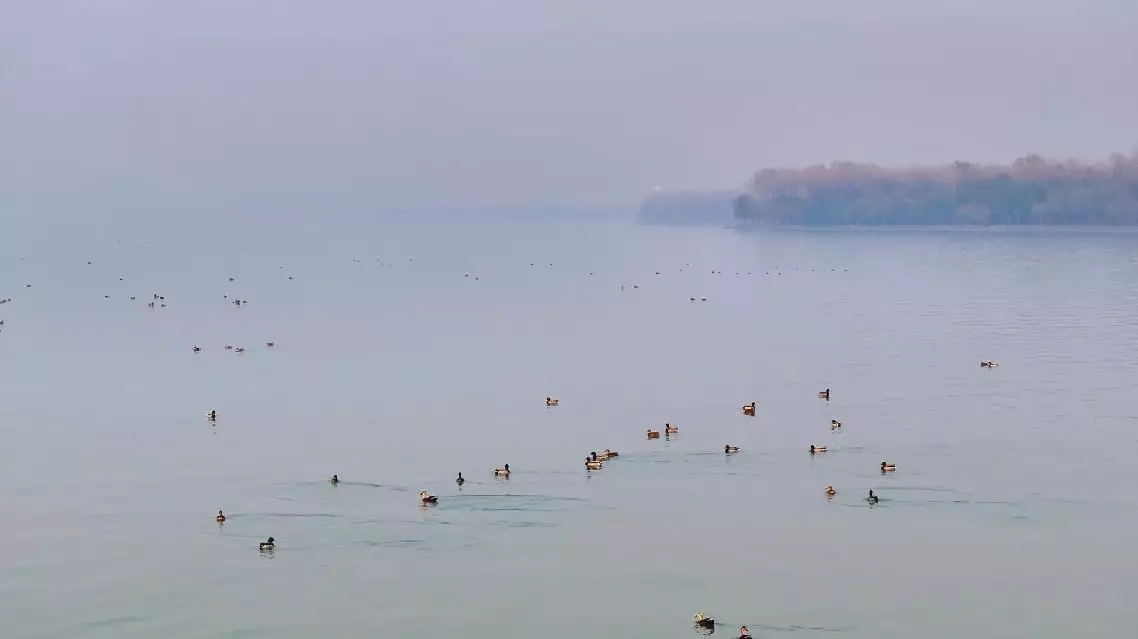
Flocks of wild ducks fly to Hongze Lake in east China's Jiangsu for winter
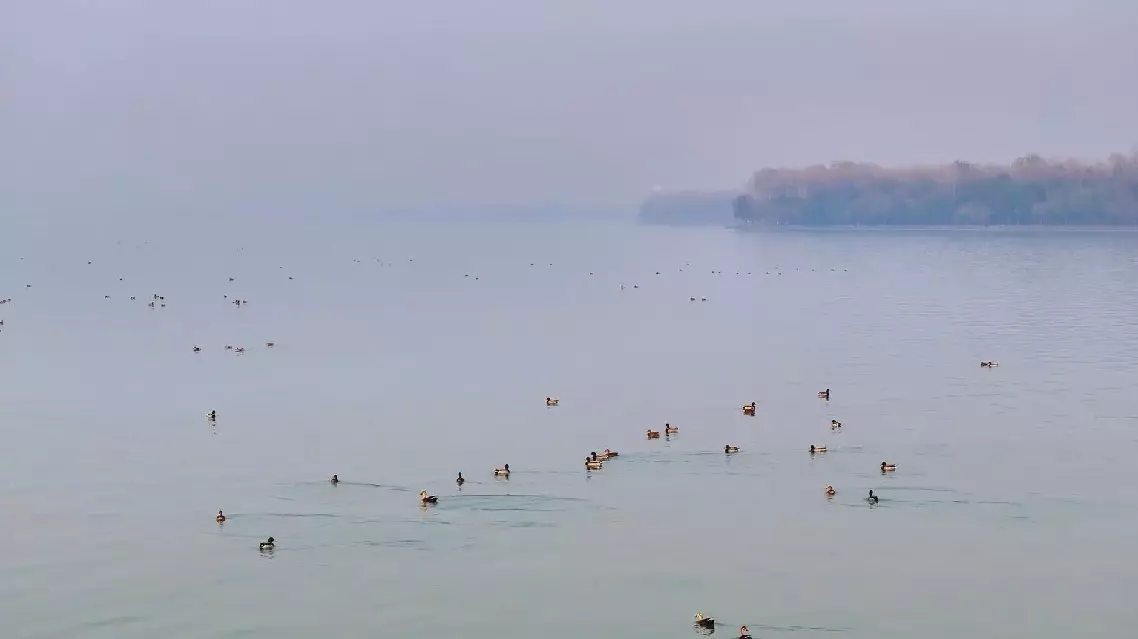
Flocks of wild ducks fly to Hongze Lake in east China's Jiangsu for winter
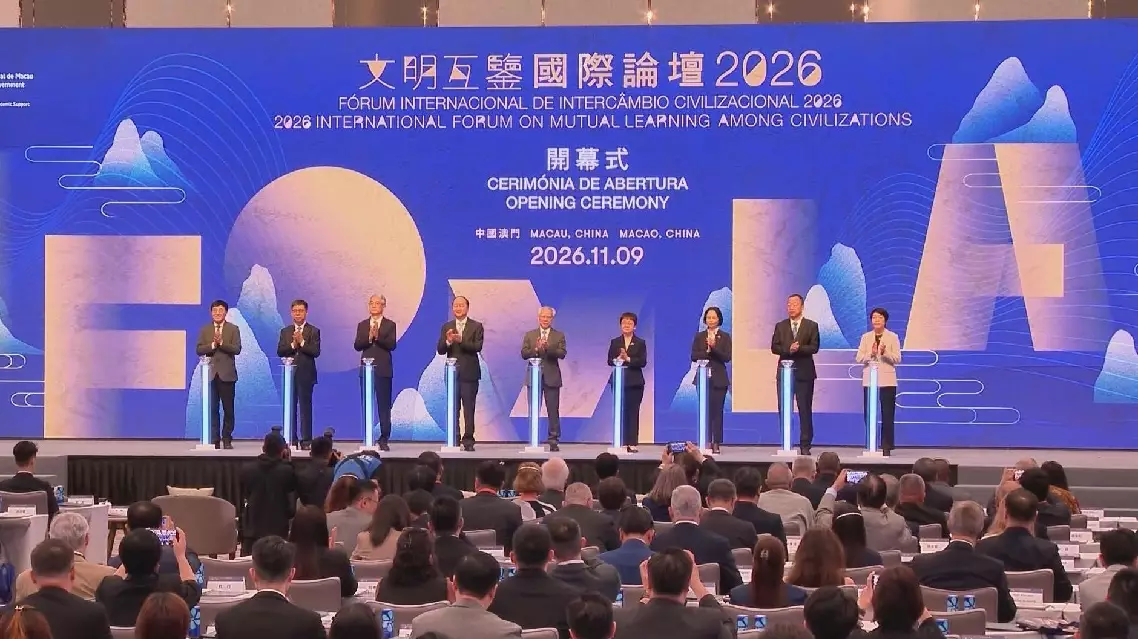
The International Forum on Mutual Learning among Civilizations 2026 opened in China's Macao Special Administrative Region (SAR) on Monday, bringing together nearly 300 participants from more than 20 countries and regions to discuss how civilizations learn from one another, with topics ranging from the ancient Silk Road to the role of AI in cultural exchange.
Themed "Mutual Learning among Civilizations, Inheritance and Development", the two-day forum has gathered government officials, international organization representatives and scholars for nearly 40 talks and discussions on three topics: "Cross-disciplinary Cultural Dialogue," "Cultural Connections between China and the Portuguese-speaking Countries," and "The Glory of Civilizations in the AI Era".
Opening the forum, Macao SAR Chief Executive Sam Hou Fai noted that Macao is an important node on the Maritime Silk Road and a place where different cultures have coexisted harmoniously for more than 400 years.
He said Macao will further implement the Global Civilization Initiative proposed by President Xi Jinping and give full play to its strategic positioning as a vital window for exchange and mutual learning between Chinese and Western civilizations.
Li Guoqiang, a member of the Academic Committee of the Chinese Academy of Social Sciences and director of the Research Center for Macao History at the Chinese Academy of History, said since Macao's return to the motherland, the practice of "one country, two systems" has not only created a great miracle of economic prosperity, social stability and improved livelihoods, but also preserved the SAR's cultural diversity.
Seven internationally renowned experts and scholars from the fields of history, jurisprudence, finance, sociology, the history of state relations, and journalism and communication also shared their research insights on cultural inheritance and exchange in their keynote speeches.
Tuesday's sessions will delve into the Maritime Silk Road and the past and future of China-Portuguese-speaking countries cultural exchanges, as well as AI and human values.
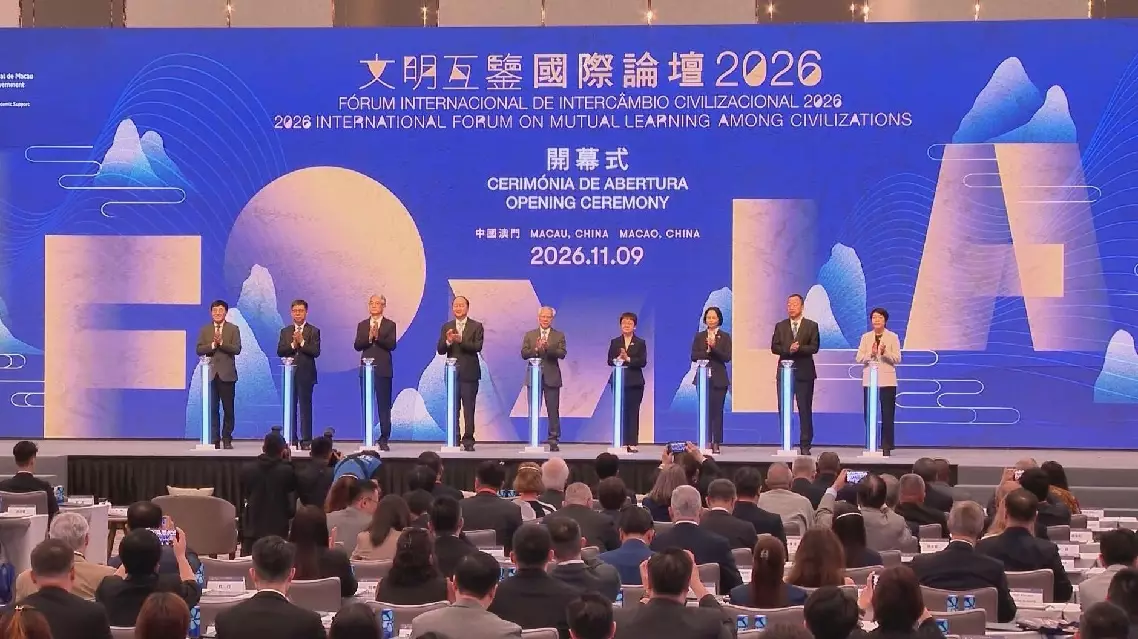
Forum in Macao explores cultural exchange from Silk Road to AI era
Forum in Macao explores cultural exchange from Silk Road to AI era