LONDON (AP) — A satirical dystopian novel whose themes of “catastrophe and apocalypse” chime with our uneasy times won the Booker Prize on Monday, the first work of science fiction to take the prestigious literary award.
British writer M. John Harrison was awarded the 50,000-pound ($67,000) prize at a ceremony in London for “The End of Everything,” a book the judges said combines “huge ambition” and “extraordinary, expert writing.”
Click to Gallery
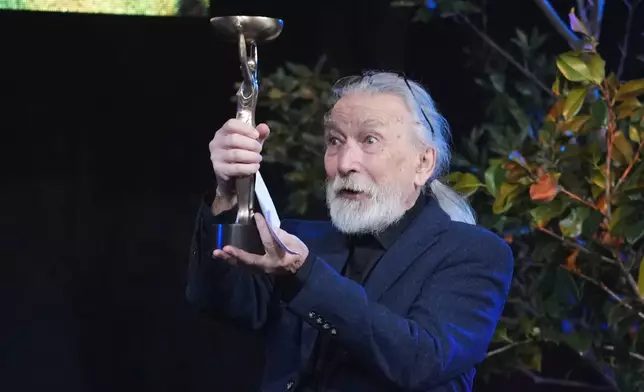
M. John Harrison, author of "The End of Everything" holds the trophy for winning the Booker Prize during the Booker Prize 2026 ceremony at Old Billingsgate in London, Tuesday, Nov. 10, 2026.(AP Photo/Kirsty Wigglesworth)
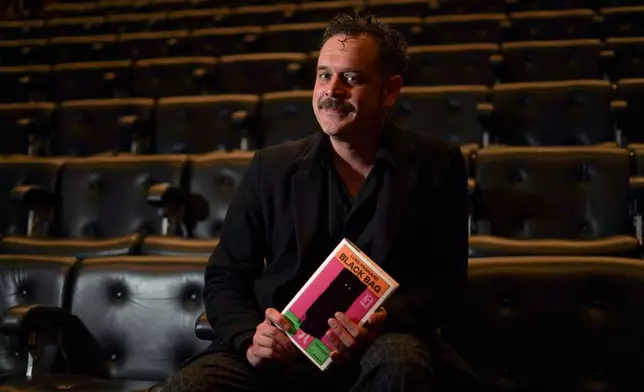
Luke Kennard, author of "Black Bag" poses for a photograph during a photocall for the 6 shortlisted authors for the Booker Prize, in London, Sunday, Nov. 8, 2026.(AP Photo/Alberto Pezzali)
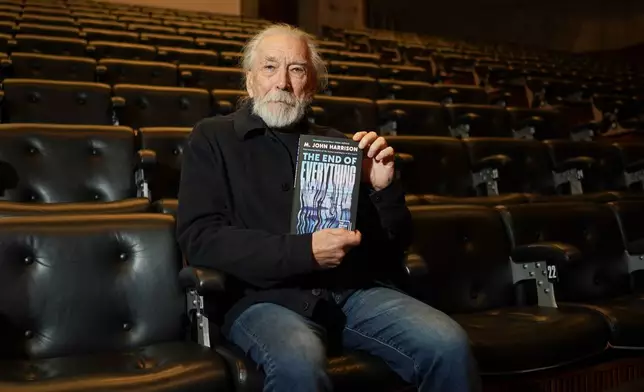
M. John Harrison, author of "The End of Everything" poses for a photograph during a photocall for the 6 shortlisted authors for the Booker Prize, in London, Sunday, Nov. 8, 2026. (AP Photo/Alberto Pezzali)

Rebecca Perry, author of "May We Feed the King" poses for a photograph during a photocall for the 6 shortlisted authors for the Booker Prize, in London, Sunday, Nov. 8, 2026. (AP Photo/Alberto Pezzali)
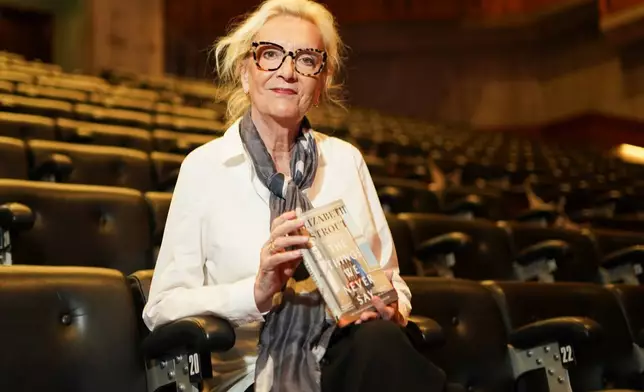
Elizabeth Strout, author of "The Things We Never Say" poses for a photograph during a photocall for the 6 shortlisted authors for the Booker Prize, in London, Sunday, Nov. 8, 2026. (AP Photo/Alberto Pezzali)
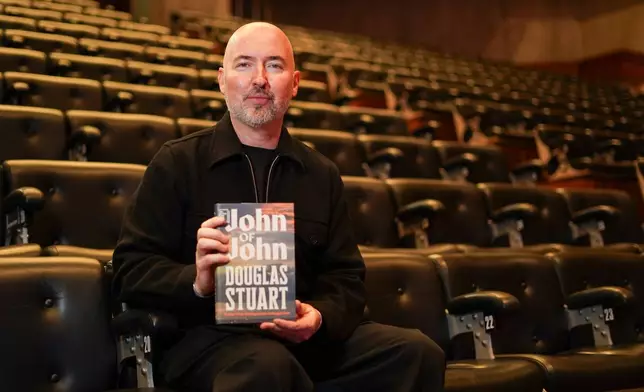
Douglas Stuart, author of "John of John" poses for a photograph during a photocall for the 6 shortlisted authors for the Booker Prize, in London, Sunday, Nov. 8, 2026. (AP Photo/Alberto Pezzali)
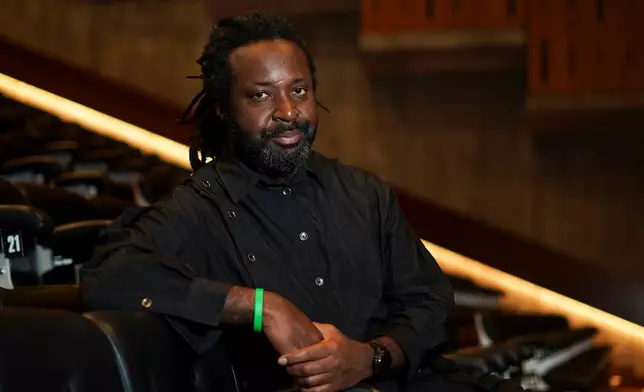
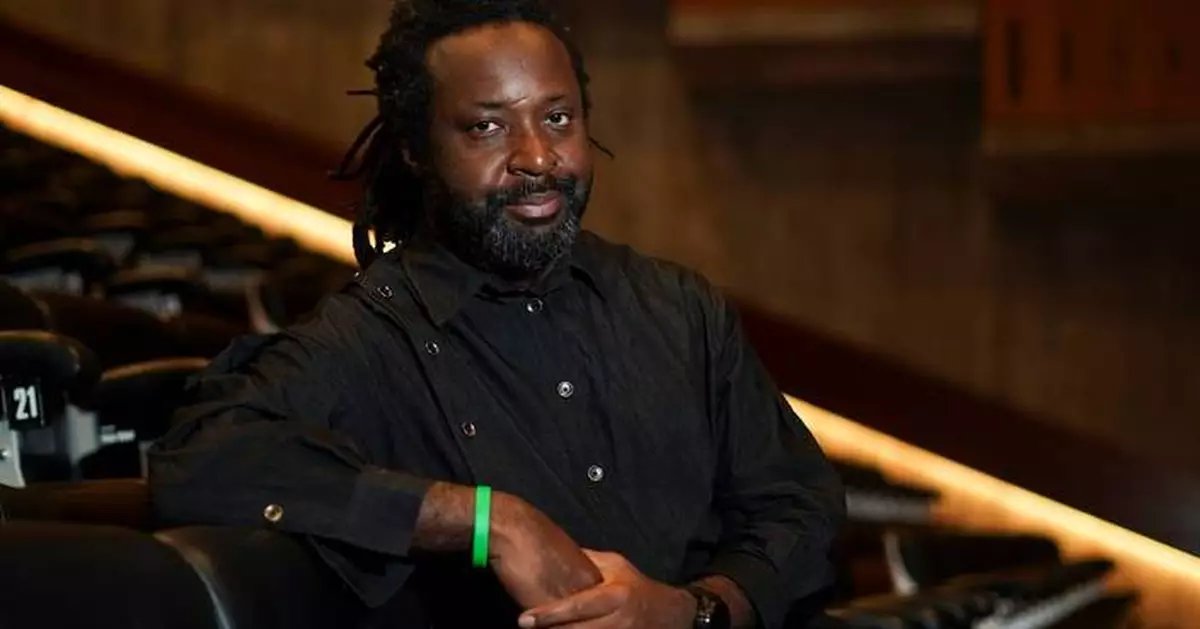
Marlon James, author of "The Disappearers" poses for a photograph during a photocall for the 6 shortlisted authors for the Booker Prize, in London, Sunday, Nov. 8, 2026. (AP Photo/Alberto Pezzali)
Harrison beat five other finalists including previous winners Douglas Stuart and Marlon James, who had been the oddsmakers’ favorites, and Pulitzer Prize laureate Elizabeth Strout.
“The End of Everything” is set on England’s Channel coast in the near future, after an unspecified calamity has shattered society and brought an influx of enigmatic alien entities to Britain. It centers on a beachcomber who lives with his gun-toting aunt and discovers a puzzling, shape-shifting artifact on the shore.
Asked what he wanted to convey to readers, Harrison said: “It's a grim world, and it'll keep on being grim. And it's weird. But at the end of things there may be some kind of — I wouldn't say hope, or closure, but there might be some kind of relief.”
Critics have praised the book's dark humor, though some have been confused by its elusive narrative.
Historian Mary Beard, who chaired the judging panel, said the book is “the politics of now seen through the lens of the future,” and about a society “undergoing a catastrophe that they don’t really understand.”
“What he does is to say, when the catastrophe comes, you won’t know what’s happening,” Beard said. “And there are bits where you, the reader, are with the characters in not fully understanding. Now, I think that’s fantastically exciting.”
Harrison’s work includes large dollops of fantasy and speculative fiction, and he won the Arthur C. Clarke science fiction award for a previous novel, “Nova Swing.” Although borders between publishing genres are increasingly blurred, it’s still rare for a work of sci-fi to win a major literary prize.
Harrison said before he won that he had been “working for 40 to 50 years to shift the balance, both as a novelist and as a critic. Why shouldn’t a well-written (work of science fiction) be considered to be literary fiction?”
Booker Prize Foundation chief executive Gaby Wood noted that the prize has removed references to “literary fiction” from its materials, because “all fiction is literary.”
Beard said Harrison’s win was “recognition of what some people would see as the blindingly obvious, that you find great books in every genre.”
Founded in 1969, the Booker Prize is open to English-language novels from any country published in the U.K. and Ireland and has a reputation for transforming writers’ careers.
Its winners have included Salman Rushdie, Ian McEwan and Arundhati Roy. Last year’s winner was “Flesh” by Hungarian-British writer David Szalay.
Harrison, 81, is the oldest writer to win the Booker, two years older than Margaret Atwood when she won in 2019. “The End of Everything” is his 13th novel. But Beard said the prize was definitely “not a lifetime achievement award.”
“We thought this was a book that had earned it,” Beard said.
She said the judges, who included poet Raymond Antrobus and singer Jarvis Cocker from the band Pulp, met for four or five hours to pick a winner, and the choice was ultimately unanimous.
“There was a lot of discussion and disagreement and debate, but nobody stomped off,” she said.
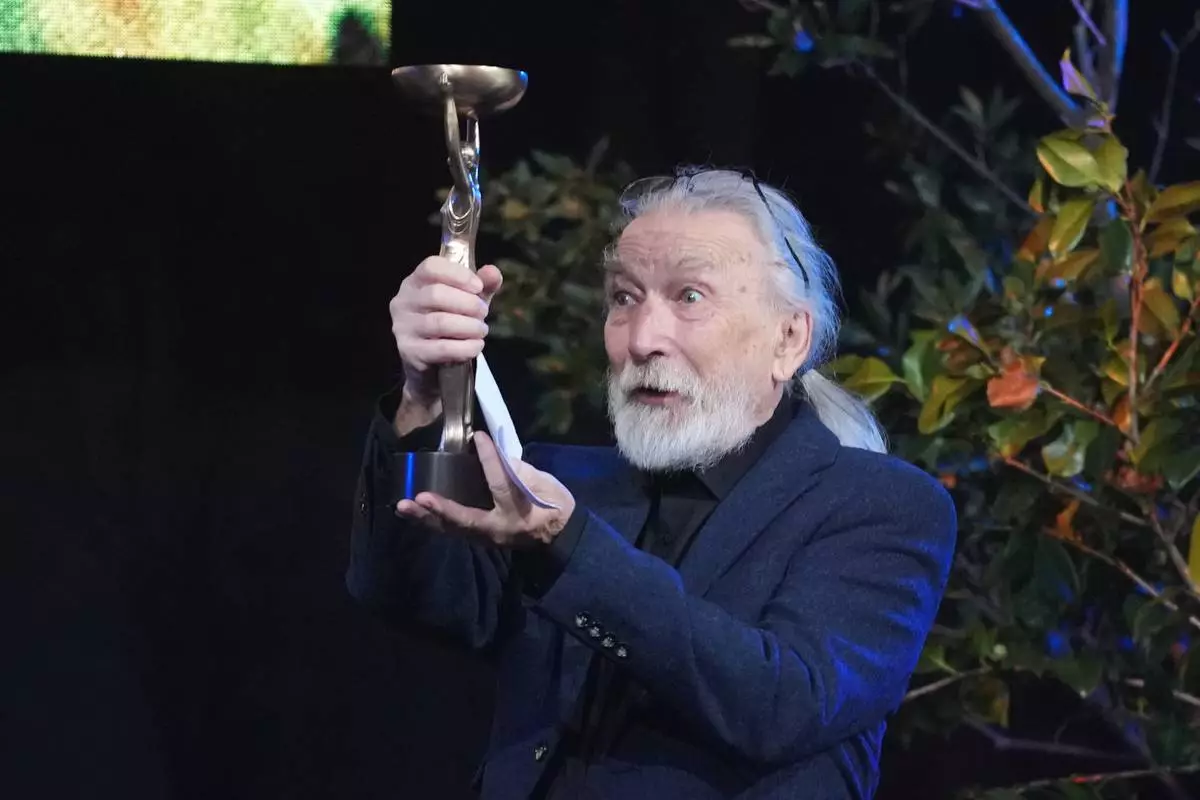
M. John Harrison, author of "The End of Everything" holds the trophy for winning the Booker Prize during the Booker Prize 2026 ceremony at Old Billingsgate in London, Tuesday, Nov. 10, 2026.(AP Photo/Kirsty Wigglesworth)
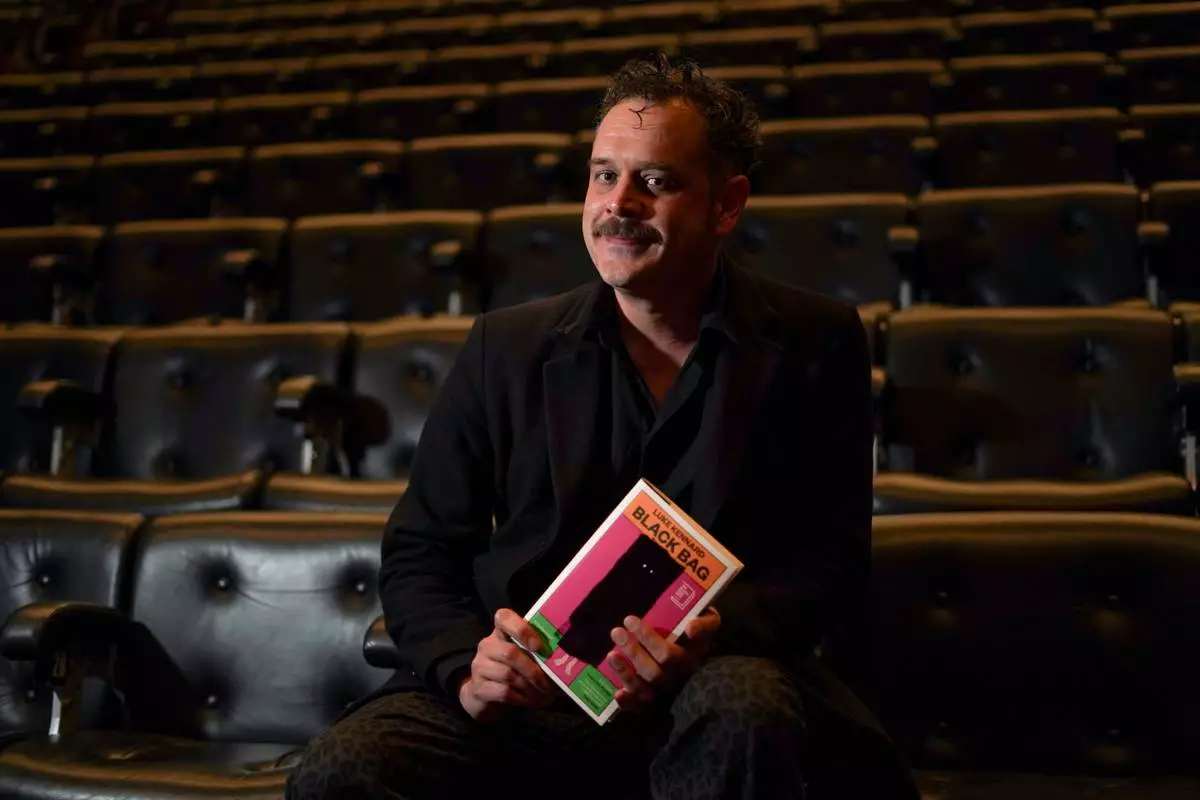
Luke Kennard, author of "Black Bag" poses for a photograph during a photocall for the 6 shortlisted authors for the Booker Prize, in London, Sunday, Nov. 8, 2026.(AP Photo/Alberto Pezzali)
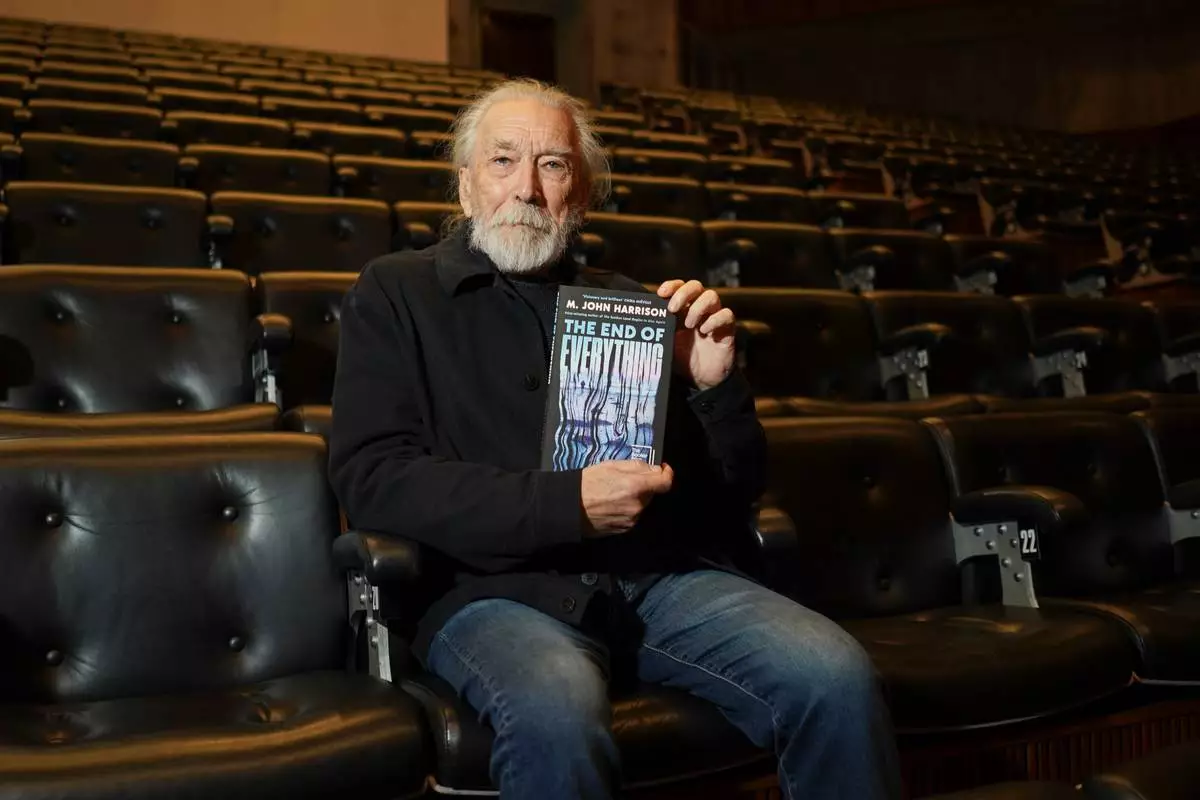
M. John Harrison, author of "The End of Everything" poses for a photograph during a photocall for the 6 shortlisted authors for the Booker Prize, in London, Sunday, Nov. 8, 2026. (AP Photo/Alberto Pezzali)

Rebecca Perry, author of "May We Feed the King" poses for a photograph during a photocall for the 6 shortlisted authors for the Booker Prize, in London, Sunday, Nov. 8, 2026. (AP Photo/Alberto Pezzali)
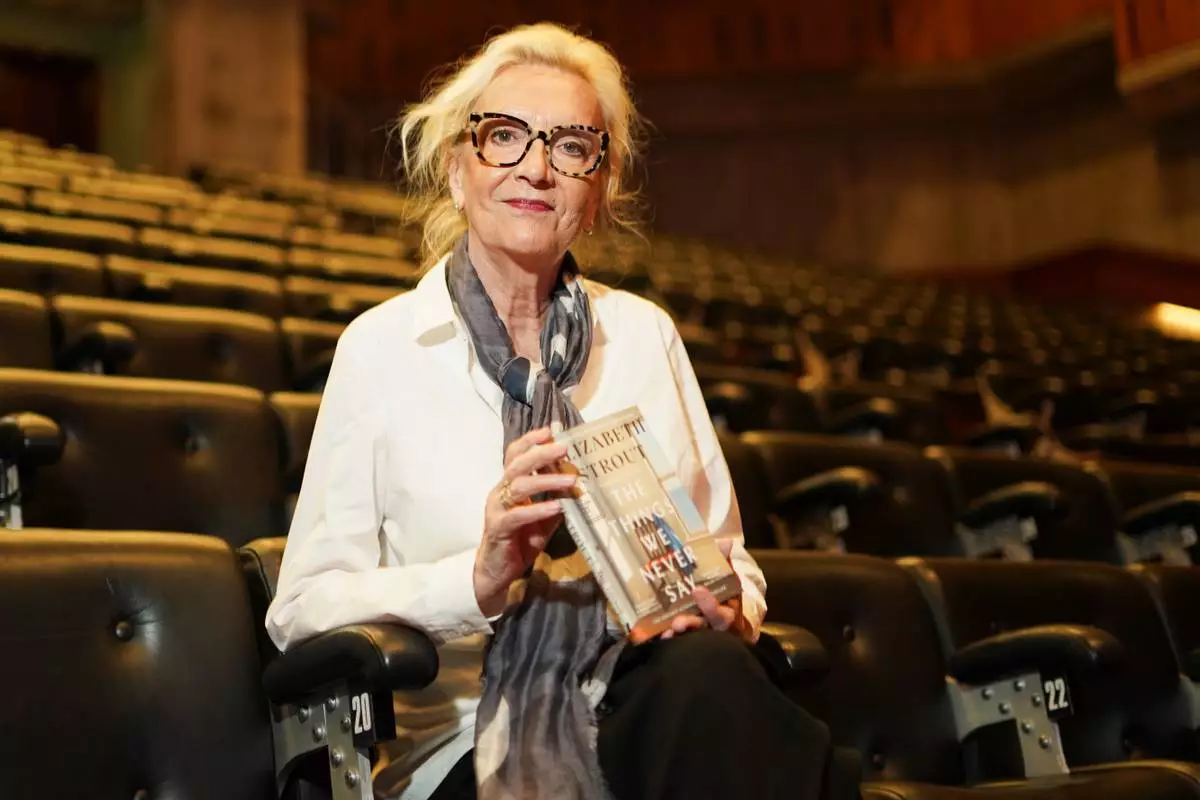
Elizabeth Strout, author of "The Things We Never Say" poses for a photograph during a photocall for the 6 shortlisted authors for the Booker Prize, in London, Sunday, Nov. 8, 2026. (AP Photo/Alberto Pezzali)
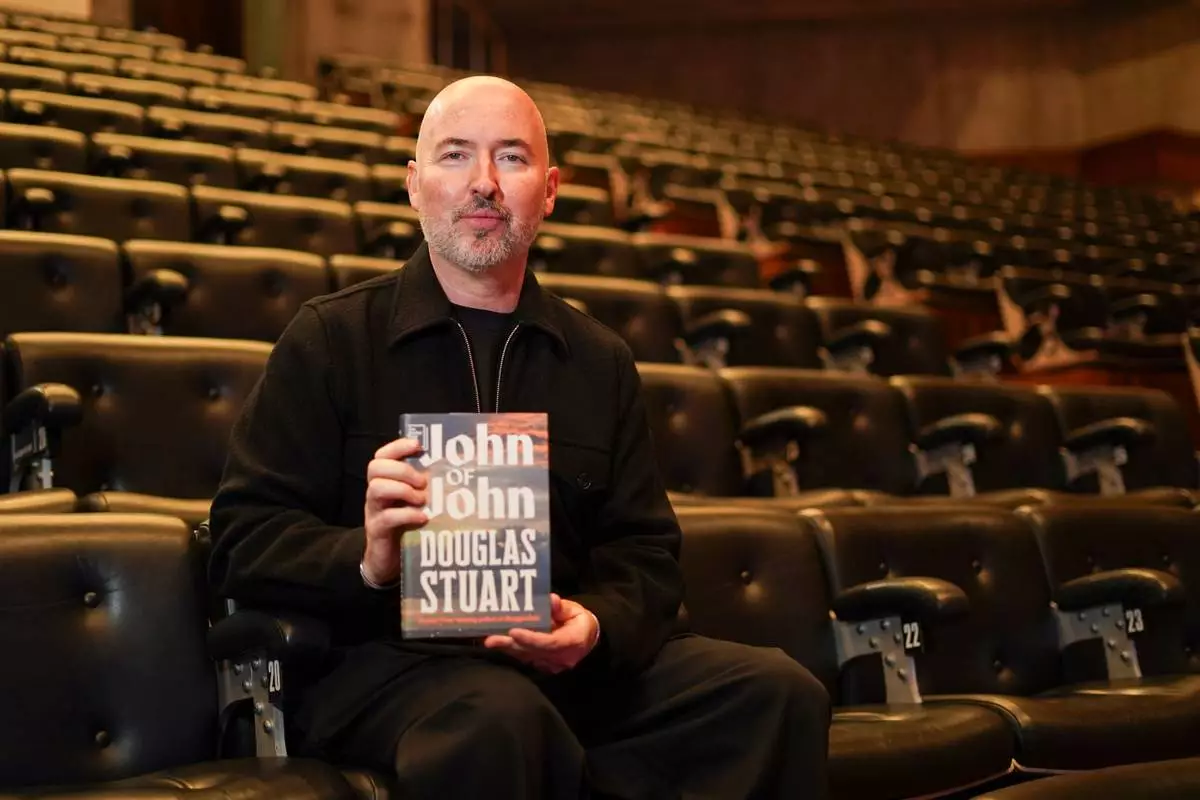
Douglas Stuart, author of "John of John" poses for a photograph during a photocall for the 6 shortlisted authors for the Booker Prize, in London, Sunday, Nov. 8, 2026. (AP Photo/Alberto Pezzali)
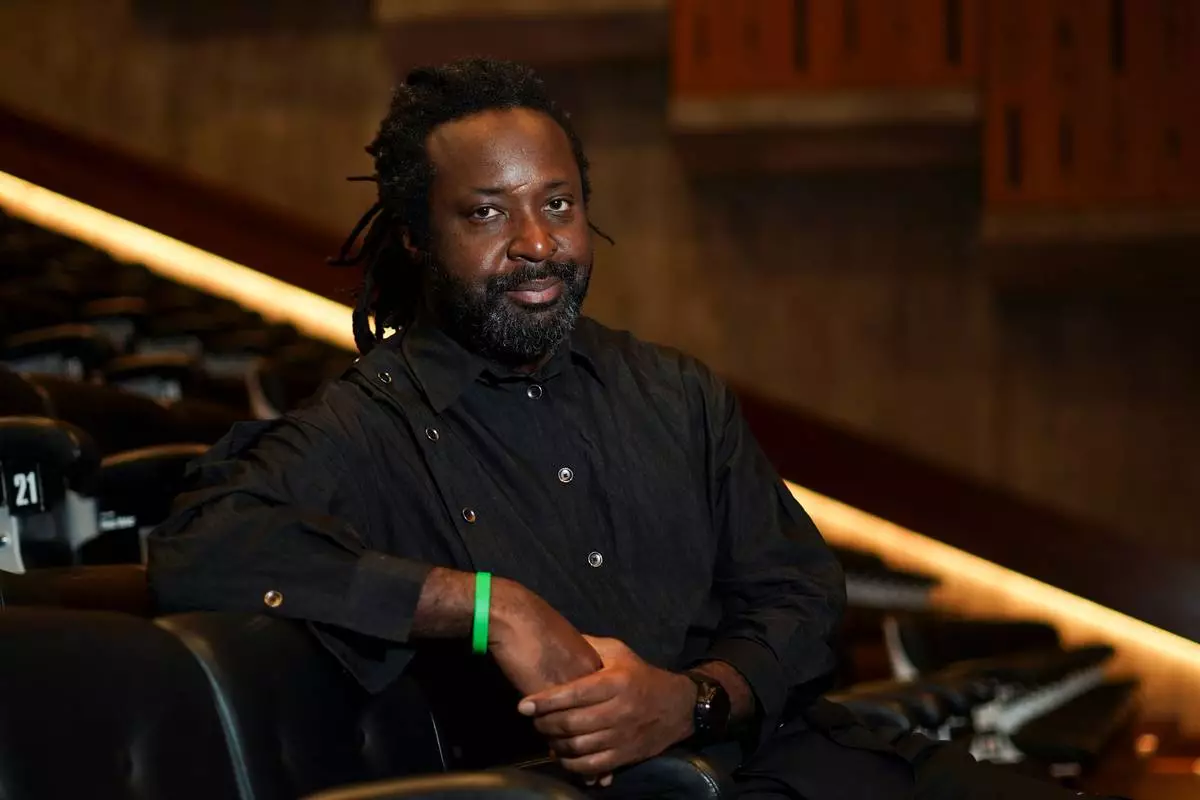
Marlon James, author of "The Disappearers" poses for a photograph during a photocall for the 6 shortlisted authors for the Booker Prize, in London, Sunday, Nov. 8, 2026. (AP Photo/Alberto Pezzali)