Democrats have taken control of the state House in Georgia after also gaining the governor’s office in last week's midterm election, giving the party control of each for the first time in more than 20 years.
The flip gives Democrats control of at least 12 new legislative chambers across the U.S. after their major gains at all levels.
It's the biggest gain for either party in a single election since the Republicans took the majority in 20 chambers in 2010 amid the Great Recession and the rise of the conservative tea party movement.
After officials are sworn in later this year and in early 2027, Democrats will have trifectas — control of both legislative chambers and the governor's office — in at least six states where they're currently sharing power with Republicans.
The party running a state government can have a major impact on issues including tax bills, how data center development goes and who qualifies for Medicaid health insurance.
The Associated Press, which has been calling elections since 1848, on Monday determined the outcome of enough Georgia races to declare Democrats had won the lower chamber.
The news organization has not yet determined who will control the state Senate in North Carolina or either chamber in Alaska.
Republicans have controlled the House in Georgia since 2005 and both the Senate and governor's office since 2003.
Democrats have made gains. In 2020, for instance, Joe Biden narrowly won a plurality in the presidential election there and Democrats prevailed in both U.S. Senate elections. Donald Trump won there in both 2016 and 2024.
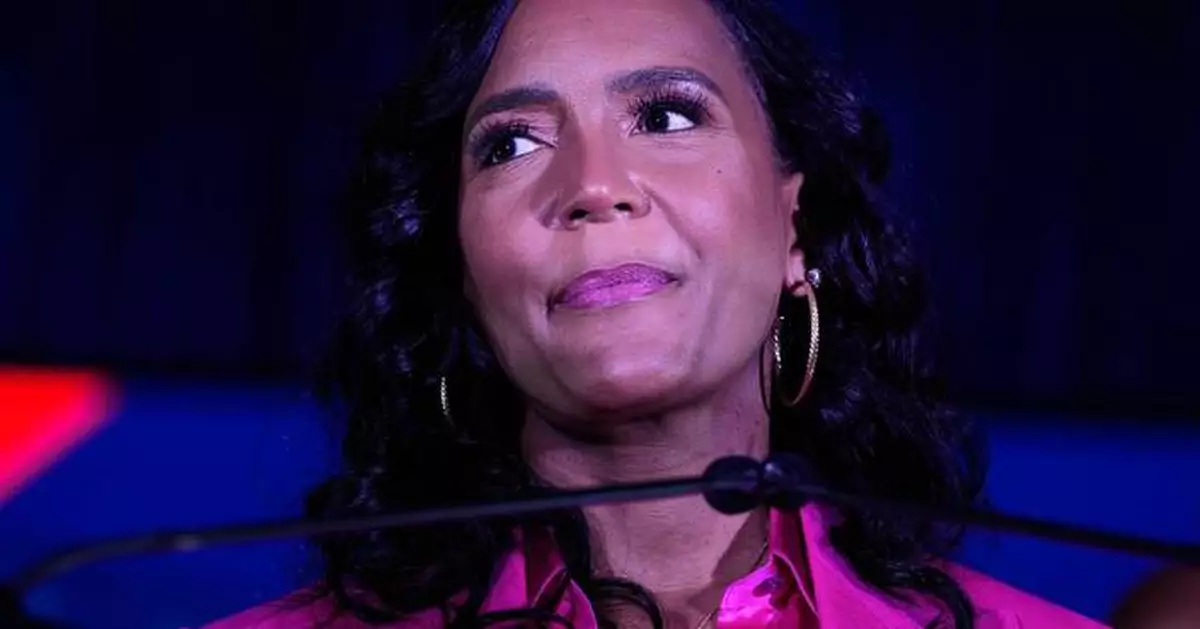
This year, Democrat Keisha Lance Bottoms won the governorship and Democrats took control of a House in which Republicans had a comfortable 99-80 majority heading into the election.
As of Monday, Democrats had won 91 House seats and Republicans 86. Three had not been called — including one where the state's secretary of state is investigating the late upload of a memory card containing nearly 400 votes.
Republicans kept control of the Senate.
While the split government will likely block Democrats from passing some laws, it does open many topics to negotiations.
In North Carolina, Democrats have taken hold of the House and kept the office of governor, where Josh Stein's term has two more years.
As of Monday, the AP hadn't called one race in the Senate. If the GOP holds it, the party would have a 26-24 majority. A Democratic victory would mean a tie, and Lt. Gov. Rachel Hunt, a Democrat, would hold the tiebreaking vote.
Both legislative chambers in Alaska currently are controlled by multiparty coalitions. With several races not called, it's unclear how that will shake out for 2027. The AP has also not called the race for governor between Democrat Jonathan Kreiss‑Tomkins and Republican Bernadette Wilson.
Currently, there are Republican governors in 26 states and Democratic governors in 24.
Democrats will have at least 28 of those jobs next year, with the race in Kansas also remaining to be called.
Democrats gained control of four more state Senates in Arizona, New Hampshire, Pennsylvania and Wisconsin, bringing the total they lead to 24. They'll have the majority in at least 27 lower chambers, up from 19, after flips in Arizona, Georgia, Michigan, Minnesota, New Hampshire, North Carolina, Texas and Wisconsin.
Election gains in Arizona, Michigan, Minnesota, Nevada, Pennsylvania and Wisconsin will give Democrats trifectas in all those states.
This article has been corrected to show that Democrats gained control of the state Senate in Arizona, not Nevada.
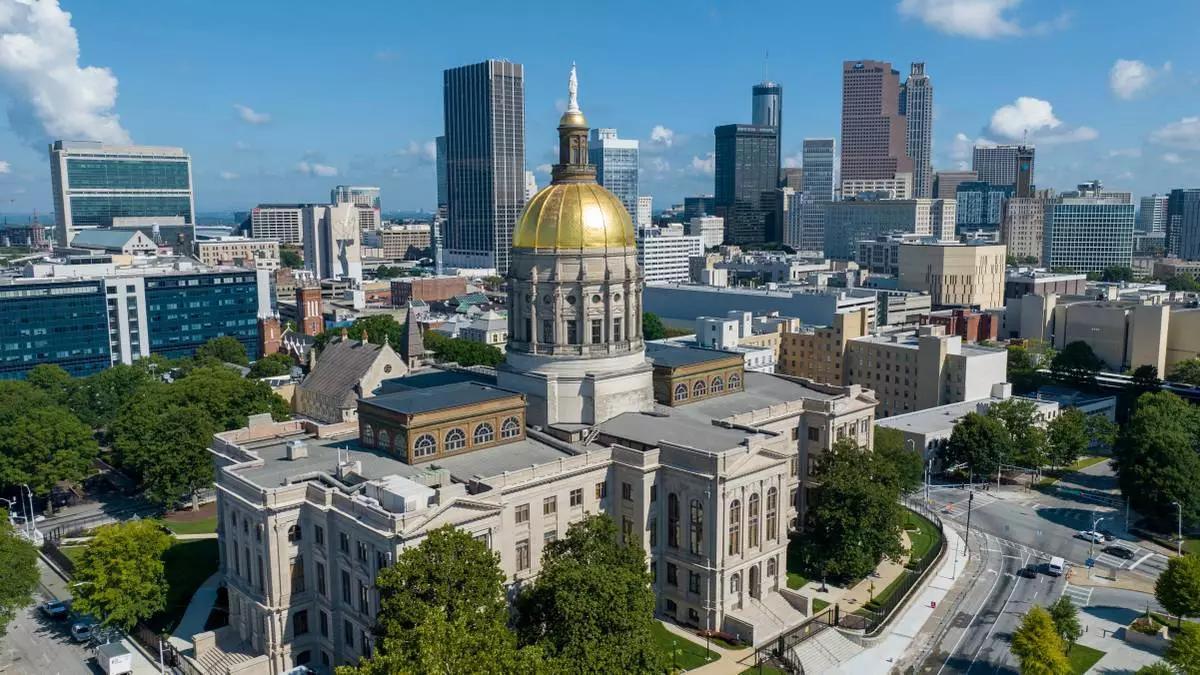
FILE - The gold dome of the Georgia Capitol gleams in the sun, Aug. 27, 2022, in front of the skyline of downtown Atlanta. (AP Photo/Steve Helber, File)
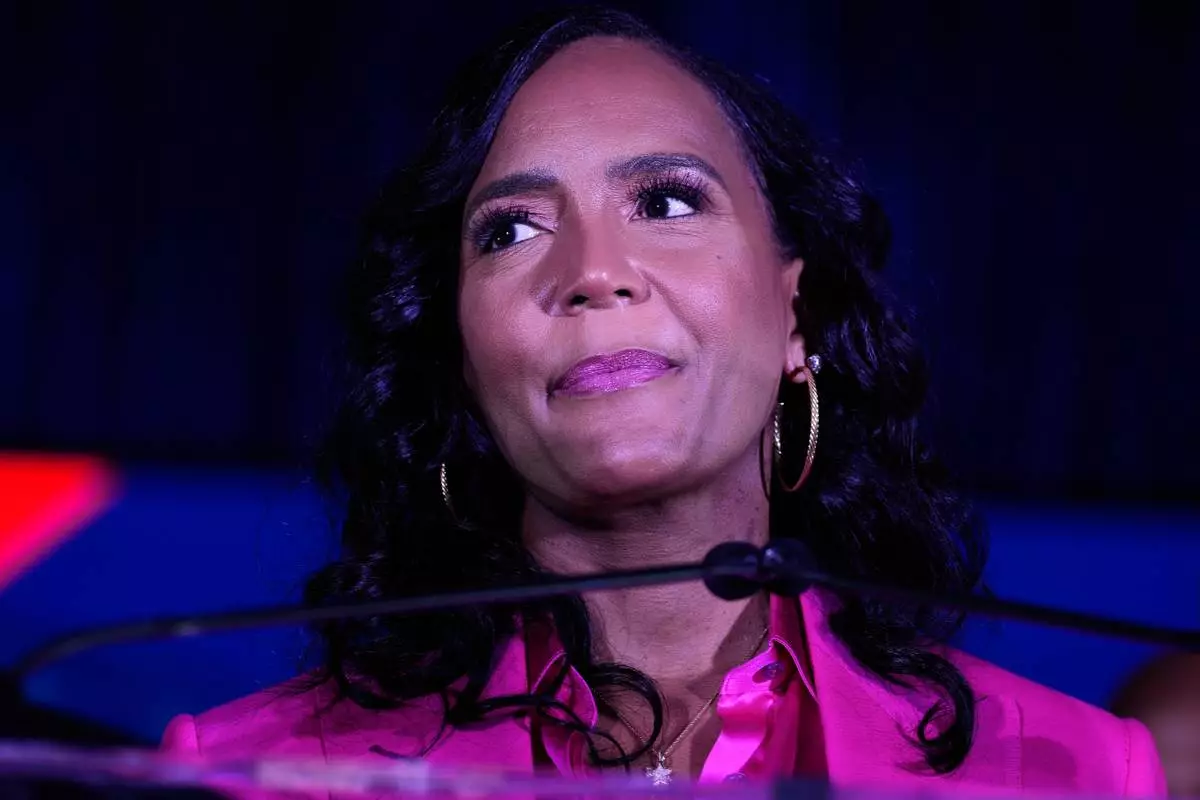
Georgia Democratic gubernatorial candidate Keisha Lance Bottoms speaks at an election night event, Tuesday, Nov. 3, 2026, in Atlanta. (AP Photo/Brynn Anderson)
BUENOS AIRES, Argentina (AP) — Pope Leo XIV met with survivors of clergy abuse on Monday during his visit to Argentina, a country that has been reckoning with the Catholic Church’s legacy of sex abuse and cover-up, including in cases in which the Argentine Pope Francis intervened.
The Vatican said Leo spent about an hour meeting individually, and then as a group, with five victims of abuse by clergy and “church institutions” who were chosen by the local church. The meeting took place before Leo left for an event at the Catholic University of Argentina.
Leo listened to their “painful stories and proposals to consolidate paths of healing in the church,” said a statement from Vatican spokesman Matteo Bruni.
Acknowledging that there were other groups of victims who had wanted to meet with Leo, “the pope expressed his closeness and desire to reinforce paths of protection, of welcome and accompaniment in the church,” it said.
Victims groups had said they wanted to meet with Leo and were denied, including a group of 43 women who allege they were subjected to human trafficking and forced labor at centers of the conservative group Opus Dei in Argentina.
Their allegations implicate senior members of Opus, some of whom have been formally accused in a criminal investigation into the women's claims. Prosecutors have requested that the members be summoned for questioning, but the judge has not ordered it. Opus has denied wrongdoing.
Given the ongoing criminal investigation, it is perhaps unlikely that Leo would have intervened by meeting with them in this case. However, in general, the American pope has followed in the footsteps of Francis and to a lesser extent Pope Benedict XVI by meeting with abuse survivors on his foreign trips, and another meeting is expected after he arrives later this week in Peru.
A victims' group, Ending Clergy Abuse, or ECA, said the Opus victims and hearing impaired survivors of abuse from a notorious school for the deaf had wanted to meet with Leo and criticized the fact that the decision on who to present to the pope was left up to Argentine church leaders.
“We profoundly respect the five people who spoke to the pope and what each one of them said,” said attorney Sergio Salinas Giordano, who represents the two groups and is director of ECA Global. He said the problem was that the Argentine hierarchy chose them — "the institution whose response to abuse is in discussion" — and that the process wasn't transparent.
Ahead of the Argentine visit, survivors had also demanded stronger action from the Vatican against those accused or convicted in criminal courts but whose fates within the church’s internal legal processes haven’t been made public.
Survivors’ groups have cited several high-profile priests convicted of serious crimes, including Julio Grassi and former Bishop Gustavo Zanchetta. Francis intervened in both cases in favor of the priests who were subsequently convicted by criminal courts.
Grassi, once a prominent figure who ran homes for orphaned children, is serving a 15-year sentence for sexually abusing a minor. Francis, who at the time was still Cardinal Jorge Mario Bergoglio and the archbishop of Buenos Aires, in 2010 commissioned a four-volume, 2,000-plus-page forensic study of Grassi’s case that concluded he was innocent, that his victims were lying and that the case never should have gone to trial.
Zanchetta, a former bishop close to Francis, was sentenced in 2022 to 4 1/2 years in prison for sexually abusing two seminarians. He was granted parole in 2025, prompting renewed demands that he be defrocked. Francis had initially rejected the accusations against Zanchetta and created a job for him at the Vatican that got him out of Argentina. The late pope eventually authorized a canonical criminal proceeding against Zanchetta in 2019, but the Vatican has not publicly announced a ruling.
The Vatican tends to not initiate canonical trials until all criminal appeals are exhausted, to not prejudge the outcomes, though it does recommend that bishops take precautionary measures during investigations such as removing priests from active ministry.
This version corrects that the meeting took place before Leo left for the university.
Associated Press religion coverage receives support through the AP’s collaboration with The Conversation US, with funding from Lilly Endowment Inc. The AP is solely responsible for this content.
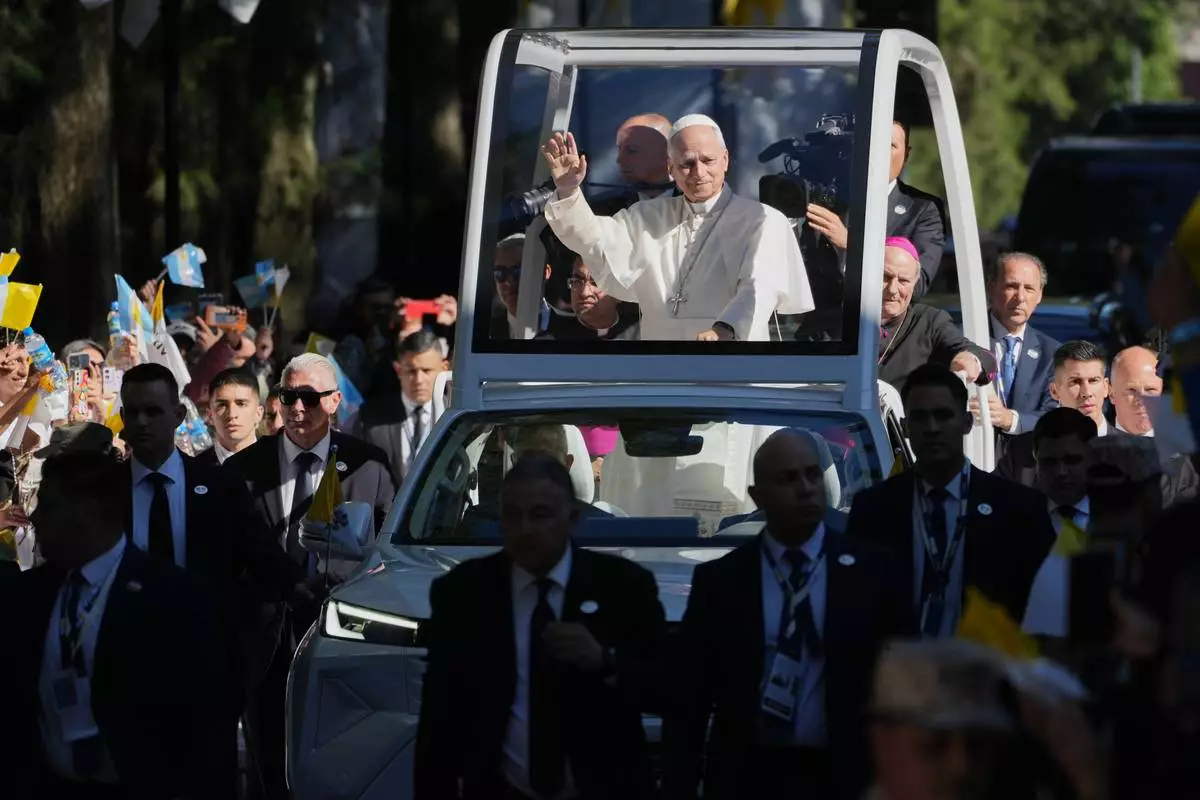
Pope Leo XIV arrives to visit the Pequeno Cottolengo Don Orione in Claypole, on the outskirts of Buenos Aires, Argentina Monday, Nov. 9, 2026. (AP Photo/Rodrigo Abd)

Pope Leo XIV arrives to preside over a Mass at Monumento de los EspaÒoles in Buenos Aires, on the fourth day of his twelve-day apostolic journey to South America, Monday, Nov. 9, 2026. (AP Photo/Andrew Medichini)
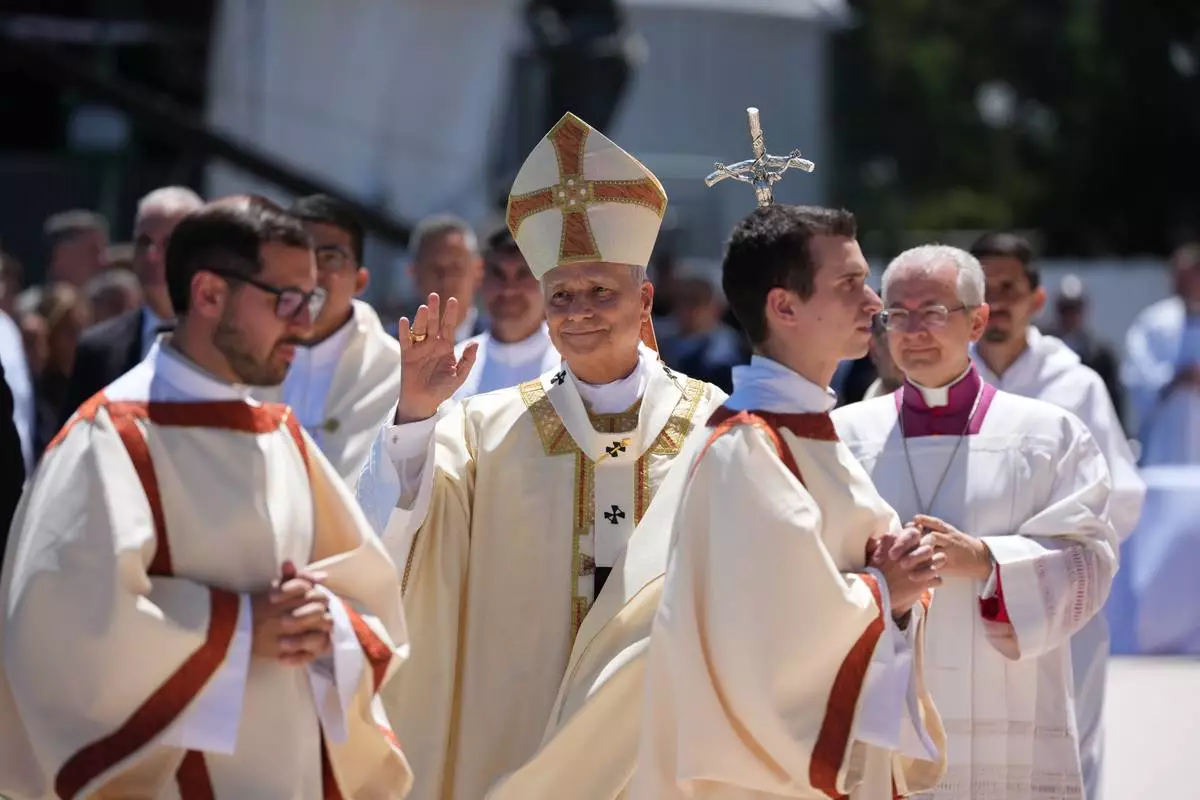
Pope Leo XIV celebrates a Mass at Monumento de los EspaÒoles in Buenos Aires, on the fourth day of his twelve-day apostolic journey to South America, Monday, Nov. 9, 2026. (AP Photo/Andrew Medichini)
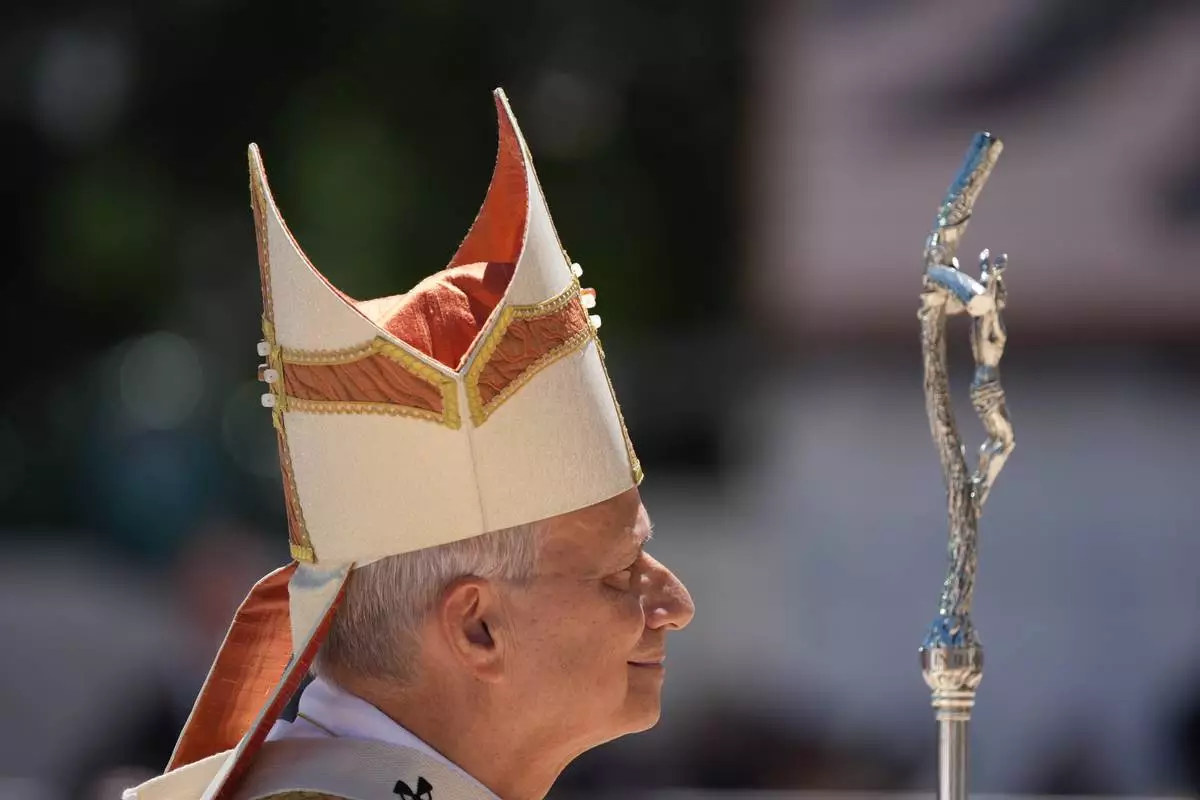
Pope Leo XIV arrives to preside over a Mass at Monumento de los EspaÒoles in Buenos Aires, on the fourth day of his twelve-day apostolic journey to South America, Monday, Nov. 9, 2026. (AP Photo/Andrew Medichini)