Sam Abbott was drafted by the Chicago White Sox and played professional baseball in Canada, Nicaragua, Australia, the Dominican Republic and United Arab Emirates before he started playing college water polo.
It was a long and winding road to The Beach.
Click to Gallery
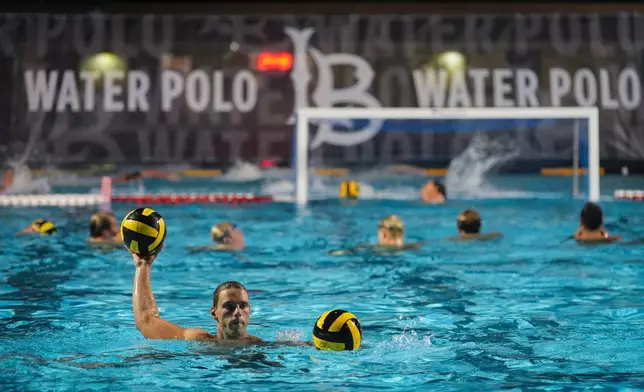
Sam Abbott, a 27-year-old defender on the Long Beach State men's water polo team, works out before a game against UC Irvine in Long Beach, Calif., Friday, Nov. 6, 2026. (AP Photo/Jae C. Hong)
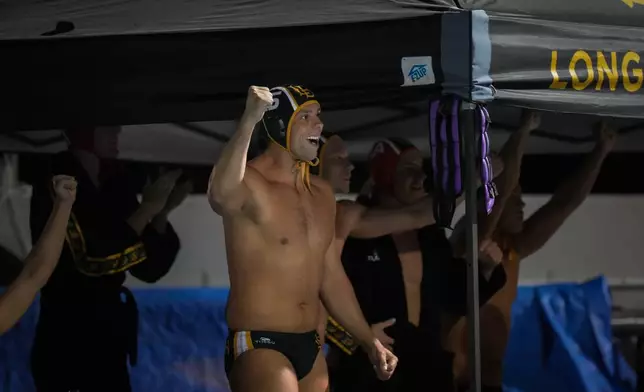
Sam Abbott, a 27-year-old defender on the Long Beach State men's water polo team, reacts to his team's goal during a game against UC Irvine in Long Beach, Calif., Friday, Nov. 6, 2026. (AP Photo/Jae C. Hong)
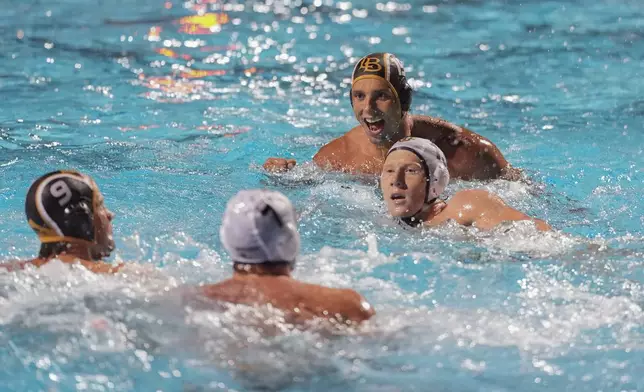
Sam Abbott, top, a 27-year-old defender on the Long Beach State men's water polo team, reacts to his team's goal during a game against UC Irvine in Long Beach, Calif., Friday, Nov. 6, 2026. (AP Photo/Jae C. Hong)
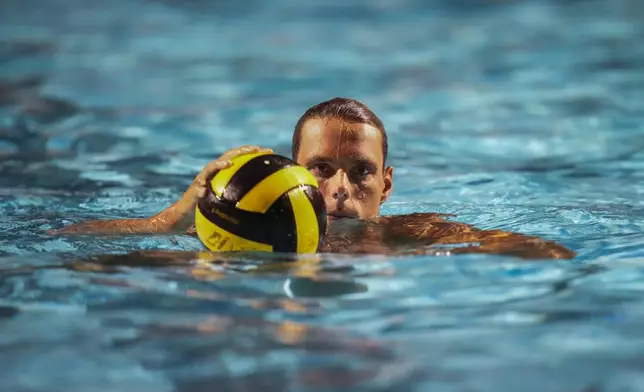
Sam Abbott, a 27-year-old defender on the Long Beach State men's water polo team, works out before a game against UC Irvine in Long Beach, Calif., Friday, Nov. 6, 2026. (AP Photo/Jae C. Hong)
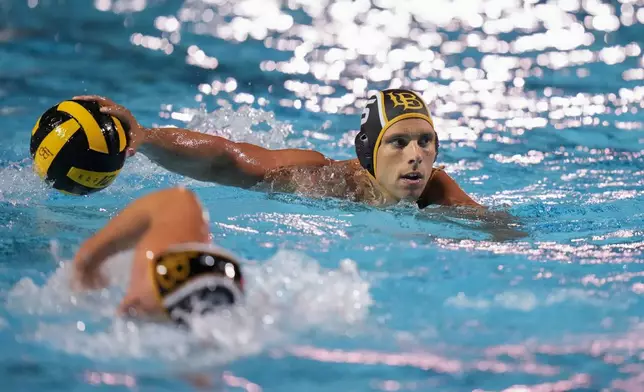
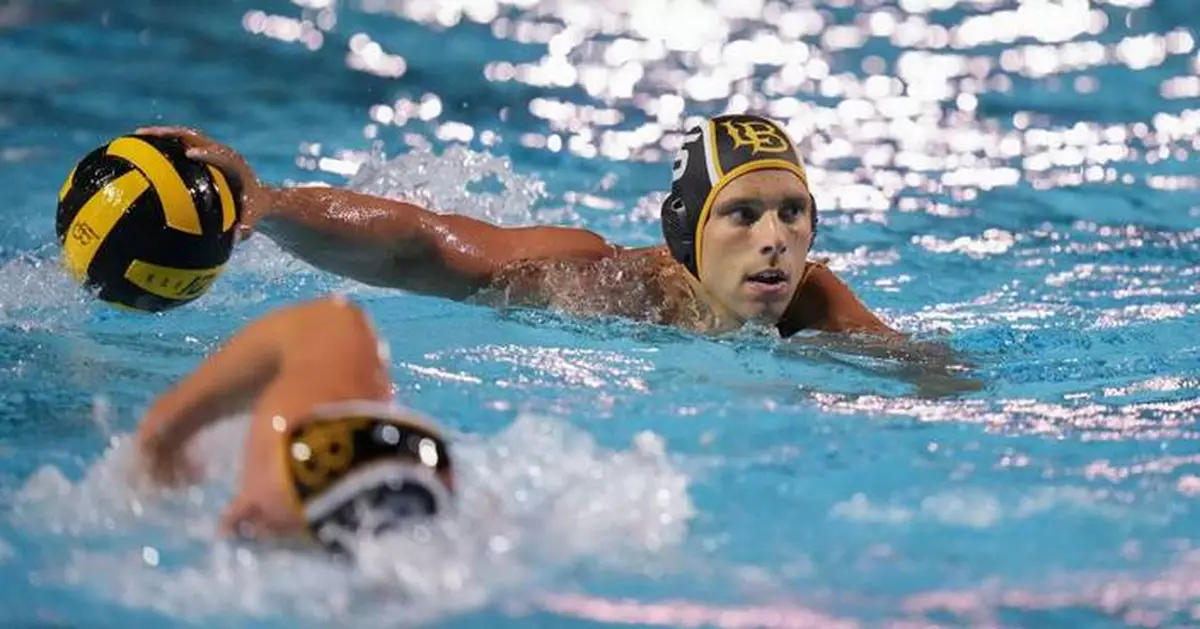
Sam Abbott, a 27-year-old defender on the Long Beach State men's water polo team, plays against UC Irvine in Long Beach, Calif., Friday, Nov. 6, 2026. (AP Photo/Jae C. Hong)
Abbott is a 27-year-old center defender on the men's water polo team at Long Beach State, reuniting with his former coach in the U.S. development program, Gavin Arroyo. The whole experience of being a freshman in college at his age — both in and out of the pool — well, even Abbott isn't quite sure what to make of the whole thing.
“The word I always kind of say is different,” Abbott said. “I don’t think it’s good or bad. I don’t think that’s a fair assessment. I think different is the way I describe it. You know I’m older than pretty much everybody. I have more experience than everybody. I’ve done different stuff. And I think that’s valuable to these guys.”
Abbott enrolled at Long Beach State in the spring, arriving just ahead of a new NCAA eligibility model for Division I athletes that allows for five seasons of competition over a five-year period that begins with their full-time enrollment or the academic year following their 19th birthday, whichever occurs first. If he had waited until the fall, he would be ineligible.
The 6-foot-4 Abbott has six goals, three assists, 10 steals and five blocks for Long Beach State, which improved to 16-8 with a 12-10 victory over UC Irvine on Friday night. He is very much a work in progress in his return to the sport, but he has impressive strength and athleticism, and Arroyo said he also brings a level of professionalism to the program.
“There’s some long-term thinking just inherent in being older and not sweating the little stuff and not being so reactive to every little thing,” Arroyo said.
Abbott comes from an athletic family. His mother, Elena, was an Olympic swimmer, and his father, Jeff, played baseball before joining the Marines out of high school. His parents met in Kuwait, and he was born in Kuwait City.
Sam Abbott swam and played baseball growing up, but he didn't start playing water polo until he was a freshman at Curtis High School in University Place, Washington. He ended up leading Curtis to two state championships in the sport.
It looked as if Abbott was on his way to play for Arroyo and Long Beach State at that point. But the first baseman hit .438 during his senior season in baseball, and he was selected by the White Sox in the eighth round of the 2017 amateur draft.
“It was a hectic time, for sure,” Abbott said. “There was a lot of going back and forth. I remember calling (Arroyo) to figure out kind of where I was at, calling all the scouts, like, ‘Hey, what are you thinking?’ and then obviously talk with my parents.”
Abbott decided to sign with the White Sox. He played in the minor leagues for four years, but never made it to the majors. After he was released following the 2021 season, he continued to play abroad.
“The grind and everything that you hear, the stories, it’s true, but like I wouldn’t trade it for anything,” Abbott said. “It was so much fun. I have a lot of good friends, now lifelong friends. I’ve been part of weddings because of the minor league experience. I've got to travel. ... I really got good life experience because of baseball.”
Abbott had some back issues toward the end of his baseball career, so he had surgery last year. That's when he started thinking more about his future — and a possible return to water polo.
He went to an open swim at his high school to check out his fitness level. After clocking an impressive time in a race during a Curtis alumni meet, he got more serious about playing again.
Arroyo, who took over Long Beach's program in 2006, had stayed in touch with Abbott over the years. The coach said he always left the door open for him, and their relationship and Abbott's desire to honor his previous commitment played a major role in his decision to play for the school.
“Everything kind of came full circle,” said Abbott, a finance major. “And so I was like, ‘Hey, this is maybe where I should be.’ Everything happens for a reason. Obviously being an old guy, trying to help the young guys out as they experience college and becoming an adult. So hopefully kind of be that extra person to kind of help them along.”
See AP’s full sports coverage here
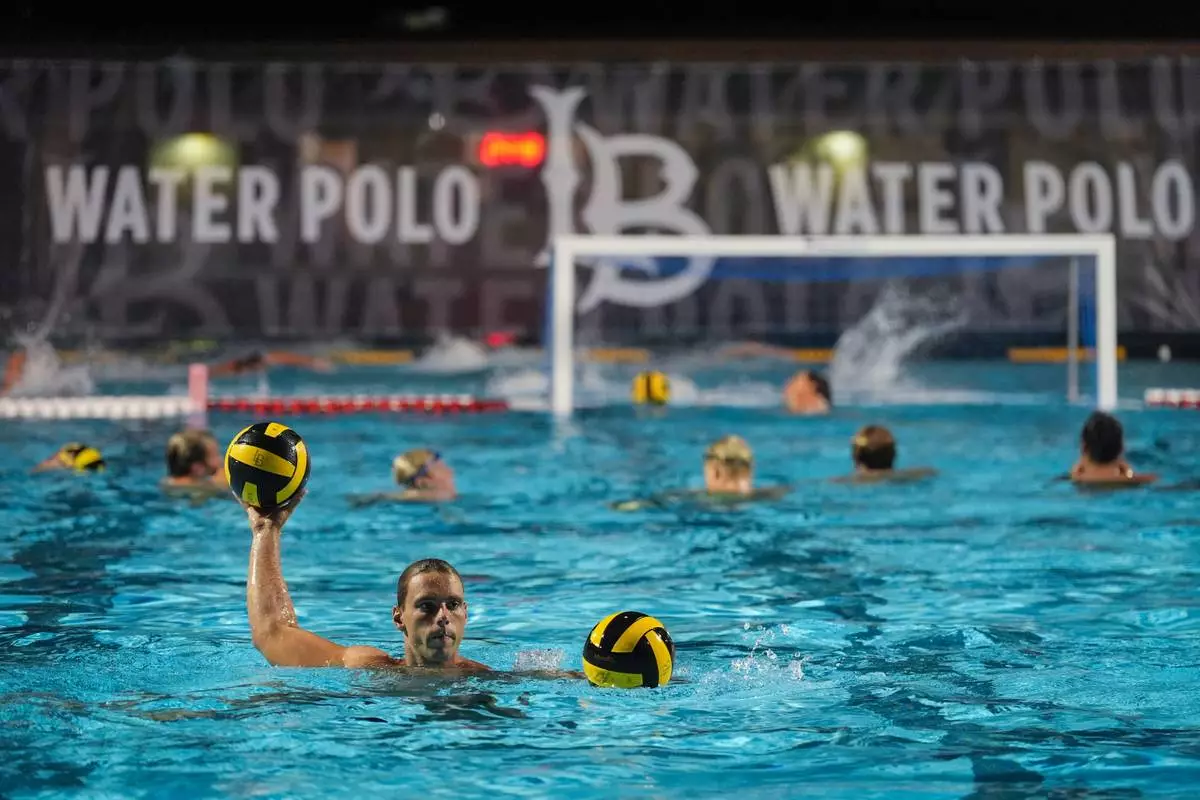
Sam Abbott, a 27-year-old defender on the Long Beach State men's water polo team, works out before a game against UC Irvine in Long Beach, Calif., Friday, Nov. 6, 2026. (AP Photo/Jae C. Hong)
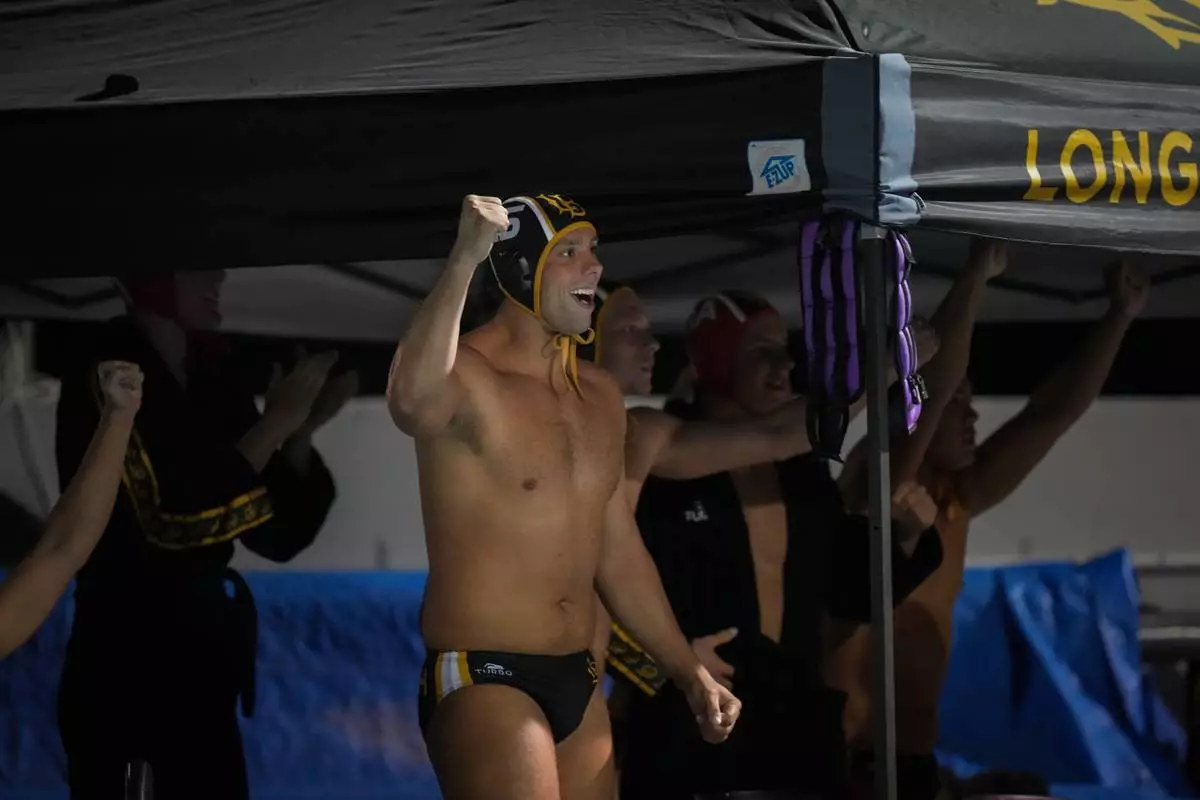
Sam Abbott, a 27-year-old defender on the Long Beach State men's water polo team, reacts to his team's goal during a game against UC Irvine in Long Beach, Calif., Friday, Nov. 6, 2026. (AP Photo/Jae C. Hong)
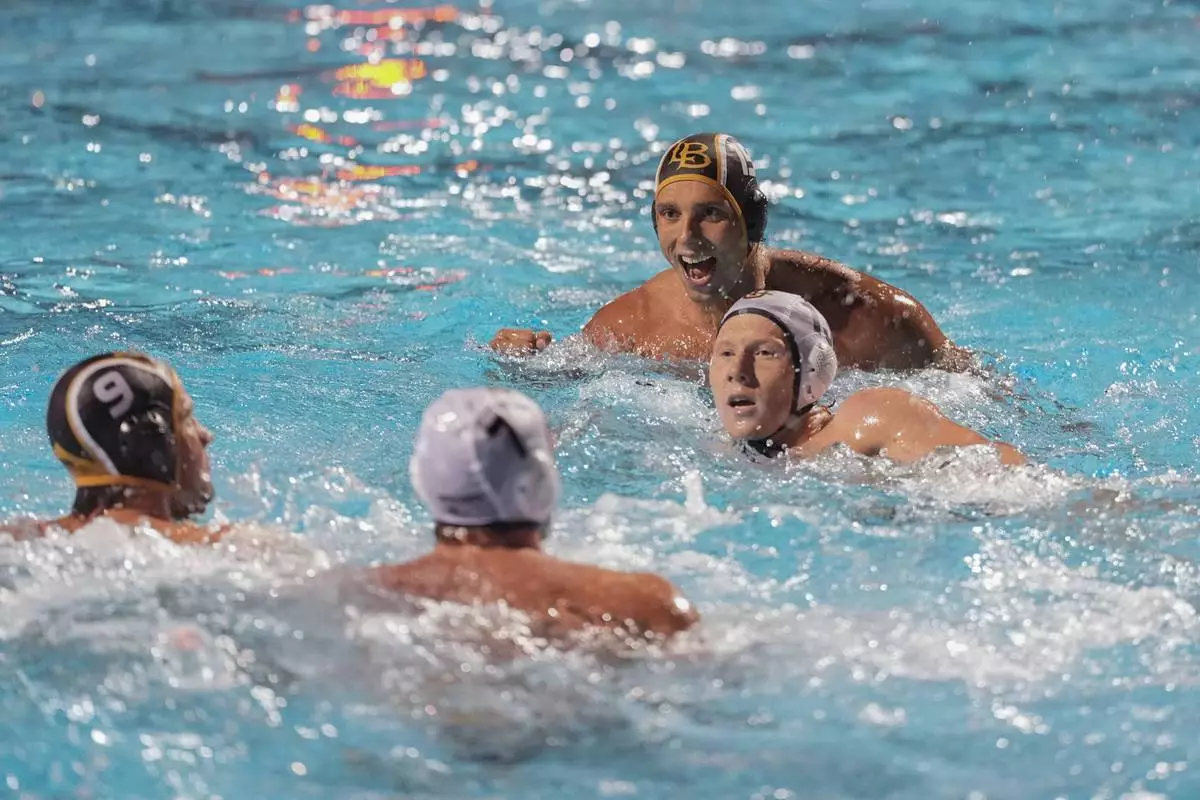
Sam Abbott, top, a 27-year-old defender on the Long Beach State men's water polo team, reacts to his team's goal during a game against UC Irvine in Long Beach, Calif., Friday, Nov. 6, 2026. (AP Photo/Jae C. Hong)
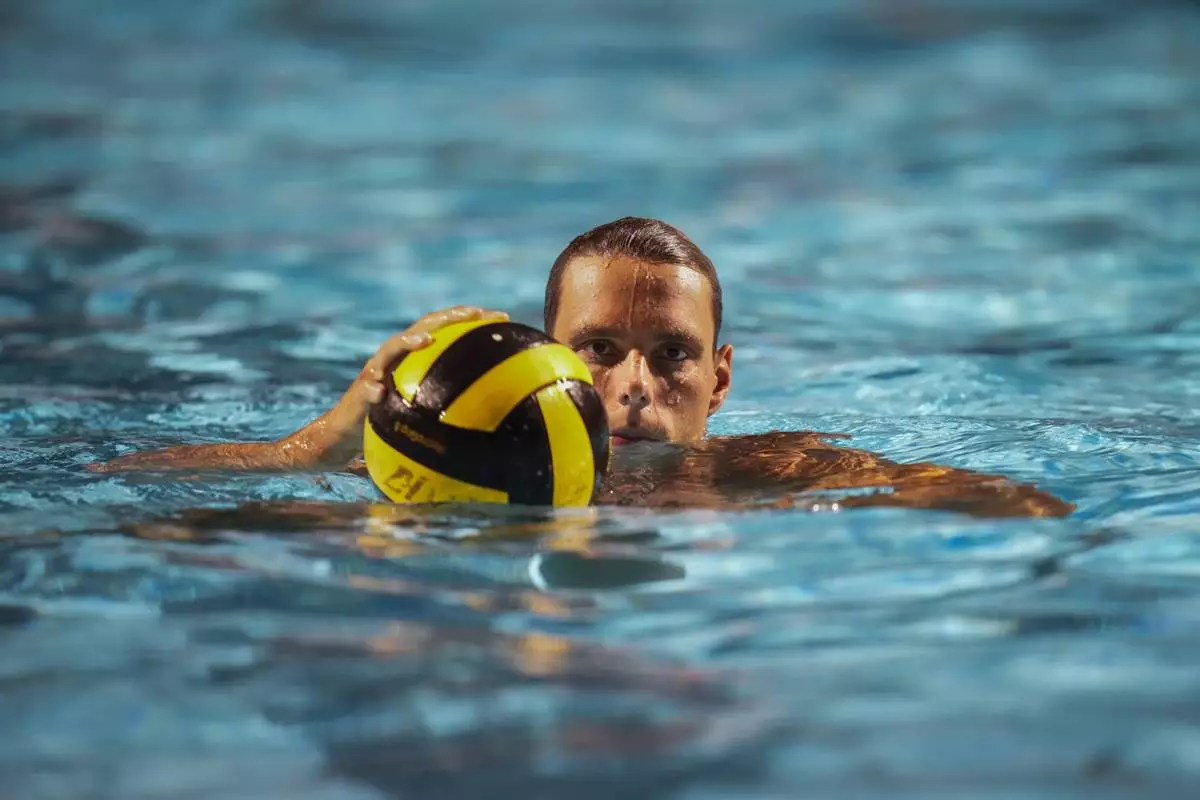
Sam Abbott, a 27-year-old defender on the Long Beach State men's water polo team, works out before a game against UC Irvine in Long Beach, Calif., Friday, Nov. 6, 2026. (AP Photo/Jae C. Hong)
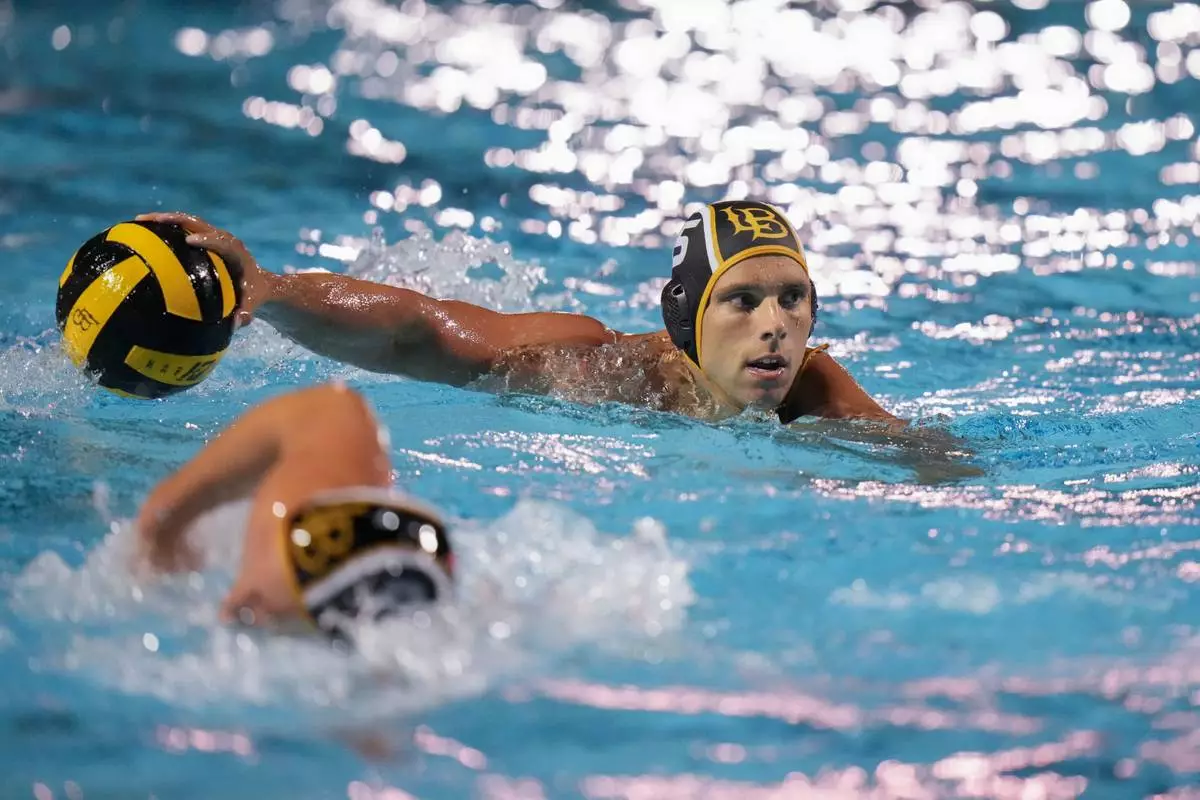
Sam Abbott, a 27-year-old defender on the Long Beach State men's water polo team, plays against UC Irvine in Long Beach, Calif., Friday, Nov. 6, 2026. (AP Photo/Jae C. Hong)