Skip to Content Facebook Feature Image

Ireland faces pressure to stop sending Russia an ingredient vital to its war on Ukraine

News

Ireland faces pressure to stop sending Russia an ingredient vital to its war on Ukraine
News

News

Ireland faces pressure to stop sending Russia an ingredient vital to its war on Ukraine

2026-11-12 13:51 Last Updated At:14:49

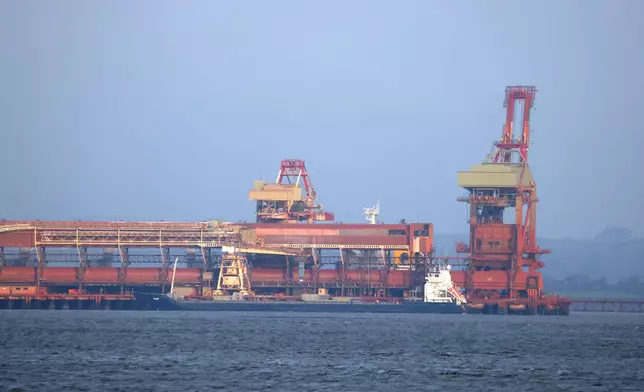
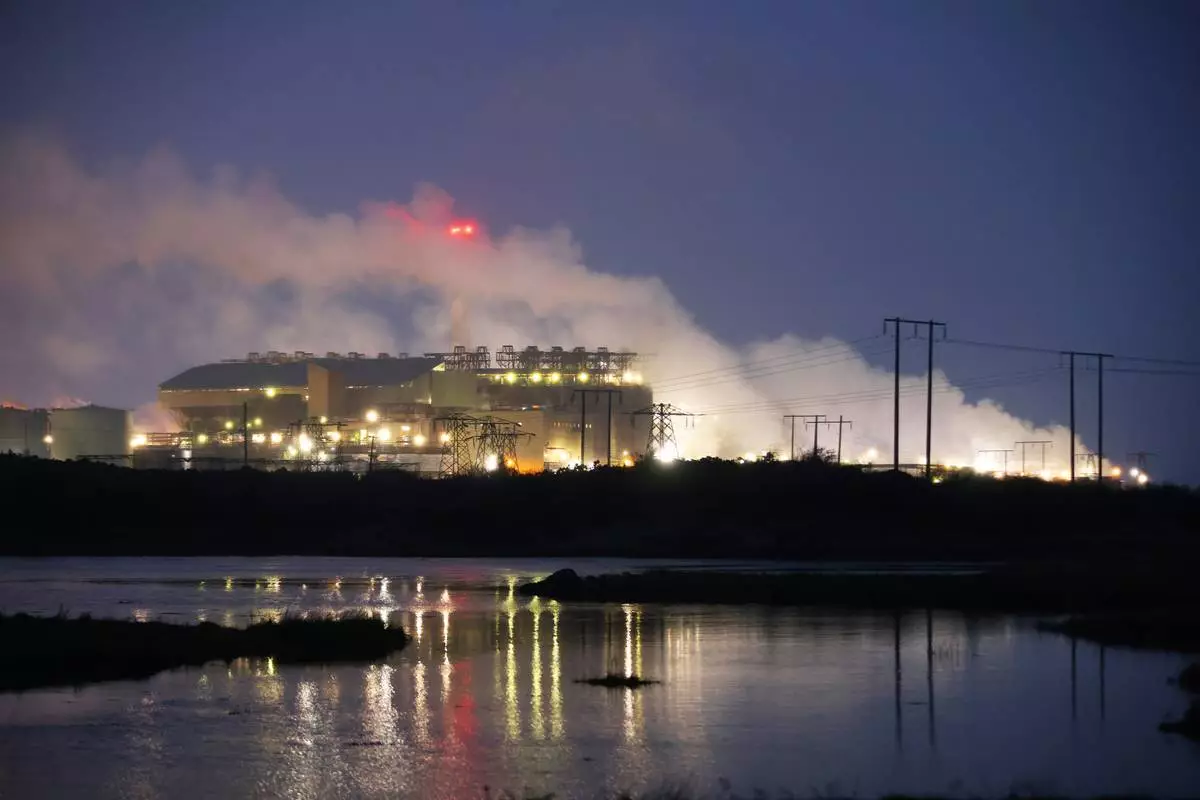
AUGHINISH, Ireland (AP) — The Karin, a 400-foot-long (120-meter-long) cargo ship, sat moored this week on Ireland’s boggy River Shannon estuary. Soon it set sail for Russia laden with a white powder that can be forged into weapons vital to Moscow’s war on Ukraine.

Alumina, a key ingredient in aluminum, goes into everything from toothpaste and lipstick to missiles and drones. A Russian-owned plant in southern Ireland is Europe’s biggest alumina refinery and regularly sends shiploads of the substance directly to St. Petersburg and other Russian ports.

More Images
The Karin cargo ship bound for Russia at a jetty at Aughinish refinery in Aughinish, Ireland, Wednesday, Nov. 11, 2026. (AP Photo/Peter Morrison)
The Karin cargo ship bound for Russia at a jetty at Aughinish refinery in Aughinish, Ireland, Wednesday, Nov. 11, 2026. (AP Photo/Peter Morrison)

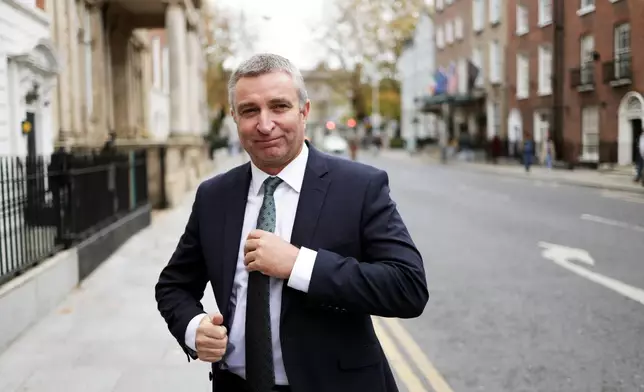
Niall Collins, Minister of State at the Department of Agriculture, Food and the Marine speaks to the Associated Press in Dublin, Tuesday, Nov. 10, 2026. (AP Photo/Peter Morrison)
Niall Collins, Minister of State at the Department of Agriculture, Food and the Marine speaks to the Associated Press in Dublin, Tuesday, Nov. 10, 2026. (AP Photo/Peter Morrison)

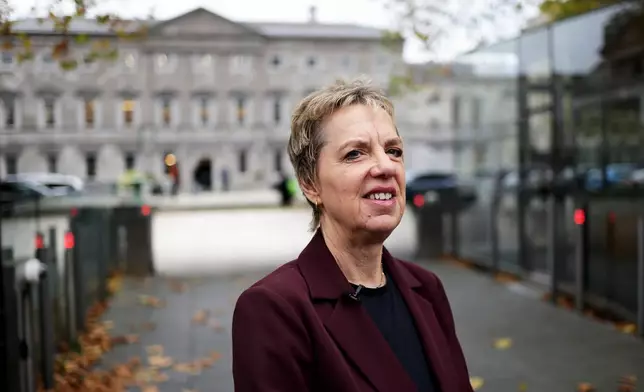
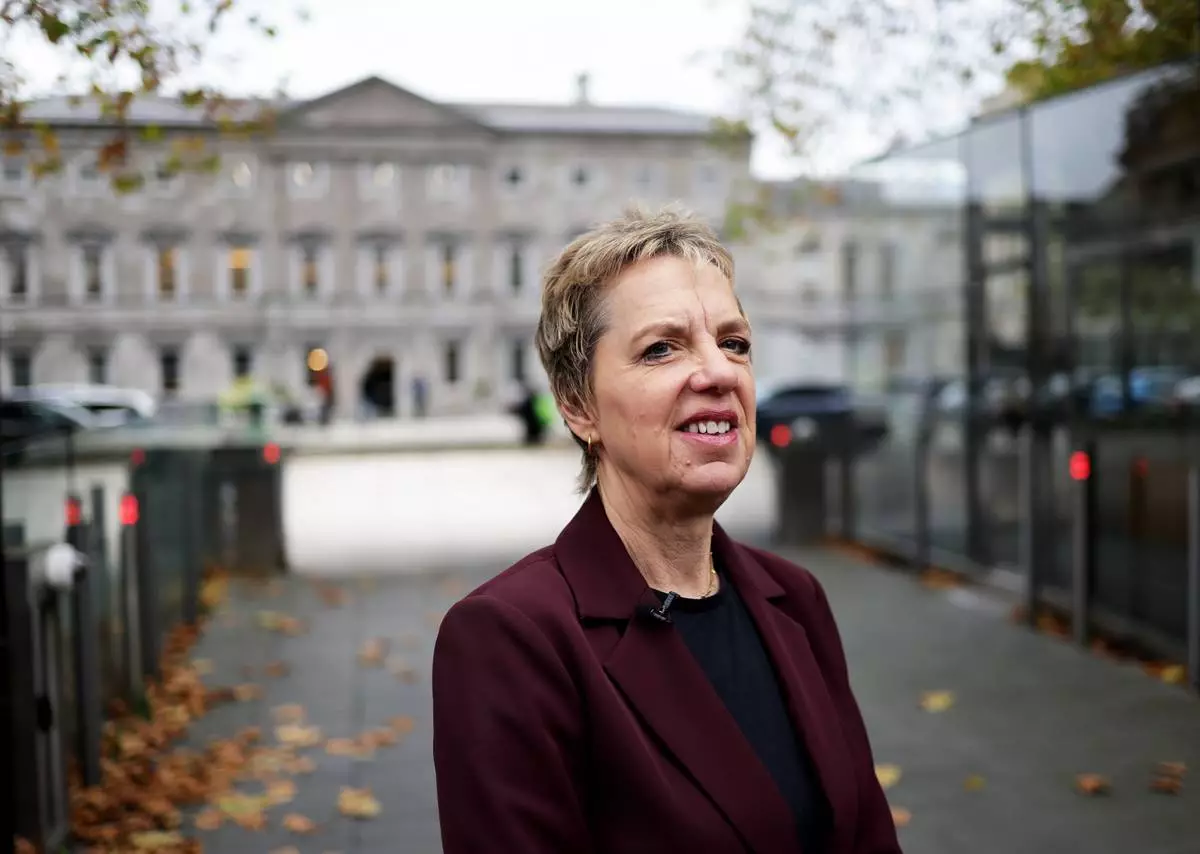
Ivana Bacik, leader of the Labour Party speaks to the Associated Press outside Leinster House, Dublin, Tuesday, Nov. 10, 2026. (AP Photo/Peter Morrison)
Ivana Bacik, leader of the Labour Party speaks to the Associated Press outside Leinster House, Dublin, Tuesday, Nov. 10, 2026. (AP Photo/Peter Morrison)

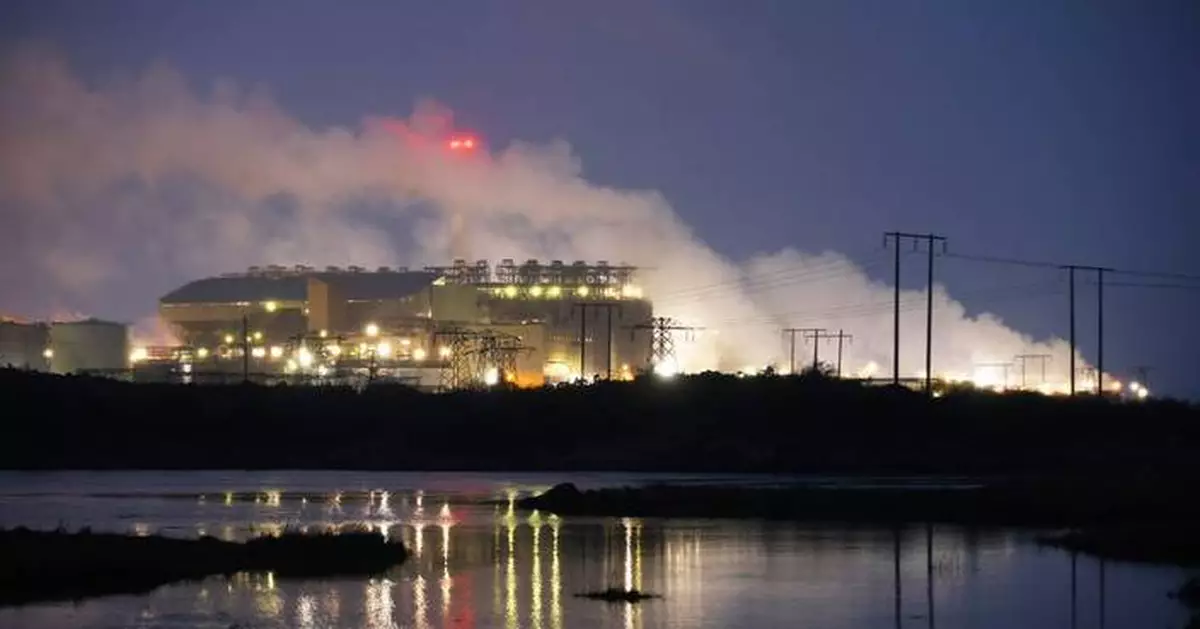
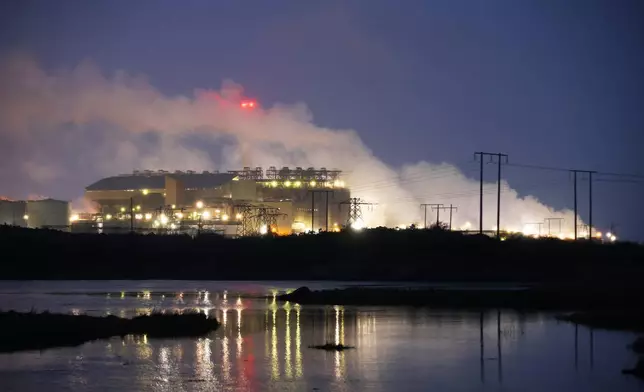
The Aughinish refinery in Aughinish, Ireland, Tuesday, Nov. 10, 2026. (AP Photo/Peter Morrison)

The Aughinish refinery in Aughinish, Ireland, Tuesday, Nov. 10, 2026. (AP Photo/Peter Morrison)

Almost five years into Moscow’s full-scale invasion of Ukraine, alumina has escaped European sanctions intended to hobble Russia’s economy. That leaves the refinery in Aughinish free to send its product to Russia, where some ends up in weapons, experts say.

“The material is clearly ending up in military supplies,” said Irish lawmaker Ivana Bacik, who leads the opposition Labour Party. “It would be unthinkable for Ireland to be contributing, even in that indirect way, to Putin’s war machine.”

Ireland is facing calls to stop the shipments as dozens of European leaders gather in Dublin this week to discuss support for Ukraine. A summit of the 47-nation European Political Community on Thursday is being followed by a meeting of European Union leaders.

Irish government minister Niall Collins told The Associated Press that “there’s absolutely no evidence” the material is ending up in military supply chains, though the government has declined to make public the findings of its investigation into the alumina shipments.

Aughinish Alumina said in a statement its product “has no connection to the Russian military supply chain” and that it hired an independent company to provide monthly audits to Irish authorities for “enhanced traceability.”

Alumina is a chemical compound refined from bauxite, a red ore mined primarily in Guinea, Australia and China. The chalky white substance can be smelted into aluminum, which is then forged with other, rarer elements to make strong, heat-resistant and flexible alloys used in missiles and aircraft; aluminum is also used in the manufacture of rocket fuel and explosives.

The Aughinish plant in County Limerick was built in the 1970s and bought in 2007 by Rusal, a Russian aluminum producer. The company was founded, and is still part-owned, by Oleg Deripaska, a sanctioned oligarch with ties to Russian President Vladimir Putin. Rusal makes virtually all of Russia's aluminum, according to the U.S. and Australian governments.

While many cargo ships leave Aughinish bound for Europe and beyond, a steady stream of them heads straight to the port of St. Petersburg, according to data from MarineTraffic analyzed by AP.

The activist group Alumina 22, which is lobbying to sanction the trade in alumina to Russia, estimated that between March and October some 491,307 metric tons of alumina from Ireland was shipped to Russia.

These shipments have grown in importance. Since Russia’s full-scale invasion of Ukraine in 2022, two alumina factories — one in Australia, the other in Ukraine — stopped exporting to Russia, crimping its supplies by about 40%, according to a 2026 report by the Economic Security Council of Ukraine, or ESCU.

Roughly 17% of Rusal's alumina supply now comes from Ireland, according to ESCU.

An investigation by the Organized Crime and Corruption Reporting Project and the Irish Times published earlier this year found that alumina from Aughinish is smelted in Russia into aluminum, with some of it sold to a metals trading company that supplies Russian defense contractors.

“Virtually everything that comes from Rusal is with a high probability ending up in the hands of Russian military enterprises,” said Olena Yurchenko, director of analytics, research and investigations at the ESCU.

Standing next to Irish Prime Minister Micheál Martin in Dublin in June, Ukraine’s President Volodymyr Zelenskyy said “Unfortunately, there are companies in Europe that are owned or effectively controlled by Russia and its sanctioned oligarchs. They keep supplying the aggressor with essential materials, even now.”

Martin acknowledged that “we do not want to be in a position where material emanating from a plant in Ireland goes to support the Russian war machine.”

Ireland has not found evidence that is happening — but also no proof it isn’t, said Enterprise Minister Peter Burke, who is in charge of the country's sanctions enforcement. He said in July it had been impossible to prove Rusal’s assertion that alumina from Ireland is only used to make aluminum for export from Russia.

The Irish government hasn't published its findings, but it handed them to the European Commission, which drafts EU sanctions packages.

EU sanctions envoy David O’Sullivan said there is little doubt that “the alumina goes to smelters in Russia who produce stuff which undoubtedly goes at least in part to the military-industrial complex.”

“I’ve read the government report. Personally, I think there’s no doubt the investigative journalists got it right,” he said last month in Dublin at a meeting organized by the Institute of International and European Affairs.

The European Parliament in July passed a non-binding motion calling for a ban on alumina exports to Russia. But alumina was not included in the EU’s 21st sanctions package against Russia that month. The EU’s executive European Commission, which draws up sanctions packages, is now sounding out member nations about the Irish alumina exports. Sanctions must be agreed upon unanimously by the bloc's 27 countries.

A commission spokesperson said in July that the bloc’s sanctions policy was “a delicate balance” between thwarting Russia’s war effort and limiting “negative impacts” on EU member nations, “especially considering that alumina is a critical raw material.”

Supporters of the plant point to the hundreds of jobs it provides, and to its role as a key source of alumina for European countries. Keeping supply lines open is especially important because of the chokehold on cargo traffic through the Strait of Hormuz caused by the U.S.-Israeli war with Iran.

Collins, who represents County Limerick in Ireland's parliament, said Ireland has been "hugely resolute in our support for the Ukrainians, and Ukraine hasn’t provided any evidence that Aughinish is doing anything adverse."

Opposition politicians remain skeptical. Bacik's left-of-center Labour Party supports a temporary nationalization of the refinery, similar to when Ireland seized banks in the wake of the 2008 financial crisis. She says the refinery can ban exports to Russia and find other eager customers in Europe.

“We need to see much stronger action being taken on this from other EU countries if the Irish government isn’t willing to do the right thing here,” she said.

In Foynes, the wind-swept port town beside the plant, many work at Aughinish or know someone who does. But some locals have mixed feelings.

“It's too big a business for them to close it down,” said retired docker Joe Hanlon. “Too much employment for the government to get involved.”

But he said “of course they should,” if Ireland wants “to stop the war on Ukraine.”

Associated Press writers M. Reo in Washington and Larry Fenn in New York contributed to this report.
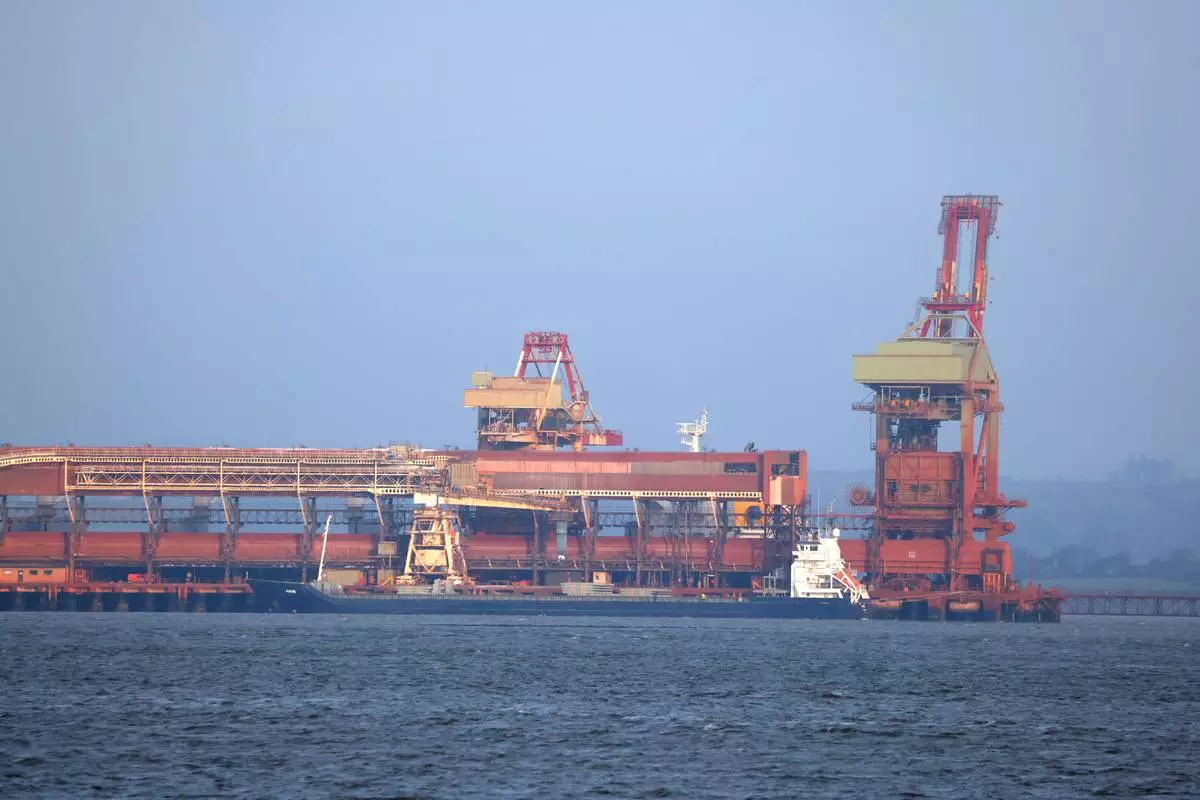
The Karin cargo ship bound for Russia at a jetty at Aughinish refinery in Aughinish, Ireland, Wednesday, Nov. 11, 2026. (AP Photo/Peter Morrison)

The Karin cargo ship bound for Russia at a jetty at Aughinish refinery in Aughinish, Ireland, Wednesday, Nov. 11, 2026. (AP Photo/Peter Morrison)

Niall Collins, Minister of State at the Department of Agriculture, Food and the Marine speaks to the Associated Press in Dublin, Tuesday, Nov. 10, 2026. (AP Photo/Peter Morrison)
Niall Collins, Minister of State at the Department of Agriculture, Food and the Marine speaks to the Associated Press in Dublin, Tuesday, Nov. 10, 2026. (AP Photo/Peter Morrison)

Ivana Bacik, leader of the Labour Party speaks to the Associated Press outside Leinster House, Dublin, Tuesday, Nov. 10, 2026. (AP Photo/Peter Morrison)
Ivana Bacik, leader of the Labour Party speaks to the Associated Press outside Leinster House, Dublin, Tuesday, Nov. 10, 2026. (AP Photo/Peter Morrison)

The Aughinish refinery in Aughinish, Ireland, Tuesday, Nov. 10, 2026. (AP Photo/Peter Morrison)

The Aughinish refinery in Aughinish, Ireland, Tuesday, Nov. 10, 2026. (AP Photo/Peter Morrison)
KYIV, Ukraine (AP) — Matvii Yermolenko is 2, but he already knows the words for siren and air defense. This winter, his mother decided to take him out of Kyiv.

“There is sadness, but even stronger is the understanding of what I have to do — leave,” Matvii’s mother, Kateryna Tsvihun, said, adding that they will come back in spring. “I cannot live without Kyiv and Ukraine. I am rooted here, my child is Ukrainian, and my husband is fighting for this.”

Ukrainians are bracing for what many expect to be the hardest winter of the war. Last year, heating disruptions left thousands of people in freezing apartments in Kyiv. Now, officials and analysts say, the badly damaged energy system is increasingly struggling to withstand attacks, putting the country’s resilience to another test. With no end to the war in sight, many people are thinking only about getting through the coming months.

Kyiv is already under strain. Since Aug. 22, not a single day has passed in the capital without an air raid threat, often followed by drone attacks during the day and missiles at night. Some residents have moved to other parts of the country or abroad for the winter. While it's impossible to calculate how many people left the capital, changes in the rental market offer a possible clue.

“In September, we saw that the number of flats available to rent was increasing in Kyiv, whilst it was decreasing in a number of western cities," Liudmyla Kiriukhina, the head of the statistics department at LUN, a Ukrainian real estate platform, said. “This could have indicated that tenants were moving from the capital to the west of the country.”

Exploiting its advantage in jet-powered drones and ballistic missiles, Russia has expanded its targets in the city to include gas stations, data centers, warehouses, big-box stores and bridges that are crucial for civilian transport in a city divided by the Dnipro River. Electricity disruptions have caused problems on the subway, Kyiv’s main transport artery, while water supply issues are increasingly common. Some residents have also criticized local authorities' winter preparations.

But leaving costs money, and many more are staying, stocking up on power banks, water containers and portable gas stoves.

Kateryna Tsvihun, 41, found last winter very difficult. She could not bear the thought of her son going through more power outages, let alone possibly losing heating as well. So she told her husband, a soldier since 2022, that she wanted to spend this winter elsewhere.

She could not find a suitable option in Ukraine, but a Facebook group for mothers who like to travel led her to one in Albania.

“The birth of a child is the ultimate game-changer,” she said. “Before, no matter how scared I was, I stayed in Kyiv and did not even think about leaving.”

Russia recently struck an area near a subway station where she and Matvii often go for walks. “It’s a bit scary to stay,” she said. “But it’s still our home, so we will come back this spring.”

She gave her portable power station, power banks and rechargeable lamps to relatives staying in the capital. For the trip, she bought a large, light-blue suitcase, packing only with practical things and a few of Matvii’s small toys.

“I see it as an opportunity to exhale, because the tiredness and pressure have been piling up over these years of war, the lonely waiting for my husband, and the attacks,” she said.

Ukraine’s Energy Ministry said Wednesday that Russia had continued to attack power generation facilities and substations. “Attacks on the energy sector are not stopping,” it said in a statement.

“The situation in Kyiv is especially difficult right now: People and businesses are facing many hours of electricity and water outages,” President Volodymyr Zelenskyy said. Repeated strikes and constant air raid alerts are making repairs take much longer, he said.

“This winter could be just as hard, or even harder than the last one,” Andrii Tkachov, acting head of the Kyiv City Military Administration, said. “The enemy will keep striking critical infrastructure and trying to disrupt residents’ heating and water supply.”

He said Russia's aim is to create a crisis and humanitarian and social tensions in the capital, Ukraine's most populous city and the seat of its main state institutions.

“The enemy understands that attacks on Kyiv will affect the morale of the entire country. The main goal is to break Kyiv,” Tkachov said. “But, as we say, Kyiv rests on three pillars: air defense, our utility and energy workers, and the self-organization of its residents.”

As of Nov. 1, the number of active rental listings in Kyiv had risen by 87% compared with Aug. 1, according to LUN. In September, the number of flats offered for rent during the month rose in Kyiv but fell in several western cities, including Uzhhorod, Lviv, Chernivtsi and Ivano-Frankivsk. According to LUN, this could point to tenants moving west from the capital, but more time was needed to study the changes.

Kateryna Tymoshenko, 39, brought her two children to an Oct. 17 rally demanding the resignation of Kyiv Mayor Vitalii Klitschko. Civic groups, activists and veterans organized the protest, accusing city authorities of poor winter preparation, a shortage of shelters, corruption and misuse of budget funds. Klitschko has called the criticism and the rally part of a campaign to discredit him.

“His direct call was to leave. … I don’t have the money to leave,” Tymoshenko said in response to the mayor’s call earlier in October.

She considered moving to central or western Ukraine, but high demand has driven up prices, and she could not find affordable housing. Her husband is also at the front, so the winter preparations fell on her shoulders.

“I expect it to be worse than it was, precisely because of the psychological state,” she said. “I hope there will at least be heating and sewage.” Otherwise, she said, even people like her ready for harsh conditions would consider leaving.

Tymoshenko has power banks, and the family has already moved to a first-floor apartment.

“Everything depends on our partners,” she said. “Despite the resilience of our people, I am ready to endure for as long as possible. But we have no money, we have no weapons, we have no Patriots (anti-missile batteries). So we are forced to explain, to beg, to plead.”

“Well, this is the life we have,” she said. “We didn’t choose it.”

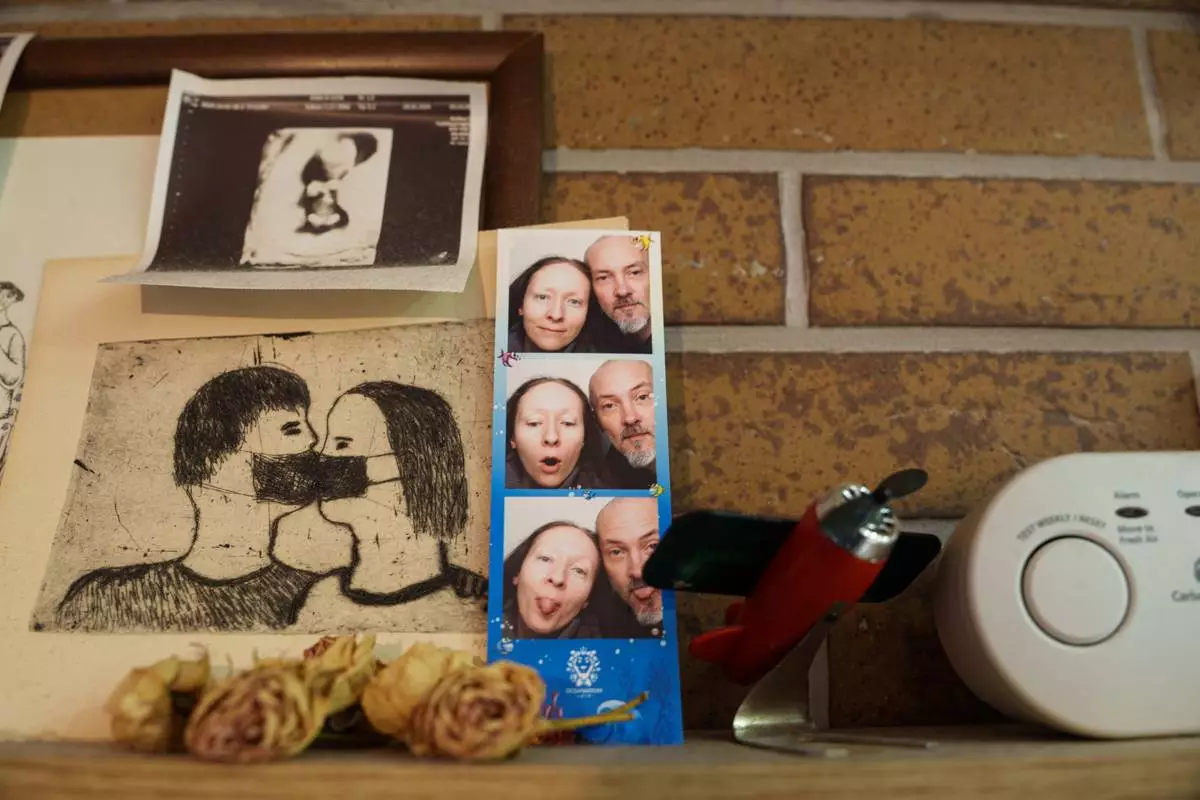
A photo strip of Kateryna Tsvihun, 41, and her husband, Serhii Yermolenko, is displayed on a shelf in their apartment in Kyiv, Ukraine, Oct. 22, 2026. (AP Photo/Evgeniy Maloletka)

A photo strip of Kateryna Tsvihun, 41, and her husband, Serhii Yermolenko, is displayed on a shelf in their apartment in Kyiv, Ukraine, Oct. 22, 2026. (AP Photo/Evgeniy Maloletka)

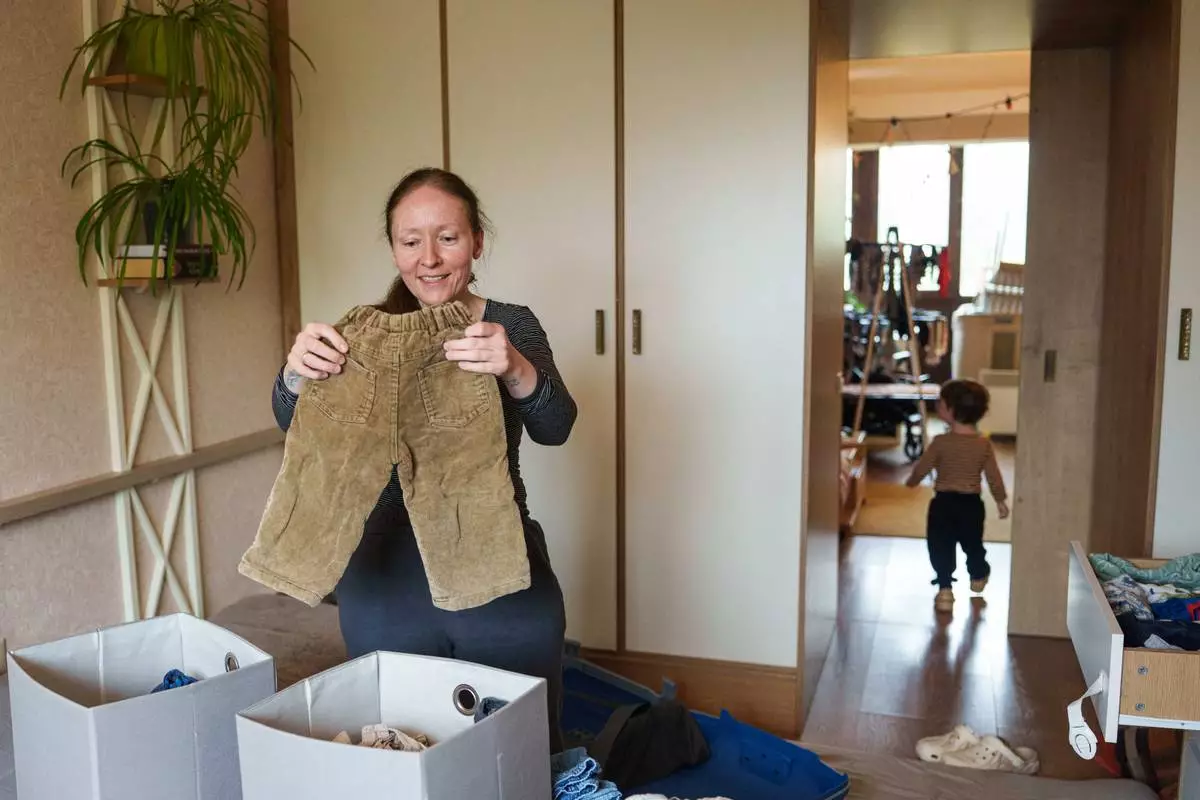
Kateryna Tsvihun, 41, gathers children's clothes in her apartment in Kyiv, Ukraine, Oct. 22, 2026. (AP Photo/Evgeniy Maloletka)

Kateryna Tsvihun, 41, gathers children's clothes in her apartment in Kyiv, Ukraine, Oct. 22, 2026. (AP Photo/Evgeniy Maloletka)

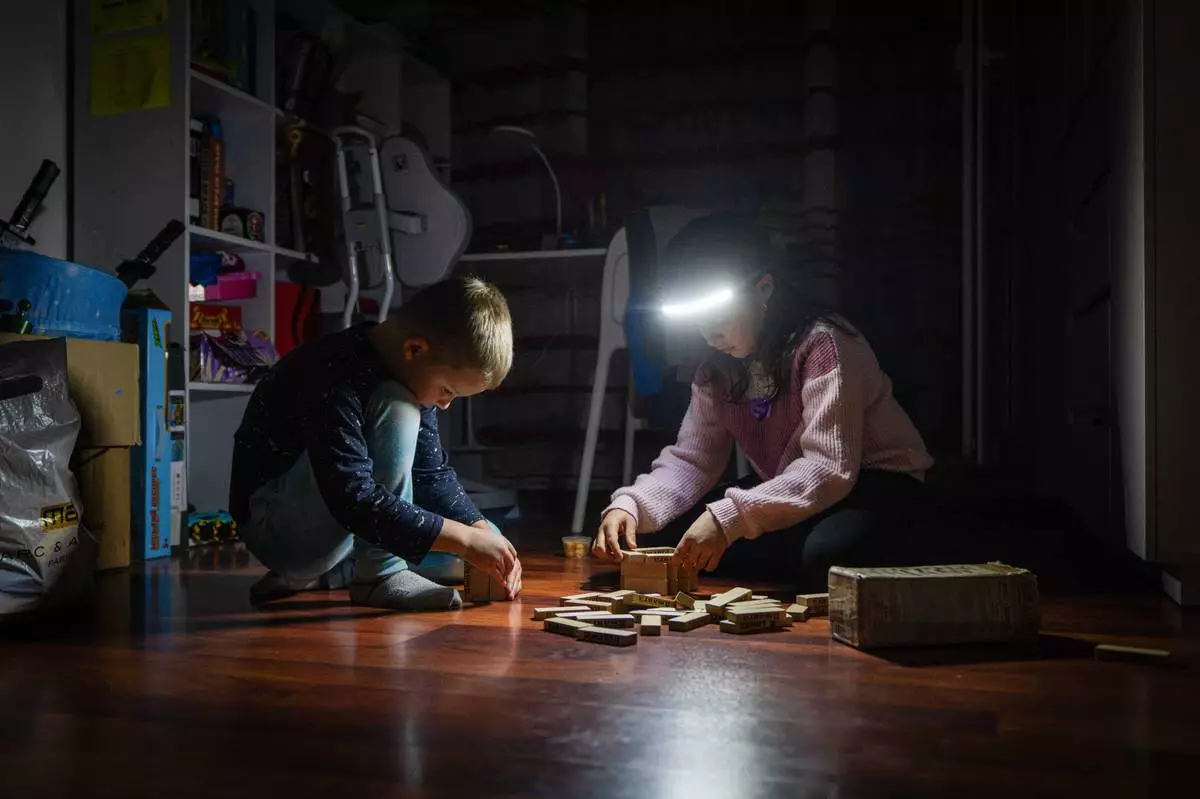
Andrii Tymoshenko, left, and Polina Tymoshenko stack wooden blocks on the floor by the light of Polina's headlamp during a blackout caused by Russian strikes on energy infrastructure in Kyiv, Ukraine, Monday, Nov. 9, 2026. (AP Photo/Dan Bashakov)

Andrii Tymoshenko, left, and Polina Tymoshenko stack wooden blocks on the floor by the light of Polina's headlamp during a blackout caused by Russian strikes on energy infrastructure in Kyiv, Ukraine, Monday, Nov. 9, 2026. (AP Photo/Dan Bashakov)

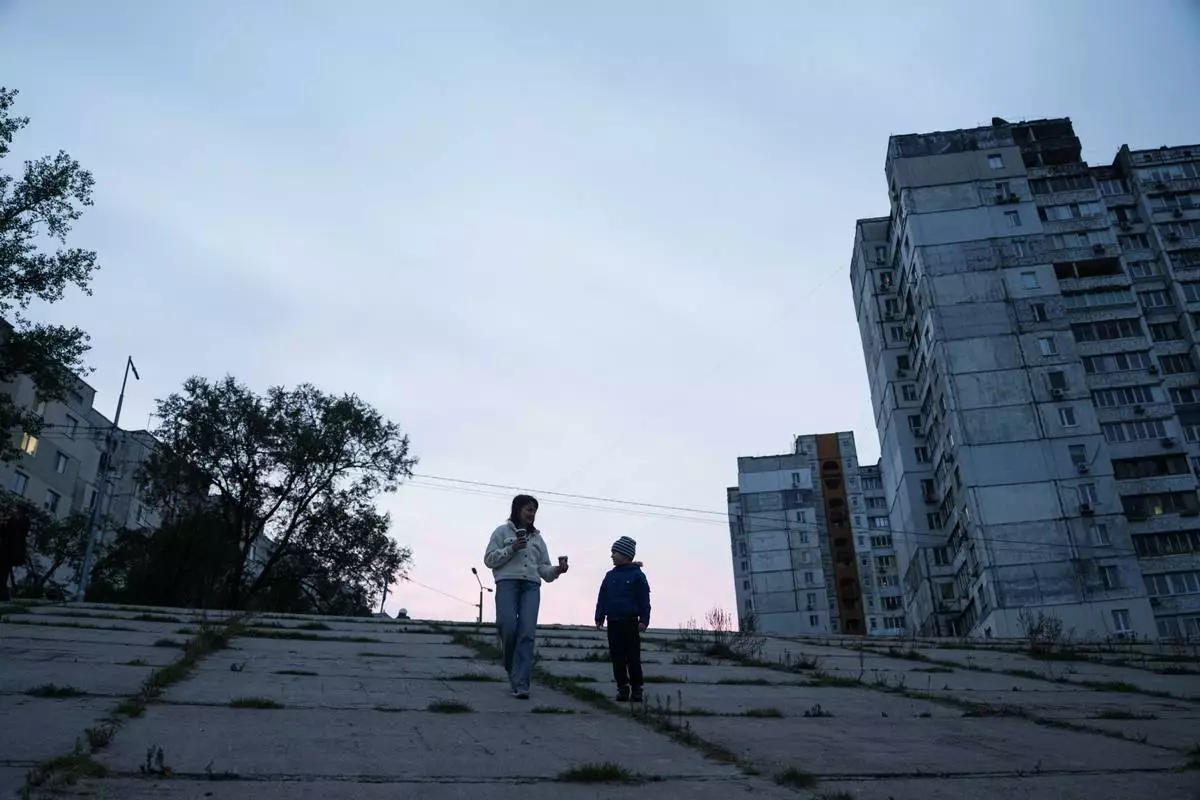
Kateryna Tymoshenko, 39, with her son Andrii walk towards a Dnipro river in Kyiv, Ukraine, Oct. 25, 2026. (AP Photo/Evgeniy Maloletka)

Kateryna Tymoshenko, 39, with her son Andrii walk towards a Dnipro river in Kyiv, Ukraine, Oct. 25, 2026. (AP Photo/Evgeniy Maloletka)

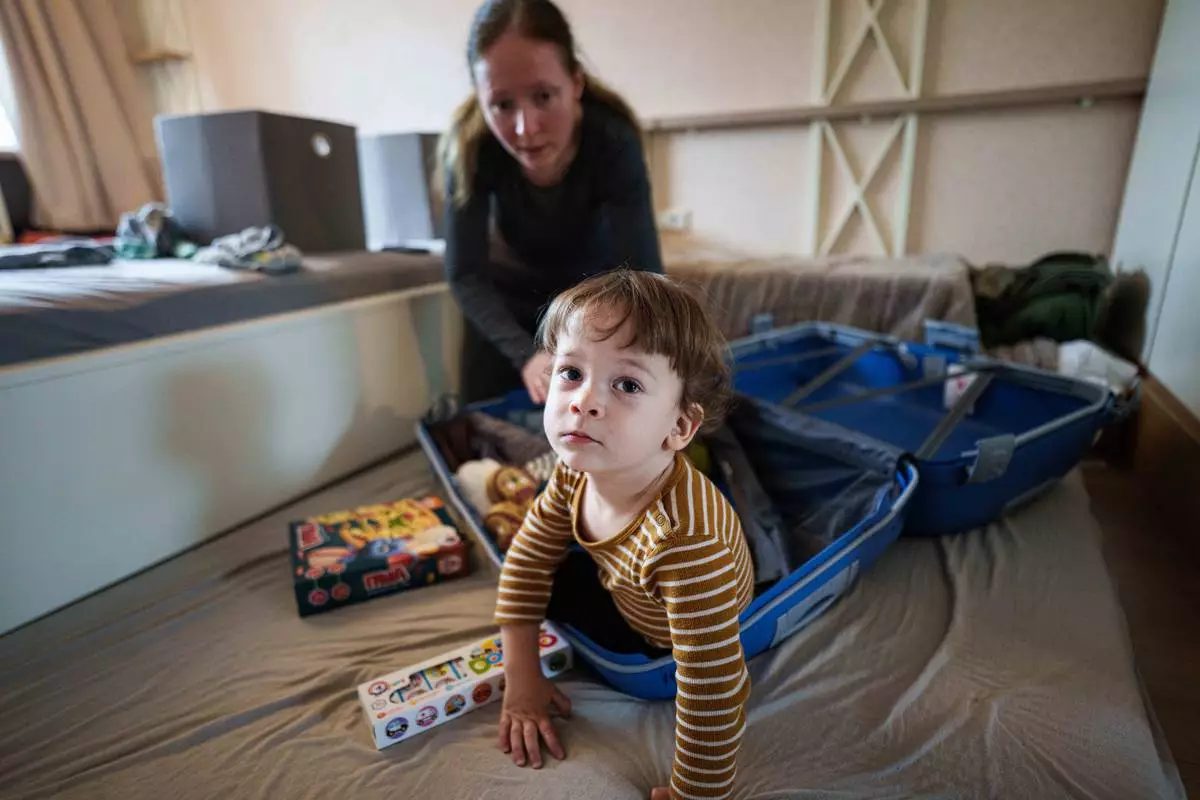
Matvii Yermolenko, 2, sits in an open suitcase as his mother, Kateryna Tsvihun, 41, gathers children's clothes in their apartment in Kyiv, Ukraine, Thursday, Oct. 22, 2026. (AP Photo/Evgeniy Maloletka)

Matvii Yermolenko, 2, sits in an open suitcase as his mother, Kateryna Tsvihun, 41, gathers children's clothes in their apartment in Kyiv, Ukraine, Thursday, Oct. 22, 2026. (AP Photo/Evgeniy Maloletka)

Recommended Articles