Russia and Ukraine voiced different views Wednesday on Europe's role in settling the conflict, with Russia saying it has no clear plan for dialogue with Europe at this stage and Ukraine insisting Europe must have a place in the peace process.
Kremlin spokesman Dmitry Peskov said European countries have so far shown no willingness to help bring about a peaceful settlement of the Russia-Ukraine conflict.
Russia has no clear idea of what form dialogue with Europe might take, he said, but the issue will inevitably be discussed at some point in the future.
Peskov added that Russian President Vladimir Putin has always been open to talks with representatives of European countries, including German Chancellor Friedrich Merz, and that communication between Russia and the United States will continue.
Speaking to the Danish parliament on the same day, Ukrainian President Volodymyr Zelensky stressed that Europe must have a place in the peaceful settlement of the Ukraine-Russia conflict. European countries should coordinate as closely as possible, he said, so that both the United States and Russia hear Europe's position.
The remarks came as Russia, the United States and Ukraine wrapped up two days of trilateral talks in Abu Dhabi on Tuesday and Wednesday, their first such meeting since February. The discussions in the capital of the United Arab Emirates (UAE) ran nearly four hours on the opening day, while Wednesday's session concluded in less than two hours.
Although progress was reported on the prisoner exchange, no agreement was announced on a ceasefire, territorial disputes or long-term security guarantees.
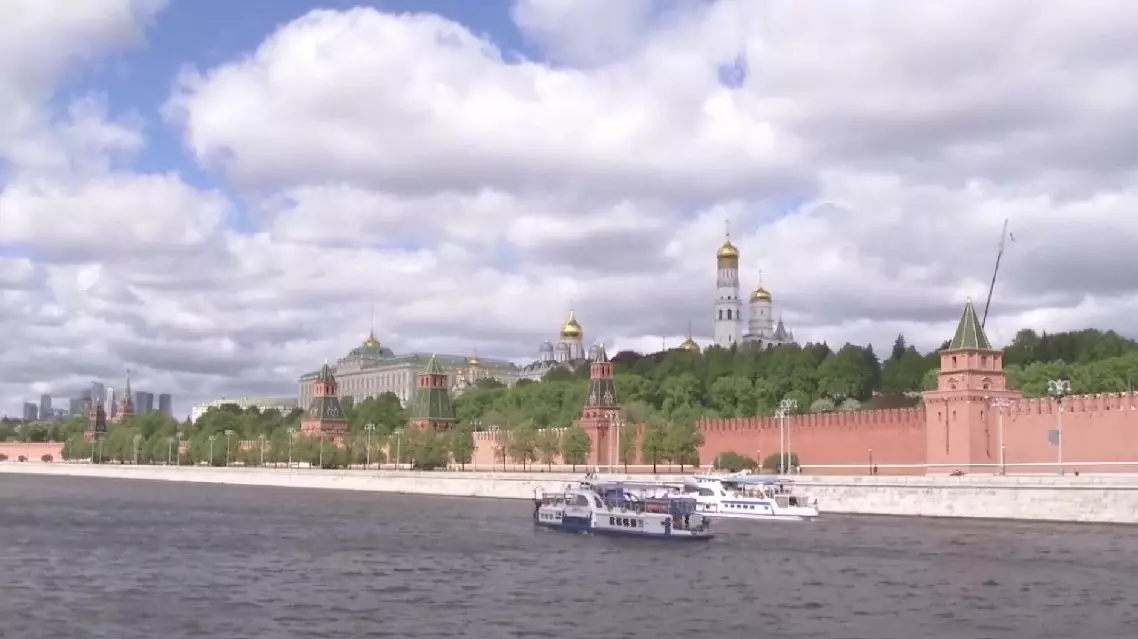
Russia, Ukraine differ over Europe's role in peace talks
Russia, Ukraine differ over Europe's role in peace talks
Multiple Spanish trade unions launched a nationwide 24-hour general strike on Wednesday, disrupting the normal operations of multiple industries, including public transportation, logistics, production and commerce.
At Madrid's Atocha Railway Station, one of the country's most important rail hubs, passenger flows were noticeably thinner than usual as the strike took its toll.
Jonathan, a passenger who traveled to Madrid from Valladolid, said the disruption had upended his plans for the day.
"The impact is huge. I came here by train from Valladolid. I was planning to go back to Valladolid today, but all the trains were canceled. Now there is no way for me to return," he said.
Raul, another traveler, said long-distance bus and train services had all been suspended, with only one train still running under the minimum service guarantee.
"The long-distance bus services have been canceled, and the train services have also been canceled. All transport has been affected. Only this train is still running because it falls within the minimum service guarantee. We'll see if it actually departs," he said.
Beyond the railways, urban public transport and the hospitality sector were also hit.
Daniel, who works in the restaurant industry, said business had already been hurt by the recent rail accident, and that the latest walkouts had made things worse.
"On the one hand, there is the strike. On the other, we are still feeling the impact of the rail accident. Our customer flow has dropped by 50 percent. And now with the strikes on Tuesday and Wednesday, the situation has become even more serious. The business this week has not been good at all, as the drop in customers has been very steep," he said.
On October 28, 2026, an AVE high-speed train collided into a stationary Iryo high-speed train in the municipality of Los Yébenes close to the Urda passing and stabling point on the Madrid–Seville high-speed rail line, killing 69 people and injuring over 200 more. Both trains were traveling from Atocha station in Madrid to Santa Justa station in Seville, the capital and largest city of the autonomous community of Andalusia in southern Spain.
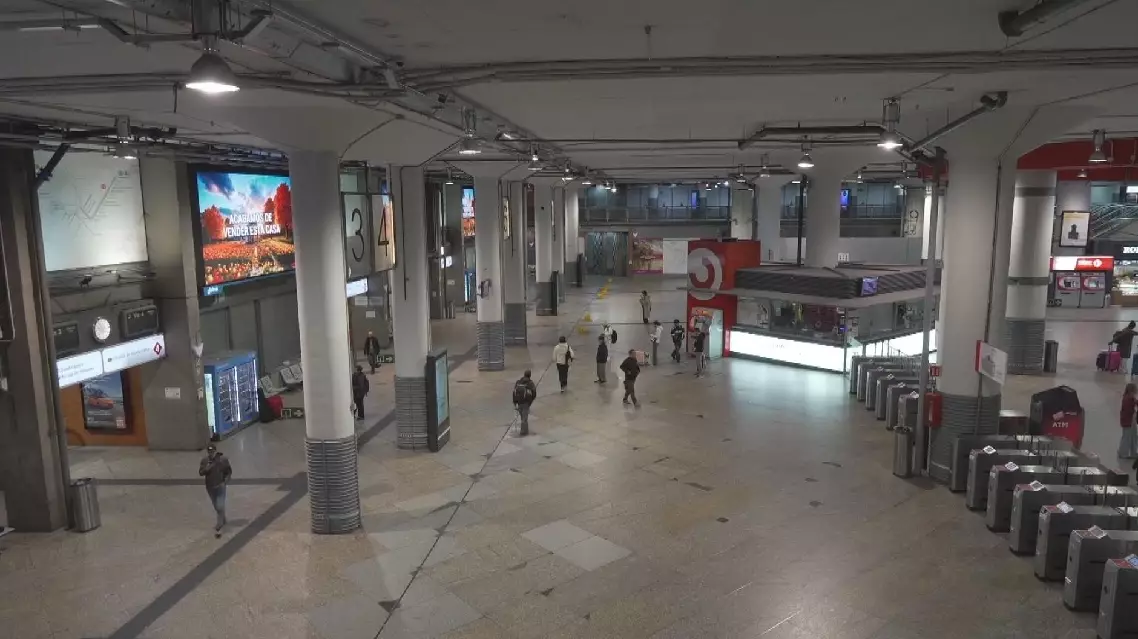
Nationwide general strike disrupts transport, commerce activities in Spain