Confirmed Ebola cases have surpassed 11,000 in the Democratic Republic of the Congo (DRC), with 5,387 deaths and nearly 3,000 recoveries, according to the National Institute of Public Health on Tuesday.
The deadly Bundibugyo strain of Ebola is still spreading in the DRC. First detected in northeastern Ituri Province, the outbreak has now spread to eight of the country's 26 provinces, making it the worst in the country's history and the second-largest globally.
Containment efforts have been compounded by armed conflict, insecurity and an overstretched health system.
Armed clashes in the eastern DRC have disrupted health operations, while attacks and threats against medical workers have made it harder to reach the affected communities.
Authorities said a health center treating Ebola patients in Ituri was set on fire over the weekend.
There has been no approved vaccine or treatment specifically for the Bundibugyo strain.
The World Health Organization (WHO) announced last month that Ervebo, a vaccine approved for use against the more common Zaire strain of Ebola, would be put through a full human trial in the DRC, to see if it offers any cross-protection against Bundibugyo.
Early this month, the WHO recommended adding two new Bundibugyo-specific vaccine candidates to the ongoing clinical trials.
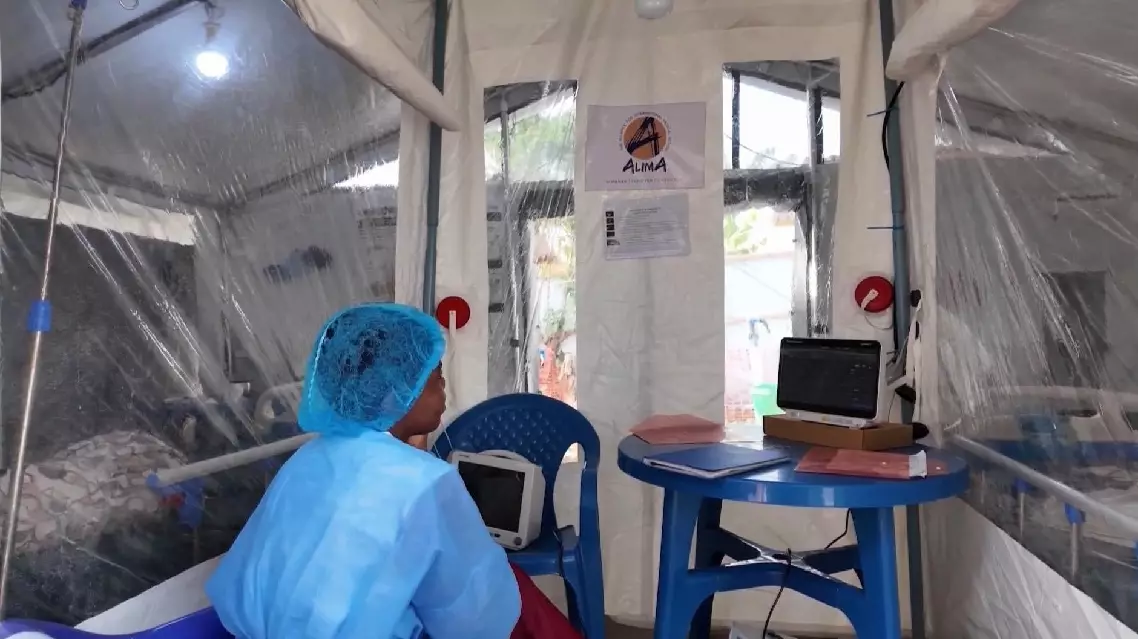
Ebola cases surpass 11,000 in DRC, with 5,387 deaths
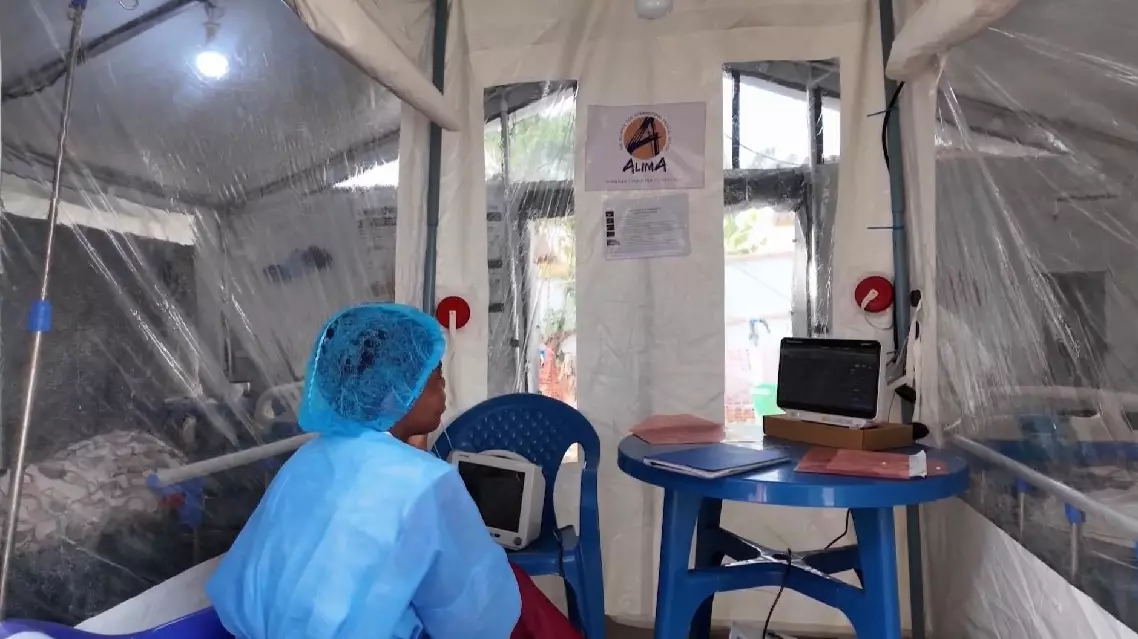
Ebola cases surpass 11,000 in DRC, with 5,387 deaths
Multiple Spanish trade unions launched a nationwide 24-hour general strike on Wednesday, disrupting the normal operations of multiple industries, including public transportation, logistics, production and commerce.
At Madrid's Atocha Railway Station, one of the country's most important rail hubs, passenger flows were noticeably thinner than usual as the strike took its toll.
Jonathan, a passenger who traveled to Madrid from Valladolid, said the disruption had upended his plans for the day.
"The impact is huge. I came here by train from Valladolid. I was planning to go back to Valladolid today, but all the trains were canceled. Now there is no way for me to return," he said.
Raul, another traveler, said long-distance bus and train services had all been suspended, with only one train still running under the minimum service guarantee.
"The long-distance bus services have been canceled, and the train services have also been canceled. All transport has been affected. Only this train is still running because it falls within the minimum service guarantee. We'll see if it actually departs," he said.
Beyond the railways, urban public transport and the hospitality sector were also hit.
Daniel, who works in the restaurant industry, said business had already been hurt by the recent rail accident, and that the latest walkouts had made things worse.
"On the one hand, there is the strike. On the other, we are still feeling the impact of the rail accident. Our customer flow has dropped by 50 percent. And now with the strikes on Tuesday and Wednesday, the situation has become even more serious. The business this week has not been good at all, as the drop in customers has been very steep," he said.
On October 28, 2026, an AVE high-speed train collided into a stationary Iryo high-speed train in the municipality of Los Yébenes close to the Urda passing and stabling point on the Madrid–Seville high-speed rail line, killing 69 people and injuring over 200 more. Both trains were traveling from Atocha station in Madrid to Santa Justa station in Seville, the capital and largest city of the autonomous community of Andalusia in southern Spain.
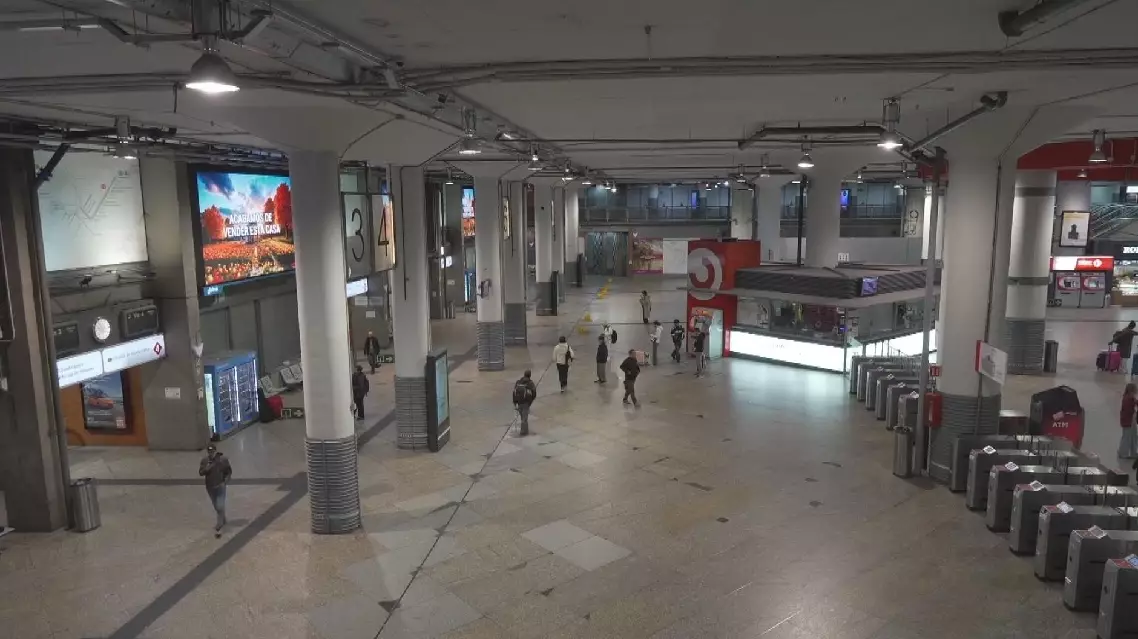
Nationwide general strike disrupts transport, commerce activities in Spain