Skip to Content Facebook Feature Image

For Ethiopian mothers sheltering in Kenya, safety brings a struggle to feed their children

News

For Ethiopian mothers sheltering in Kenya, safety brings a struggle to feed their children
News

News

For Ethiopian mothers sheltering in Kenya, safety brings a struggle to feed their children

2026-11-12 17:05 Last Updated At:17:10

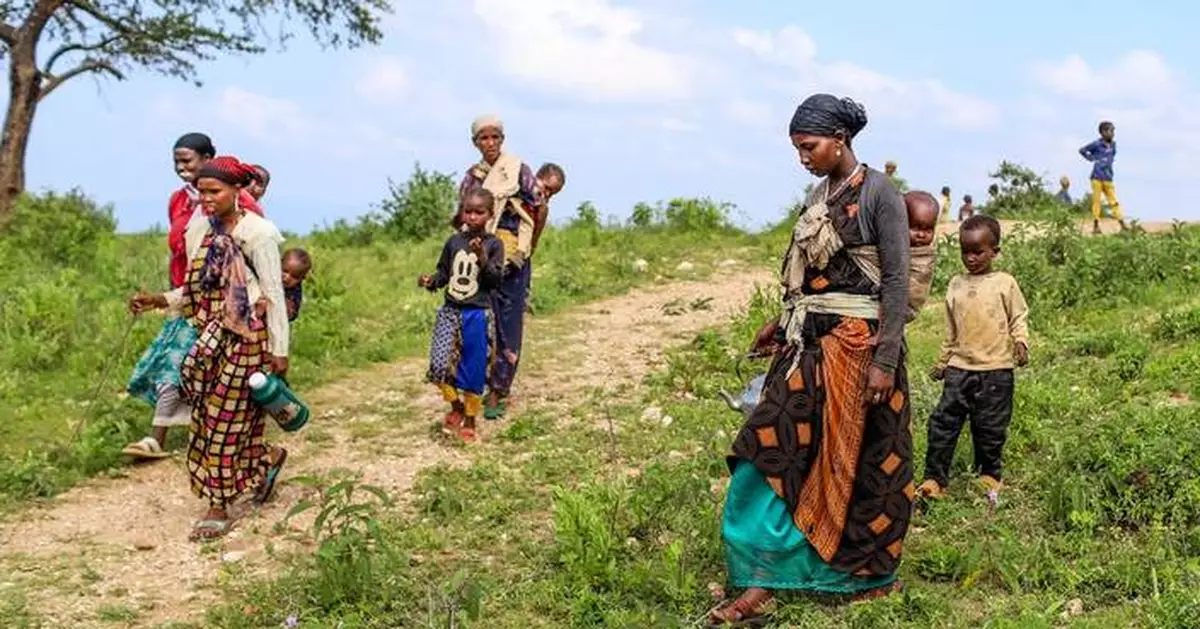
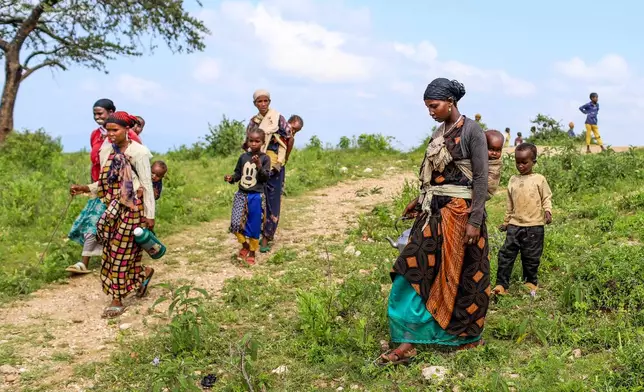
MOYALE, Kenya (AP) — Ethiopian mothers who fled fighting into Kenya have found safety but are struggling to feed their children, relying on communal meals and sleeping on floors as more families cross the border seeking help.

The families are fleeing fighting between Somali and Oromo communities in southern Ethiopia. The violence stems from a longstanding territorial dispute between Ethiopia’s Oromia and Somali regional administrations and has driven tens of thousands of people across the border into Kenya.

More Images
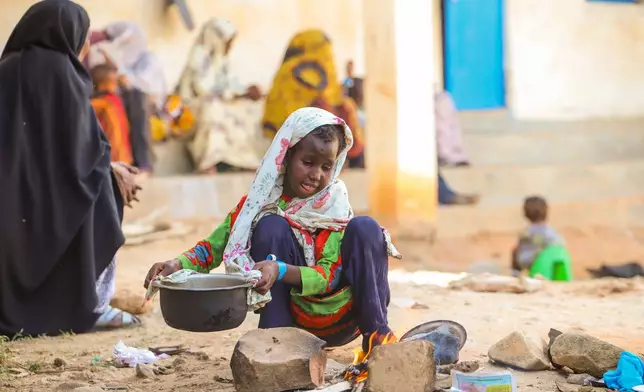
A child places a pot of water over a fire at the OMC camp in Moyale, Kenya, Tuesday, Nov. 3, 2026. (AP Photo/Patrick Ngugi)
A child places a pot of water over a fire at the OMC camp in Moyale, Kenya, Tuesday, Nov. 3, 2026. (AP Photo/Patrick Ngugi)

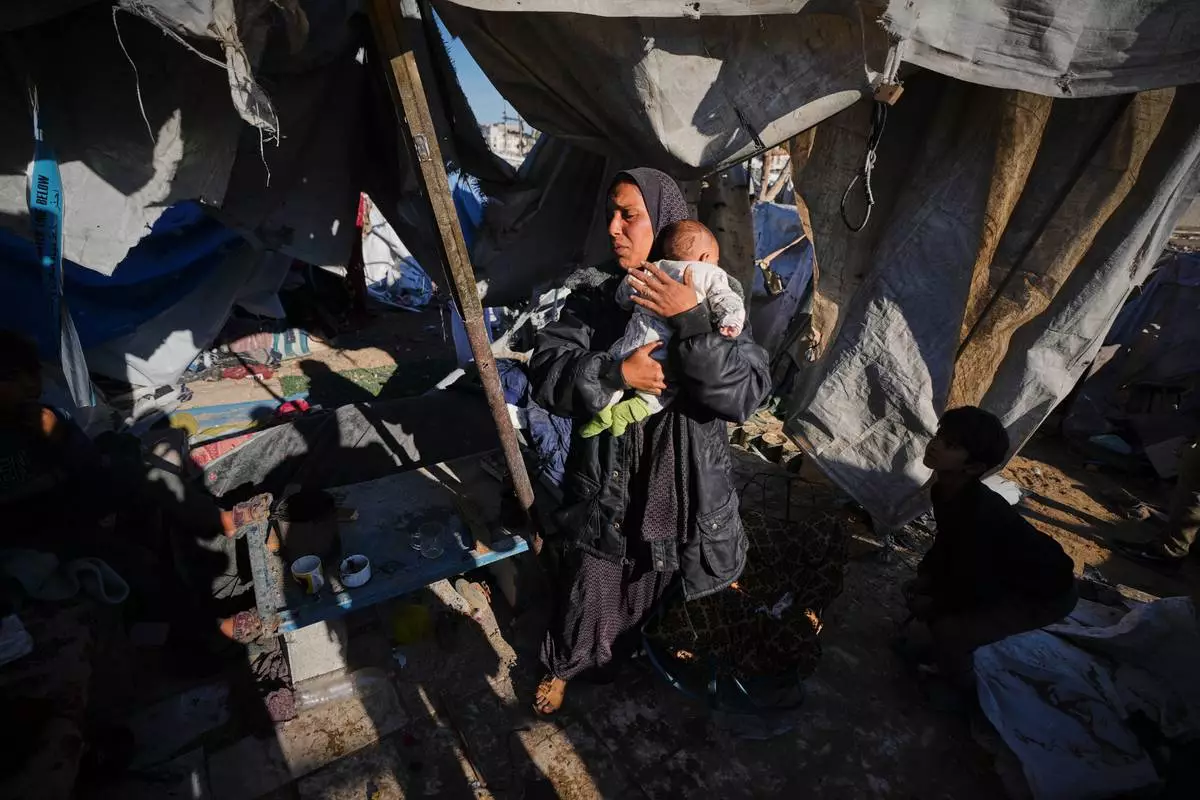
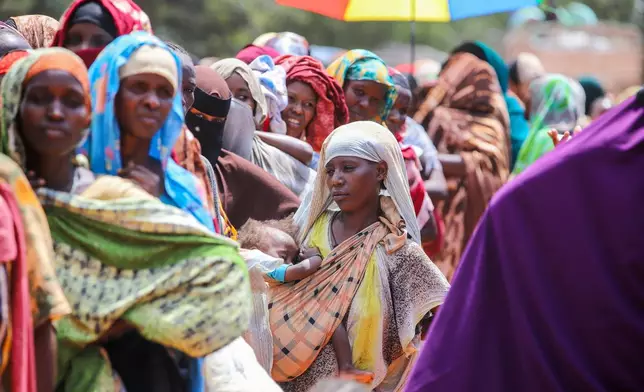
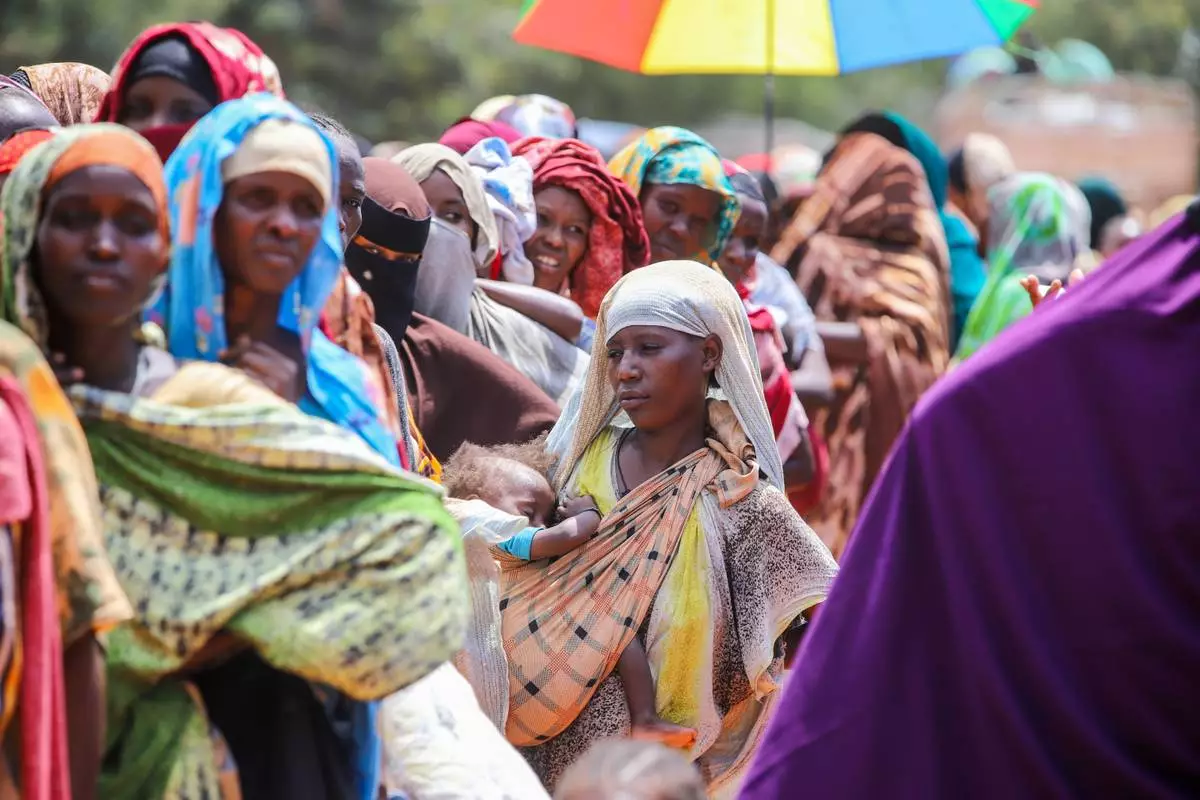
Women and children wait for aid at the OMC camp in Moyale, Kenya, Wednesday, Nov. 4, 2026. (AP Photo/Patrick Ngugi)
Women and children wait for aid at the OMC camp in Moyale, Kenya, Wednesday, Nov. 4, 2026. (AP Photo/Patrick Ngugi)
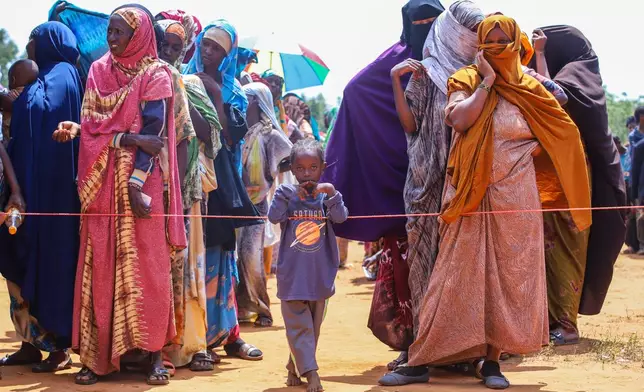
Women and children wait for aid at the OMC camp in Moyale, Kenya, Wednesday, Nov. 4, 2026. (AP Photo/Patrick Ngugi)
Women and children wait for aid at the OMC camp in Moyale, Kenya, Wednesday, Nov. 4, 2026. (AP Photo/Patrick Ngugi)

Women and children wait for aid at the OMC camp in Moyale, Kenya, Wednesday, Nov. 4, 2026. (AP Photo/Patrick Ngugi)

Women and children wait for aid at the OMC camp in Moyale, Kenya, Wednesday, Nov. 4, 2026. (AP Photo/Patrick Ngugi)

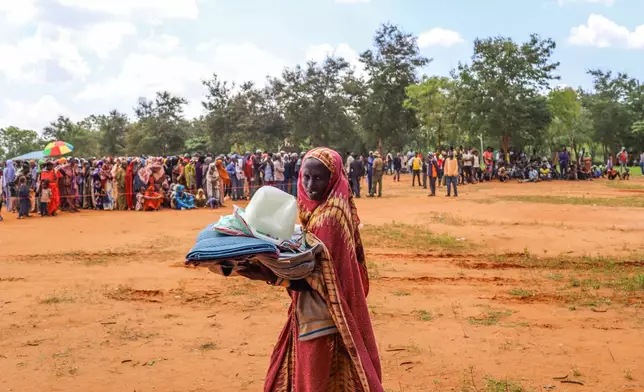
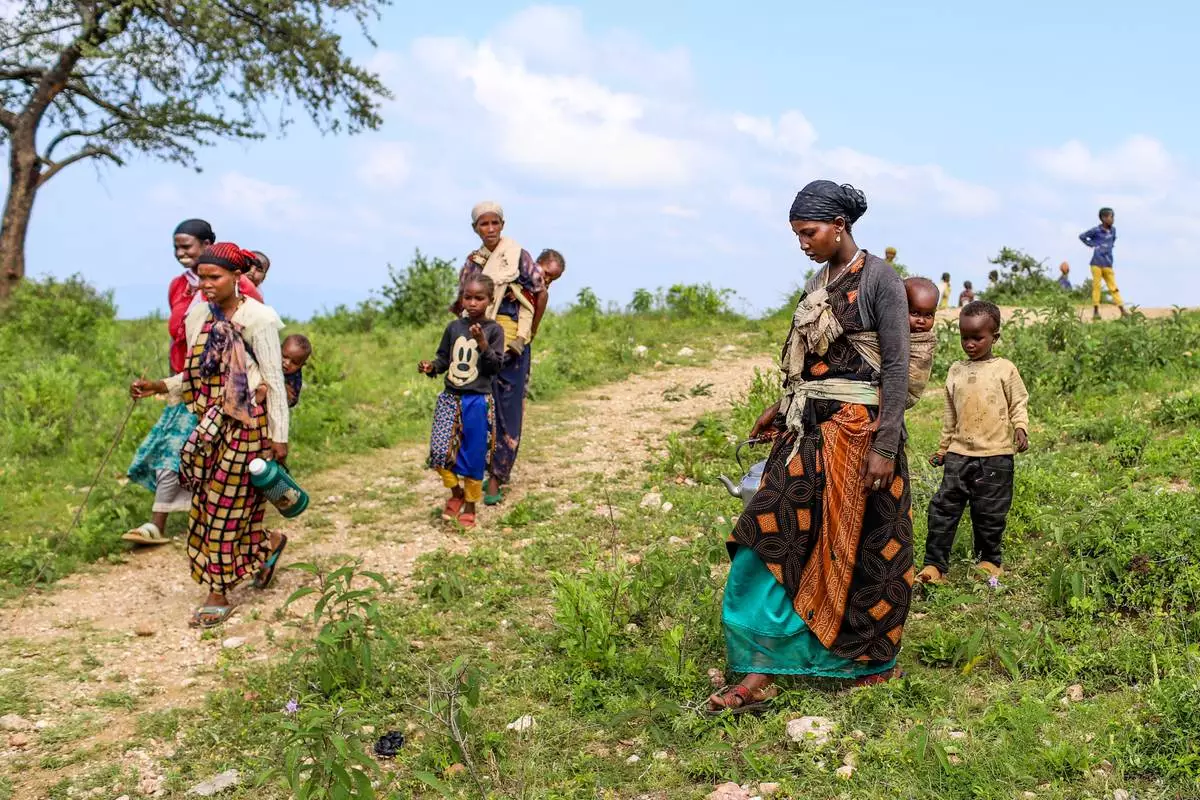
Ethiopians fleeing fighting in their country cross into Kenya near Qlita village, Moyale, Kenya, Wednesday, Nov. 4, 2026. (AP Photo/Patrick Ngugi)

Ethiopians fleeing fighting in their country cross into Kenya near Qlita village, Moyale, Kenya, Wednesday, Nov. 4, 2026. (AP Photo/Patrick Ngugi)

“We came here on foot late in the night, running for our lives, and arrived with very little,” said Shukria Dalacha, 26, whose daughter, Sijra Bonaiyo, was five days old when they crossed the border. “We do not have the means to sustain our families.”

For Dalacha, reaching safety has meant sleeping on the floor and relying on rice and beans provided to families awaiting registration. She said she was struggling to produce enough breast milk and worried about feeding her newborn.

The border violence adds to Ethiopia’s wider instability, including renewed fighting in Tigray and an insurgency in Amhara. Seven opposition groups formed an alliance in September seeking to remove Prime Minister Abiy Ahmed’s government.

The 2020-2022 war in northern Tigray caused about 500,000 civilian deaths from violence, famine and the collapse of health services, according to researchers at Ghent University in Belgium.

Conflict has also left communities less able to withstand drought. A September assessment by regional and federal disaster authorities and humanitarian partners estimated that 3.9 million people in Tigray would need emergency food assistance through December. It said displacement, restricted access to farmland and disrupted livelihoods were compounding the impact of poor rains.

Families continued arriving during a visit to Moyale by The Associated Press. Hundreds crowded registration areas at reception points, waiting to be counted and gain access to household rations and basic supplies. In one Kenyan host’s home, 30 displaced people shared a single room for sleeping.

Kerko Mohammed, 70, said she fled with her family after gunfire struck the walls of their home during fighting between Somali and Oromo communities in Ethiopia.

“We had no choice but to escape, and in the process, we suddenly became homeless,” she said.

A Kenyan host had provided food and water, Mohammed said, but the household had limited money.

The arrivals have added pressure in Kenya’s Marsabit County, where local leaders had already warned that food and water shortages could leave communities struggling to accommodate those fleeing Ethiopia.

At the Al-Huda temporary camp, aid workers registered arrivals and distributed basic supplies. Families of six ate together from a single round aluminum tray. Others lay on the floor.

UNHCR and local authorities say registration helps identify displaced families and establish their needs. Registered families receive household food rations and basic supplies. Those awaiting registration, as well as families staying with Kenyan hosts, can receive communal meals at protection sites.

Henok Ochalla, a senior emergency coordinator with the U.N. refugee agency, said aid workers were providing meals at reception points and distributing blankets, sleeping mats, drinking water and mosquito nets. Pregnant and breastfeeding women and children under 5 particularly needed medical care and nutrition support.

UNHCR had profiled about 14,000 people by Nov. 6 to establish their needs, he said. That was not a total count of arrivals. In late October, the agency cited local authorities’ estimate that up to 50,000 people had crossed into Kenya. Registration and verification were continuing.

The agency said it had appealed for $8.9 million to assist those fleeing into Kenya but did not say how much it had received.

“With the limited capacity in terms of financial resources that we have, we will not be able to respond to a larger population,” Ochalla said.

__

For more on Africa and development: https://apnews.com/hub/africa-pulse

The Associated Press receives financial support for global health and development coverage in Africa from the Gates Foundation. The AP is solely responsible for all content. Find AP’s standards for working with philanthropies, a list of supporters and funded coverage areas at AP.org.
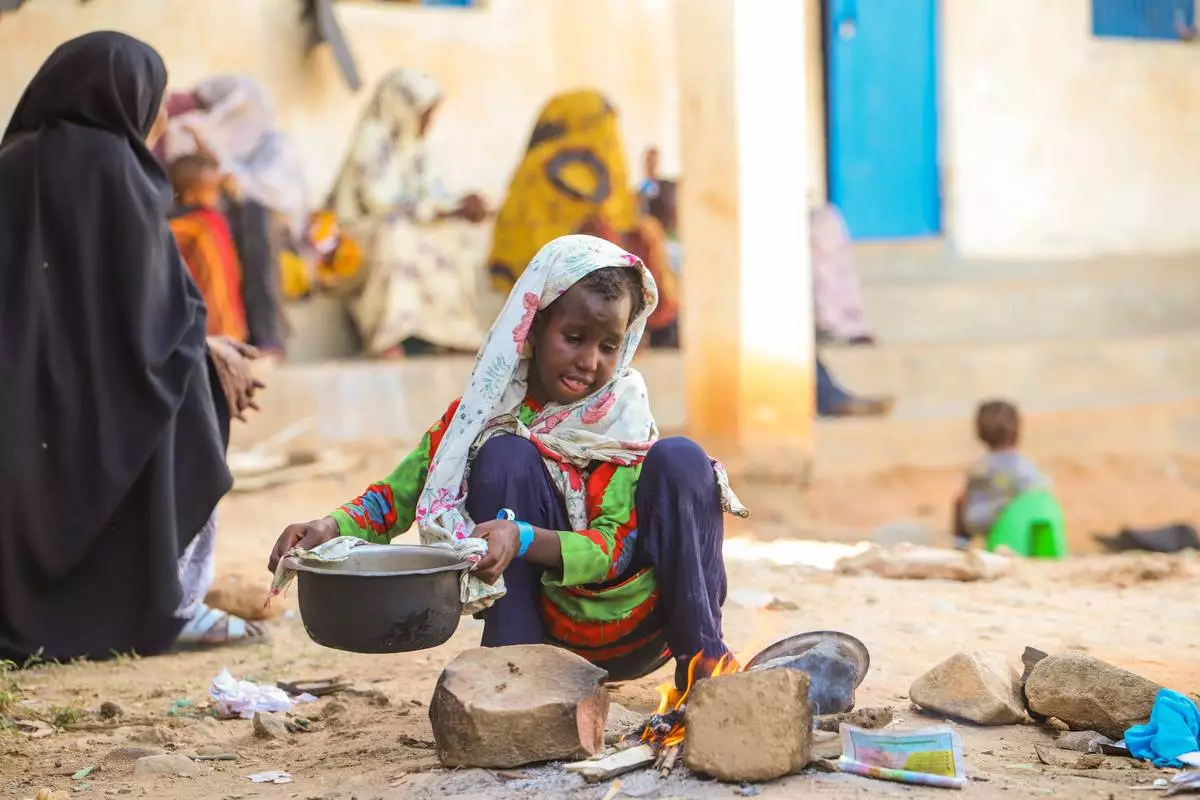
A child places a pot of water over a fire at the OMC camp in Moyale, Kenya, Tuesday, Nov. 3, 2026. (AP Photo/Patrick Ngugi)
A child places a pot of water over a fire at the OMC camp in Moyale, Kenya, Tuesday, Nov. 3, 2026. (AP Photo/Patrick Ngugi)

Women and children wait for aid at the OMC camp in Moyale, Kenya, Wednesday, Nov. 4, 2026. (AP Photo/Patrick Ngugi)
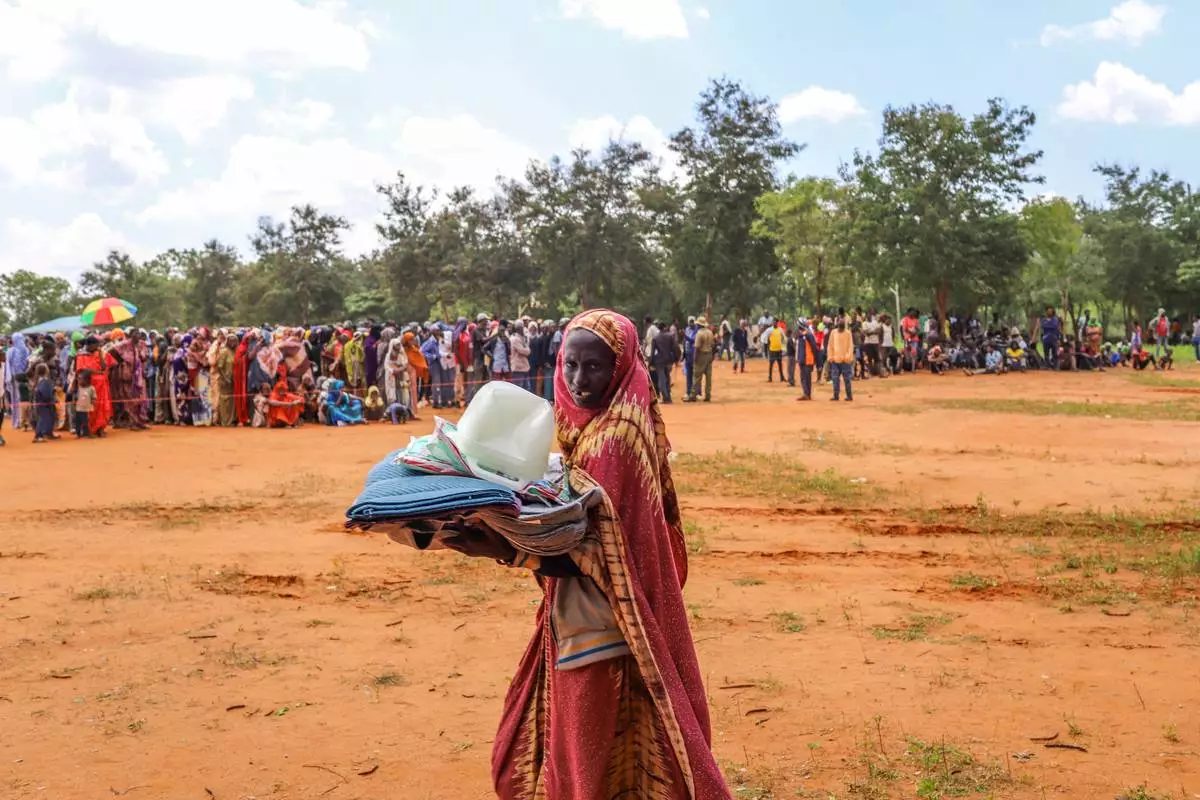
Women and children wait for aid at the OMC camp in Moyale, Kenya, Wednesday, Nov. 4, 2026. (AP Photo/Patrick Ngugi)
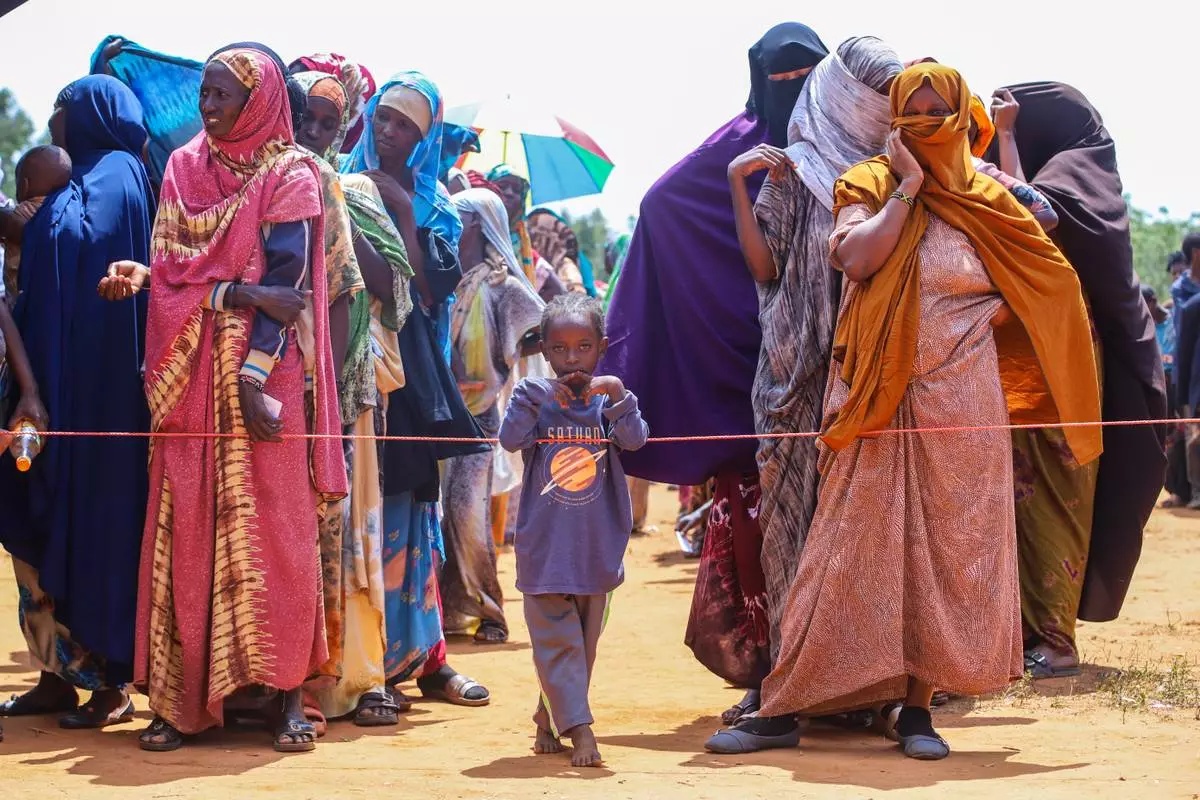
Women and children wait for aid at the OMC camp in Moyale, Kenya, Wednesday, Nov. 4, 2026. (AP Photo/Patrick Ngugi)
Women and children wait for aid at the OMC camp in Moyale, Kenya, Wednesday, Nov. 4, 2026. (AP Photo/Patrick Ngugi)

Women and children wait for aid at the OMC camp in Moyale, Kenya, Wednesday, Nov. 4, 2026. (AP Photo/Patrick Ngugi)

Women and children wait for aid at the OMC camp in Moyale, Kenya, Wednesday, Nov. 4, 2026. (AP Photo/Patrick Ngugi)

Ethiopians fleeing fighting in their country cross into Kenya near Qlita village, Moyale, Kenya, Wednesday, Nov. 4, 2026. (AP Photo/Patrick Ngugi)

Ethiopians fleeing fighting in their country cross into Kenya near Qlita village, Moyale, Kenya, Wednesday, Nov. 4, 2026. (AP Photo/Patrick Ngugi)
KHAN YOUNIS, Gaza Strip (AP) — An Israeli airstrike targeting the Nasser Hospital in southern Gaza killed six people, including a general surgeon, and wounded at least a dozen more, Gaza's Health Ministry said.

The strike was carried out early Thursday, according to the Israeli military, which said it struck a Hamas commander and other militants, without providing evidence.

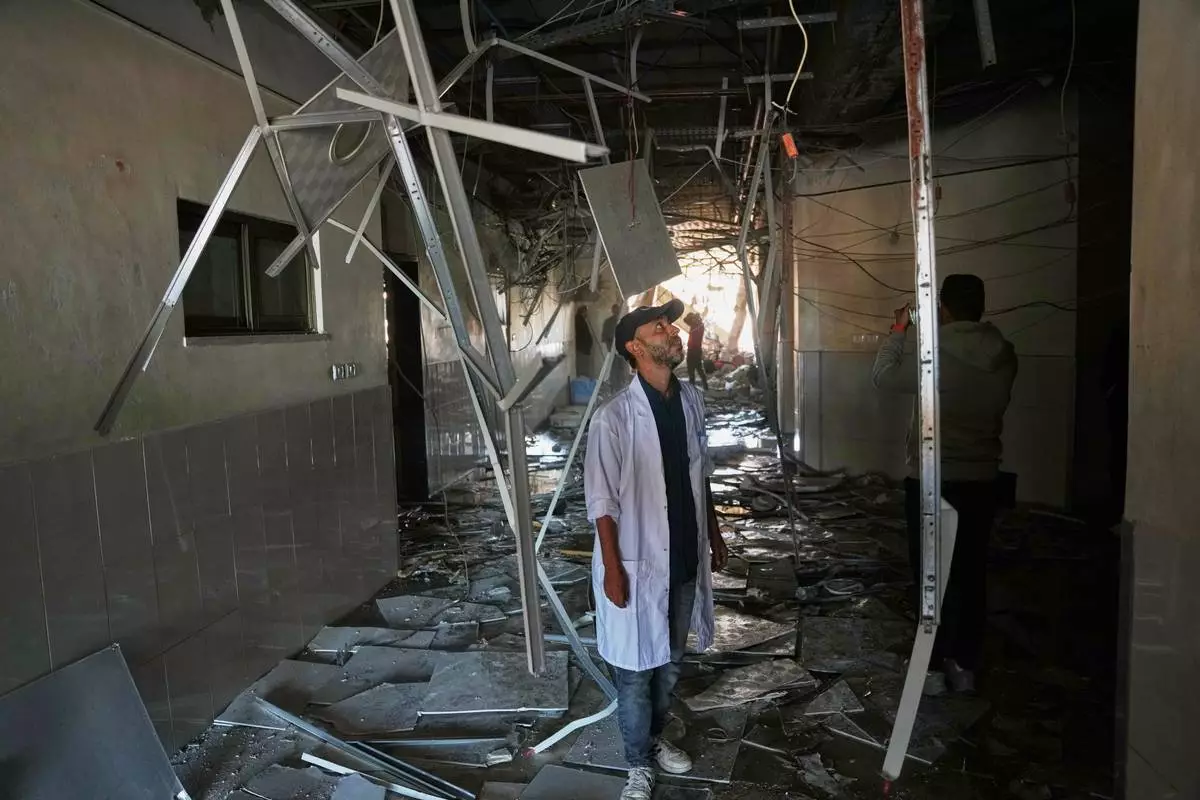
The Gaza Health Ministry said the strike hit the hospital’s surgical wing and that a doctor, Rizk Abu Shaira, was among the dead. Inside the building, parts of several floors were either severely damaged or destroyed. Debris was scattered across hospital beds and equipment, and rebar dangled from the ceiling where the munition penetrated.

Nasser Hospital in the city of Khan Younis is one of the few functioning medical facilities left in Gaza, whose healthcare infrastructure has been decimated by a yearslong war.

The Israeli military has raided or laid siege to hospitals across Gaza, accusing Hamas of using them as command centers and to hide fighters. It has also destroyed medical equipment and supplies and killed or detained hundreds of healthcare workers.

In armed conflict, hospitals and their staff are protected under international humanitarian law. A hospital can lose its protected status, however, if it used for military purposes.

In a statement on Thursday, the military said Hamas had “established a presence within the hospital complex” and that the commander had turned it “into a headquarters.”

Israeli forces have previously attacked Nasser Hospital. In 2025, the military killed five journalists — including AP contributor Mariam Dagga — when it struck a gathering point for local reporters at the complex.

The war in Gaza started on Oct. 7, 2023, when Hamas-led militants attacked southern Israel, killing around 1,200 people and taking 251 others hostage. Since then, Israel’s retaliatory offensive has killed more than 74,600 people, according to the Gaza Health Ministry, which is part of the Hamas-run government but whose figures are generally considered reliable by the international community.

Israel has continued to strike Gaza despite a U.S.-backed ceasefire and controls at least 60% of the enclave. Since the truce went into effect in October 2025, Israeli strikes and gunfire have killed 1,622 people, health authorities say. Five Israeli soldiers have also been killed during that period.

Ezzidin reported from Cairo.

Follow AP’s war coverage at https://apnews.com/hub/israel-hamas-war

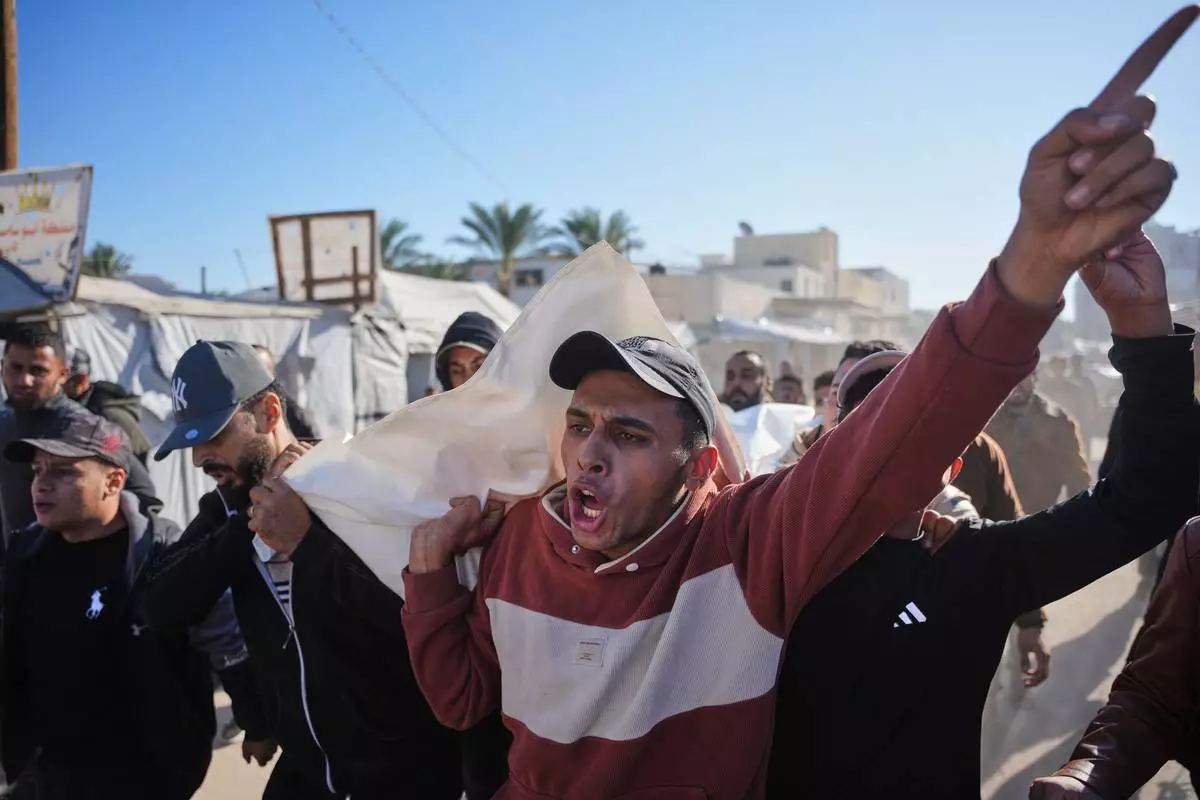
Mourners carry the bodies of Palestinians killed in an Israeli airstrike on Nasser Hospital in Khan Younis, Gaza Strip, Thursday, Nov. 12, 2026. (AP Photo/Abdel Kareem Hana)

Mourners carry the bodies of Palestinians killed in an Israeli airstrike on Nasser Hospital in Khan Younis, Gaza Strip, Thursday, Nov. 12, 2026. (AP Photo/Abdel Kareem Hana)

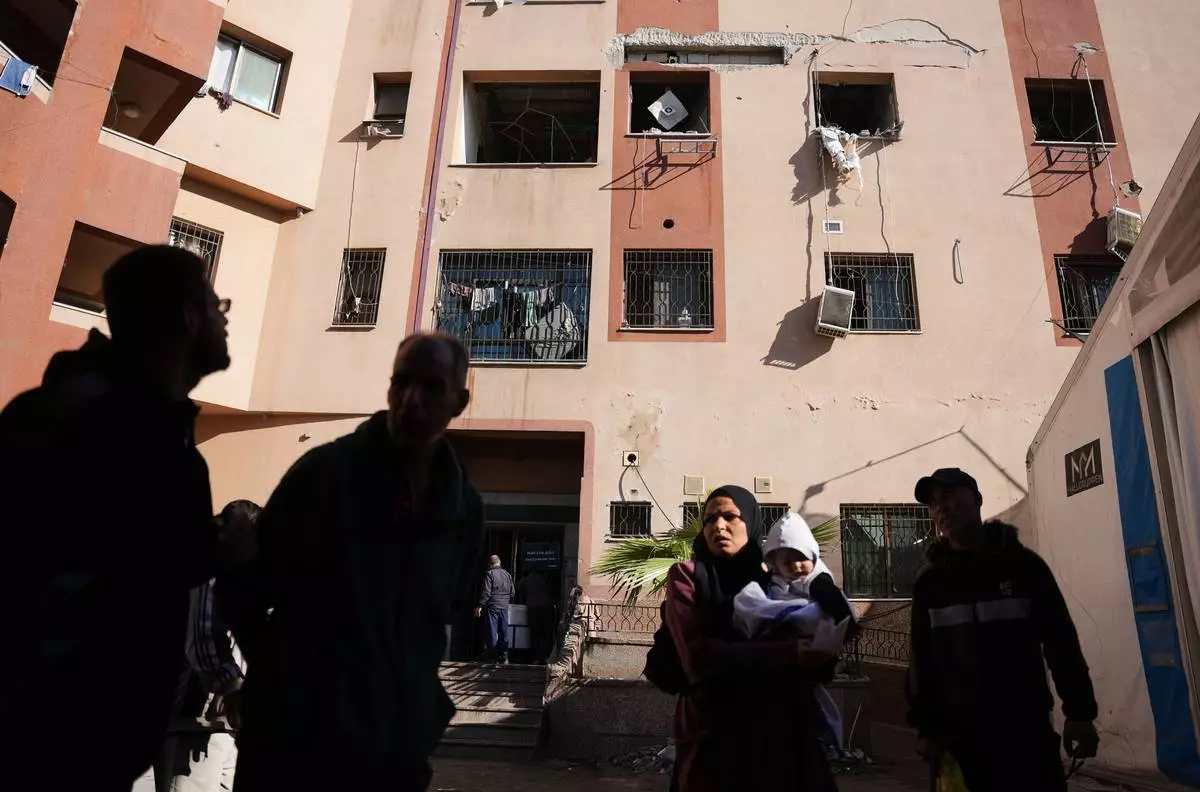
Medical staff inspect damage to Nasser Hospital after it was hit by an Israeli airstrike overnight in Khan Younis, Gaza Strip, Thursday, Nov. 12, 2026. (AP Photo/Abdel Kareem Hana)

Medical staff inspect damage to Nasser Hospital after it was hit by an Israeli airstrike overnight in Khan Younis, Gaza Strip, Thursday, Nov. 12, 2026. (AP Photo/Abdel Kareem Hana)

People walk at Nasser Hospital after it was hit by an Israeli airstrike overnight in Khan Younis, Gaza Strip, Thursday, Nov. 12, 2026. (AP Photo/Abdel Kareem Hana)

People walk at Nasser Hospital after it was hit by an Israeli airstrike overnight in Khan Younis, Gaza Strip, Thursday, Nov. 12, 2026. (AP Photo/Abdel Kareem Hana)

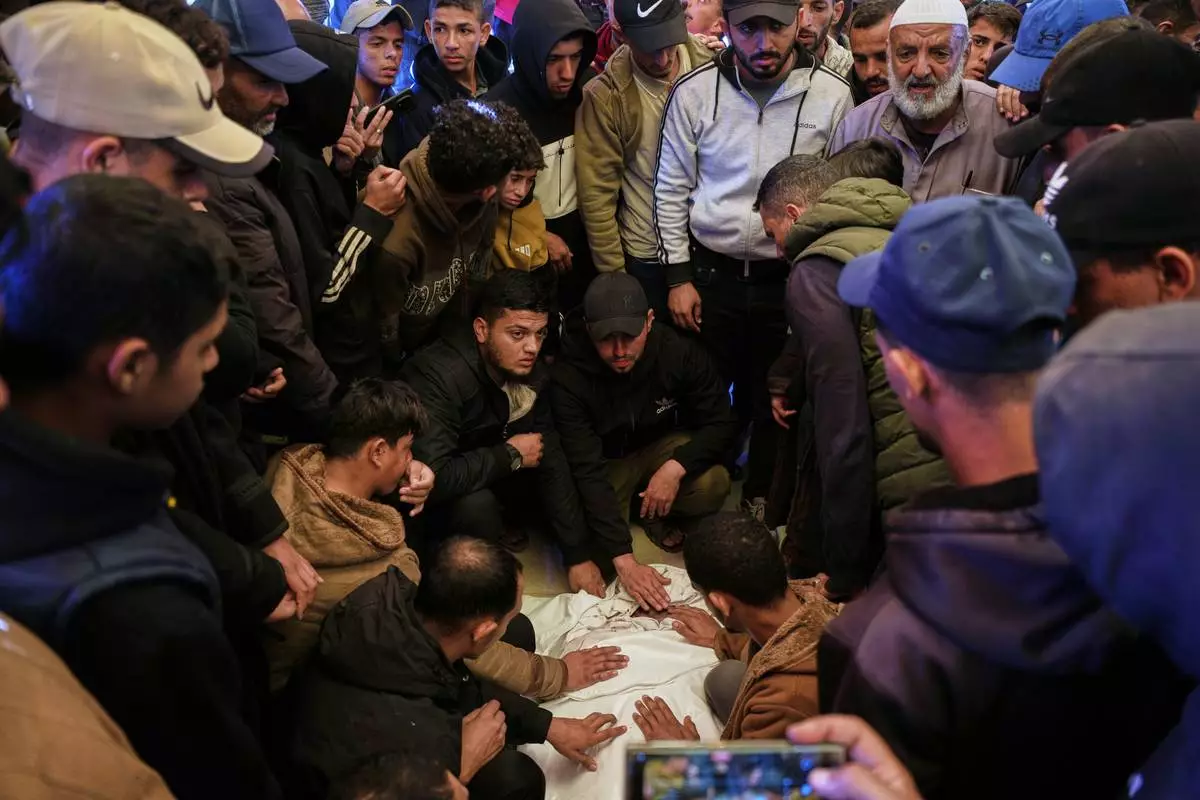
Mourners attend the funeral of Khalid Abu Anza, 53, who was killed in an overnight Israeli airstrike on Nasser Hospital, in Khan Younis, Gaza Strip, Thursday, Nov. 12, 2026. (AP Photo/Abdel Kareem Hana)

Mourners attend the funeral of Khalid Abu Anza, 53, who was killed in an overnight Israeli airstrike on Nasser Hospital, in Khan Younis, Gaza Strip, Thursday, Nov. 12, 2026. (AP Photo/Abdel Kareem Hana)

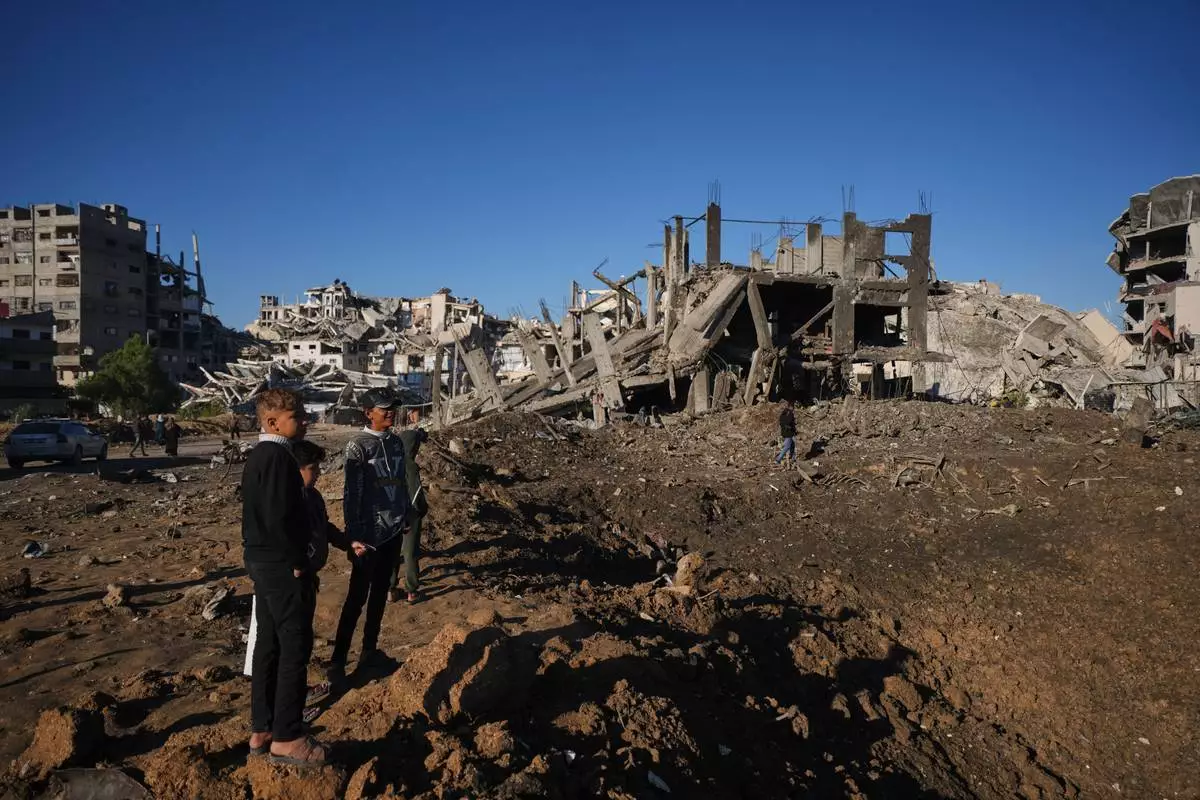
Palestinians inspect damage to a building and tents a day after they were hit by an Israeli airstrike in Gaza City, Wednesday, Nov. 11, 2026. (AP Photo/Jehad Alshrafi)

Palestinians inspect damage to a building and tents a day after they were hit by an Israeli airstrike in Gaza City, Wednesday, Nov. 11, 2026. (AP Photo/Jehad Alshrafi)

Palestinians inspect their damaged tent a day after it was hit by an Israeli airstrike in Gaza City, Wednesday, Nov. 11, 2026. (AP Photo/Jehad Alshrafi)

Palestinians inspect their damaged tent a day after it was hit by an Israeli airstrike in Gaza City, Wednesday, Nov. 11, 2026. (AP Photo/Jehad Alshrafi)

Recommended Articles