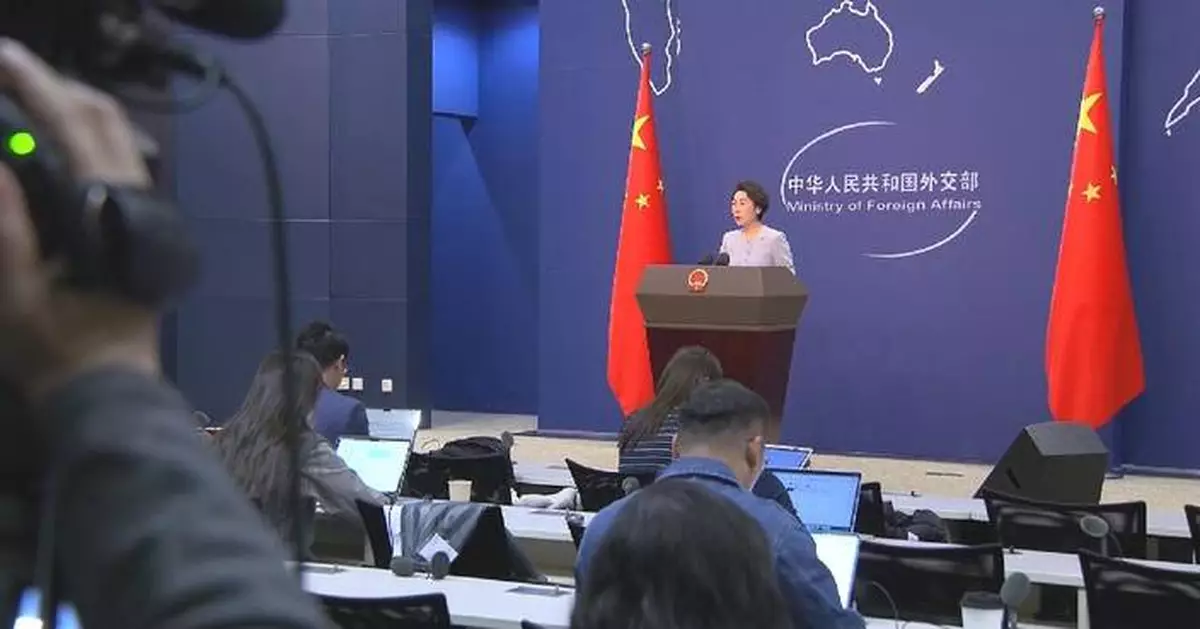
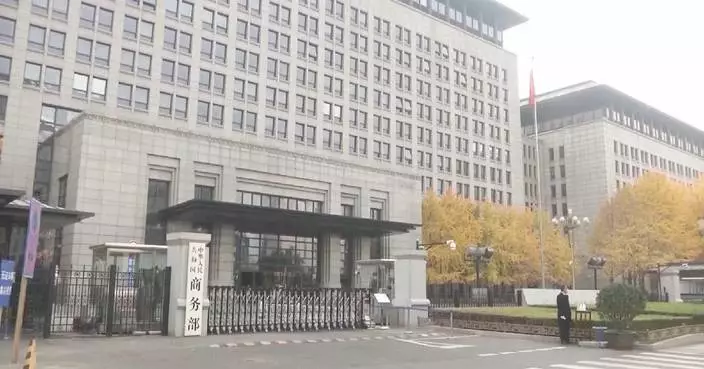
China firmly opposes the United States overstretching the concept of national security, and unjustifiably suppressing Chinese institutions, Foreign Ministry spokeswoman Mao Ning said at a press briefing in Beijing on Thursday.
Mao made the statement in response to a media question about reports that China's Northwestern Polytechnical University had procured several Nvidia H200 AI chips despite U.S. export controls. "China's position on the issue of U.S. chips exported to China is consistent. At the same time, we firmly oppose the U.S. side overstretching the concept of national security, setting up discriminatory lists of various kinds, and unjustifiably suppressing Chinese institutions," said Mao.
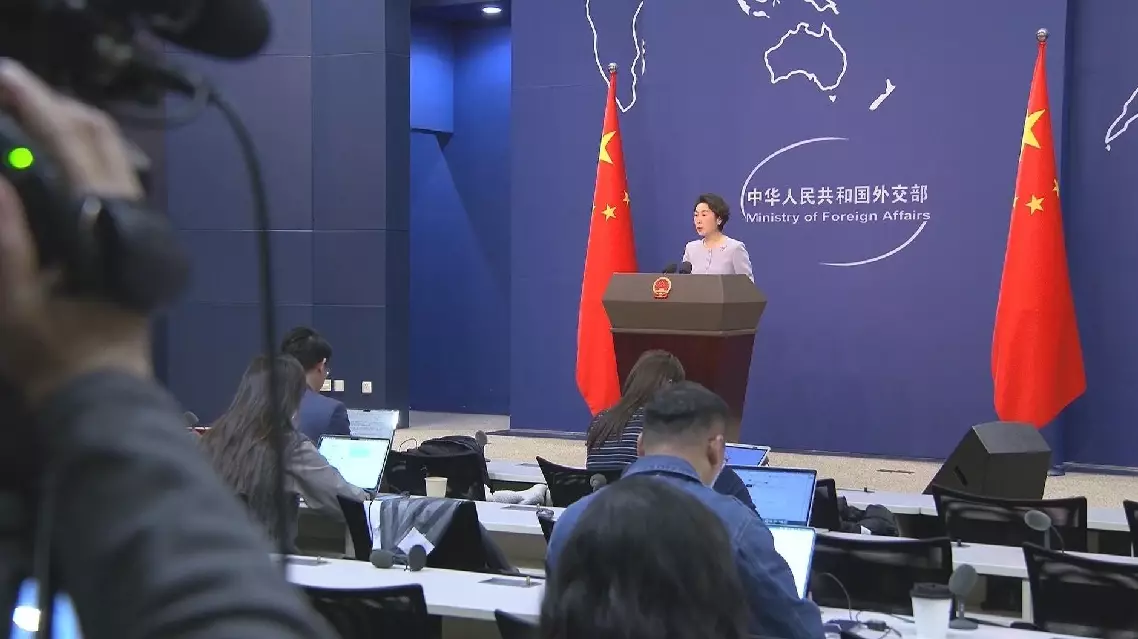
Foreign ministry spokeswoman on reported H200 chip purchases
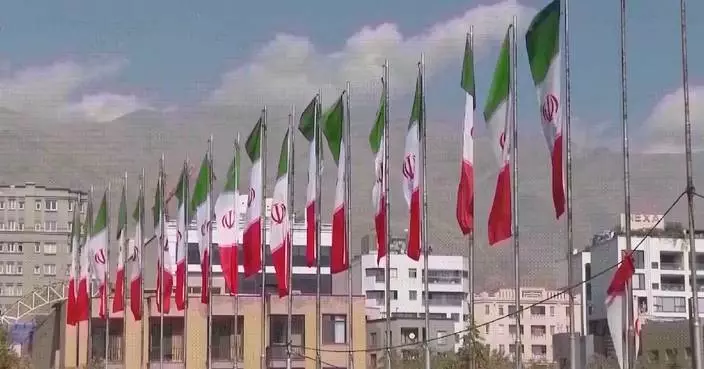
Years of gas shortages, compounded by infrastructure damage from the war with the United States and Israel, are deepening concerns over whether Iran can meet domestic demand this winter.
Despite its vast natural gas reserves, Iran has long struggled to keep pace with domestic consumption. Attacks on energy infrastructure during the fighting have since widened that shortfall, compounding a problem that predated the conflict, while tensions remain high and the prospect of renewed confrontation persists.
The government is now calling for energy-saving measures across public offices, businesses and households, while also looking beyond its borders for relief, with Iran discussing possible gas cooperation with Russia.
The wartime destruction of production capacity has pushed Iran's daily gas shortfall well beyond its pre-war level, according to Saeed Laylaz, an Iranian economist.
"As a result of the war, approximately 30 percent or more of Iran’s gas production capacity was destroyed, which amounts to roughly 230 million cubic meters per day. Out of this volume, we managed to recover 100 million cubic meters, bringing a significant portion back into production even amidst the wartime conditions. However, the reality is that even before the war, we faced a daily deficit of 150 to 200 million cubic meters. Now, our daily deficit stands between 350 and 500 million cubic meters," he said.
The strain is felt most keenly in Iranian households, where families are already struggling with inflation and the rising cost of living, and where any increase in energy prices would put further pressure on budgets.
For the government, the months ahead amount to a difficult balancing act, requiring enough gas to keep homes warm while keeping industries running and avoiding further disruptions to production.
As the cold sets in, many fear what lies ahead will be another stern test for Iran's economy.
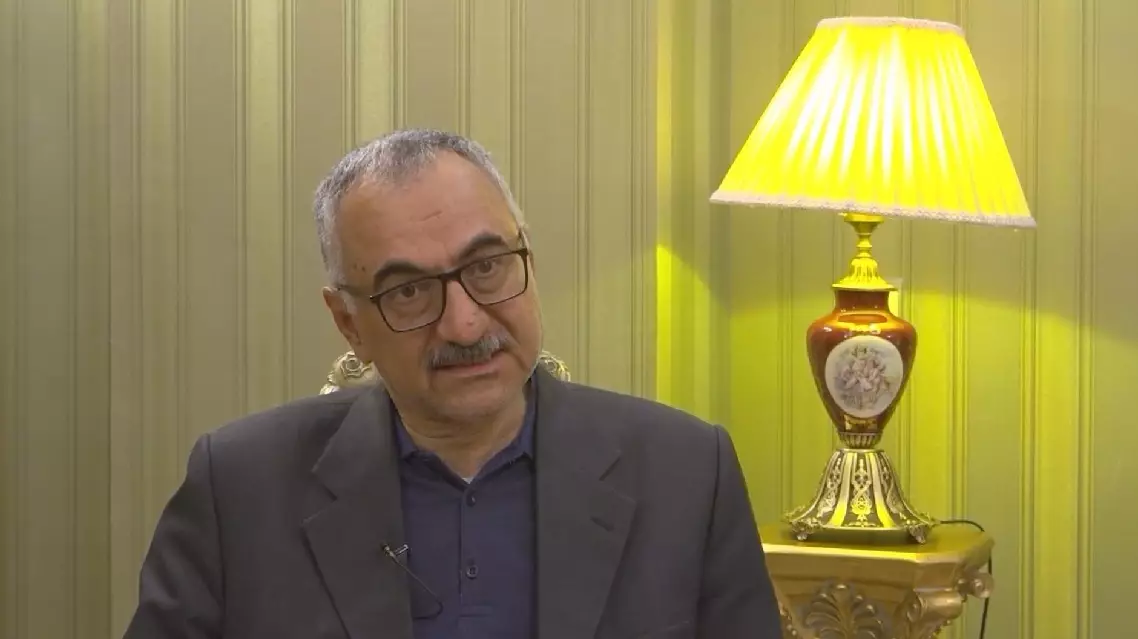
Iran faces growing energy challenges as winter approaches