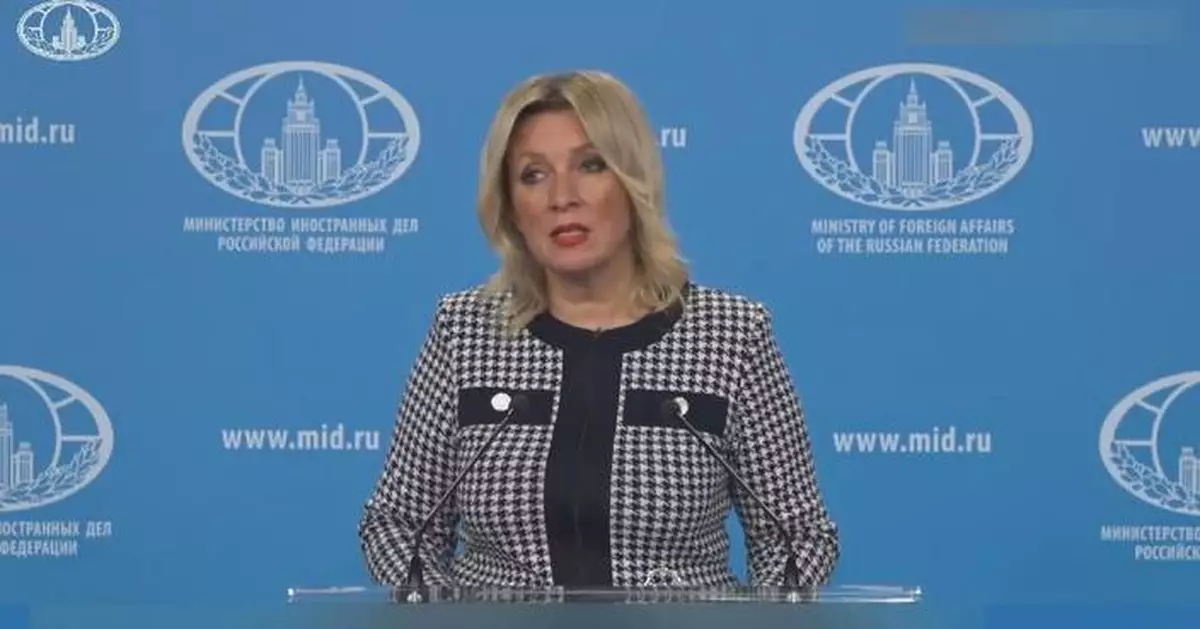
Russia looks forward to fruitful outcomes from the upcoming APEC Economic Leaders' Meeting in China's Shenzhen, Russian Foreign Ministry spokesperson Maria Zakharova said Wednesday.
At a regular press conference in Moscow, Zakharova praised China's work as the 2026 APEC host, describing it as rich and productive, and expressed Russia's gratitude for China's meticulous organization and thorough planning of the event.
"We are, of course, grateful to our Chinese friends for the impeccable organization and well-thought-out planning of this complex multilateral event, and for our part, we view the upcoming summit in Shenzhen, to be held on Nov. 18–19, as an opportunity to comprehensively present Russia's approaches to cooperation in the dynamic Asia-Pacific region and our economy's contribution to its rapid development. We also look forward to having a frank discussion on our joint efforts to address regional and economic challenges," said the spokeswoman. She emphasized that Russia and China both stand for upholding the principle of non-discrimination, keeping supply chains stable, unimpeded and open, opposing rising protectionism, the politicization of investment and technology issues and unilateral sanctions that violate international law.
Russia supports China's efforts to advance the Free Trade Area of the Asia-Pacific (FTAAP) and takes an active part in drafting the relevant outcome documents, she added.
The spokeswoman concluded by wishing China every success in completing its work as the APEC host this year and voiced hope that the meeting will contribute to economic development in the Asia-Pacific and shared prosperity for peoples of all countries.
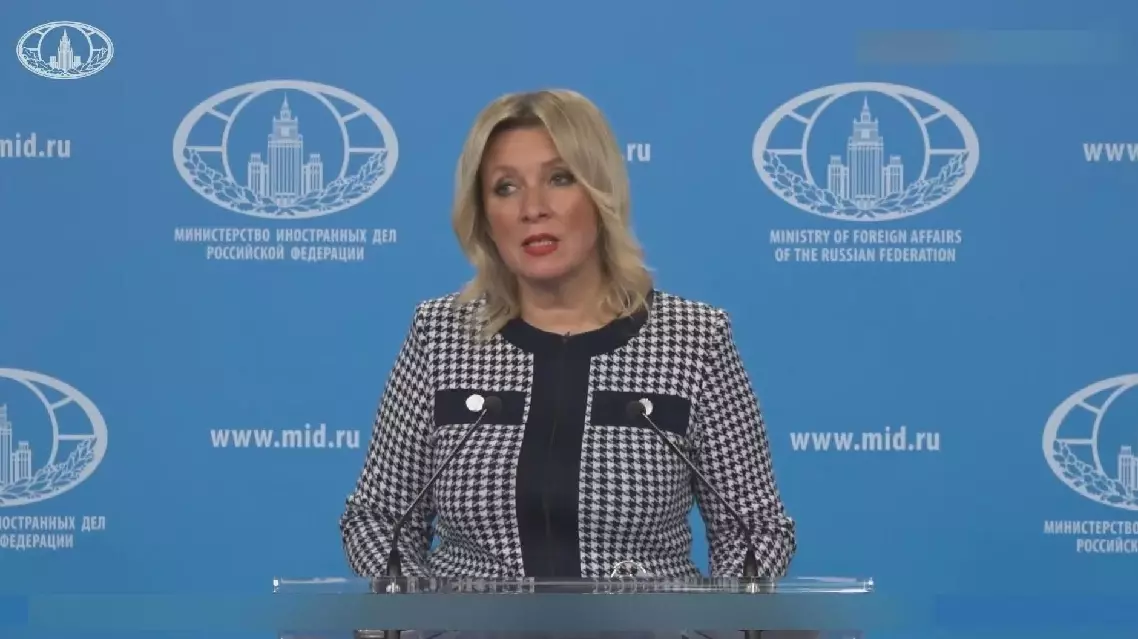
Russia looks forward to fruitful outcomes from APEC Economic Leaders' Meeting: spokeswoman
Russia looks forward to fruitful outcomes from APEC Economic Leaders' Meeting: spokeswoman
The ninth Paris Peace Forum took place in the French capital from Tuesday to Wednesday, calling for reinforced multilateral cooperation to confront global challenges across security, climate, technology and development.
Held under the theme "From sovereignty to cooperation," the two-day forum gathered more than 350 global speakers across more than 80 discussion sessions. The agenda spanned four primary tracks: peace and geopolitics, the planet, development, and emerging technologies. Alongside the main event, organizers held a "Child Summit" focused on children's welfare amid global shifts.
Organizers said this year's forum was held in a backdrop of strain on multilateral institutions and international law, arguing that nations must strengthen mutual cooperation while preserving sovereignty to effectively address worldwide crises.
In a video speech delivered at the opening session, UN Secretary-General Antonio Guterres described sovereignty as a core principle of the UN Charter, while noting that cooperation remains essential for nations to safeguard their own sovereignty. Guterres called on the international community to build a networked, multipolar world grounded in international law.
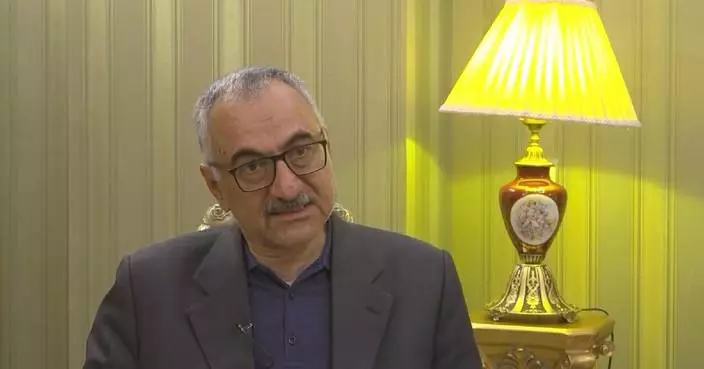
Addressing the tension between safeguarding sovereignty and pursuing multilateralism, Cui Hongjian, a professor at the Academy of Regional and Global Governance at Beijing Foreign Studies University, warned against rising unilateralism.
"Currently, some countries are pursuing many unilateralist, or even hegemonic policies. As a result, for many nations, the issue of how to enhance their own capabilities -- especially the capability to safeguard and defend their sovereignty -- has become rather urgent. On the other hand, however, the enhancement and strengthening of sovereignty should not contradict international cooperation," Cui said.
This year's forum also placed particular emphasis on cooperation regarding critical mineral resources. Experts noted that as long-standing major suppliers of mineral resources, countries of the Global South still need stronger voice and protection of their interests in international resource cooperation, calling for more open and inclusive mechanisms to help them better participate in global industrial and supply chains.
"As a representative country of the Global South, China has actually made substantial policy, financial, and industrial investments over the years, both in strengthening trade and industrial cooperation with other Global South countries and in promoting green and digital transformation," Cui said.
Launched in 2018, the Paris Peace Forum serves as an international platform for states, international organizations, and non-governmental actors to advance global governance solutions.
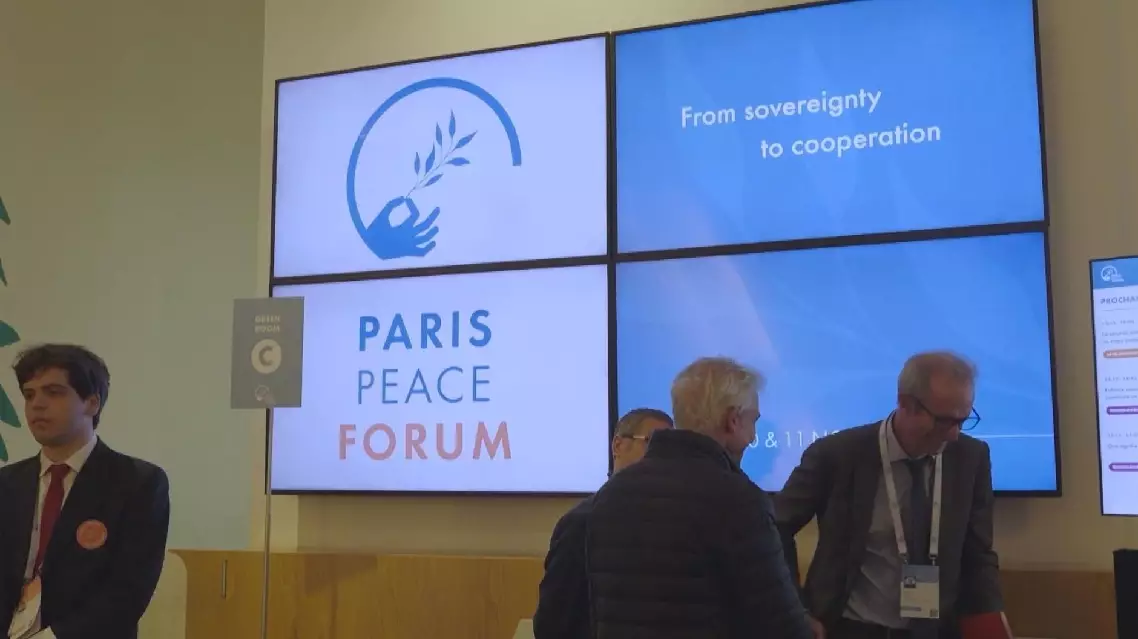
9th Paris Peace Forum urges global cooperation amid rising pressures on multilateralism