China is deeply concerned over the escalating conflict in Yemen and called on all parties concerned to resolve their differences and disputes through dialogue and negotiations, Fu Cong, China's permanent representative to the United Nations, said on Thursday.
The United Nations Security Council on Thursday unanimously adopted a resolution renewing the sanctions regime related to Yemen for one more year, until November 14, 2027, under Resolution 2140. The mandate for the Panel of Experts that assists the Yemen Sanctions Committee was extended until December 15, 2027.
With the ongoing conflicts in the Middle East and the rapid escalation of the situation on the ground in Yemen, the spillover effects continue to widen, Fu said.
China supports the sovereignty, security, and territorial integrity of regional countries, including Yemen and Saudi Arabia, and has consistently opposed attacks targeting civilians and civilian infrastructure, he said.
China calls on all parties concerned to refrain from actions that could lead to further escalation of the regional situation, Fu added.
"The Security Council's sanctions are merely a means, not an end in themselves. We hope the situation in Yemen will de-escalate as soon as possible, and all parties concerned will return to the path of dialogue and negotiations, so as to create necessary conditions for a political settlement of the Yemen crisis," Fu said.
In 2014, the United Nations Security Council adopted Resolution 2140 on Yemen, establishing the Sanctions Committee and imposing financial and travel bans on individuals or groups engaging in or providing support for acts that threaten the peace, security, and stability of Yemen.
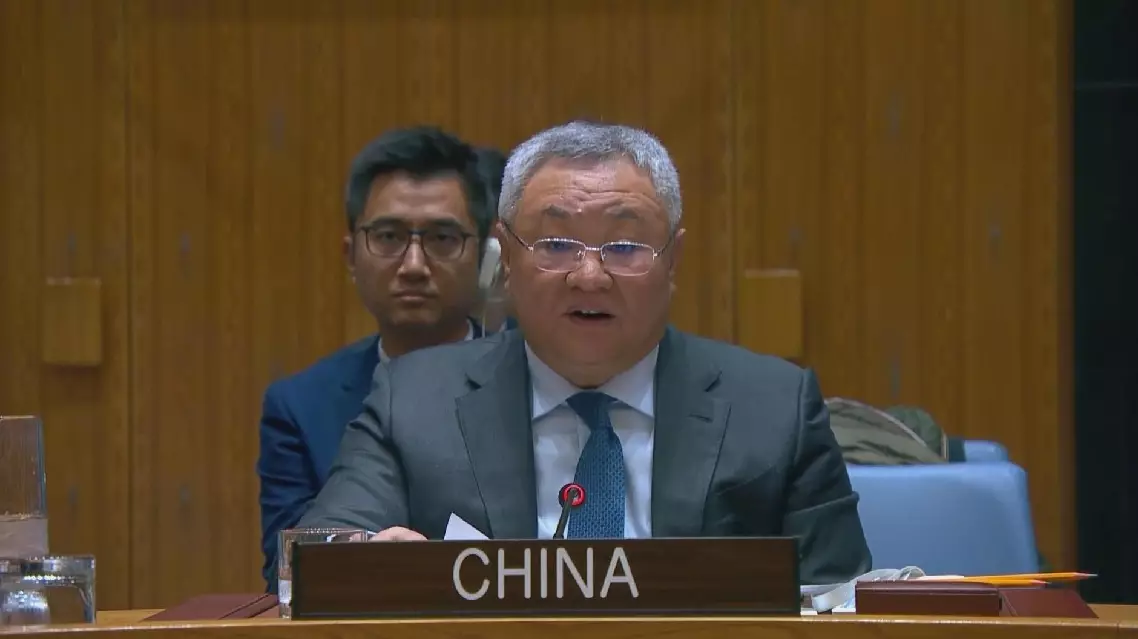
Chinese envoy to UN calls for de-escalation in Yemen