The nine mainland cities of the Guangdong-Hong Kong-Macao Greater Bay Area (GBA) recorded 9.46 trillion yuan (around 1.42 trillion U.S. dollars) in foreign trade in the first 10 months, up 26 percent year on year, according to statistics from the Guangdong Sub-administration of the General Administration of Customs on Friday.
As a city cluster, the GBA is one of the most economically open areas in China. It is composed of nine cities in south China's Guangdong Province, Guangzhou, Shenzhen, Zhuhai, Foshan, Huizhou, Dongguan, Zhongshan, Jiangmen and Zhaoqing, and the two special administrative regions of Hong Kong and Macao.
The growth was six percentage points faster than the national average, buoyed by the country's strong international trade and the region's vitality as an export hub. The nine cities accounted for 21.1 percent of China's total foreign trade value, up one percentage point from the same period last year.
Exports reached 5.54 trillion yuan (around 830 billion U.S. dollars), up 15.1 percent, while imports rose 45.4 percent to 3.92 trillion yuan (around 590 billion U.S. dollars).
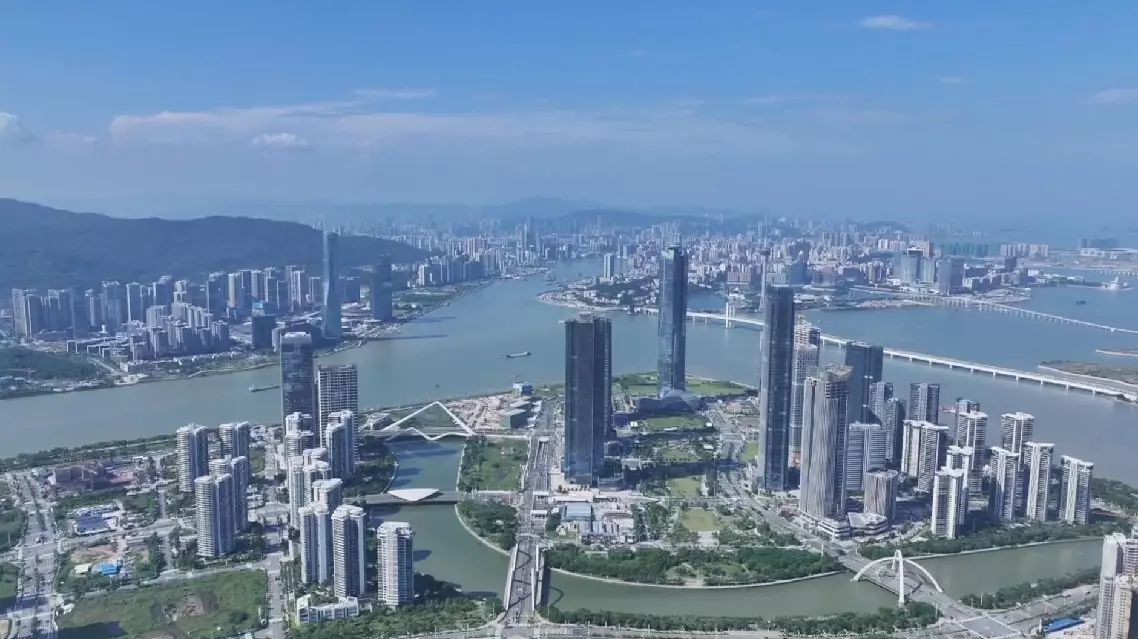
Mainland cities of Greater Bay Area see 26 pct trade growth in first 10 months
Renminbi (RMB) clearing in Indonesia officially began on Thursday, with Bank of China serving as the designated RMB clearing bank.
About 100 representatives from government departments, enterprises and financial institutions of both China and Indonesia attended the opening ceremony held at Bank Indonesia, the country's central bank, on the same day.
Indonesia's central bank governor Destry Damayanti said in her remarks that with the launch of the RMB clearing bank and the improvement of the local currency transaction mechanism, businesses can now settle trade with China directly in RMB, or Chinese yuan. This will help reduce reliance on third-party currencies, safeguard exchange rate stability, and strengthen the regional economy's resilience against external shocks.
"This is a landmark development, especially as we see that trade between Indonesia and China continues to expand significantly. Therefore, we need an RMB foreign exchange market in Indonesia. Such a market will help diversify transaction options and allow us to use the RMB more widely, rather than limited to the U.S. dollar," she said.
Currently, 12 local and foreign banks, including Bank of China, Industrial and Commercial Bank of China, China Construction Bank, Bank Mandiri and Bank Negara Indonesia, have become participating banks of the RMB clearing bank as appointed cross-currency dealers, with all relevant trading infrastructure fully in place.
"As the RMB clearing bank in Indonesia, the Bank of China Jakarta Branch will work with local financial institutions to build an RMB ecosystem in Indonesia, creating more scenarios that benefit businesses and the general public, and jointly promoting economic, trade and financial exchanges between the two countries," said Liu Yue, assistant country manager at Bank of China Jakarta Branch.
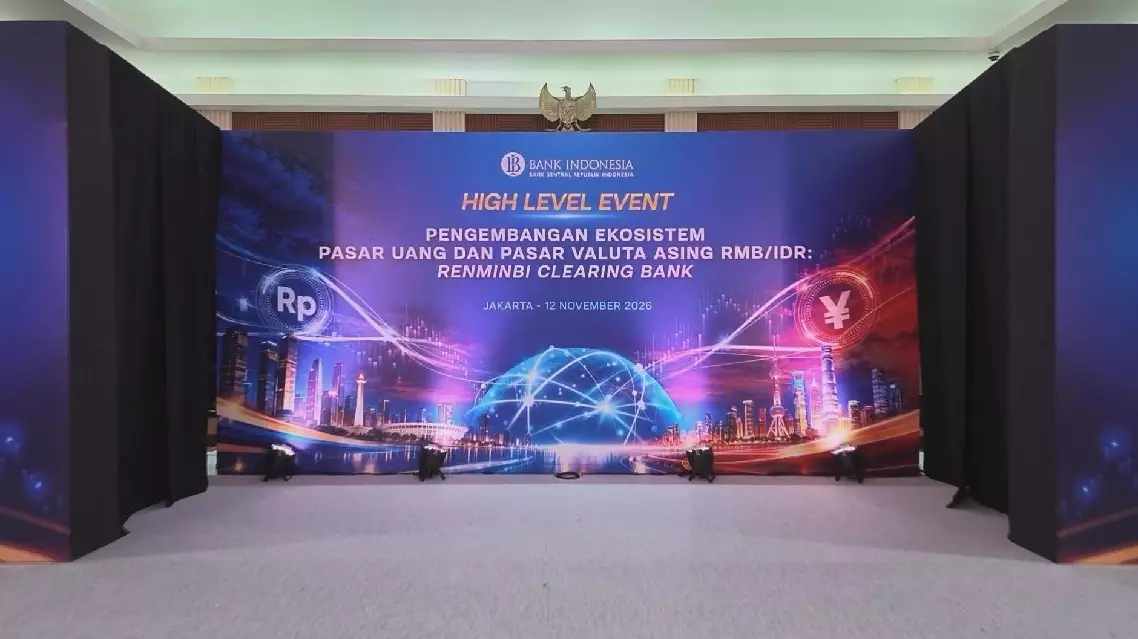
Indonesia launches RMB clearing bank