The extreme weather driven by El Nino is posing health risks for residents in Venezuela, prompting experts to call for long-term preparedness.
According to the World Meteorological Organization, El Nino has been intensifying since August and is expected to reach its strongest level on record by December, posing multiple challenges to livelihoods across Latin America.
Venezuela is in a high-risk zone, and healthcare workers are urging the public to take protective measures.
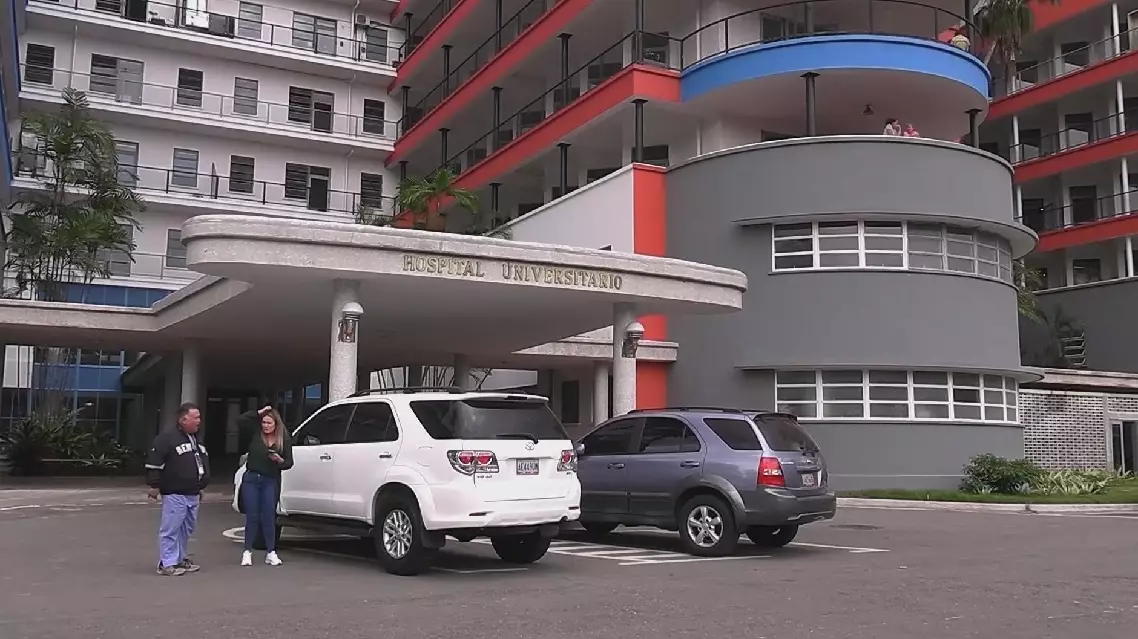
"Logically speaking, people with underlying diseases are prone to heatstroke. Heatstroke is characterized by an increase in body temperature, accelerated heartbeat and elevated blood pressure. If there are underlying diseases such as hypertension, heart disease or other chronic and non-communicable diseases, the symptoms of heatstroke will be much more obvious," said Huniades Medina, a doctor from University Clinical Hospital of Caracas.
In response to climate-related health risks, Venezuela's Ministry of Health issued an alert in September, warning of the ongoing impact of the El Nino, local medical workers have also urged the public to take protective measures.
"Patients with hypertension, diabetes and all those with complications should take their medicine on time and also stay hydrated," said Medina.
El Nino could bring irregular rainfall, higher temperatures, unusual storm activity, drought, and other extreme weather events during its course.
Among these threats, prolonged drought is likely to trigger wildfires. The resulting dense smoke can harm the respiratory system, leading to a rise in asthma and other lung diseases.
"Environmental pollution can damage the mucous membranes of the respiratory tract and immediately affect respiratory health," said Agustin Acuna, director of respiratory medicine department of University Clinical Hospital of Caracas.
Beyond directly triggering illnesses, extreme weather can also affect water supplies, community sanitation, agricultural production, and food security, among other areas.
"The impact of El Nino is multi-faceted. It can affect the spread of infectious diseases, food production and drinking water supply. It will have a very significant impact on many health fields. Power problems would disrupt the cold chain system. The cold chain problem directly affects vaccine transportation and further affects the accessibility of vaccination. All these factors together would lead to a chain reaction," said Acuna.
Experts anticipate that the negative impacts of El Nino will persist for the coming months, requiring sustained vigilance from healthcare professionals, patients, and the general public alike.
El Nino is a natural climate phenomenon characterized by the warming of sea surface temperatures in the central and eastern equatorial Pacific. It typically occurs every two to seven years and lasts about nine to 12 months. Its effects on global temperatures are often most pronounced in the year following its formation.
El Nino exacerbates public health risks in Venezuela