Skip to Content Facebook Feature Image

Shenzhen APEC|Li Chenggang Briefs on “China Year” Economic and Trade Cooperation, Nearly 50 Outcomes Reached with APEC Economies

China

Shenzhen APEC|Li Chenggang Briefs on “China Year” Economic and Trade Cooperation, Nearly 50 Outcomes Reached with APEC Economies
China

China

Shenzhen APEC|Li Chenggang Briefs on “China Year” Economic and Trade Cooperation, Nearly 50 Outcomes Reached with APEC Economies

2026-11-17 11:29 Last Updated At:11:29

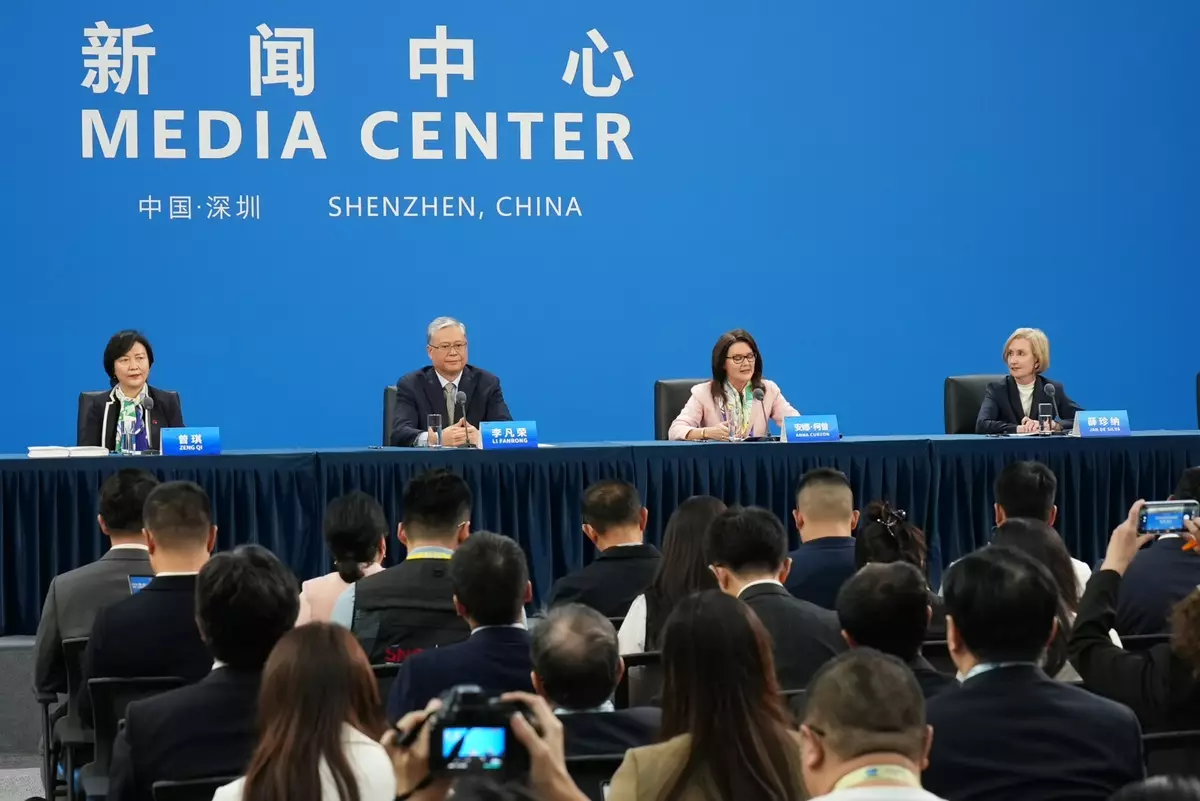
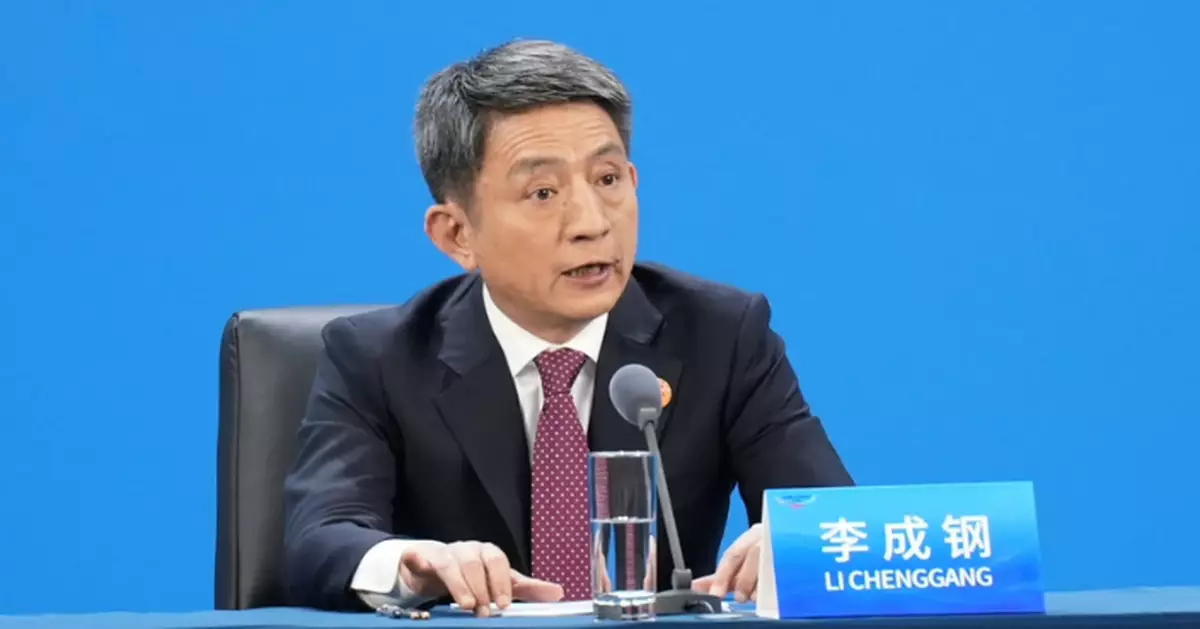
The fourth press briefing at the Media Center for the 2026 APEC Economic Leaders' Week was held on Monday (November 16). Li Chenggang, China International Trade Representative and Vice Minister of Commerce, briefed on economic and trade cooperation under APEC’s “China Year.”
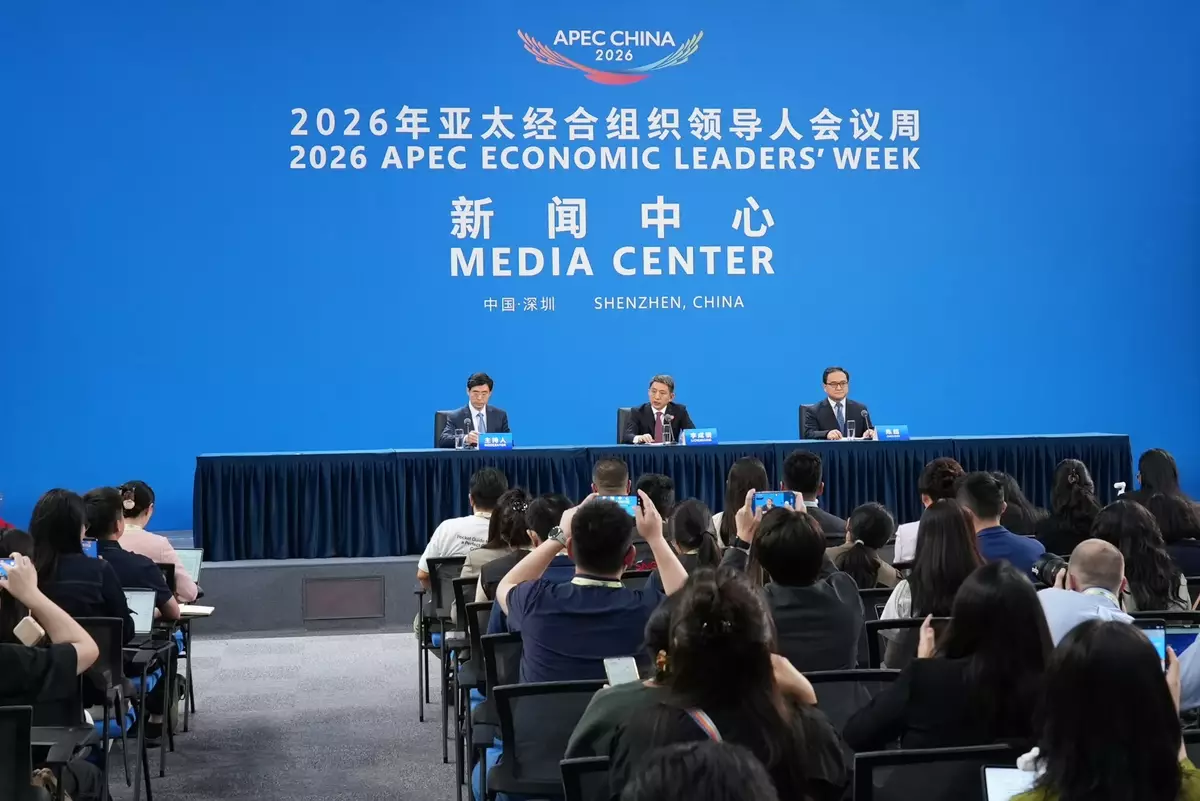
The fourth press briefing at the Media Center for the 2026 APEC Economic Leaders' Week was held on Monday (November 16). Photo by Bastille Post

The fourth press briefing at the Media Center for the 2026 APEC Economic Leaders' Week was held on Monday (November 16). Photo by Bastille Post

Li said China assumed the APEC host role in 2026, and the international community has placed high expectations on China to lead in promoting Asia-Pacific economic cooperation, advancing toward an Asia-Pacific community, and contributing Asia-Pacific solutions to global development. In May 2026, China successfully hosted the APEC Ministers Responsible for Trade Meeting in Suzhou, Jiangsu Province, producing the first joint statement of the “China Year,” the Suzhou Statement, and sending a clear message that the Asia-Pacific promotes prosperity and win-win outcomes through openness and cooperation. On November 3, China held a joint foreign and trade ministers’ meeting via video link to take stock of the year’s economic and trade outcomes and further consolidate consensus on cooperation.

Li noted that over the past year, the Ministry of Commerce, together with relevant departments, advanced cooperation in the economic and trade field along four main lines: promoting regional economic integration, supporting the work of the WTO, deepening digital and smart cooperation, and developing the green economy. Together with APEC economies, China reached nearly 50 practical outcomes, making a positive contribution to the APEC Economic Leaders' Meeting.
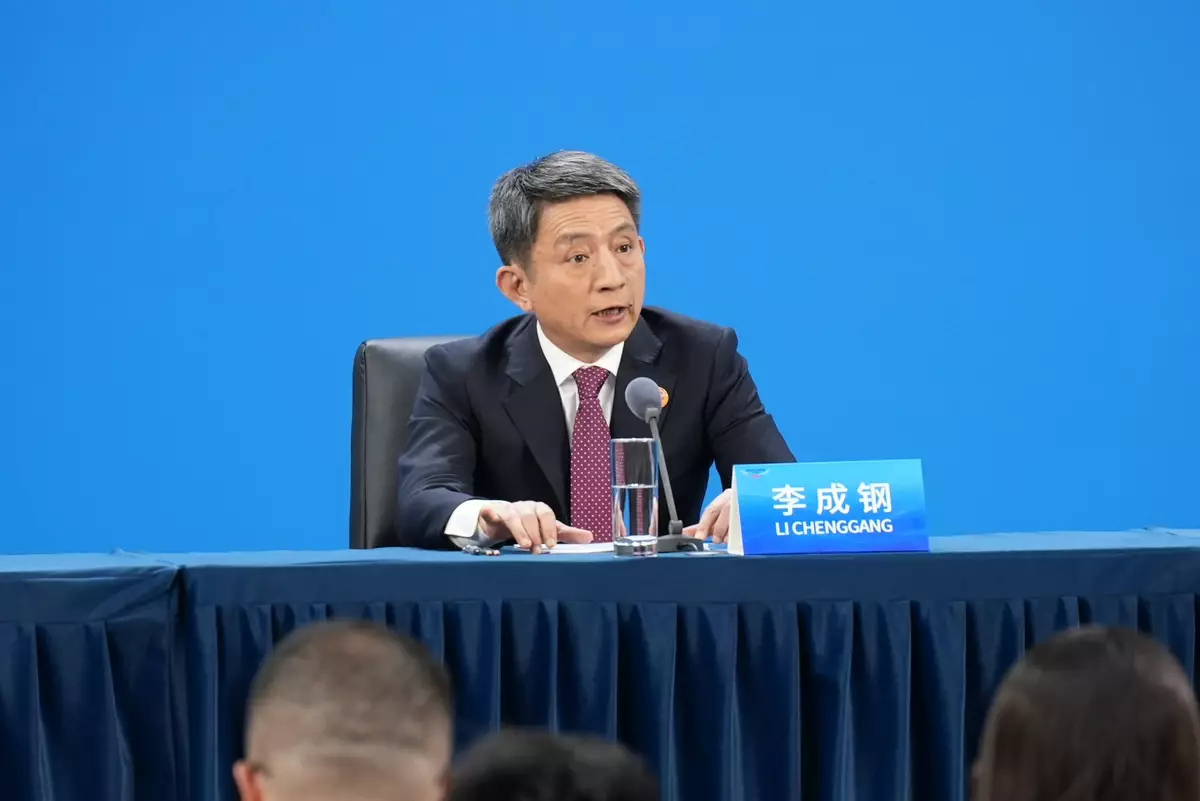
Li Chenggang, China International Trade Representative and Vice Minister of Commerce. Photo by Bastille Post

Li Chenggang, China International Trade Representative and Vice Minister of Commerce. Photo by Bastille Post

He said China has taken new steps in advancing the Free Trade Area of the Asia-Pacific (FTAAP) process. The APEC Ministers Responsible for Trade Meeting approved the APEC Roadmap for Innovative, Competitive and Resilient Services, providing important guidance for Asia-Pacific services trade cooperation over the next decade. The mid-term review of APEC Supply Chain Connectivity Framework Action Plan 2022–2026 (SCFAP III) was completed. In 2026, China proposed the formulation of an FTAAP outcome document to build a practical action framework; a standalone statement is expected to be reached during the APEC Economic Leaders' Meeting.

Li said China has injected Asia-Pacific momentum into the work of the WTO. China actively encouraged APEC economies to take the lead in supporting the operation and reform of the WTO, and facilitated consensus on issues including the moratorium on customs duties on electronic transmissions, agricultural and fisheries subsidies, investment facilitation, and e-commerce. Ngozi Okonjo-Iweala, Director-General of the WTO, commended China for “promoting talks, promoting peace and promoting outcomes” in the reform process. China put forward a “Pathfinder Initiative” on WTO reform at APEC and successfully held a trade and environment symposium, creating a positive atmosphere for WTO reform-related issues.
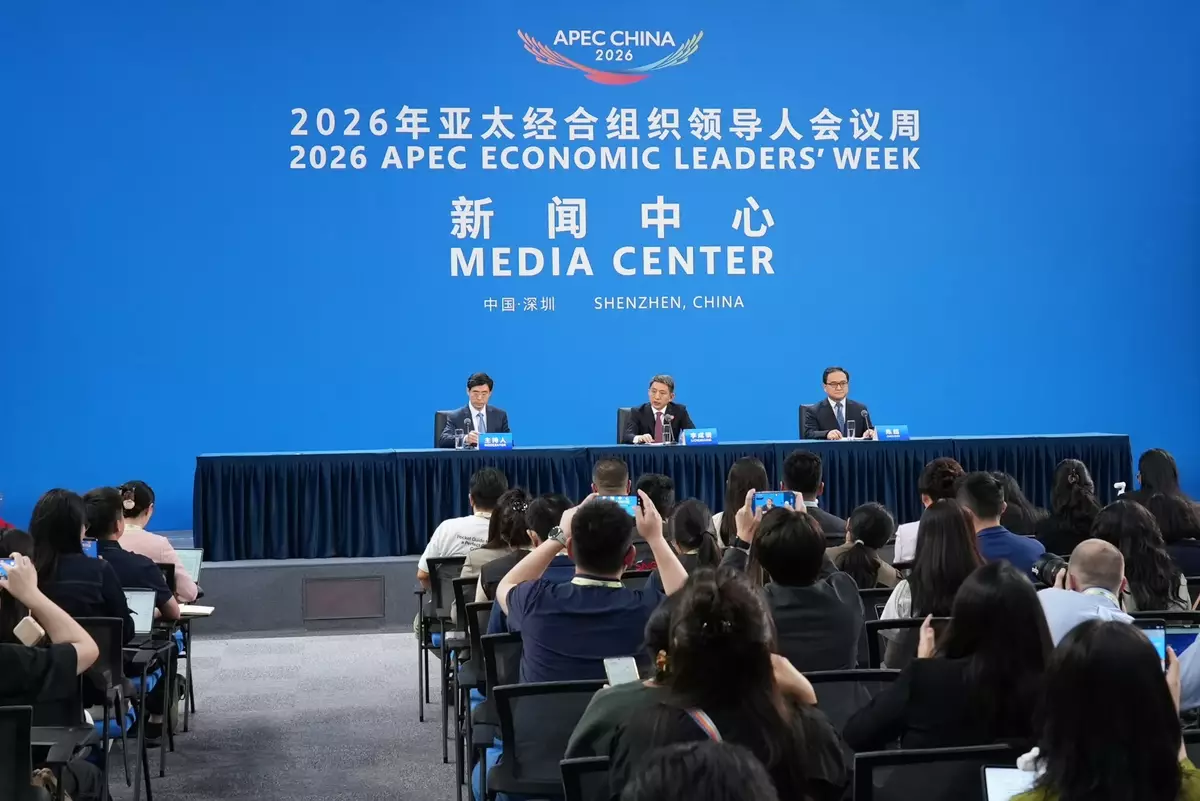
The fourth press briefing at the Media Center for the 2026 APEC Economic Leaders' Week was held on Monday (November 16). Photo by Bastille Post

The fourth press briefing at the Media Center for the 2026 APEC Economic Leaders' Week was held on Monday (November 16). Photo by Bastille Post

Li continued that the Ministry of Commerce has explored new opportunities for regional digital and smart economic and trade development and cooperation. Digital trade cooperation is the area with the broadest consensus and strongest cooperative atmosphere among APEC parties. In 2026, the APEC Center of Excellence for Paperless Trade (ACCEPT) was officially launched, and the China-led cooperation framework on trade digitalization entered final consultations. The Asia-Pacific Model E-port Network, led by China, welcomed Thailand’s National Telecom as a new member in 2026; it now covers 26 ports or electronic ports across 13 economies, playing a pioneering role in promoting regional data connectivity in the Asia-Pacific.

Li noted that China’s development of the green economy has added new highlights to Asia-Pacific economic and trade cooperation. APEC members have made positive progress in areas such as environmental services, green energy and new energy vehicles. During the APEC Ministers Responsible for Trade Meeting in May, China held seminars on green supply chains and green minerals, sharing concepts, standards and good practices, and providing a practical platform for sustainable development pathways in the Asia-Pacific region.

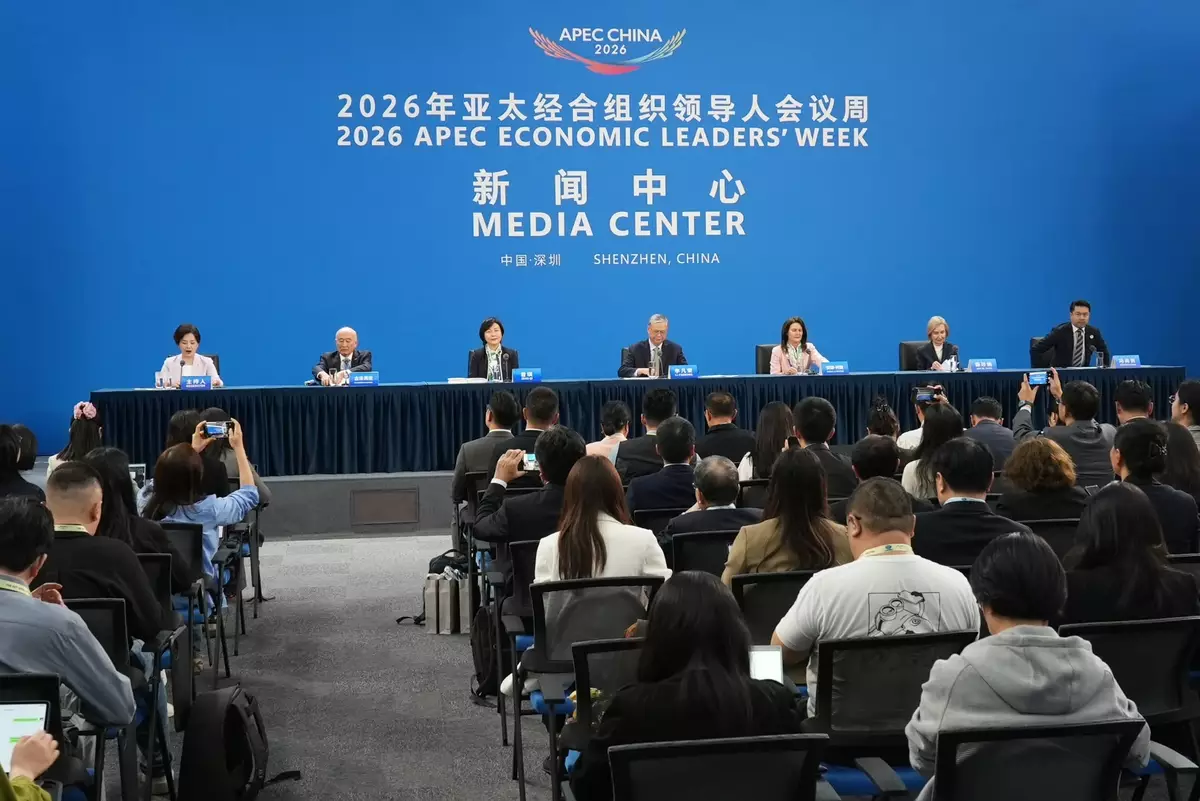
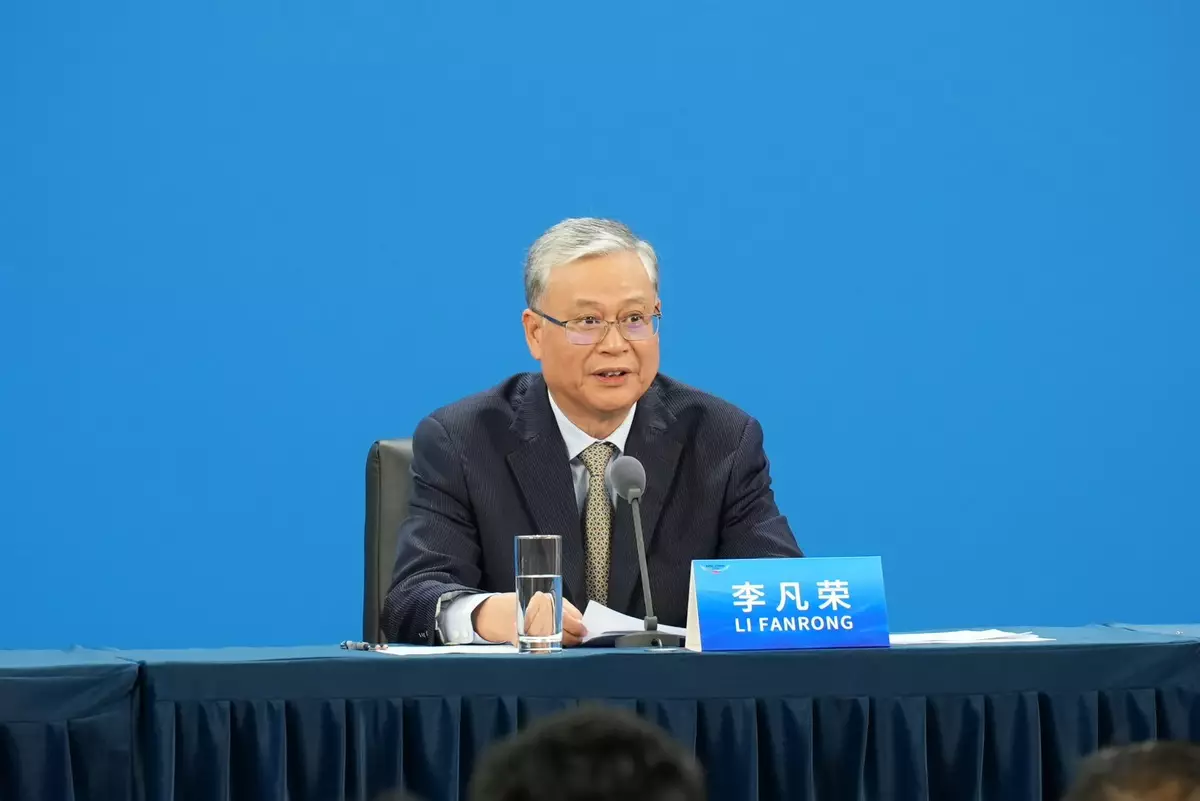
Li Fanrong, Chair of the APEC Business Advisory Council (ABAC) 2026 and Chairman of Sinochem, briefed the media in Shenzhen on Monday afternoon (Nov 16) on ABAC’s work throughout the year and its meetings held from Nov 14 to 16. He said this year’s four ABAC meetings, held successively in Jakarta, Mexico City, Bangkok and Shenzhen, produced a total of 14 outcome documents, including the ABAC Report to APEC Economic Leaders. Among them, the ABAC Statement on FTAAP and the ABAC Statement on Connectivity drew widespread attention, contributing high-value business input to the APEC Economic Leaders’ Meeting.

Li Fanrong, Chair of the APEC Business Advisory Council (ABAC) 2026 and Chairman of Sinochem, briefed the media in Shenzhen on Monday afternoon (Nov 16) on ABAC’s work throughout the year and its meetings held from Nov 14 to 16. Photo by Bastille Post

Li Fanrong, Chair of the APEC Business Advisory Council (ABAC) 2026 and Chairman of Sinochem, briefed the media in Shenzhen on Monday afternoon (Nov 16) on ABAC’s work throughout the year and its meetings held from Nov 14 to 16. Photo by Bastille Post

ABAC is the primary channel for the business community to participate in APEC cooperation, comprising 63 representatives from 21 member economies and submitting policy recommendations to APEC leaders annually.

Photo by Bastille Post

Photo by Bastille Post

Li said this year’s work once again demonstrated that the business community is a solid ballast for win-win cooperation in the Asia-Pacific and an important force driving regional economic integration. ABAC will continue to voice the reasoned views of the Asia-Pacific business community, build consensus and pool synergy for cooperation to promote the prosperity of the Asia-Pacific, he added.

Li Fanrong, Chair of the APEC Business Advisory Council (ABAC) 2026 and Chairman of Sinochem. Photo by Bastille Post

Li Fanrong, Chair of the APEC Business Advisory Council (ABAC) 2026 and Chairman of Sinochem. Photo by Bastille Post

Li outlined three priorities. Openness as the cornerstone: ABAC calls for maintaining a free, open, fair, transparent, and predictable trade and investment environment, strengthening the WTO-centered multilateral trading system, and opposing unilateralism and protectionism.

Connectivity as the lifeline: ABAC calls for greater investment in zero-carbon and low-carbon transport and disaster-resilient infrastructure, stronger port and logistics corridors, modernisation and digitalisation of the APEC Business Travel Card, and expanded cross-border QR code payments.

Synergy as the engine: ABAC calls for promoting the responsible development of frontier AI technologies and improving governance frameworks, strengthening food, energy and water security, and deepening public-private partnerships to mobilise private capital in infrastructure, healthcare and climate adaptation.

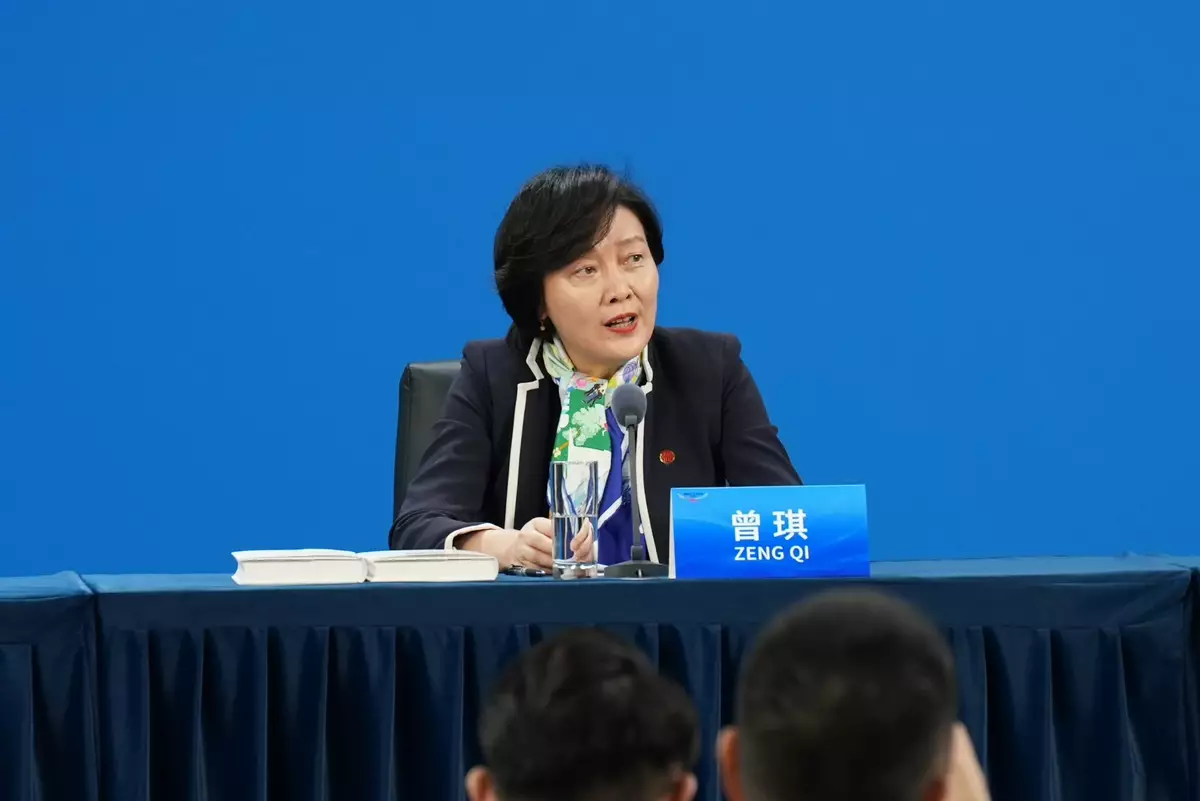
Zeng Qi, China’s representative to ABAC and Chair of the ABAC Connectivity Working Group. Photo by Bastille Post

Zeng Qi, China’s representative to ABAC and Chair of the ABAC Connectivity Working Group. Photo by Bastille Post

Zeng Qi, China’s representative to ABAC and Chair of the ABAC Connectivity Working Group, said substantive progress was made across the three pillars of connectivity this year. On physical connectivity, 15 proposals were advanced, including investment and upgrading of existing infrastructure, optimisation of cross-border port transport corridors and APEC route opening, and development of zero-carbon transport and supporting green infrastructure.

On institutional connectivity, ABAC advanced 30 proposals, including customs collaboration and cross-border trade data-sharing mechanisms, further expanding paperless trade and sharing practical cases of cross-border QR code payments and multi-currency settlement.

On people-to-people connectivity, eight proposals were put forward, including promotion of the APEC Business Travel Card and mutual recognition of professional qualifications and skill standards.

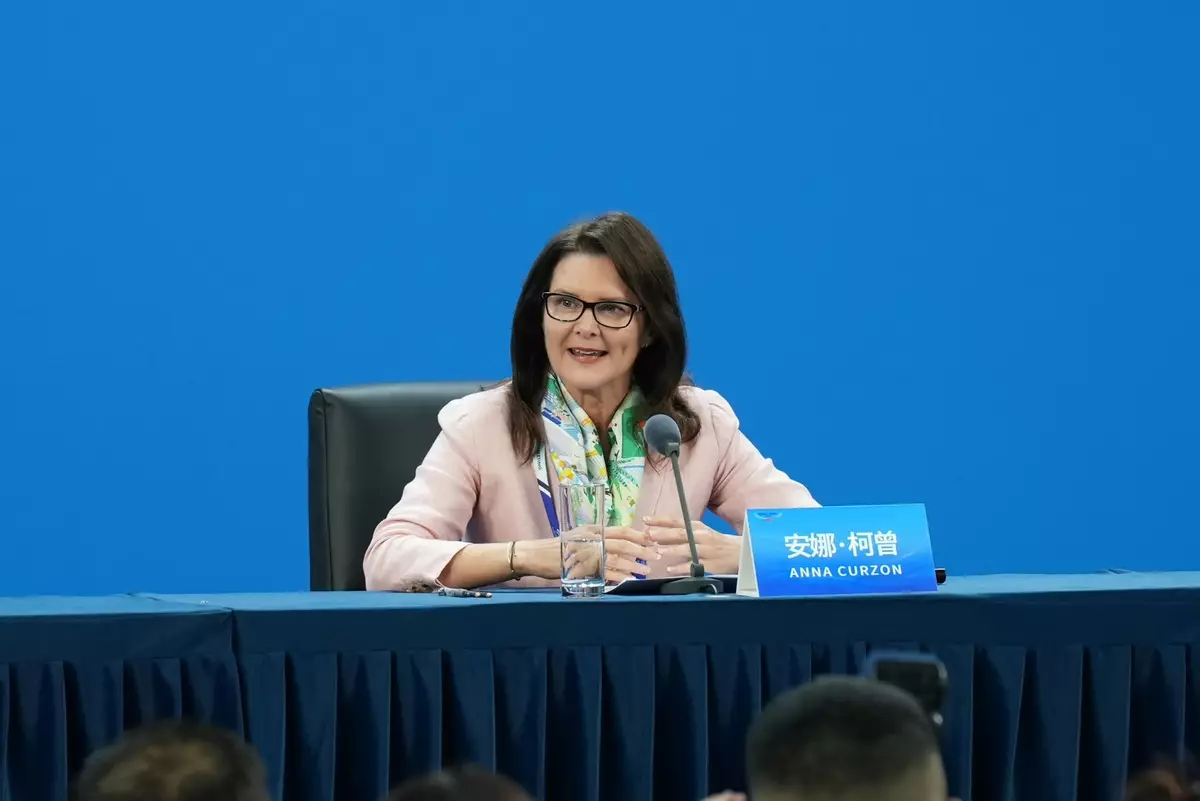
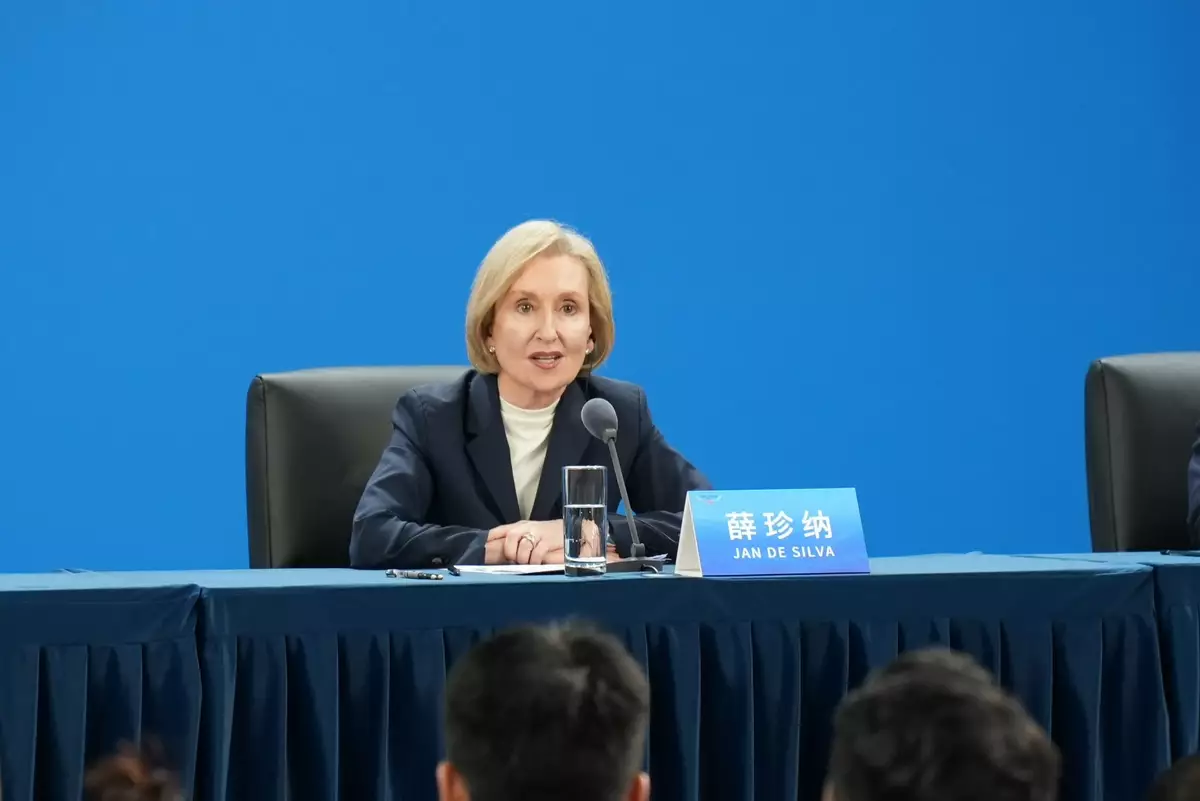
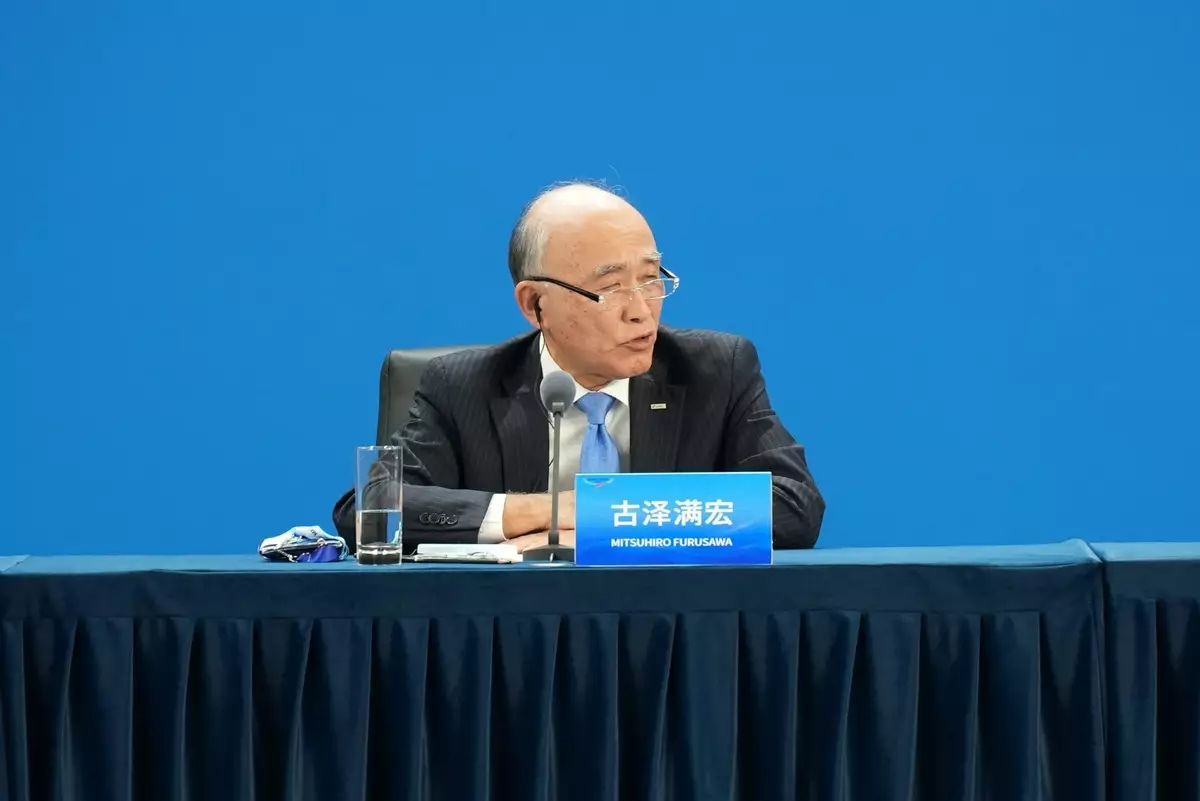
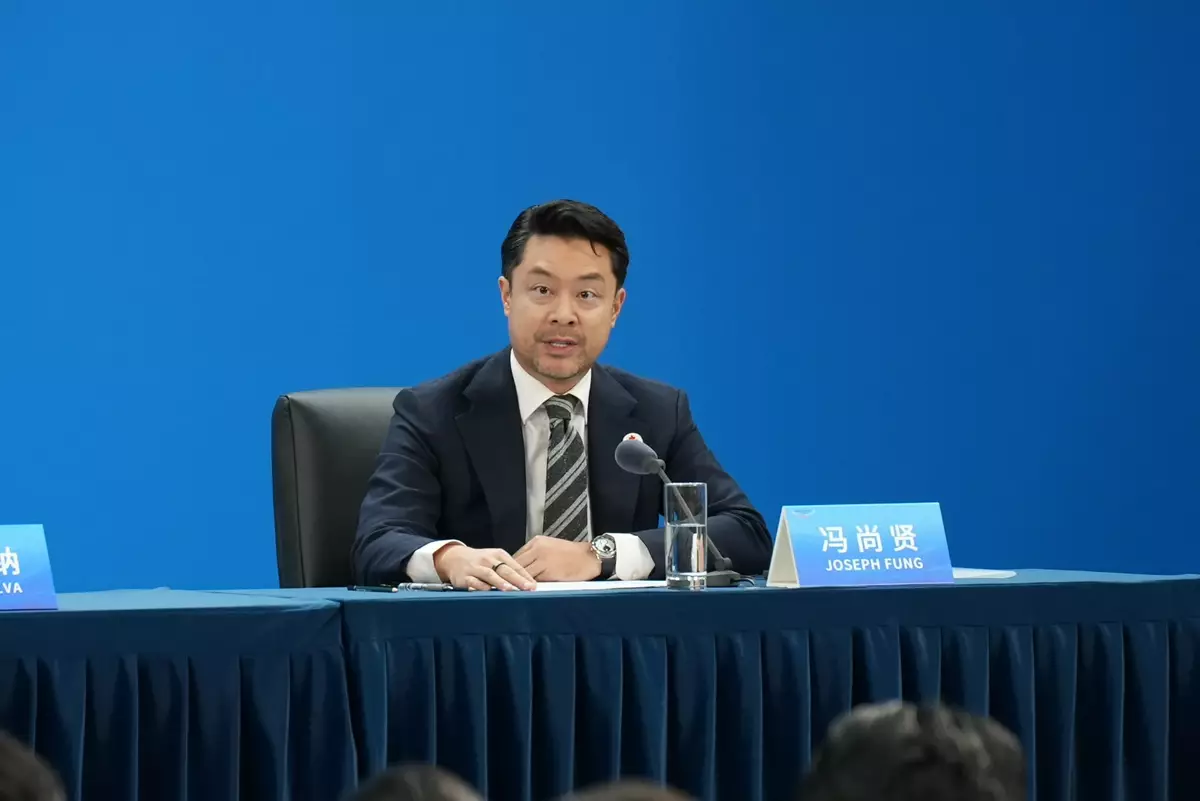
Also attending the press conference were Anna Curzon, Chair of the ABAC Regional Economic Integration Working Group; Janet De Silva, Chair of the ABAC Digital and Innovation Working Group; Mitsuhiro Furusawa, Chair of the ABAC Finance and Economics Task Force; and Joseph S. Fung, Vice-Chair of the ABAC Sustainability Working Group.

Anna Curzon, Chair of the ABAC Regional Economic Integration Working Group. Photo by Bastille Post

Anna Curzon, Chair of the ABAC Regional Economic Integration Working Group. Photo by Bastille Post

Janet De Silva, Chair of the ABAC Digital and Innovation Working Group. Photo by Bastille Post

Janet De Silva, Chair of the ABAC Digital and Innovation Working Group. Photo by Bastille Post

Mitsuhiro Furusawa, Chair of the ABAC Finance and Economics Task Force. Photo by Bastille Post

Mitsuhiro Furusawa, Chair of the ABAC Finance and Economics Task Force. Photo by Bastille Post

Joseph S. Fung, Vice-Chair of the ABAC Sustainability Working Group. Photo by Bastille Post

Joseph S. Fung, Vice-Chair of the ABAC Sustainability Working Group. Photo by Bastille Post

Recommended Articles