Pain relief may come from more than medication. A study by the Department of Psychology at Lingnan University has found that simply feeling a sense of ownership over an object believed to relieve pain may help people cope better with pain, even when the object itself contains no active ingredients. These findings have been published in the international medical journal The Journal of Pain, and provide a new direction for exploring a low-cost approach to supporting pain management in healthcare.
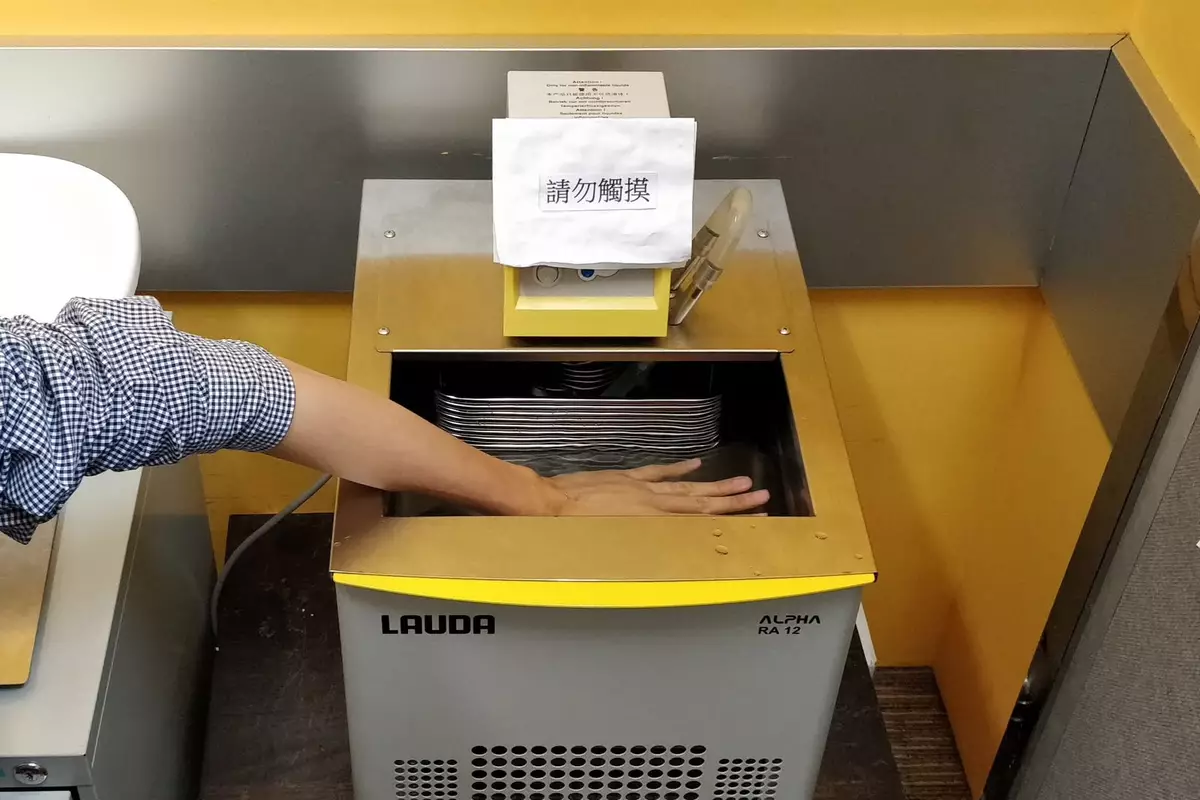
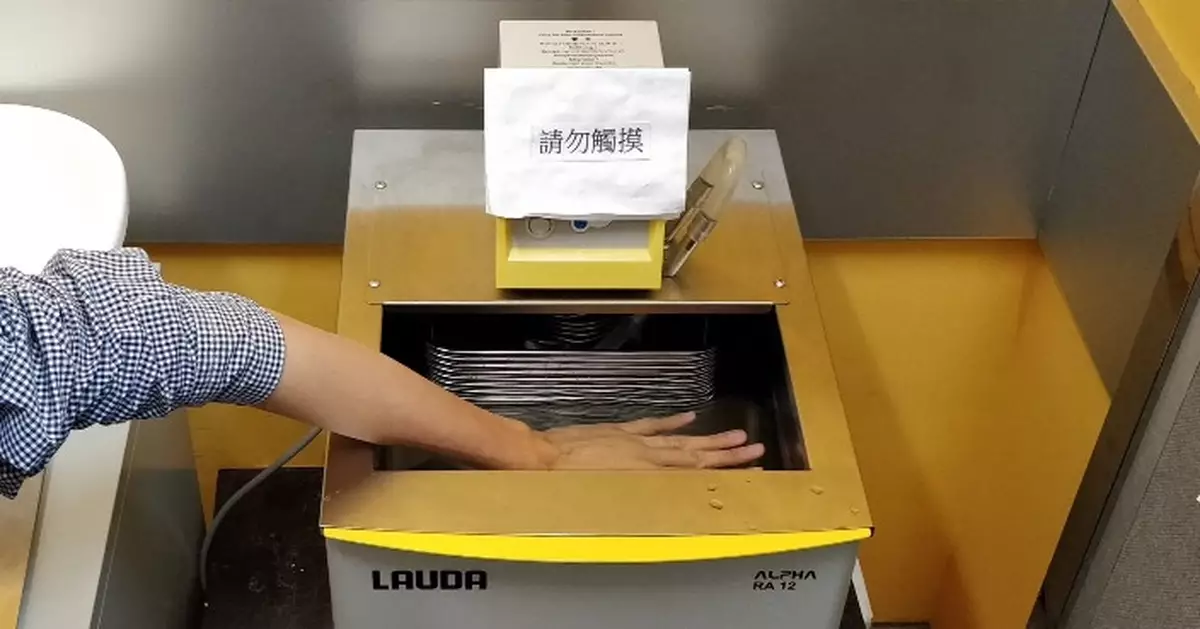
A study led by the Department of Psychology at Lingnan University found that when individuals develop a sense of ownership over an object believed to relieve pain and establish a strong psychological connection with it, they experience pain later and tolerate it for longer, even without ever using the object. Photo source: LU
The Lingnan University research team recruited a total of 187 healthy adults who had no chronic pain conditions or neurological disorders to participate in two controlled experiments using the Cold Pressor Test (CPT), obtaining valid data for analysis. In the experiments, participants completed the CPT, in which participants were required to place their hands in cold water to measure how long it takes for them to first feel pain and how long they can tolerate the discomfort before withdrawing their hands. The results revealed that participants who felt a sense of ownership over a pain-relieving object and established a psychological connection with it experienced pain later and tolerated it for longer, even without actually using the object.
The first study divided participants randomly into four groups. The first group received a cream labelled with their own name. They were asked to sign a form confirming ownership of the cream and to write about why it was important to them. The second group received an identical cream labelled with a stranger's name and wrote about why it was not important to them. Neither group actually used the cream, and they were unaware that it was a placebo containing no active pain-relieving ingredients. The third group received a cream unrelated to pain relief, while the fourth group received no cream.
The results revealed that the first group, who received the cream labelled with their own name and developed a stronger psychological attachment to it, experienced pain significantly later than participants in the other groups. On average, they first felt pain after 8.03 seconds, compared with 3.92 to 5.14 seconds in the other groups. Their average pain tolerance time was about 105 seconds, which was significantly longer than the 53 to 66 seconds observed among the other participants.
The findings suggest that people experienced pain later and tolerated it for longer not because they used a treatment, but because they felt a meaningful sense of ownership towards an object associated with treatment. Even without ever using the item, this sense of ownership was still able to influence their response to pain.
The research team conducted a second study to examine whether participants needed to consciously think about the importance of the object for the effect to occur. The results revealed that conscious reflection was not necessary. Participants who owned the placebo cream formed an automatic psychological association between themselves and the object. These participants tolerated pain for an average of 85.3 seconds, compared with 53.8 seconds among those who did not own the cream, representing an increase of nearly 60 per cent. The findings suggest that ownership can create a psychological connection "without deliberate thought", and that this automatic connection is associated with greater pain tolerance.
The research team pointed out that a sense of ownership itself may be an important factor in shaping pain responses. Rather than focusing only on the placebo effect, the findings highlight that granting patients ownership of a treatment-related object, and the psychological connection they establish with it, may influence how pain is experienced.

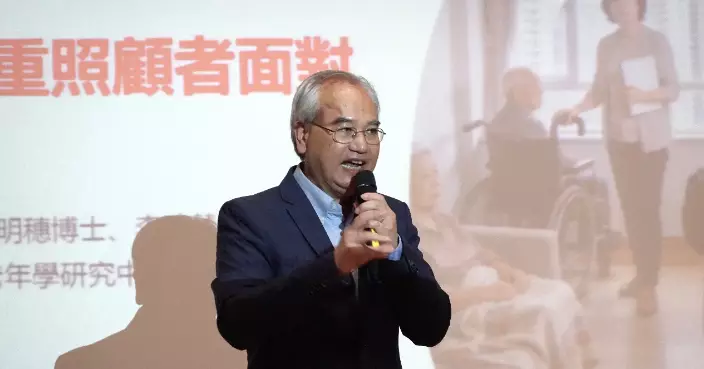
Prof Victoria Yeung Wai-lan, Professor in the Department of Psychology and Associate Dean (Research and Postgraduate Studies) of the Faculty of Social Sciences at Lingnan University. Photo source: LU
Prof Victoria Yeung Wai-lan, Professor in the Department of Psychology and Associate Dean (Research and Postgraduate Studies) of the Faculty of Social Sciences at Lingnan University, who led the study, said, “Past research often focuses on the actual effects of the treatments themselves, but our study shows that the psychological connection people establish with treatment-related objects may also influence treatment responses. We found that participants never applied the cream throughout the entire study, yet those who felt the cream belonged to them and attached personal meaning to it were able to tolerate pain for longer. This suggests that the psychological bond people form with an object may influence their response to pain.”
Prof Yeung added that the findings may provide new directions for healthcare research and clinical practice. “Frontline healthcare professionals could explore whether personalised treatment-related objects, such as medical items labelled with a patient’s name or objects carrying personal meaning, might help reduce anxiety and support pain management during medical procedures. Such approaches could potentially serve as safe, low-cost complements to conventional medical care.”
Co-authors of the study are Dr Alex Li Wang-on, Associate Professor of the Department of Counselling and Psychology at Hong Kong Shue Yan University, together with Lingnan University researchers Rose Ng Sze-ki and Eric Yau Kenson. The study was funded by the Lam Woo Research Fund and the General Research Fund of the Research Grants Council of Hong Kong.
The Lingnan University. Photo source: reference image
The full research paper: https://www.sciencedirect.com/science/article/abs/pii/S1526590026002245?via%3Dihub#bib7
To promote campus internationalisation and broaden students’ global perspective, Lingnan University held “International Day 2026 – Gateways to the World” on campus today, 3 November, co-organised by the Office of Global Education and the Office of Student Affairs. It attracted more than 800 students and members of the faculty and the public. Students from 17 countries and regions served as cultural ambassadors, wearing traditional attire and showing the customs and everyday life of their home countries through folk performances as well as cultural exhibits. The event was also open to the public, strengthening the University’s ties with the community and enabling visitors to discover the special appeal of different cultures through cross-cultural exchange.
The opening ceremony was officiated by Prof Raymond Chan Hon-fu, Vice-President (Academics) cum Provost and Lam Man Tsan Chair Professor of Scientific Computing at Lingnan University; Prof Xin Yao, Vice-President (Research and Innovation) and Tong Tin Sun Chair Professor of Machine Learning; Prof Sam Kwong Tak-wu, Associate Vice-President (Strategic Research), Dean of the School of Graduate Studies, and J.K. Lee Chair Professor of Computational Intelligence; Prof Bradley R. Barnes, Special Advisor to President on Internationalisation and Director of Global Education; and Ms Irene Ng Wai-ming, Director of Student Affairs.
In his welcome address, Prof Barnes explained that internationalisation is not simply about providing students with opportunities to participate in overseas exchange programmes. More importantly, the University is committed to building an international campus where students and staff from diverse cultural backgrounds can learn from one another, collaborate, and develop friendships through their everyday learning and campus life, highlighting the appeal of studying in the Hong Kong SAR. He said, “The Hong Kong SAR has the unique advantage of bringing Chinese and Western cultures together. Through immersive activities like this, the University equips students with the cross-cultural collaboration and communication skills they need to develop a broader global perspective while studying on campus, and better prepares them for careers in an increasingly international workplace.”
At “International Day 2026 – Gateways to the World”, students from Bhutan, the Chinese Mainland, France, Germany, India, Japan, Kazakhstan, Kyrgyzstan, Mexico, Moldova, Mongolia, Nepal, Pakistan, the Philippines, Poland, Russia, and the UK played an active role in planning and running the exhibition booths. Through music, traditional dance performances, handicraft displays, interactive booths, and in-depth discussions, they broke down linguistic and geographical barriers by introducing visitors to the history, traditions, and everyday cultures of their home countries. The campus was transformed into a vibrant global village, giving faculty, students and members of the public an opportunity to experience the cultural diversity and distinctive traditions of different parts of the world.
Dawit Kidu Hailezgi, from Ethiopia, is Lingnan University's first student admitted from the country this academic year. A first-year non-local student studying Health and Social Services Management in the Samuel C.C. Ting Elite Class, he assumed the role of Global Ambassador shortly after enrolment and participated in the event. He said, “International Day has given me the opportunity to engage with students from various countries and experience different cultures firsthand. As a first-year student new to Lingnan, this experience has not only allowed me to make many new friends and broaden my global horizons, but has also enabled me to deeply feel Lingnan's diverse, inclusive, and vibrant campus atmosphere.”
It also provided a platform for face-to-face cross-cultural dialogue between the University community and the public, giving students of different nationalities a better understanding of one another and some cross-cultural experience, while broadening their global perspective. It further enabled them to build international connections in a diverse yet inclusive environment, reinforcing the University’s commitment to whole-person education.
In recent years, Lingnan has actively promoted campus internationalisation in support of the Hong Kong SAR’s vision of becoming an international hub for post-secondary education. Through student exchange programmes, an international network of partner institutions, and an inclusive campus environment, the University integrates global elements into academic and campus life, creating more opportunities for students to engage with the world, and showcasing the highly internationalised learning environment of the Hong Kong SAR.
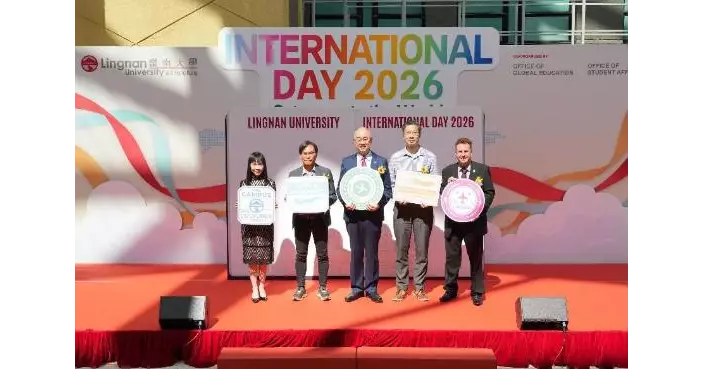
Students from 17 countries and regions play an active role in planning and running exhibition booths at “International Day 2026 – Gateways to the World”, transforming the campus into a vibrant global village and attracting more than 800 students and members of the faculty and public.
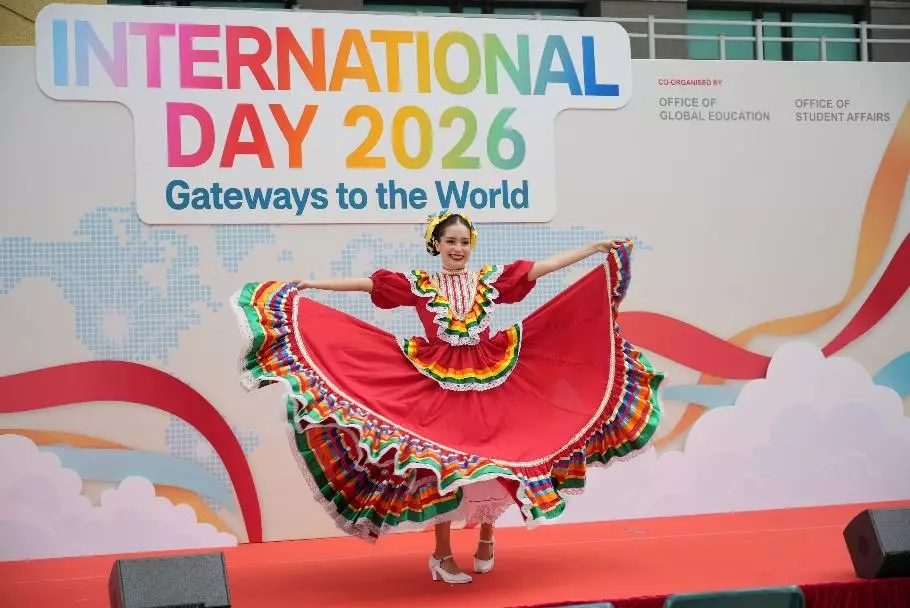
Exchange students from Mexico in traditional attire energise the audience with a folk dance showing the distinctive culture of Latin America, and draw crowds of students and staff.
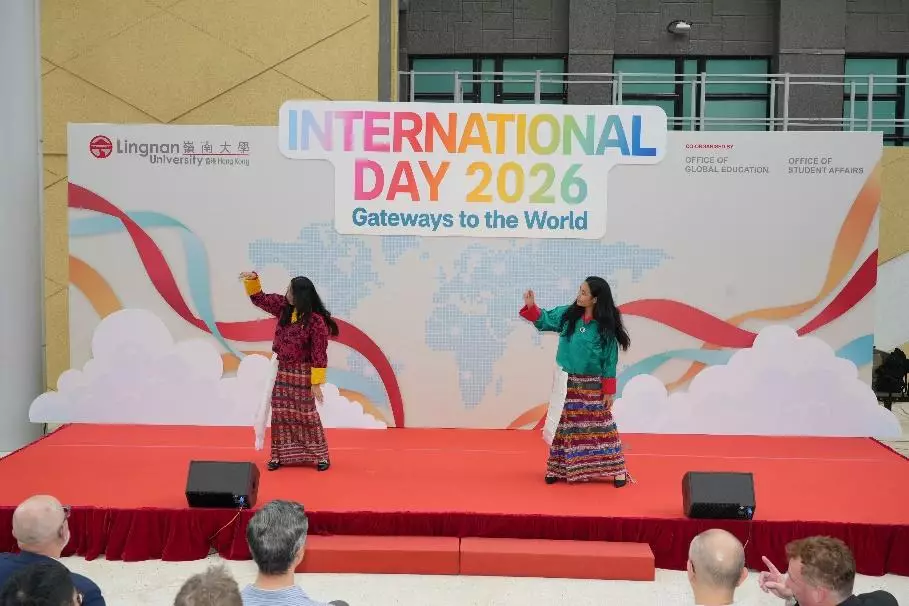
Students from Bhutan in traditional attire perform a folk dance, revealing their country’s rich cultural heritage to faculty and students.
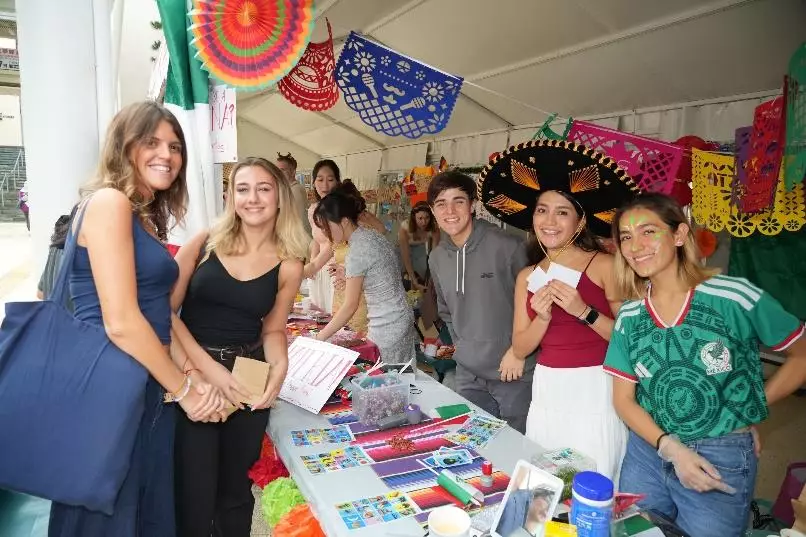
Students serve as cultural ambassadors, introducing visitors to local customs, traditions, and everyday life in their home countries.
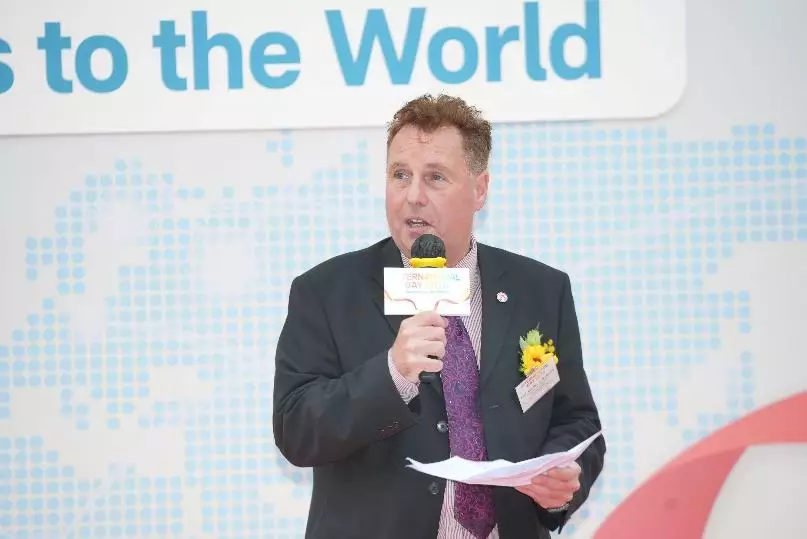
Prof Bradley R. Barnes, Special Advisor to President on Internationalisation and Director of Global Education at Lingnan University, says that the University is committed to building an international campus where faculty and students from diverse cultural backgrounds can learn from one another, collaborate, and develop friendships through their everyday academic and campus life, highlighting the appeal of studying in the Hong Kong SAR.
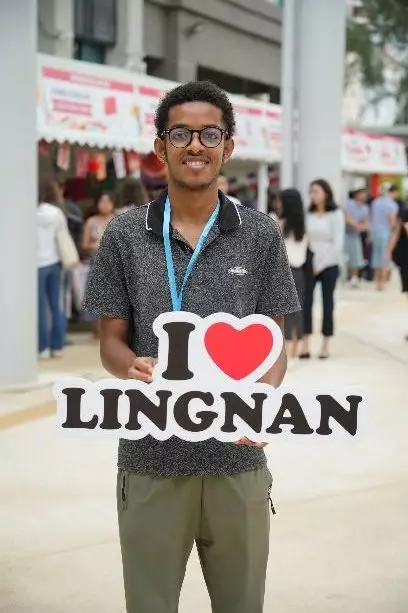
Dawit Kidu Hailezgi, a Lingnan University Global Ambassador and first-year non-local student from Ethiopia studying Health and Social Services Management in the Samuel C.C. Ting Elite Class (CCT Class), marking the university's first admission from the country this academic year, takes part in the event.