Skip to Content Facebook Feature Image

TCMA Advances ASEAN Cement Decarbonization with 14.4 Mt. of CO₂ Reductions

Asia Pacific

TCMA Advances ASEAN Cement Decarbonization with 14.4 Mt. of CO₂ Reductions
Asia Pacific

Asia Pacific

TCMA Advances ASEAN Cement Decarbonization with 14.4 Mt. of CO₂ Reductions

2026-11-18 12:10 Last Updated At:12:22

Building Global Partnerships and Technology Connections towards the 27th AFCM Technical Symposium & Exhibition 2027

BANGKOK, THAILAND – Media OutReach Newswire – 18 November 2026 – Thai Cement Manufacturers Association (TCMA) continues to drive collaboration across the ASEAN cement industry under the 2035 AFCM Decarbonization Roadmap, which delivered more than 14 million tons of CO₂ emission reductions in 2025. This achievement demonstrates the power of collective commitment, translating a shared regional vision into measurable action while strengthening the industry's technological capabilities and long-term competitiveness.
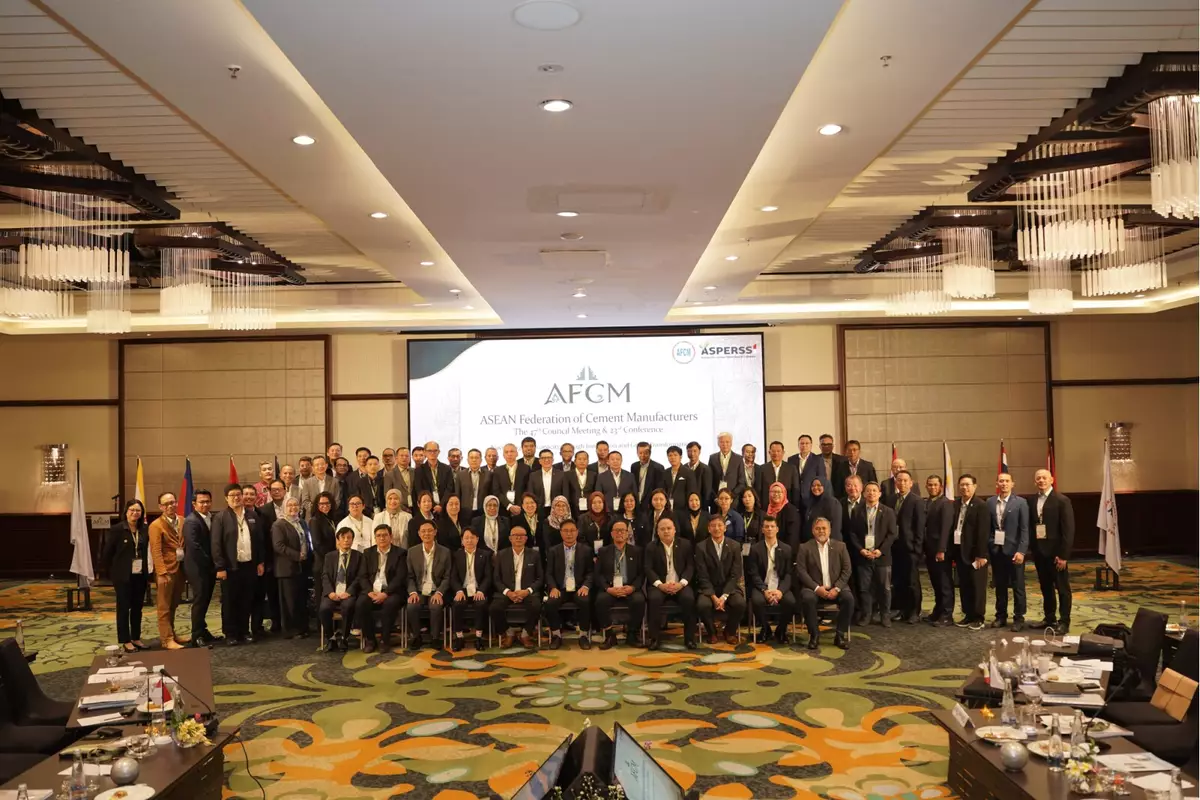
TCMA Advances ASEAN Cement Decarbonization with 14.4 Mt. of CO₂ Reductions

TCMA Advances ASEAN Cement Decarbonization with 14.4 Mt. of CO₂ Reductions

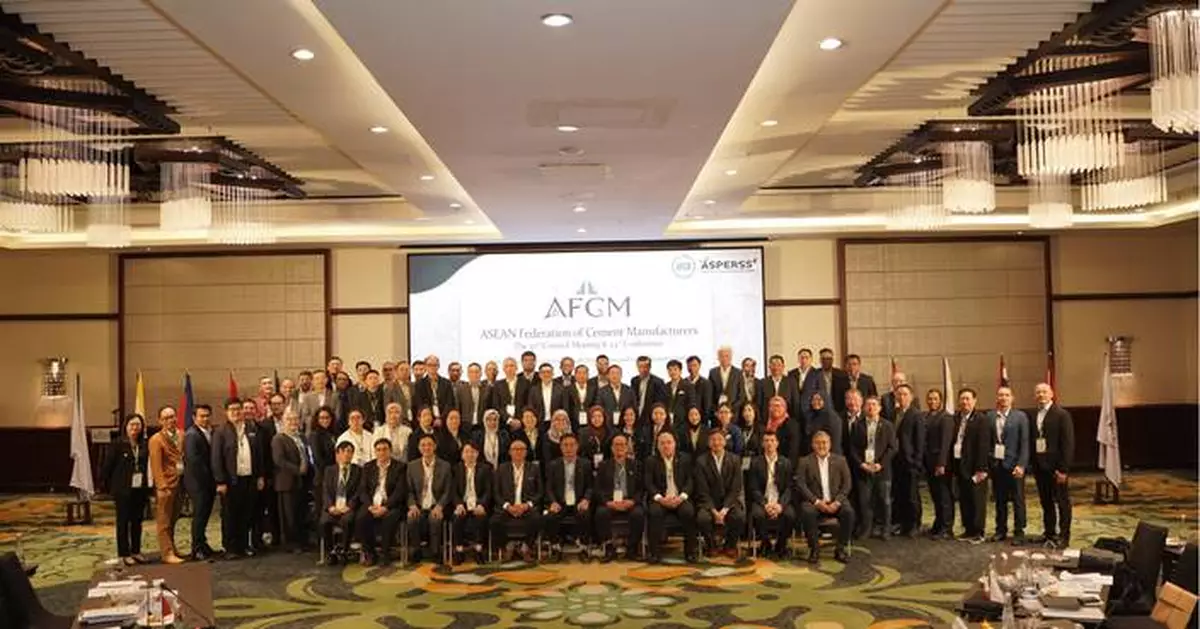
Following the handover of the ASEAN Federation of Cement Manufacturers (AFCM) presidency to the Philippines, TCMA remains committed to advancing regional cooperation and connecting ASEAN cement producers with global technology providers and international partners. Thailand will further contribute to this mission by hosting the 27th AFCM Technical Symposium & Exhibition in Bangkok in 2027.

Dr. Chana Poomee, Honorary Chairman of TCMA and outgoing AFCM President, highlighted the progress made following the AFCM Meetings. Since the eight AFCM member countries jointly announced the 2035 AFCM Decarbonization Roadmap in October 2025, members have continued to advance decarbonization initiatives, exchange technical knowledge and monitor collective progress, providing greater visibility into the region's transition.

"A shared regional roadmap gives all eight member countries a common direction and clear targets, while allowing each country to move forward according to its own national circumstances and readiness. The emission reductions achieved demonstrate that when the industry shares a vision and takes collective action, measurable results are possible. The transition to low-carbon cement is not simply an environmental imperative; it is also an opportunity to advance technology, create added value and strengthen the long-term competitiveness of the ASEAN cement industry," Dr. Chana said.

According to the latest data reported by all eight AFCM member countries, the ASEAN cement industry achieved cumulative CO₂ emission reductions of more than 14 million tonnes in 2025, equivalent to a 6.0% reduction against the 2020 baseline. Progress has been driven by the wider adoption of low-carbon cement, increased alternative fuel substitution and the use of renewable electricity, reflecting transformation across both materials and energy.

Under the regional roadmap, the industry aims to achieve cumulative CO₂ emission reductions of approximately 35.2 million tonnes by 2030 and 42.9 million tonnes by 2035, compared with the 2020 baseline.

Mr. Montri Nithikul, Vice Chairman of TCMA and outgoing Secretary General of AFCM, emphasized that an important milestone in regional cooperation is the translation of shared ambitions into national decarbonization strategies. The Philippines has developed its Philippine Cement and Concrete Decarbonization Roadmap, Indonesia has established the Decarbonization Roadmap of Indonesia Cement Industry, while Thailand is advancing its Thailand 2050 Net Zero Cement and Concrete Roadmap as the country's overarching framework.

"Translating shared regional ambitions into national roadmaps demonstrates the growing strength of our collaboration. It also creates opportunities for countries to learn from one another and exchange experience in technology, innovation, standards and implementation approaches. This knowledge-sharing will help accelerate the industry's transition and support the region's long-term decarbonization ambitions," Mr. Montri said.

Mr. Surachai Nimla-or, Chairman of TCMA and Head of the Thai Delegation, reaffirmed TCMA's commitment to turning regional collaboration into tangible value for Thailand's cement industry. TCMA will continue connecting Thai cement manufacturers with AFCM members, government agencies, academia and international partners to facilitate knowledge exchange and bring promising technologies and innovations into practical application.

This effort is closely aligned with Thailand's 2050 Net Zero Cement and Concrete Roadmap and the Saraburi Sandbox, which serves as an important platform for integrating partnerships, piloting innovative solutions and demonstrating pathways towards a low-carbon industrial ecosystem.

"TCMA is committed to ensuring that regional and global cooperation delivers practical benefits for our members and the Thai cement industry. We aim to translate knowledge, technologies and experience from international networks into solutions suited to Thailand's context. The Saraburi Sandbox provides an important opportunity to develop collaborative initiatives and innovation pilots that can be scaled up across the industry, both nationally and regionally," Mr. Surachai said.

The AFCM Meetings also marked the formal handover of the AFCM Presidency from
Dr. Chana Poomee, following the completion of his term, to the Philippines. This transition reflects the continuity of regional commitment and the shared spirit of "One Team, One Community" in advancing ASEAN's cement industry.

Looking ahead, TCMA will continue working with AFCM members and global partners to strengthen technical capabilities, connect technologies and innovation, unlock new economic opportunities and enhance the competitiveness of the ASEAN cement industry. Guided by the vision of "Made in ASEAN, for ASEAN", the region will continue building its collective capabilities while strengthening its connections with the global industry.

A key next step will be Thailand's hosting of the 27th AFCM Technical Symposium & Exhibition from 3–5 November 2027 in Bangkok, under the theme "CEMENT NEXUS – Bridging Innovation & Partnership for Cement Decarbonization." Organized by TCMA, the event will bring together cement manufacturers, industry experts, technology providers and international partners from across ASEAN and around the world. It will serve as a dynamic platform for technical knowledge exchange, technology and innovation showcases, and strategic partnership-building—helping accelerate the industry's transition while unlocking new opportunities for sustainable growth and competitiveness across ASEAN.

Hashtag: #TCMA #TCMAtoNetZero2050 #CementDecarbonization #SaraburiSandbox #AFCM #ASEANCement #CEMENTNEXUS #AFCMTS&E2027

The issuer is solely responsible for the content of this announcement.

** This press release is distributed by Media OutReach Newswire through automated distribution system, for which the client assumes full responsibility. **

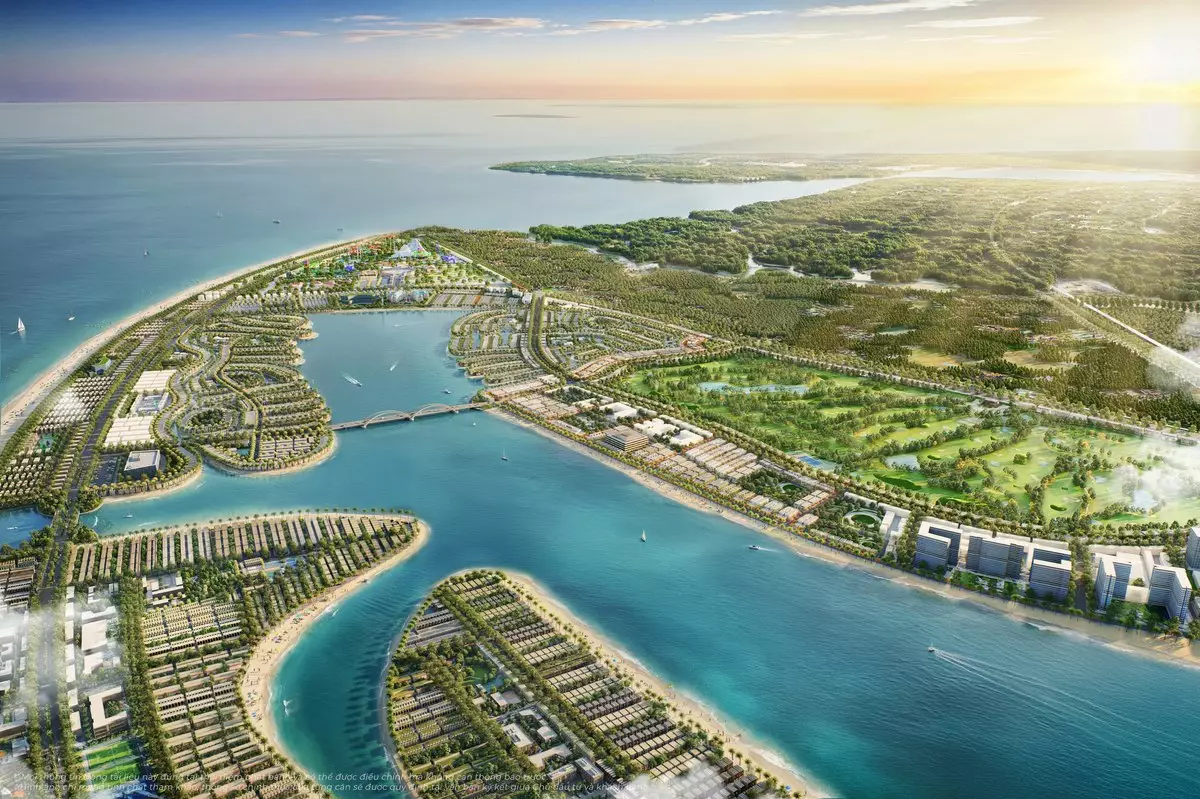
The 2,870-hectare development in Can Gio, Ho Chi Minh City, enters a global selection process built on two pillars: an ESG++ urban model combining nature-based planning with smart-city technology, and an integrated community ecosystem backed by Vinhomes’ development track record.

HO CHI MINH CITY, VIETNAM – Media OutReach Newswire – 22 November 2026 – Vinhomes Green Paradise, a 2,870-hectare urban development by Vinhomes in Can Gio, Ho Chi Minh City, has become the first Official Candidate among more than 260 global entries in the New7Wonders 7 Wonders of Future Cities campaign.

Vinhomes Green Paradise, a 2,870-hectare urban development in Can Gio, Ho Chi Minh City, is the first Official Candidate in the New7Wonders 7 Wonders of Future Cities campaign. (Rendering courtesy of Vinhomes)

Vinhomes Green Paradise, a 2,870-hectare urban development in Can Gio, Ho Chi Minh City, is the first Official Candidate in the New7Wonders 7 Wonders of Future Cities campaign. (Rendering courtesy of Vinhomes)

The project enters the competition on the strength of two features: an ESG++ development philosophy, under which it received an interim smart-city certification based on ISO 37122 standards from the World Council on City Data in August 2026, and an integrated community model drawing on Vinhomes' experience operating 32 urban developments for about 650,000 residents nationwide.

Launched on Oct. 31, 2026, in New Clark City, the Philippines, the campaign builds on previous New7Wonders initiatives that attracted more than 600 million votes worldwide. The selection process runs from November 2026 to April 2027 to identify 77 leading candidates, followed by 28 finalists. The seven official wonders are scheduled to be announced on Oct. 31, 2027.

The candidacy comes as cities worldwide, from Masdar City in the United Arab Emirates to Songdo International Business District in South Korea and New Clark City in the Philippines, test new approaches to resource efficiency, technology and climate resilience. With the world's urban population projected to approach 70% by 2050, the campaign offers a platform for Vinhomes Green Paradise to present a Vietnamese perspective on how future cities may balance economic growth, environmental responsibility and residents' wellbeing.

An ESG++ model combining nature-based planning and smart-city technology

Vinhomes Green Paradise is planned with a building density of about 17%, with more than 930 hectares set aside for green spaces and water surfaces, alongside the 75,740-hectare Can Gio Mangrove Biosphere Reserve, recognized by UNESCO in 2000. On Aug. 5, 2026, the project received an interim smart-city certification based on ISO 37122 standards from the World Council on City Data, recognizing its smart-city planning and development framework.

These elements are guided by the project's ESG++ philosophy, which extends the conventional Environmental, Social and Governance principles to include Regeneration and Resilience. Regeneration reflects an ambition to support ecological restoration and environmental improvement, while Resilience addresses the city's capacity to adapt to climate-related risks and changing living conditions. According to the developer, the framework shapes the project's master planning, infrastructure development and long-term operations.

On the technology side, the master plan includes an AI-integrated ESG management hub designed to connect and analyze data on environmental conditions, energy consumption, security and infrastructure operations. The proposed system will use the Internet of Things, big data and artificial intelligence to monitor urban activities, identify anomalies and optimize resource use, with the aim of improving operational efficiency, service delivery and environmental management.

Infrastructure plans also include renewable energy from offshore wind and solar systems, energy storage, electric transportation, pedestrian networks and dedicated bicycle lanes. Rainwater harvesting, advanced wastewater treatment and water recycling are integrated into the project's resource management strategy.

The interim certification provides a basis for further evaluation as the project's infrastructure becomes operational.

An integrated community backed by Vinhomes' development track record

Vinhomes Green Paradise is planned as an integrated urban ecosystem bringing together residential, educational, professional, healthcare, cultural and recreational functions. It is backed by a developer that, as of March 2026, managed 32 urban developments serving about 650,000 residents nationwide, and that reported consolidated net profit after tax of VND75,059 billion in the first nine months of 2026, up 390% year on year.

Planned amenities include Vinmec healthcare services, Vinschool, international educational institutions, cultural facilities, the Young Paradise Hub youth center and the New Horizon Village retirement model. The facilities are intended to serve residents at different stages of life, from children and young professionals to families and senior citizens.

The approach draws on Vinhomes' broader ecosystem, which includes Vinschool, VinUniversity, Vinmec, Vincom shopping centers, VinBus electric transportation, sports and entertainment facilities and green landscapes, as well as round-the-clock customer care, security, engineering maintenance and environmental management services.

In the first nine months of 2026, Vinhomes also reported net revenue of VND202,586 billion, up 302%, and contracted sales of VND219.6 trillion, up 35%. Unbilled sales stood at VND185.6 trillion, while total assets reached VND1,339,199 billion.

The project's development comes amid continued investor interest in the region's property market. According to CBRE's 2026 Asia Pacific Investor Intentions Survey of more than 420 institutional investors, 57% of respondents planned to increase property acquisitions in 2026. Net buying intentions reached 17%, compared with 13% in 2025 and 5% in 2024, and the living sector ranked among the top three preferred asset classes.

The successful delivery of the planned infrastructure, amenities and environmental commitments will be central to realizing the project's long-term vision of an urban environment where nature, technology and communities can develop together.

Hashtag: #Vinhomes

The issuer is solely responsible for the content of this announcement.

** This press release is distributed by Media OutReach Newswire through automated distribution system, for which the client assumes full responsibility. **
Recommended Articles