SEOUL, South Korea, Nov. 18, 2026 /PRNewswire/ -- Roasted onion-flavored snack made with Alaska pollock surimi, salmon, and rice flour made from Korean-grown rice; tastings and sampling held at Cafe & Bakery Fair, with pairing campaign for adult consumers in preparation
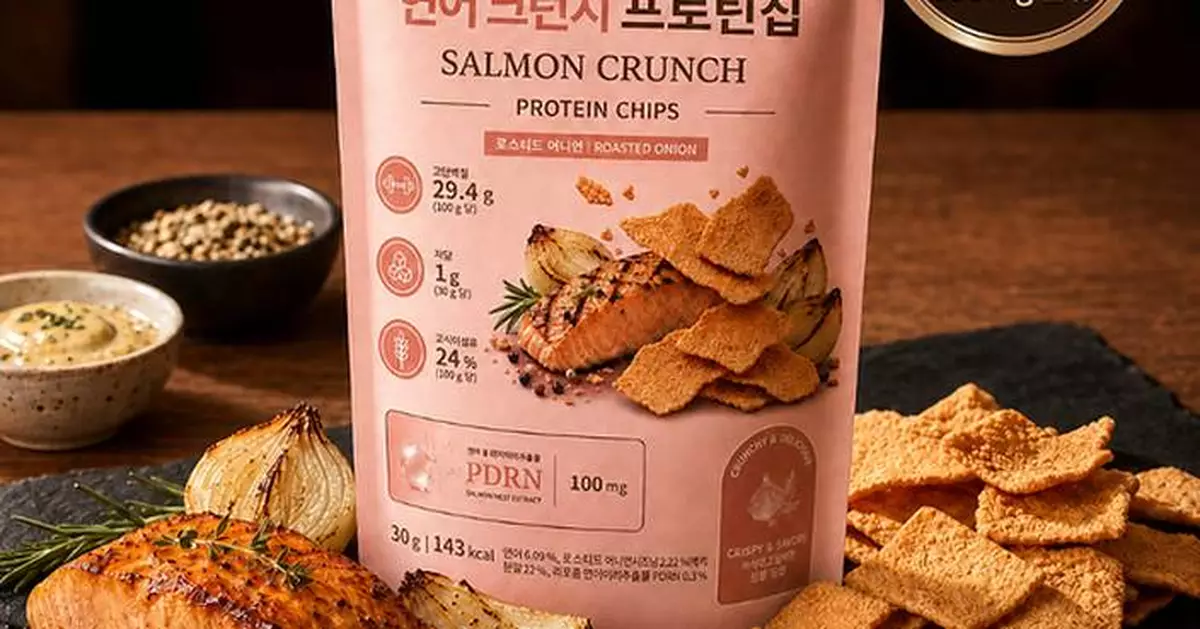
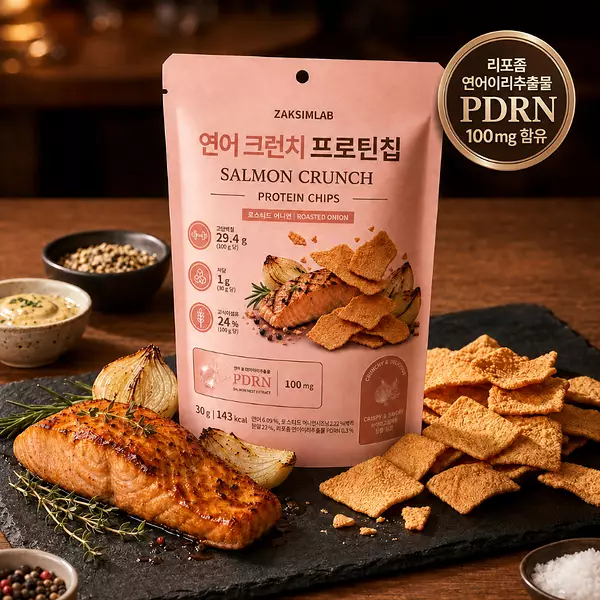
Food brand ZAKSIMLAB is expanding its snack lineup with "Salmon Crunch Protein Chips," launched in September. The company is presenting a combination of its flagship powdered kombucha in single-serve stick packs and salmon chips, and is proposing menu applications and in-store sales to cafes and distributors.
Salmon Crunch Protein Chips are a roasted onion-flavored snack made with Alaska pollock surimi and salmon. Made with rice flour made from Korean-grown rice and brown rice oil, the chips have a thin, crispy texture with the savory, salty flavor of roasted onion. ZAKSIMLAB developed the protein snack for everyday enjoyment by applying the flavor and convenience it has emphasized in its kombucha products to snacking.
ZAKSIMLAB offers powdered kombucha in single-serve stick packs, mixed into water or sparkling water, in 12 flavors, including lemon, flat peach, and plum. With the salmon chip launch, the company is proposing a variety of pairings that let consumers choose their favorite kombucha and enjoy it with a crispy, savory snack.
The two products were also introduced together at the "2026 Cafe & Bakery Fair Season 2," held from October 29 to November 1 at KINTEX in Goyang, Gyeonggi Province. ZAKSIMLAB ran kombucha tastings and salmon chip sampling at its booth. Visitors had the chance to try both products firsthand, while cafe and distributor representatives were introduced to ways of using kombucha in beverage menus and carrying salmon chips as an in-store retail item.
Building on the combination presented at the fair, ZAKSIMLAB is preparing a pairing campaign for adult Millennial and Gen Z consumers. The campaign will pair salmon chips with kombucha-based highballs, proposing a gathering culture that respects each person's drinking preferences, including the choice not to drink.
In domestic sales, the company plans to expand its purchase options so that consumers can choose the kombucha flavors and snacks they want. It will also continue follow-up consultations with the cafes and distributors it met at the fair to discuss menu applications and product supply suited to each store.
** This press release is distributed by PR Newswire through automated distribution system, for which the client assumes full responsibility. **
ZAKSIMLAB Launches 'Salmon Crunch Protein Chips,' Proposes Pairing with Kombucha
The gap between perceived usefulness and performance highlights the importance for medical device manufacturers in building confidence in home healthcare technologies
HOVIK, Norway, Nov. 18, 2026 /PRNewswire/ -- People are twice as likely to describe home diagnostic tests as very helpful than as very accurate, according to new global research from DNV.
Among respondents who had used home diagnostic tests, 67% described them as very helpful, compared with just 33% who rated them very accurate. A similar pattern emerged for home medical devices, with 68% rating them as very helpful and 36% as very accurate. These findings reflect consumer perceptions rather than performance of the technologies.
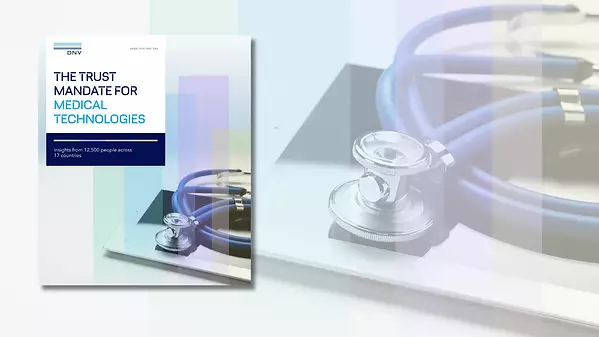
The findings come from DNV's report The Trust Mandate for Medical Technologies, based on a survey of 12,500 people across 17 countries.
As more medical technologies move into people's homes, the experience of operating a device and understanding the information it provides becomes particularly important. For manufacturers, this places greater emphasis on understanding the circumstances in which devices are used.
Cecilie Gudesen Torp, Managing Director of Medical Technologies, Life Sciences at DNV said:
"Medical technologies have long played a vital role in healthcare. What is changing is the role they play in people's everyday lives. For manufacturers, demonstrating safety and performance remains fundamental, but our research highlights another important dimension: how people perceive and place confidence in these technologies. The difference between perceived usefulness and perceived accuracy reminds us that technical performance and public confidence are not necessarily the same thing. As medical technologies take on a greater role in everyday care, understanding both will be increasingly important to building lasting trust."
Independent assessment plays a role in confidence in medical technology
Beyond users' direct experiences, the research explores factors that influence confidence in medical technologies, including reliable results, clinical evidence, healthcare professional recommendations and independent assessment.
More than two thirds of respondents (68%) agreed that independent inspections and certifications significantly improve their confidence in the quality and safety of medical technologies. Nearly three quarters (74%) believe independent testing significantly improves the safety of new healthcare technologies.
Download the report.
About the research
The Trust Mandate for Medical Technologies is based on a survey of 12,500 respondents across 17 countries. The research explores attitudes towards medical technologies, including perceived usefulness, accuracy, safety, independent assessment and the role of technology in healthcare.
** This press release is distributed by PR Newswire through automated distribution system, for which the client assumes full responsibility. **
67% rate home diagnostic tests very helpful, compared with just 33% for accuracy, DNV survey finds

67% rate home diagnostic tests very helpful, compared with just 33% for accuracy, DNV survey finds