OAKLAND, Calif. (AP) — Anthropic priced its initial public offering at $83 per share on Wednesday, according to multiple reports, an amount above the expected price range that values the artificial intelligence giant at $1.5 trillion.
The higher-than-anticipated pricing signals broad investor enthusiasm for AI stocks even amid some uncertainty in the market stemming from the ouster of Nvidia's CEO and worries about an AI bubble.
The San Francisco-based maker of the Claude AI tool is set to make its debut Thursday on Wall Street. The company had set a price range of $70 to $78 per share, offering 825 million shares that will begin trading on the Nasdaq under the ticker symbol “ANT.”
Anthropic decided to barrel ahead with the IPO despite jitters among some investors over market volatility, a potential regulatory crackdown by a Democratic-led Congress next year and growing anti-AI sentiment among the public. Then there's the spectacular downfall of one of the industry's biggest cheerleaders, former Nvidia CEO Jensen Huang, over extramarital affairs, including one with an alleged Chinese spy.
“This is strong appetite for this major AI IPO in Anthropic, and it’s a big win for the tech sector after a white-knuckle time with Nvidia. The pricing shows strong demand among investors,” said Dan Ives, partner and senior managing director at Yorkville Ives & Co.
The company’s rival, OpenAI, is not planning to go public until next year.
Anthropic already has taken on $6.2 billion in debt, which it acknowledges in financial filings is “substantial.” Adding to the strain, the company is unprofitable, at least under standard accounting rules, suggesting that its resources to pay interest and principal are limited.
While the company has ample cash for now, it will likely run through it quickly if it cannot raise more soon, given its outsize spending plans. The company said it has already signed leases and other deals requiring it to spend $900 billion on computing power and infrastructure in the coming years, including $70 billion in the next 12 months.
An IPO is essentially a way to raise money, instead of going into further debt. And borrowing has gotten more expensive. That’s partly due to inflation fears and partly due to the sector’s massive cash needs, which have drawn comparisons to the Gilded Age splurge on railroads. Lenders fear that AI companies have taken on too much debt to expand while having no clear path to profitability.
Anthropic's IPO also means its employees can begin to sell their vested stock, a payout that will make many of them millionaires. The IPO could also give Anthropic enormous resources to accelerate its expansion and potentially add billions of dollars to the fortunes of CEO Dario Amodei and his sister and co-founder, Daniela Amodei.
Formed in 2021 by former OpenAI leaders, Anthropic is locked in a fight for dominance with that company. But both companies have plenty of other competitors, including Google, startups in the U.S. and China and SpaceX, which has an AI business.
Anthropic, OpenAI and SpaceX’s AI division have all lost more money than they’ve made because of the huge costs associated with building AI. That has fueled growing concerns about a bubble forming in the sector.
Dario Amodei cautioned in September that the AI industry should slow its fast-moving development to give safety measures time to catch up. Without such a slowdown, Amodei warned, AI could be capable of letting loose a swarm of agents that could take over the internet within months.
Amid those fears, the regulatory environment could also change for Anthropic once the new Congress is in session. Newly elected Democrats are vowing to crack down on the industry amid a backlash against data centers. And two big states offering incentives for data centers, Texas and Georgia, just elected Democratic governors vowing to stop new construction.
Adding to the pressure is the possibility that demand for AI shares could drop or even collapse. Investors have become anxious about the massive financing needs of the sector, and several tech companies have pulled IPO plans recently.
The goal of most companies, above all, is to do well for their owners. Usually that means making profits and growing the business. Anthropic says it too will consider its stockholders, but it will balance their interests against another fundamental goal: “the responsible development and maintenance of advanced AI for the long-term benefit of humanity.”
Like its rival OpenAI, Anthropic is a public-benefit corporation, a legal designation used by companies that pledge to balance shareholder interests with the public good. How that will play out for companies worth potentially trillions of dollars is uncharted territory.
Anthropic has set up a long-term benefit trust that will have the ability to elect or remove a majority of the company’s board of directors. The trust will not run the day-to-day operations of Anthropic. But its influence means the company could opt for strategies that may not make the most money for investors.
Market valuation for AI companies is going to be “up and down for many years to come, but more up than down,” said Rich Lesser, the global chair and former CEO of Boston Consulting Group.
“Exactly what the flow of that will be, it’s very hard to predict,” Lesser said in an interview with The Associated Press on Tuesday at the Semafor Silicon Valley & The World forum. “There’s no question what Anthropic and OpenAI and Google and a number of the other players in this industry have done is pretty remarkable.”
Associated Press business writers Bernard Condon, Kaitlyn Huamani and Michelle Chapman contributed.
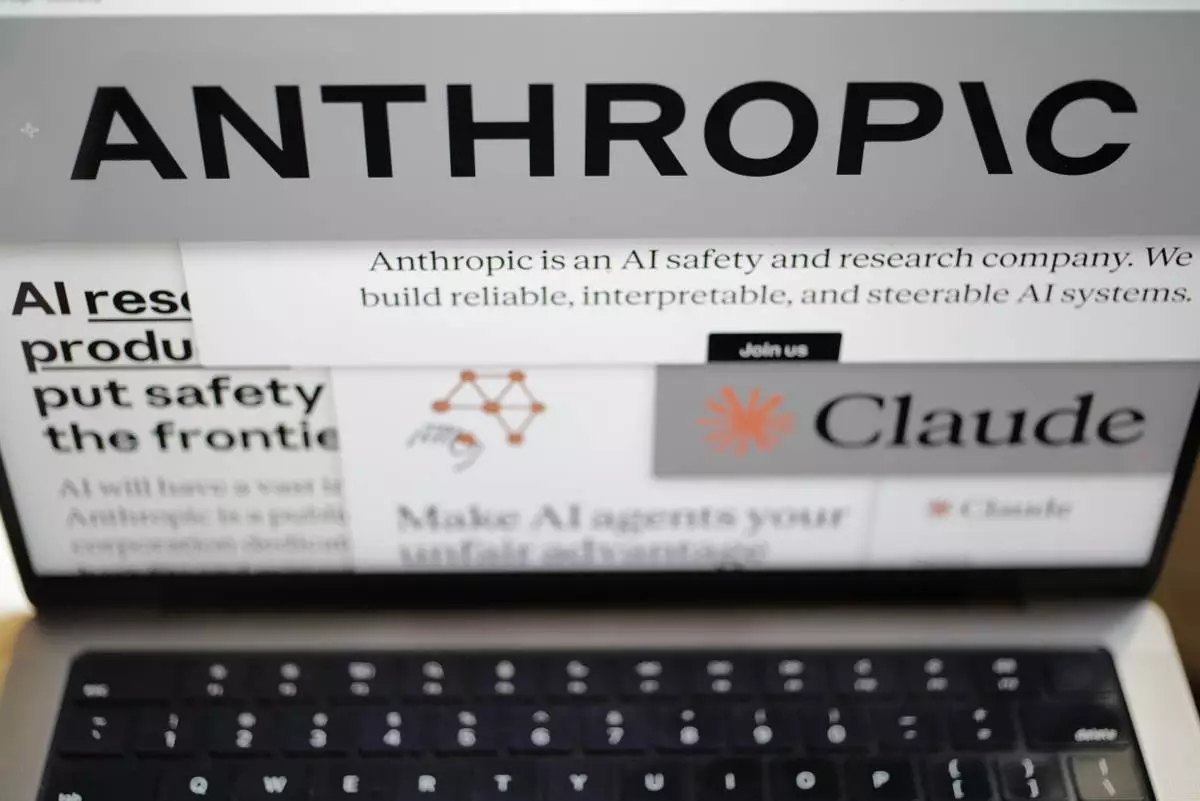
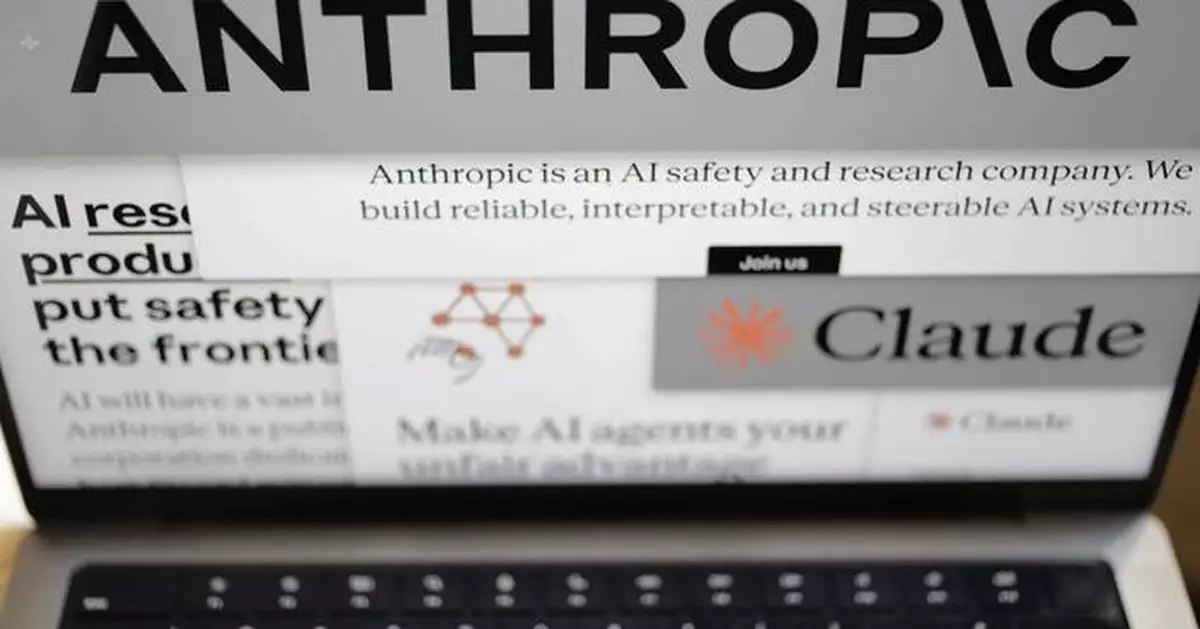
FILE - Pages from the Anthropic website and the company's logos are displayed on a computer screen in New York on Thursday, Feb. 26, 2026. (AP Photo/Patrick Sison, File)
CARACAS, Venezuela (AP) — The United States and Venezuela have signed a deal to reestablish military ties that will range from conducting joint training to intelligence sharing, U.S. Defense Secretary Pete Hegseth said Wednesday in Caracas while visiting the South American nation's interim leaders.
Hegseth touted how U.S. forces in January captured then-Venezuelan President Nicolás Maduro, telling an audience of diplomats and military officials from both countries that now Venezuela “has gone from our most aggressive regional threat to a compliant security partner.”
He also praised the “close cooperation” with acting President Delcy Rodríguez that allowed officials “to stabilize Venezuela and rid it of narco-terrorists once and for all,” in a reference to drug traffickers.
Hegseth’s visit, the latest in a series of stops in Venezuela by members of President Donald Trump’s Cabinet, underscores efforts by the U.S. administration to deepen its influence in the South American country. Trump said in August that Hegseth helped broker a sweeping deal for the U.S. to take control of some Venezuelan oil reserves.
The Pentagon chief praised the energy deal by referencing another major military action by the Trump administration this year — the Iran war. The conflict has disrupted global energy supplies through a critical waterway in the Persian Gulf, raising gasoline prices and contributing to the Republican Party's severe losses in this month's midterm elections.
The Venezuela oil deal “makes the Strait of Hormuz a nonfactor for the Western Hemisphere,” Hegseth said at the U.S. Embassy in Caracas.
In the meeting with Hegseth, Rodríguez asserted that the deal enables “the energy development of our nations” and “benefits both the people of the United States and the people of Venezuela.”
Among those in attendance for Hegseth’s speech was Alejandro Betancourt, the owner of North American Blue Energy Partners, the second-largest oil operator in Venezuela. The U.S. government and Betancourt’s company entered into the ambitious agreement to tap Venezuela’s vast oil reserves.
Both the Interior and Energy secretaries also visited Venezuela earlier this year and focused their efforts on tapping its oil reserves and critical minerals. The head of U.S. military operations in Latin America, Gen. Francis Donovan of U.S. Southern Command, also has met interim authorities in Venezuela at least twice this year.
Hegseth later stopped in Bogota, Colombia, where he was greeted at a military base by the country's defense and foreign ministers.
Hegseth offered few specifics on what the military agreement would entail, beyond saying that the two countries' militaries would be “training together, partnering together, sharing intelligence, more defense equipment and capabilities together.”
Speaking separately, Rodríguez said she hoped the countries' military cooperation “can be brought to its highest possible level” to allow them to “address common threats.”
Hegseth pointed to Venezuela partnering with the U.S. “to recover its territory from narco-terrorist networks.” The Pentagon did not immediately offer further details on the new partnership.
The development comes as the U.S. military has been expanding its attention on the region since Trump's return to the White House last year, with the Republican president promising to focus more on the Western Hemisphere and battle Latin American drug cartels.
To try to stem the flow of narcotics into the U.S. and the scourge of fatal overdoses, American forces have been attacking what the Trump administration says are boats smuggling drugs in the Caribbean Sea and the eastern Pacific Ocean. At least 240 people have been killed since the administration began targeting those it calls “narco-terrorists” in September 2025, although U.S. officials have released little evidence publicly to support claims the vessels were carrying drugs or that they have made an impact on the availability of drugs in the country.
Hegseth also used his speech to boast about the military operation that seized Maduro, calling it “the single most sophisticated military operation in the history of Latin America” that “lasted just 48 minutes.”
“America’s best and bravest warfighters solved a 27-year problem for this hemisphere in a matter of hours,” he added.
But Venezuela’s ruling party, which has held onto power since 1999, still continues to lead the nation, just now with Rodríguez in charge.
Hegseth also turned a Maduro catchphrase from last year back on him, saying that as the ousted leader “predicted,” the operation ended with “no war, yes, peace.”
Hegseth’s visit also comes at a time of uncertainty for Venezuelans regarding who will lead the nation in the coming months and years.
Rodríguez, a Maduro ally, took over in Venezuela after Maduro’s capture and despite the fact that her court-allowed term expired in July, she has continued to function as Venezuela’s head of state.
Hegseth praised her leadership and thanked her for “working closely and pragmatically and diligently with the United States to stabilize Venezuela.”
Meanwhile, opposition leader María Corina Machado recently returned to Venezuela from exile following seven failed attempts that opposition activists claimed were thwarted by the government.
U.S. Secretary of State Marco Rubio has said the “safe” return of the politician was the result of “reconciliation talks” supported by the U.S., which he considered “the best opportunity” Venezuela has had in three decades to achieve free and fair elections and a lasting democracy.
The lack of a date for the next presidential election has left many Venezuelans conflicted on their sentiment toward Trump. While relieved that Maduro is no longer president, many believe that the White House’s decision to prioritize reviving Venezuela’s oil industry over pro-democracy steps was the wrong approach for meaningful changes in their country.
Toropin reported from Washington. Associated Press writer Ben Finley in Washington contributed to this report.
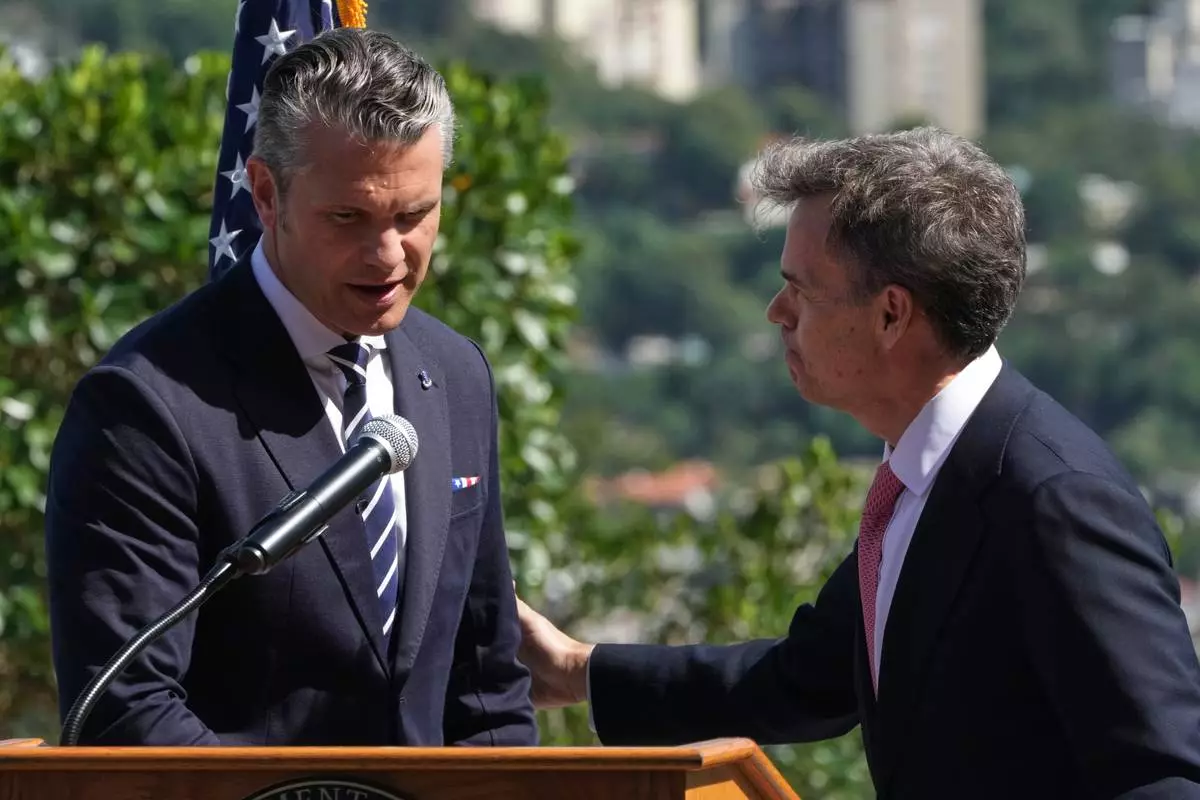
U.S. Defense Secretary Pete Hegseth, left, stands with John M. Barrett, U.S. charge d'affaires, during his visit to the United States embassy in Caracas, Venezuela, Wednesday, Nov. 18, 2026. (AP Photo/Ariana Cubillos)
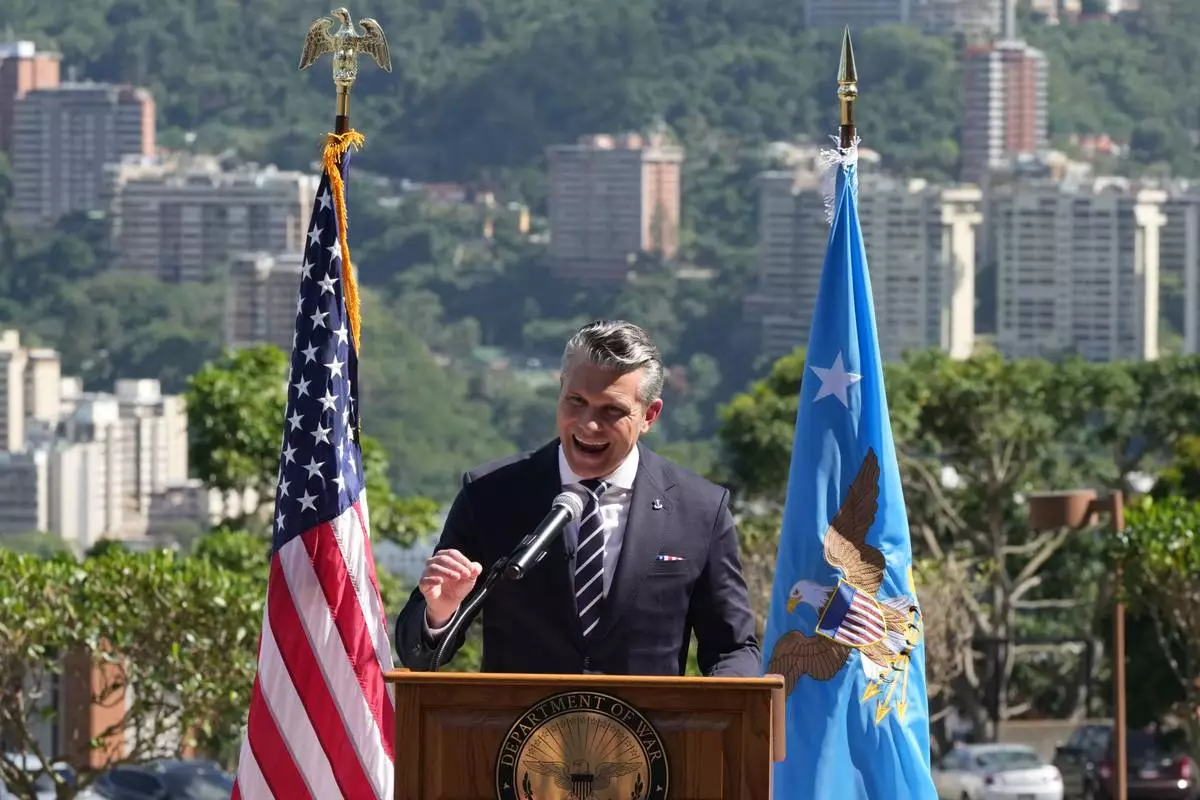
U.S. Defense Secretary Pete Hegseth speaks at the United States embassy in Caracas, Venezuela, Wednesday, Nov. 18, 2026. (AP Photo/Ariana Cubillos)
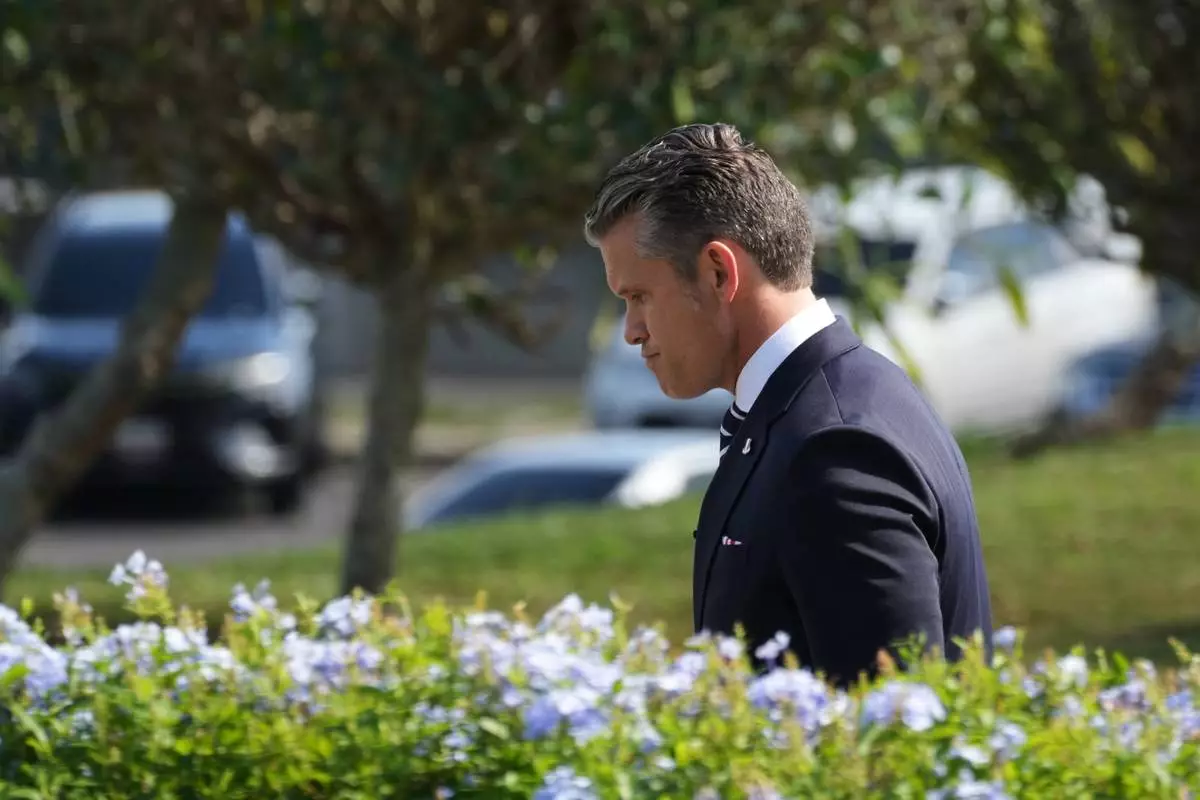
U.S. Defense Secretary Pete Hegseth arrives at the United States embassy in Caracas, Venezuela, Wednesday, Nov. 18, 2026. (AP Photo/Ariana Cubillos)
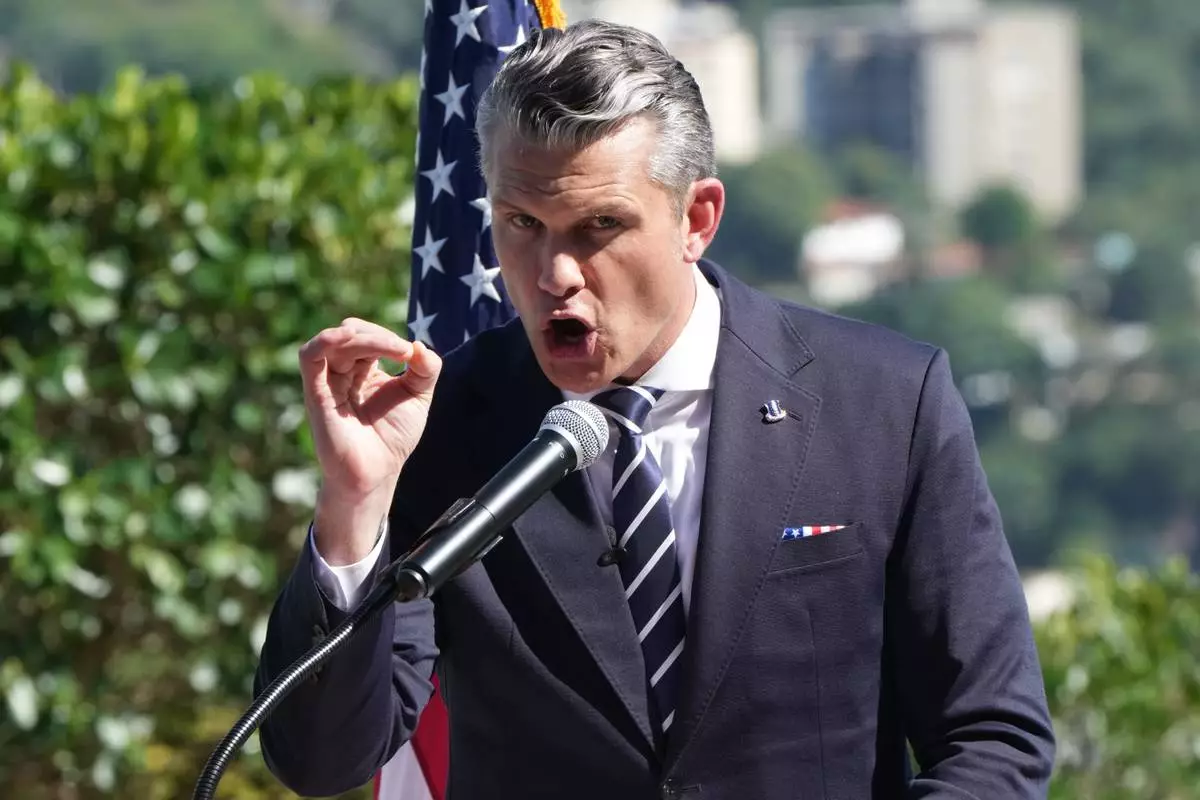
U.S. Defense Secretary Pete Hegseth speaks at the United States Embassy in Caracas, Venezuela, Wednesday, Nov. 18, 2026. (AP Photo/Ariana Cubillos)
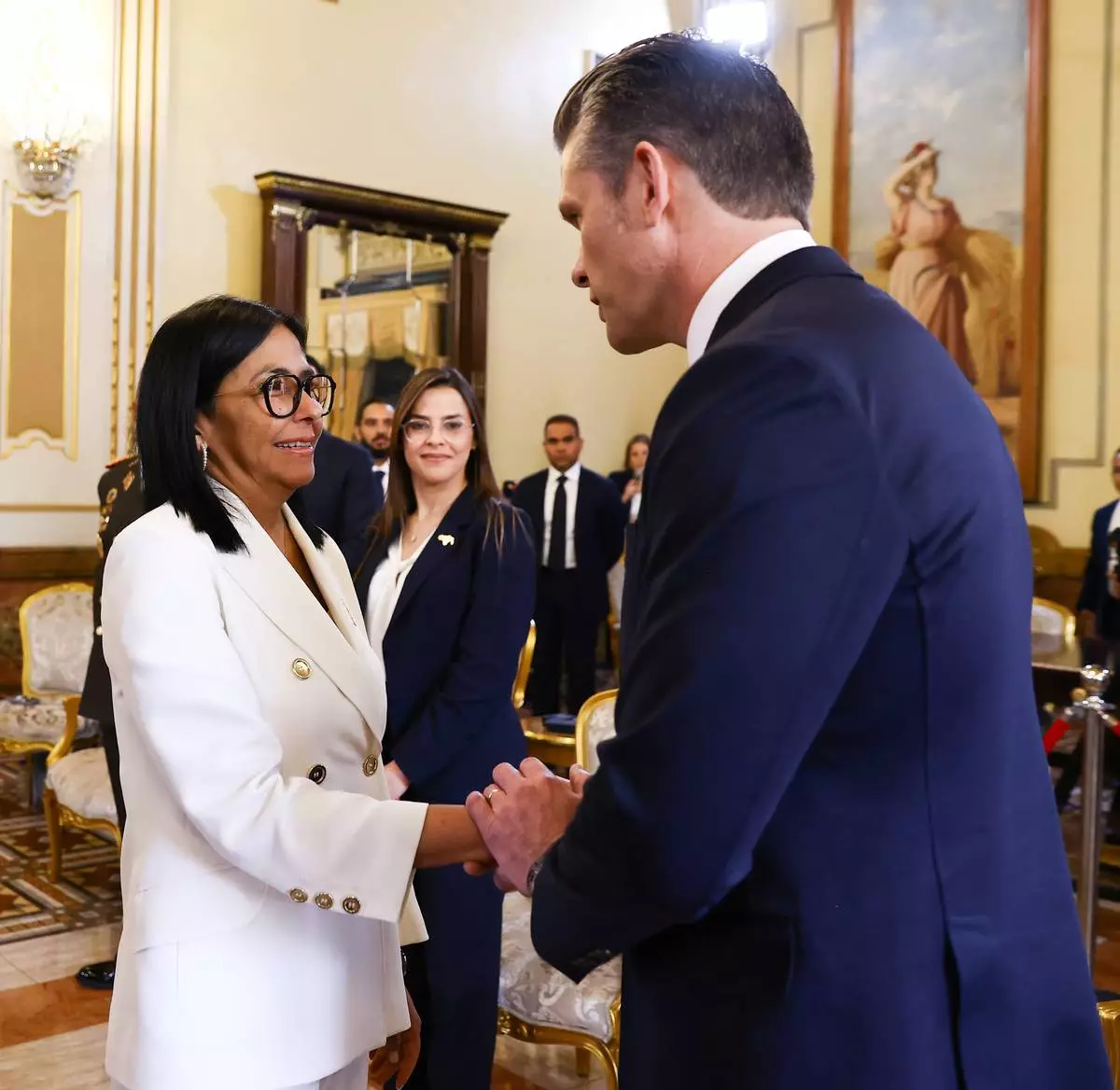
In this photo released by Miraflores presidential press office, U.S. Defense Secretary Pete Hegseth, right, meets with Venezuela's acting President Delcy Rodriguez at Miraflores presidential palace in Caracas, Venezuela, Wednesday, Nov. 18, 2026. (Miraflores presidential press office, via AP)
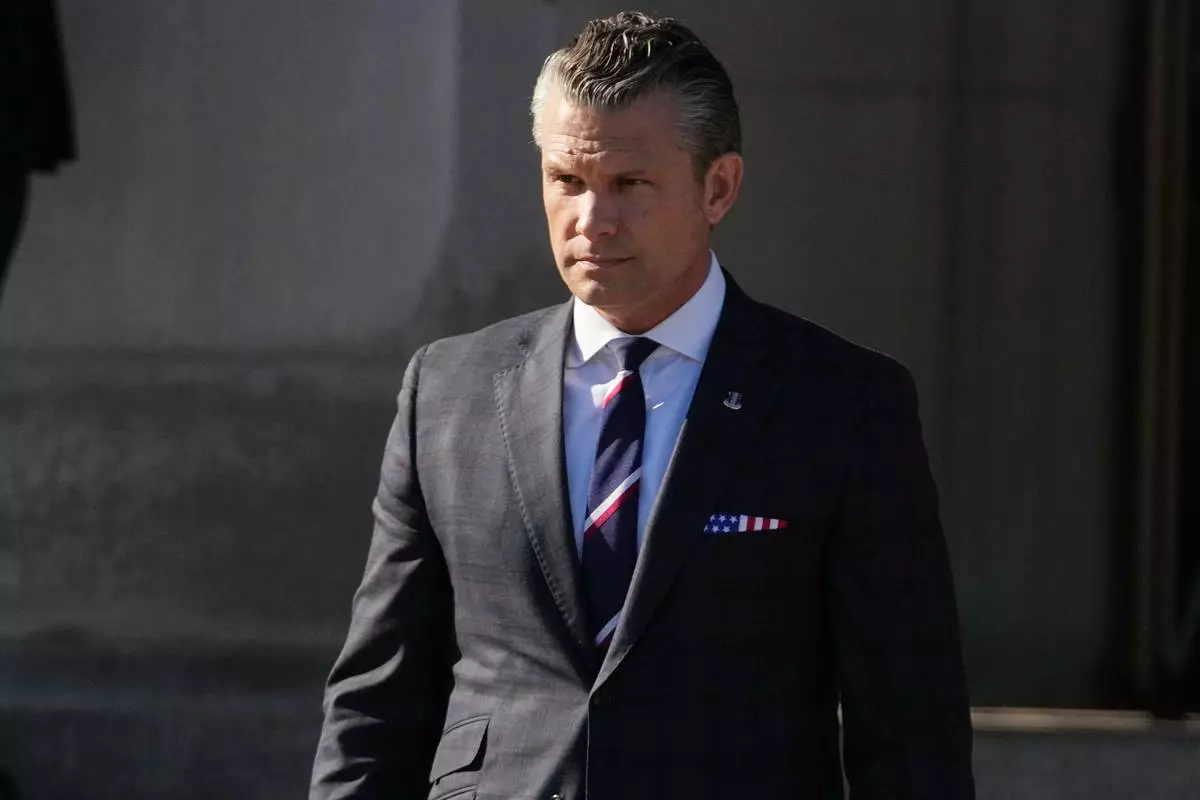
Defense Secretary Pete Hegseth walks out to welcome His Excellency Władysław Kosiniak-Kamysz, Deputy Prime Minister and Minister of Defense, Republic of Poland, to the Pentagon in Washington, Tuesday, Nov. 10, 2026. (AP Photo/Nathan Howard)
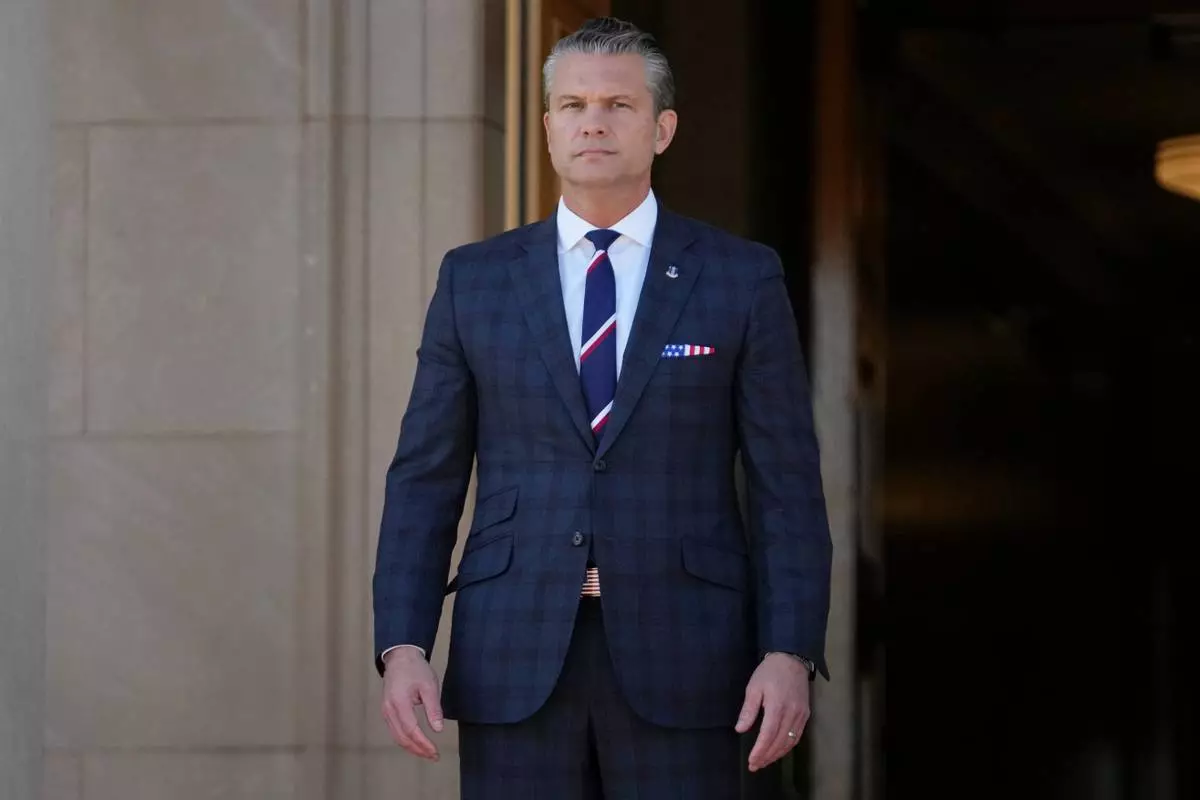
Defense Secretary Pete Hegseth walks out to welcome His Excellency Władysław Kosiniak-Kamysz, Deputy Prime Minister and Minister of Defense, Republic of Poland, to the Pentagon in Washington, Tuesday, Nov. 10, 2026. (AP Photo/Nathan Howard)
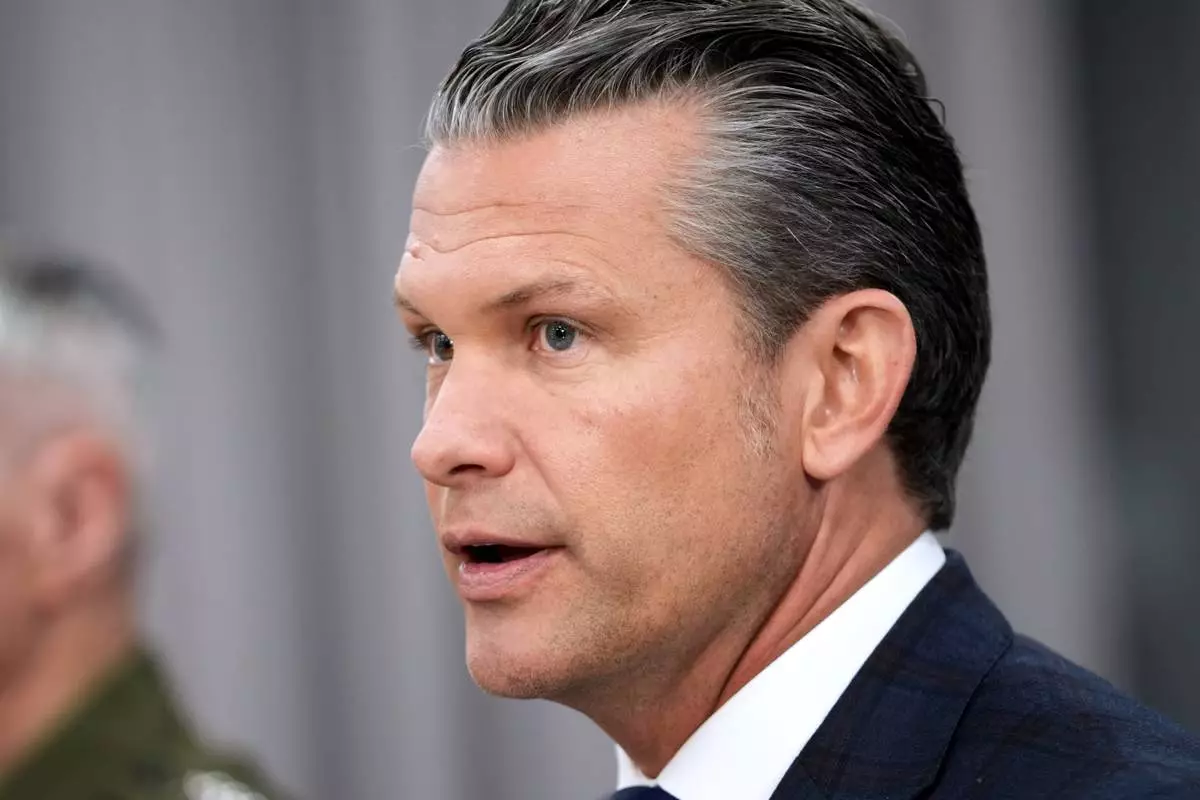
Defense Secretary Pete Hegseth meets with His Excellency Władysław Kosiniak-Kamysz, Deputy Prime Minister and Minister of Defense, Republic of Poland, in the Pentagon, Tuesday, Nov. 10, 2026, in Washington. (AP Photo/Nathan Howard)
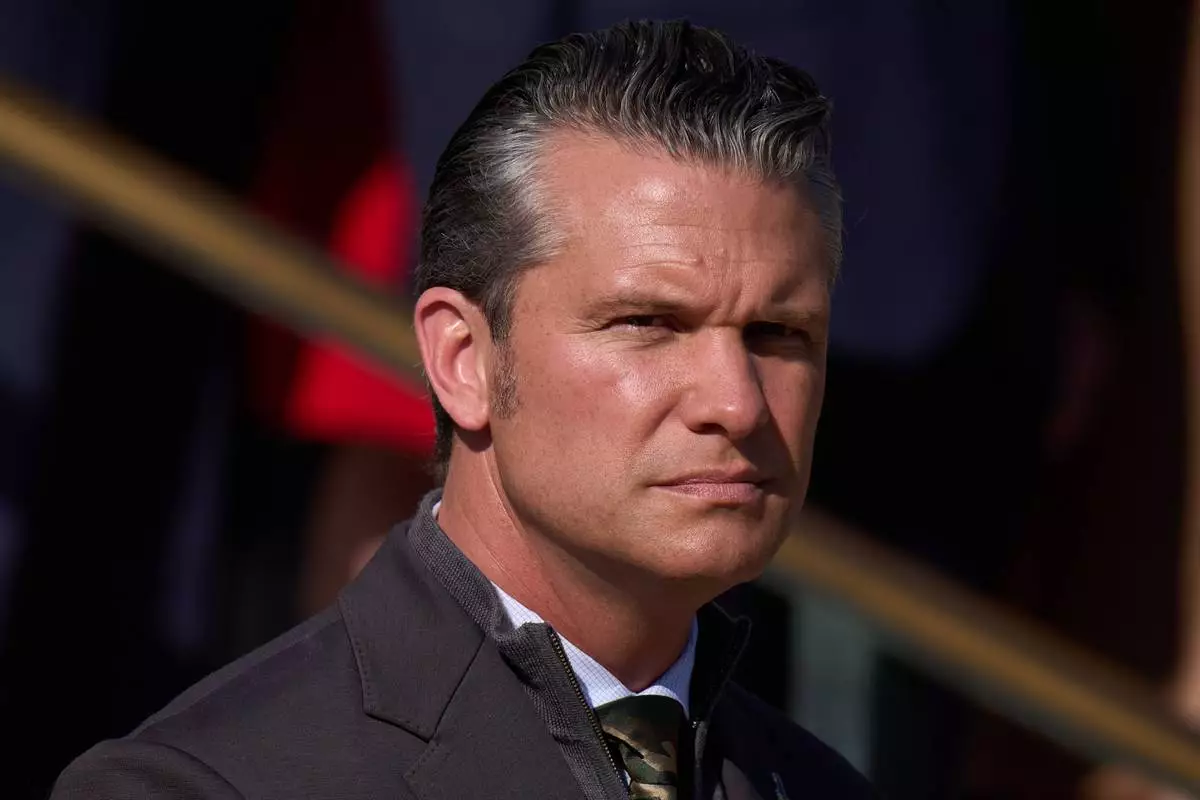
Defense Secretary Pete Hegseth attends an event to mark Veterans Day at Arlington National Cemetery in Arlington, Va., Wednesday, Nov. 11, 2026. (AP Photo/Mark Schiefelbein)