Skip to Content Facebook Feature Image

China to accelerate construction of integrated clean-energy bases in river basins

China

China

China

China to accelerate construction of integrated clean-energy bases in river basins

2026-11-19 19:26 Last Updated At:19:47

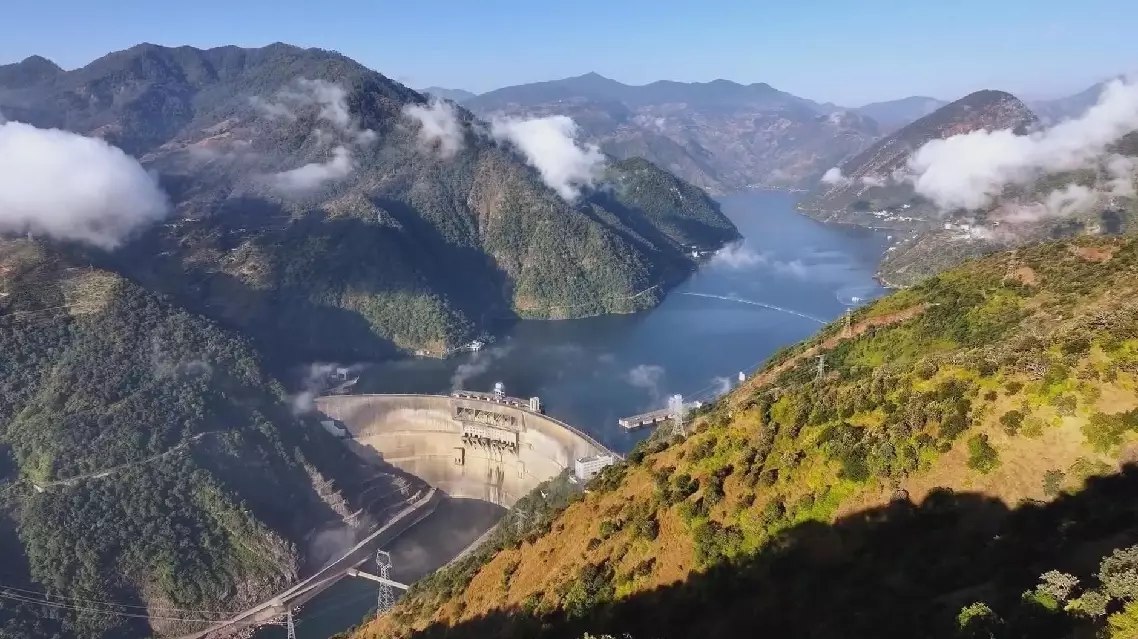
China will accelerate the construction of integrated clean-energy bases that combine hydropower, wind and solar power in major river basins during the 15th Five-Year Plan period (2026-2030) to boost green power output.

According to the National Energy Administration, by 2030, the country aims to establish a series of innovative models that promote the local consumption of hydropower, wind, solar and other new energy sources.

During the 15th Five-Year Plan period, the efforts will be focused on the construction of pilot bases of integrated hydropower, wind and solar energy in the southwest, primarily along the Yalong River, the upper Jinsha and Lancang rivers, and the southeastern part of Xizang.

In principle, each base is expected to drive the development of at least 5 million kilowatts of new energy capacity.

China will also leverage major river basins in the northwest, steadily advance the planning of integrated hydro-wind-solar power bases in the upper reaches of the Yellow River, and promote the synergy between these clean-energy bases and the green hydrogen industry chain as well as green computing.

China has built the world's largest renewable energy system, vowing to accelerate the green transition across the board.

By the first half of 2026, the country's total installed renewable energy capacity reached 2.46 billion kilowatts, accounting for 60.7 percent of total national power generation capacity.
China to accelerate construction of integrated clean-energy bases in river basins

China to accelerate construction of integrated clean-energy bases in river basins
China has brought nearly 600 virtual power plants into operation with a maximum regulating capacity exceeding 20 million kilowatts, the National Energy Administration said Thursday.

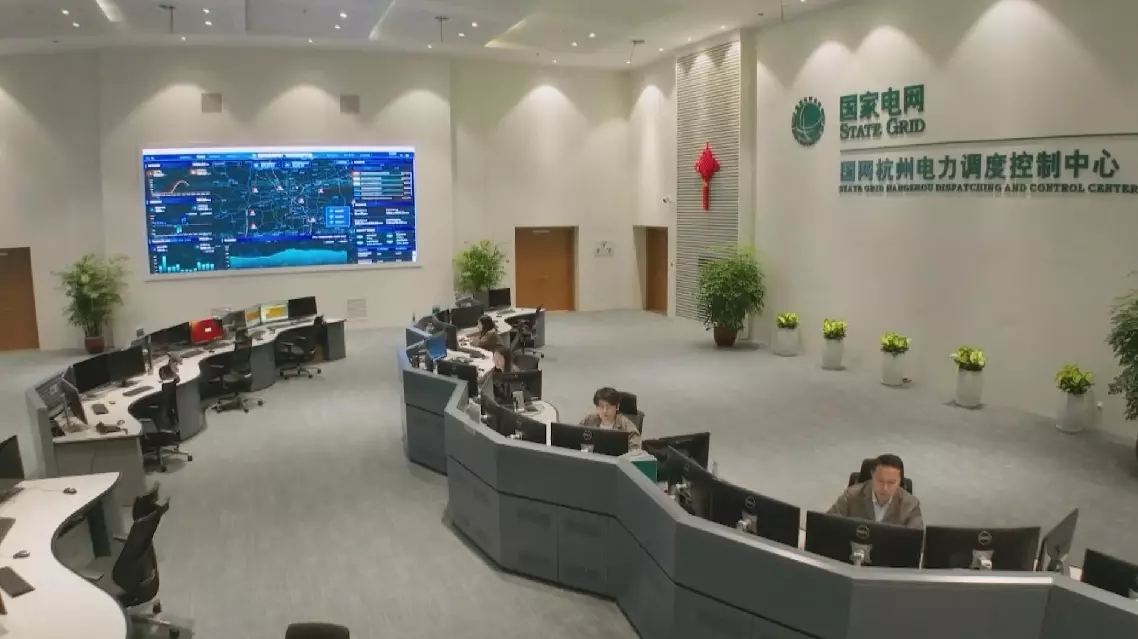
The "virtual power plant" is a network of different kinds of generators that divert energy where it's needed, helping match supply with demand. It integrates various power sources to better distribute electricity.

Data shows that as of the end of June this year, a total of 592 virtual power plants have been put into operation nationwide, a year-on-year increase of 78.9 percent. Their maximum regulating capacity is about 20.43 million kilowatts, up 62.7 percent year on year, reflecting rapid expansion in virtual power plants capacity. Regionally, East, South and North China have seen relatively rapid development of virtual power plants, with East China accounting for 286 of them, nearly half of the national total.

At the provincial level, eastern and central China provinces are expanding virtual power plants faster and on a larger scale, with Jiangsu, Shanghai, Guangdong, Zhejiang, and Shandong leading in numbers and together accounting for more than half of the national total.

Currently, private enterprises have become a major force in virtual power plants construction. Privately funded and built virtual power plants have reached 268, accounting for 45.3 percent of the total.

China's virtual power plant regulating capacity exceeds 20 million kilowatts

China's virtual power plant regulating capacity exceeds 20 million kilowatts

Recommended Articles