International observers said Chinese President Xi Jinping's keynote speech at the Asia-Pacific Economic Cooperation (APEC) CEO Summit 2026 on Wednesday has pointed the way for cooperation and development in the region, with some saying they look forward to economies in the Asia-Pacific working more closely with China toward promoting common prosperity.
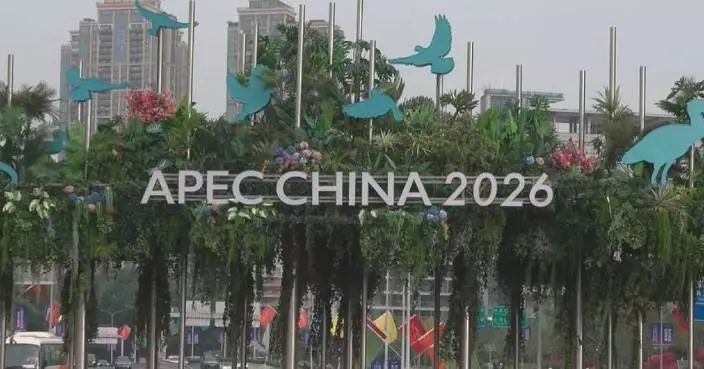
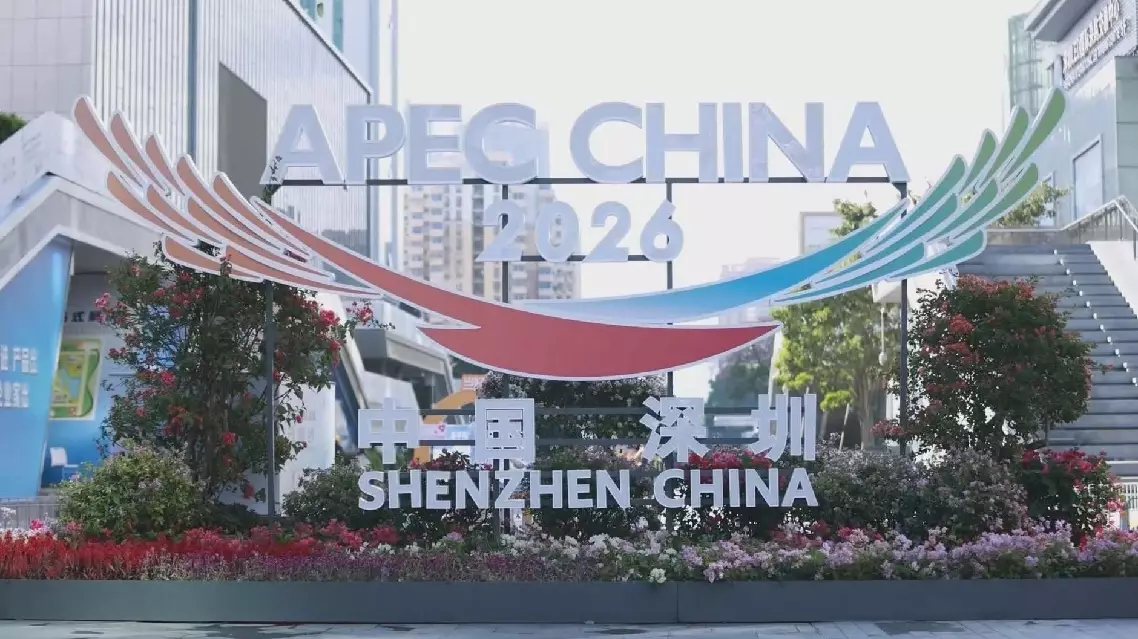
The APEC CEO Summit 2026 opened Tuesday in Shenzhen City of south China's Guangdong Province, bringing together business and political leaders from across the Asia-Pacific and beyond to discuss regional economic cooperation and future development.
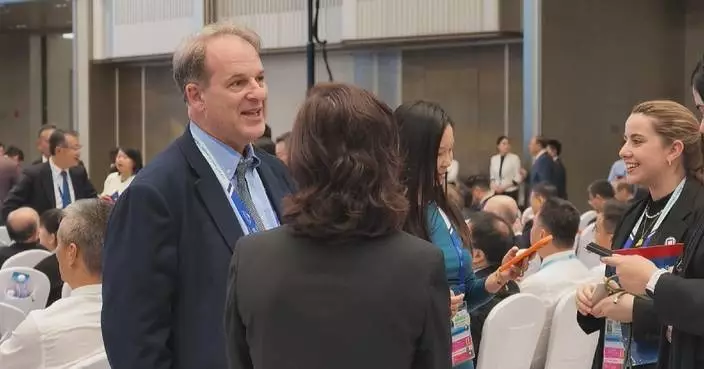
Under the theme "To Prosper and Win the Future Together," the two-day event has attracted more than 2,000 representatives from 21 APEC economies and 13 non-APEC economies, including Britain, France, Germany and Switzerland.
Some scholars and regional leaders noted that Xi's speech showed how China's own development and regional progress can go hand in hand. They also called for deeper cooperation across the region.
"I thought the speech was quite forward-looking. I think President Xi tried to establish the premise that China's modernization and future development are not inconsistent with regional economic and technological advancement, and that there is a connectivity between the two. And it's a kind of positive-sum game that it's possible for China to keep up its economic growth, but it's also possible at the same time for these countries also to become more developed and continue on a trajectory where they can improve the lives of their citizens along the way," said Denis Simon, senior research fellow at Quincy Institute for Responsible Statecraft in the United States.
"So I think maybe there would be a need to elevate the cooperation a little bit more because increasingly both sides, ASEAN and APEC, focus a lot on economic cooperation. So I think that's something we should look into and how we can strengthen this relationship," said ASEAN Secretary-General Kao Kim Hourn.
Xi said in his remarks that China's 15th Five-Year Plan presents a range of opportunities for economic growth of the Asia-Pacific and beyond, describing the development blueprint as an invitation for cooperation extended to the global business community.
Some international figures said China's vast market offers businesses from all countries huge opportunities for cooperation and development.
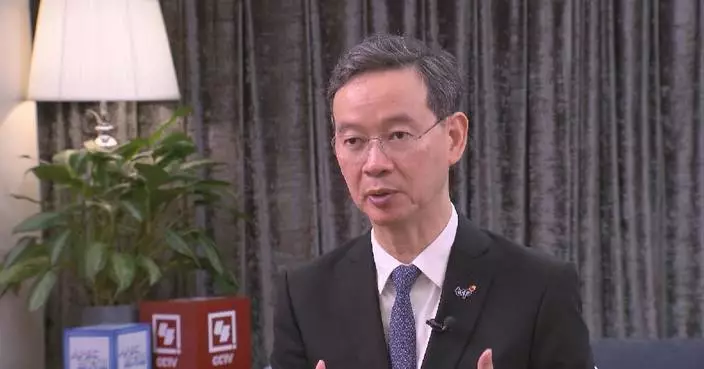
"President Xi Jinping has very effectively crystallized some very good points about the future prospects of doing business in the world and in particularly in partnership with China. I think the messages are very clear. The world needs openness, and China is open for business. I think the future is very bright," said Lawrence Loh, director of the Center for Governance and Sustainability at the National University of Singapore.
"China [has] wide open doors. So it's important for the international trade worldwide to have, let's say, complete access to the Chinese economy as far as we have here, the one of the biggest markets in the world with 1.4 billion people," said Alvaro Barrenechea, president of the Peruvian-Chinese Chamber of Commerce.
Participants also highlighted the tangible outcomes achieved at the gathering, pointing to expanding cooperation across both traditional trade and emerging sectors.
"Over two thousand people have gathered in China. The agreements reached cover both trade and services, in fields including the digital economy, artificial intelligence, food security and tourism," said Alexander Stuglev, chairman of the board and CEO of Russia's Roscongress Foundation.
The APEC CEO Summit has been held annually since 1996, serving as the highest-level platform for APEC economy leaders and business representatives to discuss open cooperation and advance regional economic development.
Int'l observers laud Xi's APEC keynote for charting course toward shared regional prosperity