NEW YORK (AP) — Personal information belonging to thousands of JPMorgan Chase customers was leaked onto the internet Thursday after third-party vendors at the bank were targeted in a cyberattack. The leak is unrelated a bank outage earlier this week and the information involved did not include credit card or particularly sensitive personal information, the bank said.
The leaked data appears to be mostly email addresses of Chase customers as well as some bank employees, as well as their phone numbers in some cases.
“We have learned that third parties who provide services to the firm were the target of a cyber attack," said Joe Evangelisti, a spokesman for the bank. Based on our investigation so far, we believe the attackers accessed certain marketing data held by those vendors, which may include some customer names and email addresses."
Visa and Mastercard also confirmed the data breach, but the hack had no impact to company functions or the payment information of customers.
The accounts impacted, which number in the thousands, are a fraction of Chase’s customer base. Chase has tens of millions of customers and Visa and Mastercard have billions of customers.
“At this time, the exposure has been contained and our teams are working with the provider to support the impacted cardholders as needed,” said Seth Eisen, a spokesman for Mastercard.
The cyber attack was an unrelated incident to what happened with Chase earlier this week, when a software bug caused outages in some of Chase's banking services.
However, this cyber attack is the latest in a series of technological problems that has hit various parts of the global economy, with flights being grounded to basic email and calendar services from Microsoft being not operational.
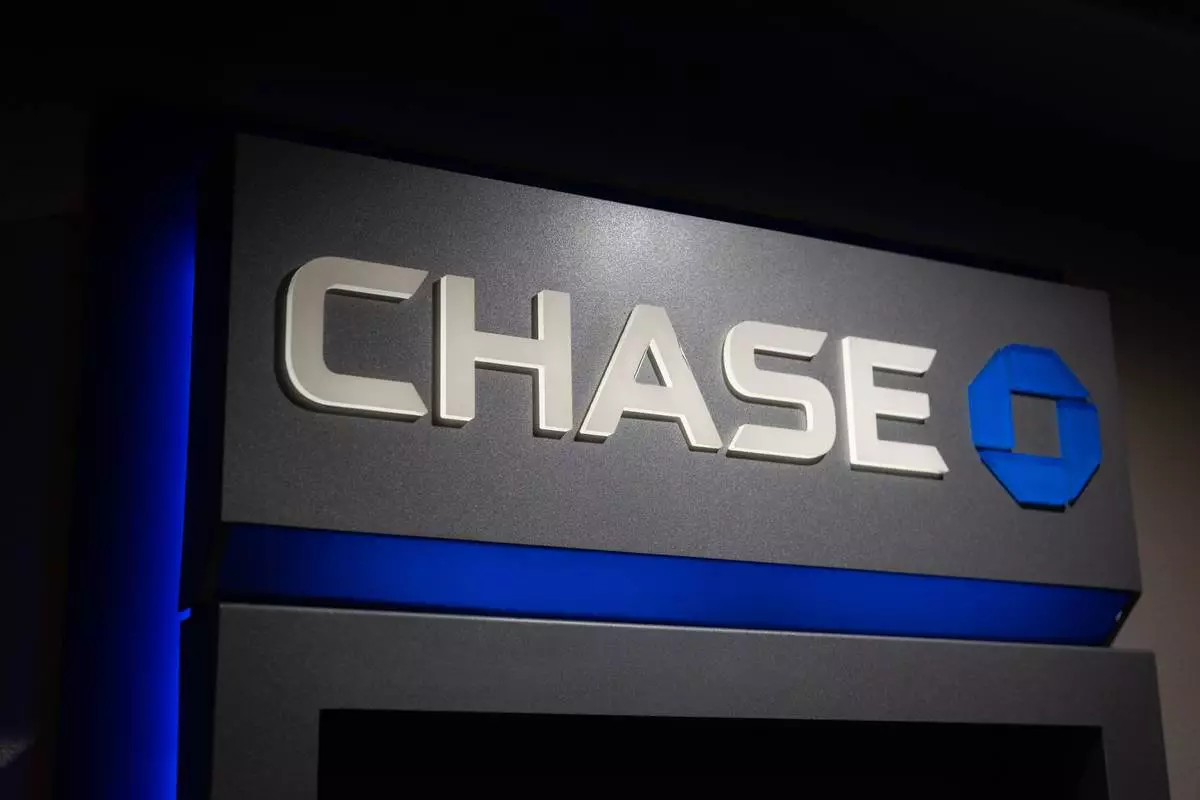
FILE - A sign for Chase bank is seen on an ATM Tuesday, Jan. 6, 2026, in Portland, Ore. (AP Photo/Jenny Kane, File)
WASHINGTON (AP) — The Senate approved bipartisan legislation Thursday aimed at speeding up permitting reviews to build power plants, transmission lines and other energy infrastructure as lawmakers seek to increase the nation’s energy supplies to meet surging demand and lower electricity prices.
The legislation’s sweeping changes would shorten the timeline to start big energy projects and make sure data centers pay for the energy they use. Anger over data centers and rising electricity prices helped usher in a wave of Democrats pledging to clamp down on the energy-hungry behemoths.
The 62-33 vote is the first major action by Congress since midterm elections that soundly repudiated President Donald Trump and congressional Republicans. The bill now goes to the House, which approved a more limited, industry-friendly version last year.
The Senate bill would overhaul several environmental laws to make it easier to build energy infrastructure, drawing criticism from Democrats and environmental groups about limits on judicial review and changes to bedrock laws such as the National Environmental Policy Act, Clean Water Act and Endangered Species Act.
Trump urged approval of the bill, calling it a “BIG WIN for U.S. ENERGY INDEPENDENCE and DOMINANCE” in a recent social media post. The bill, formally known as the Bipartisan American Affordability and Jobs Act of 2026, will ensure the U.S. can build pipelines, mines and power plants more quickly, “lowering Energy Costs for American Families,” Trump wrote.
Major industry groups representing developers in clean energy and the oil and gas sector support the bill as a way to deliver more electricity to the grid and avoid delays for infrastructure projects that can stretch a decade or more.
However, many environmental organizations have denounced the measure, saying it would lock in fossil fuel development, weaken environmental safeguards and make it harder for communities to challenge energy project approvals.
“Make no mistake: This backroom deal will pave the way for even more fossil fuel projects like gas power plants for data centers, oil and gas pipelines and (liquefied natural gas) terminals while sacrificing fundamental and common-sense public health and environmental protections for communities across the U.S.,” said Jen Duggan, executive director of the Environmental Integrity Project.
Benefits for renewable energy are outweighed by likely increases in greenhouse gas emissions and air and water pollution from the fossil fuel industry, Duggan and other critics said. She called the bill “a gift to some of the biggest polluters in America” and complained that it was being rushed through a lame-duck Congress without public hearings or sufficient debate.
A final vote on the measure was held up this week as Oregon's two Democratic senators pushed to add amendments, including one to ban data centers on public lands.
Sens. Jeff Merkley and Ron Wyden are among several Democrats in both chambers who say the party should use its stronger position in the next Congress to pass legislation that boosts clean energy, such as solar and wind power, while limiting expansion of oil, natural gas and other fossil fuels.
“Getting more renewable electrons where they are needed doesn’t tackle climate change if you simultaneously promote the burning of more fossil fuels. Unfortunately, this bill does exactly that,” Merkley said.
Majority Republicans stymied Merkley's effort to ensure votes on a host of amendments, including one that would block the Trump administration from continuing to cancel clean energy grants and other Democratic priorities for “purely political purposes.”
The bill's sponsors reneged on promises of “a robust amendment process," he said. In the end, the measure was approved without amendments offered by rank-and-file senators.
“I do think that this bill is very consequential to the future of this planet,” Merkley said.
Major environmental groups, including the Sierra Club and National Wildlife Federation, oppose the bill, citing concerns about limits on judicial review and changes to the National Environmental Policy Act and other laws. The environmental policy law, known as NEPA, requires agencies to consider a project’s possible impacts and allows the public to be heard before a project is approved. The current review process often takes five years or more, and shortening that time frame is a key goal of the bill.
“In America today, it takes too long and costs too much to build,” said Wyoming Sen. John Barrasso, the No. 2 Republican in the Senate. “Energy projects that would help lower prices remain frozen for years” as they await approval by the federal government.
“Construction cannot start without first spending years in the regulatory penalty box,” driving up costs and creating uncertainty, Barrasso said.
The bill’s four main champions — two Democrats and two Republicans — have released a detailed set of amendments designed to bolster support for the legislation.
The four senators, who lead the chamber’s energy and environment panels, negotiated the deal a few weeks before the election. Republican Sens. Shelley Moore Capito of West Virginia and Mike Lee of Utah and Democratic Sens. Martin Heinrich of New Mexico and Sheldon Whitehouse of Rhode Island say Americans are tired of paying more in utility bills while projects that could lower costs sit stuck in the planning phase for years.
“We are going to make it easier to build in America again, and make life more affordable for American families,” Lee said.
Whitehouse, a longtime climate hawk who has been criticized by some allies for supporting the permitting bill, said the measure is “the floor, not the ceiling, of our climate and environmental aspirations,” adding that he hopes “to accomplish big things with our big Democratic majorities” over the next two years.
But Democratic Sen. Maria Cantwell of Washington state said the bill has been rushed and its impacts are not fully considered.
Cantwell, who met Tuesday with tribal, outdoor recreation and conservation leaders, said the bill would undermine tribal nations and weaken protections for the nation’s bodies of water, land and wildlife.
“Now is the time to slow this process down, to actually have a formal process” to debate and amend the bill, she said. “Don’t sacrifice the Clean Water Act or hunting or fishing grounds, historic or sacred sites, or protections of tribal sovereignty. We all need new sources of energy and power. But this bill, as it’s currently drafted, is not the answer.”
Oneida Nation Vice Chairman Jameson Wilson said the bill threatens the tribe's ability to protect its sacred spaces, ancestors, traditional ceremonies and culture. “Any effort to accelerate development must strengthen, not diminish and erode tribal sovereignty and meaningful consultation,” he said.
Former Energy Secretary Jennifer Granholm, who led the agency in the Biden administration, said she understands those concerns, but believes recent changes by bill sponsors strengthen protections for tribal consultation and restore important state authority over water quality.
“A bigger Democratic majority can write a stronger bill,” Granholm wrote in a social media post. “But it would still need this president’s signature.”
Sen. Alex Padilla, a California Democrat, said he supports and even authored many provisions in the bill, such as streamlining transmission infrastructure.
But he voted no because the bill contains provisions he said would “irreparably harm California and the 109 federally recognized tribes who call California home.” He said he cannot sacrifice the rights of tribal governments or California’s environment.
Associated Press writer Jennifer McDermott contributed from Providence, Rhode Island.
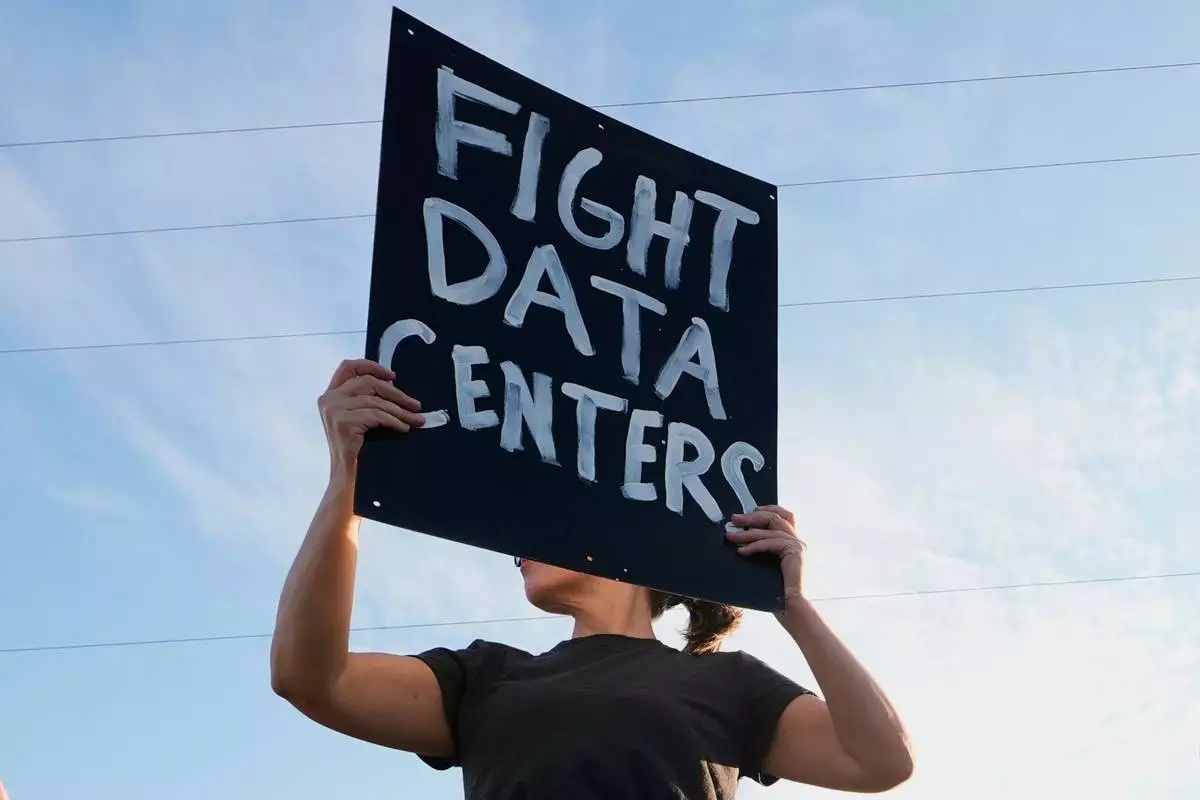
FILE - A protester holds a Fight Data Centers sign Oct. 12, 2026, in Mason, Mich. (AP Photo/Paul Sancya, File)
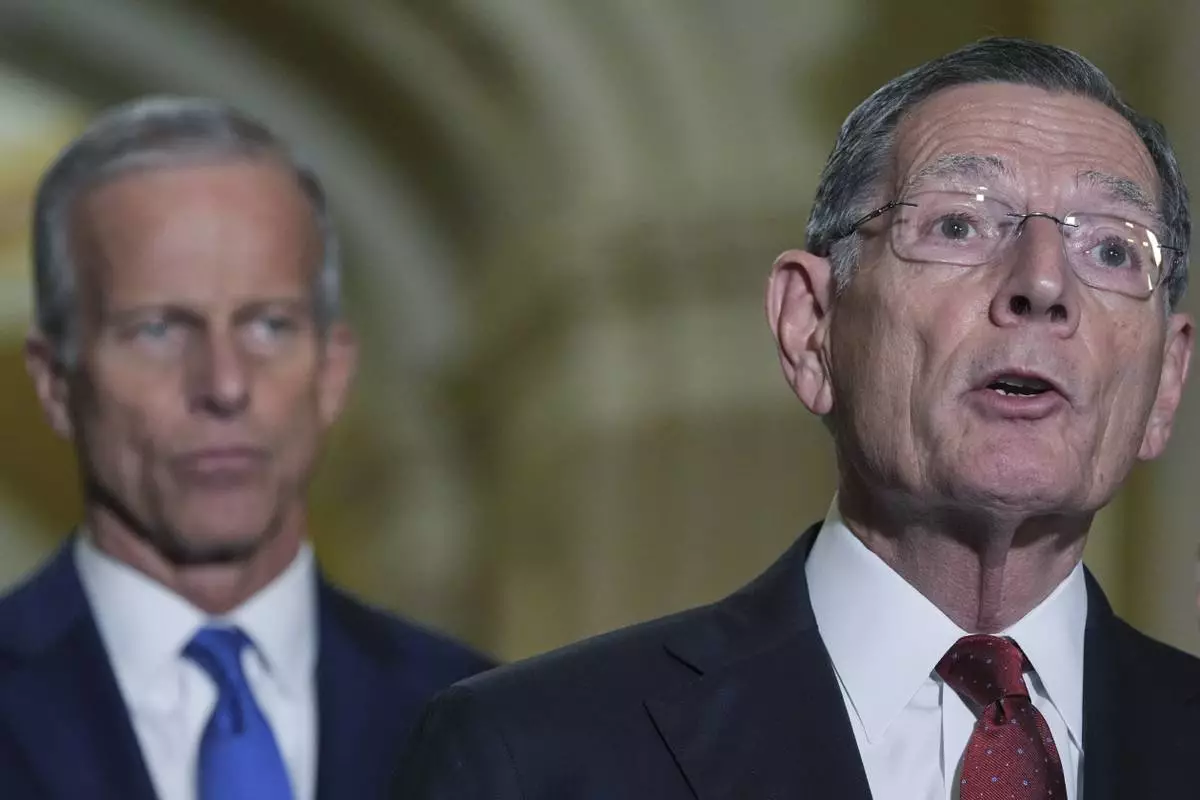
Sen. John Barrasso, R-Wyo., speaks as Sen. Majority Leader John Thune, R-S.D., left, listens during a news conference after a policy luncheon on Capitol Hill, Tuesday, Nov. 10, 2026, in Washington. (AP Photo/Mariam Zuhaib)
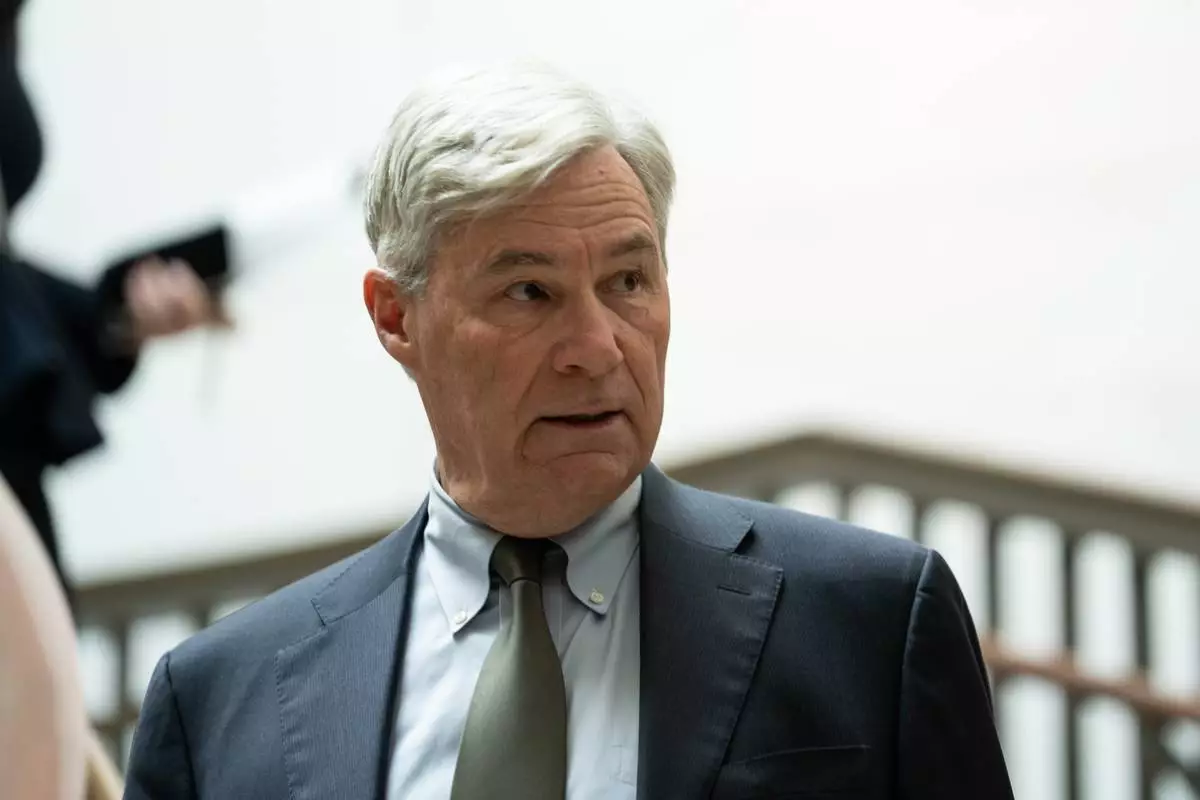
Sen. Sheldon Whitehouse, D-R.I., walks through the Capitol basement, Monday, Nov. 9, 2026, in Washington. (AP Photo/Allison Robbert)
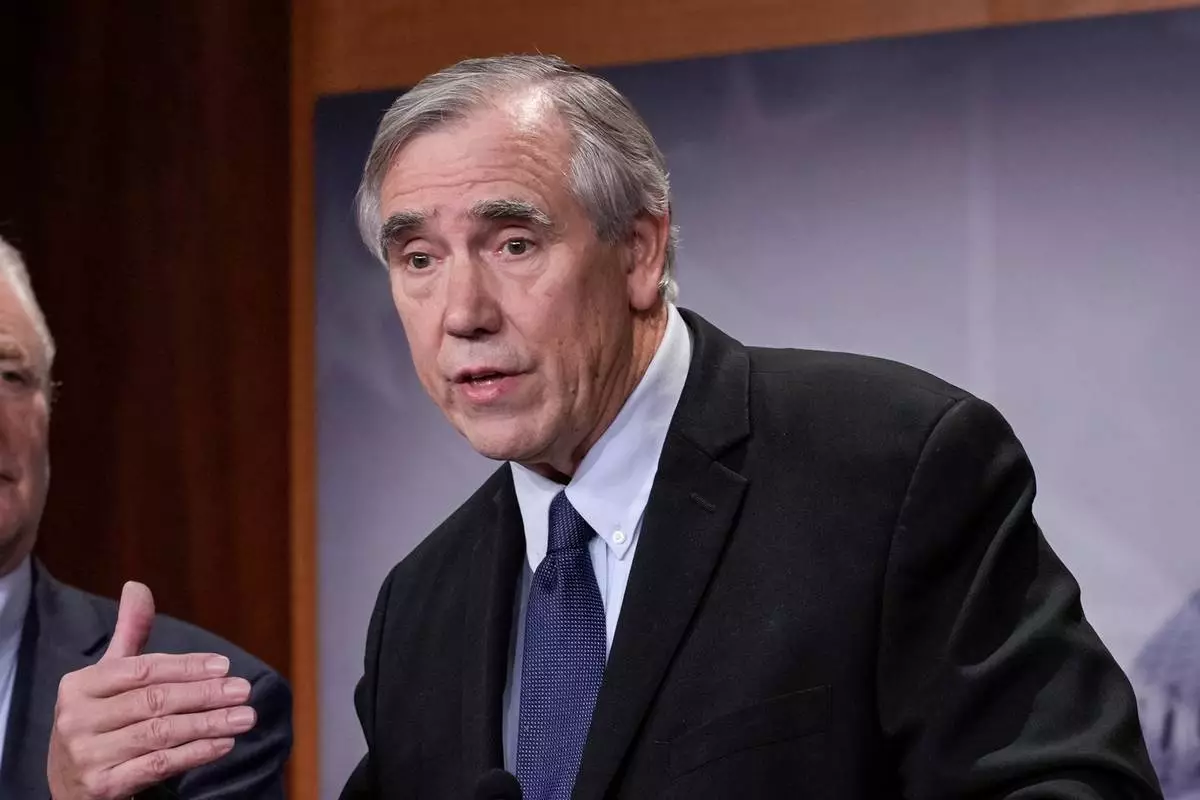
Sen. Jeff Merkley, D-Ore., talks to reporters about their ideas to streamline Senate procedures and rules for the new Congress with a Democratic majority, at the Capitol in Washington, Thursday, Nov. 19, 2026. (AP Photo/J. Scott Applewhite)
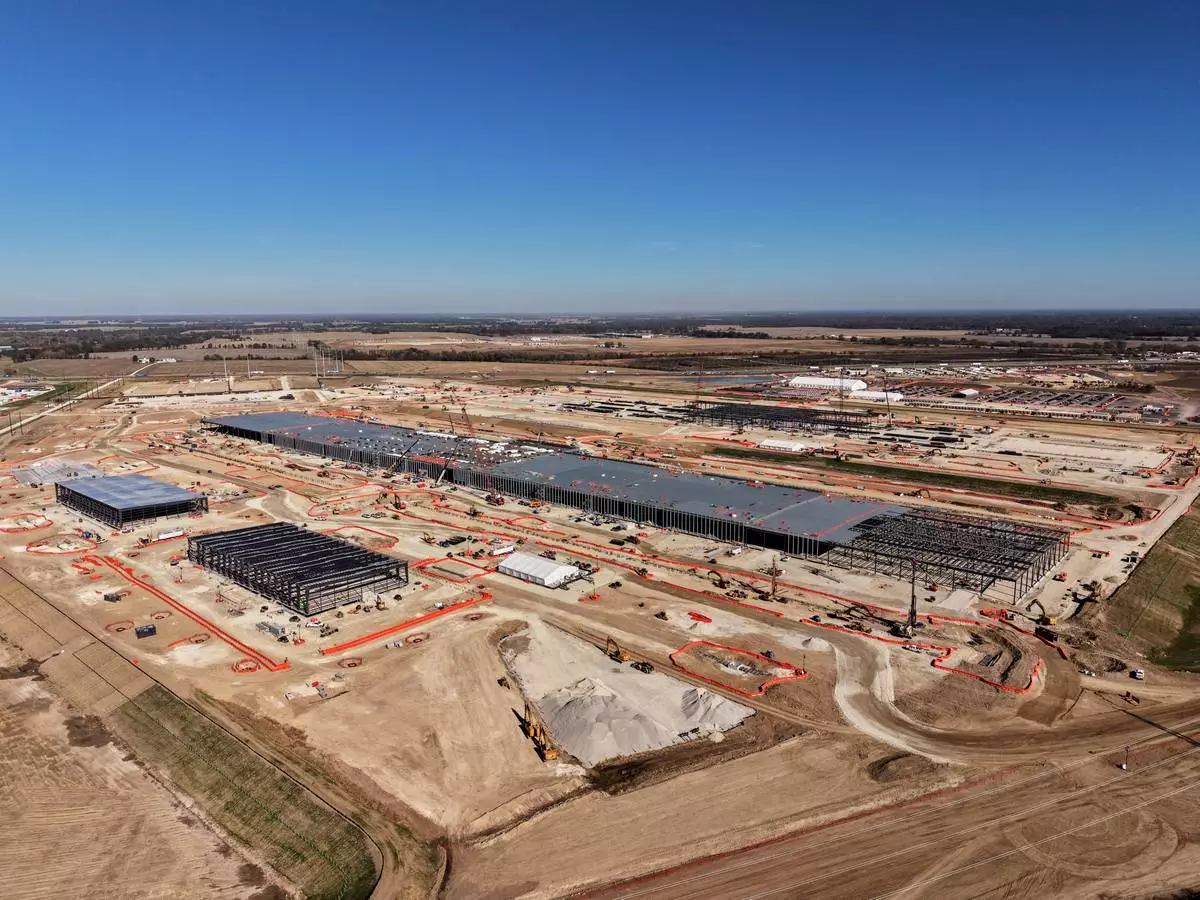
FILE - An Amazon data center is under construction in New Florence, Mo., Nov. 9, 2026. (AP Photo/Jeff Roberson, File)