JUBA, South Sudan (AP) — Migrants deported by the Trump administration to countries other than their own have endured hunger, thirst and other deprivations while being detained indefinitely in places with poor human rights records and little oversight.
For those expelled to South Sudan, and their families, the ordeal has come at an additional cost.
Click to Gallery
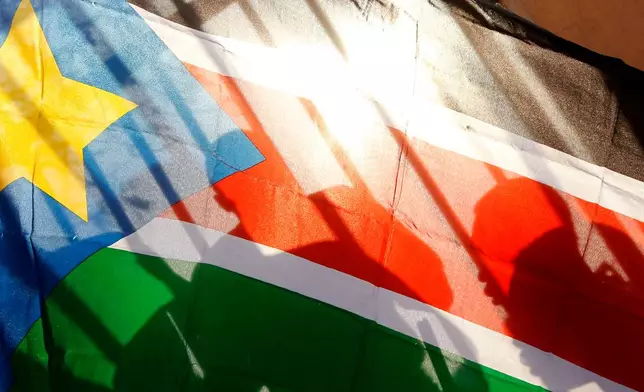
FILE - The silhouettes of South Sudanese people are seen through a South Sudanese flag as they line up to cast their votes in Juba, South Sudan, Jan. 9, 2011. (AP Photo/Jerome Delay, File)
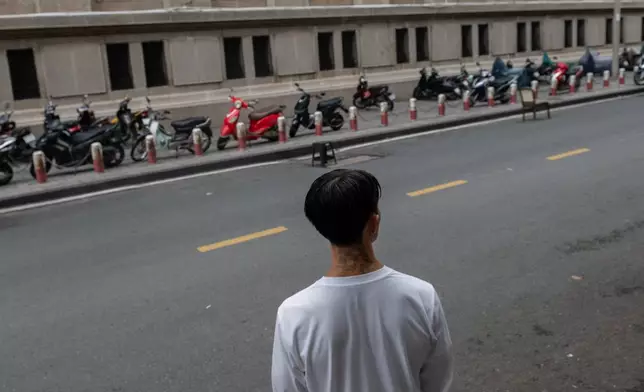
Tuan Phan stands on a street in Ho Chi Minh City, Vietnam, Oct. 30, 2026. (AP Photo/Thanh Hue)
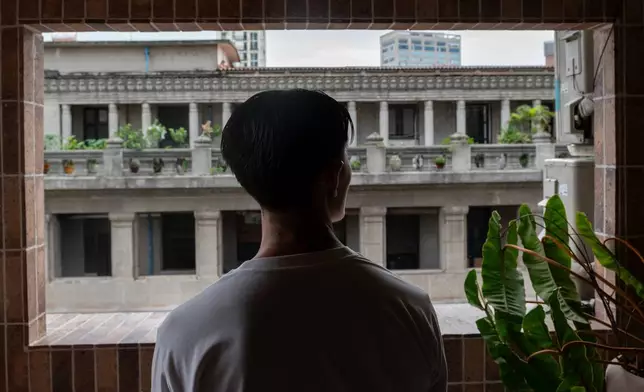
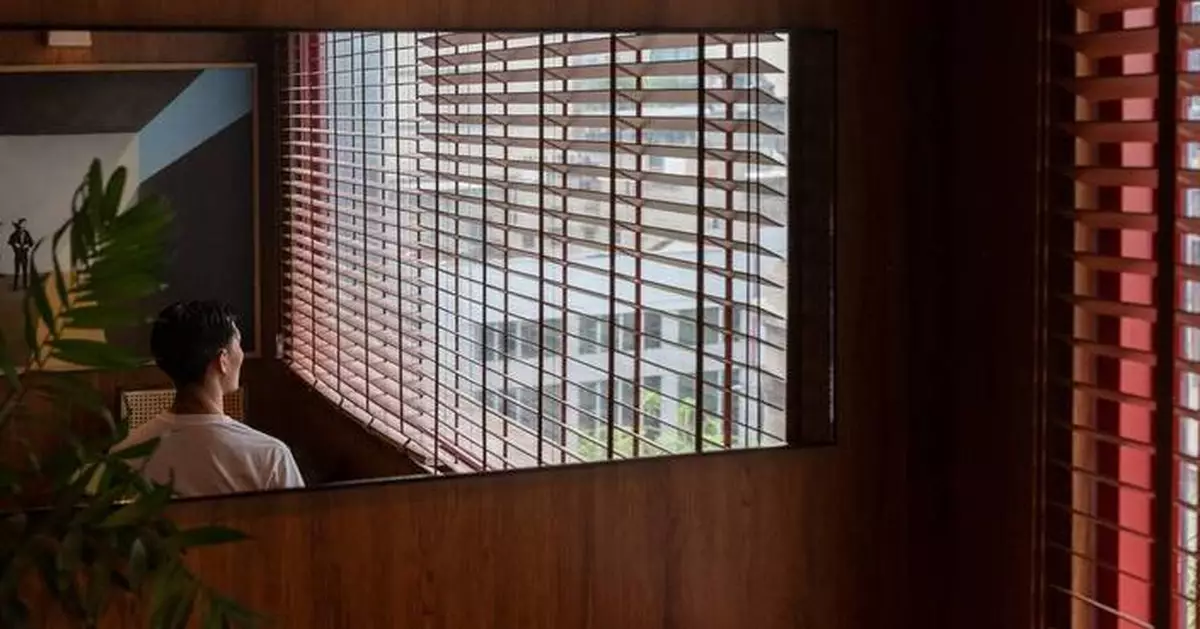
Tuan Phan stands in a cafe and looks outside in Ho Chi Minh City, Vietnam, Oct. 30, 2026. (AP Photo/Thanh Hue)
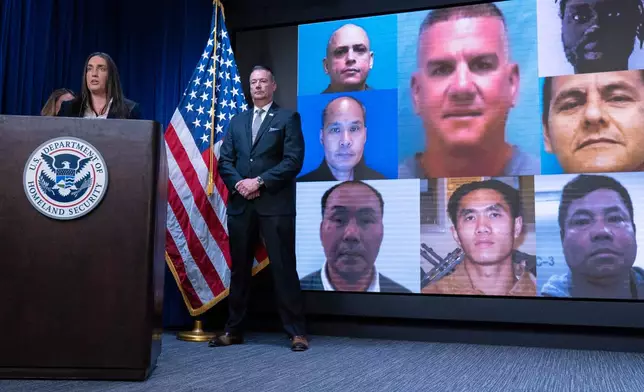
File - Deputy Director of U.S. Immigration and Customs Enforcement Madison Sheahan, flanked by Acting U.S. Immigration and Customs Enforcement Director Todd Lyons, speaks during a news conference at ICE headquarters in Washington, May 21, 2025. (AP Photo/Jose Luis Magana, File)
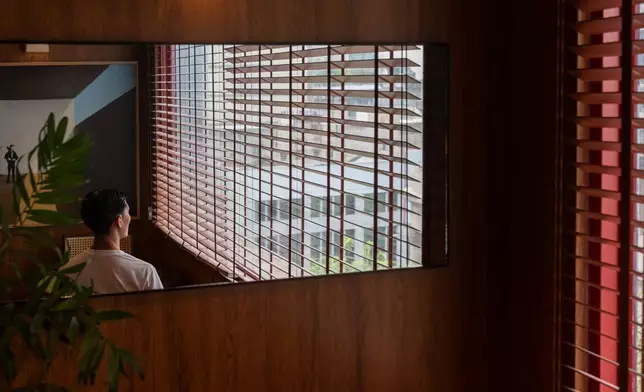
Tuan Phan sits for a photograph at a coffee shop in Ho Chi Minh City, Vietnam, Oct. 30, 2026. (AP Photo/Thanh Hue)
Guards have solicited and received thousands of dollars from detainees’ families, who were told the money would be used to improve conditions for their loved ones. Instead, the guards pocketed most of the money, families said, while detainees went for days without food or clean water, and months held incommunicado.
“They used our desperate situation,” said Ngoc Phan, a U.S. citizen whose husband Tuan Phan had been detained in South Sudan for nearly a year before he was repatriated to Vietnam in June. “If that’s not exploitation, I don’t know what is.”
It is the inevitable outcome, she said, of a U.S. immigration policy that places deportees in the custody of countries struggling with poverty and corruption, then looks the other way.
Five deportees remain in custody in South Sudan, a country in East Africa where millions face severe hunger and poverty after years of civil conflict and devastating floods. The economy is in tatters, and government workers rarely receive wages.
In all, Ngoc Phan said she forked over roughly $4,000 intended for food, water and a cellphone. She sent several hundred dollars on multiple occasions and each time, her husband said, guards would give him a few bananas and apples, and some peanuts.
Tuan Phan, 44, said he lost 20 pounds while under confinement at a gated three-story building in Juba, the capital, and that tensions grew between detainees and guards as living conditions worsened. One detainee who wanted a window open for fresh air was struck in the face by a guard, and another who complained about a lack of soap was locked in his room for days and only let out to eat, he said.
“I feared for my life every day I was there,” he said.
In addition to the Phans, The Associated Press interviewed six other people familiar with the treatment of detainees in South Sudan, including relatives and lawyers. Most spoke on condition of anonymity for fear of retaliation against the detainees.
AP also reviewed money-transfer receipts and messages between guards and four detainees’ relatives.
When asked about AP’s findings, a spokesperson from South Sudan’s Foreign Ministry said detainees are given adequate food, water and medical care, and are allowed regular contact with relatives and lawyers while it works to resolve their individual cases. The spokesperson said the government pays for all the associated costs.
Under a series of murky agreements, the Trump administration has deported thousands of people to more than 30 countries that are not their own, advocates say, all part of the broad U.S. crackdown on immigration. Many were asylum seekers with U.S. court orders protecting them from being returned to their home countries because they could face persecution or torture.
The countries taking deportees have struck deals to receive millions of dollars in payments from the U.S., or have sought goodwill in negotiations over trade, migration or aid, documents show. South Sudan sought sanctions relief and other concessions, though details of the arrangement remain unclear.
In July 2025, after a legal battle that ended with a Supreme Court ruling, Phan and seven other migrants with criminal convictions — including for murder and sexual assault — were deported to South Sudan. In a press release heralding their expulsion, the Trump administration referred to the men — originally from Mexico, Cuba, Vietnam, Laos, Myanmar and South Sudan — as “barbaric criminal illegal aliens.”
All eight had completed their sentences in the U.S. before being taken into immigration custody. One more deportee has been detained in South Sudan.
The Trump administration defends its policy as a means of quickly deporting migrants who have final removal orders, but whose home countries refuse to accept them.
Alma David, a lawyer representing one of the detainees still in Juba, said her client has been arbitrarily held for over a year despite not being charged with a crime.
“These are people who had lives and friends and families and who were scooped up and flown to a faraway country and locked up,” she said.
The first time Ngoc Phan sent money to a guard was in November 2025, after hearing from a lawyer that several detainees in Juba had complained about food shortages. She sent $300. After that, requests for money started coming in more frequently.
Whenever food ran out, guards would instruct Tuan Phan to call his wife and tell her to send money. Occasionally, a guard would contact her directly, requesting cash without indicating what it was for, messages show.
Three other detainees had similar experiences, their relatives and a lawyer said. Payments made on their behalf to four individuals identified as guards ranged from $100 to $1,000 at a time, money-transfer receipts show. A $1,000 payment was made after a guard demanded money for suits, shirts and shoes that he said a detainee needed to travel back to his home country, according to text messages and a money-transfer receipt.
Food and other supplies were depleted quickly, Tuan Phan said, as up to a dozen guards lived and ate alongside the detainees. Sometimes the men ate only bread or rice, or went days without eating.
When they had no drinking water, some detainees collected rainwater, he said. “They give you a jug of water and say it needs to last a week. But then when it runs out it can be another 10 days before you get more.”
Fuel shortages led to weekslong blackouts, and when the plumbing stopped working, the smell of feces filled the building, he said.
In September, one detainee called his niece in the U.S. to tell her to stop sending money after an earlier payment never reached him.
Relatives and lawyers for detainees still stuck in South Sudan say they have little faith the detention will end or conditions will improve without pressure from the U.S. government or international organizations.
But the Trump administration has signaled it has no intention of getting involved, and U.N. agencies say they are unable to help.
The staff at the U.S. Embassy in Juba has been instructed by the Trump administration not to visit the detainees or follow up on their treatment, according to a U.S. congressional aide who discussed the subject with embassy staff during a visit in August 2025. The aide spoke on condition of anonymity because they were not authorized to speak to the media.
The U.S. embassy referred questions to the State Department, where a spokesperson did not address whether the embassy had received such instructions.
A spokesperson for the U.N.’s International Organization for Migration said the agency is unable to step in without a request from South Sudan.
In a statement, South Sudan’s Foreign Ministry said the U.S. “fully relinquished responsibility and no longer has any legal jurisdiction over, or ties to, these individuals."
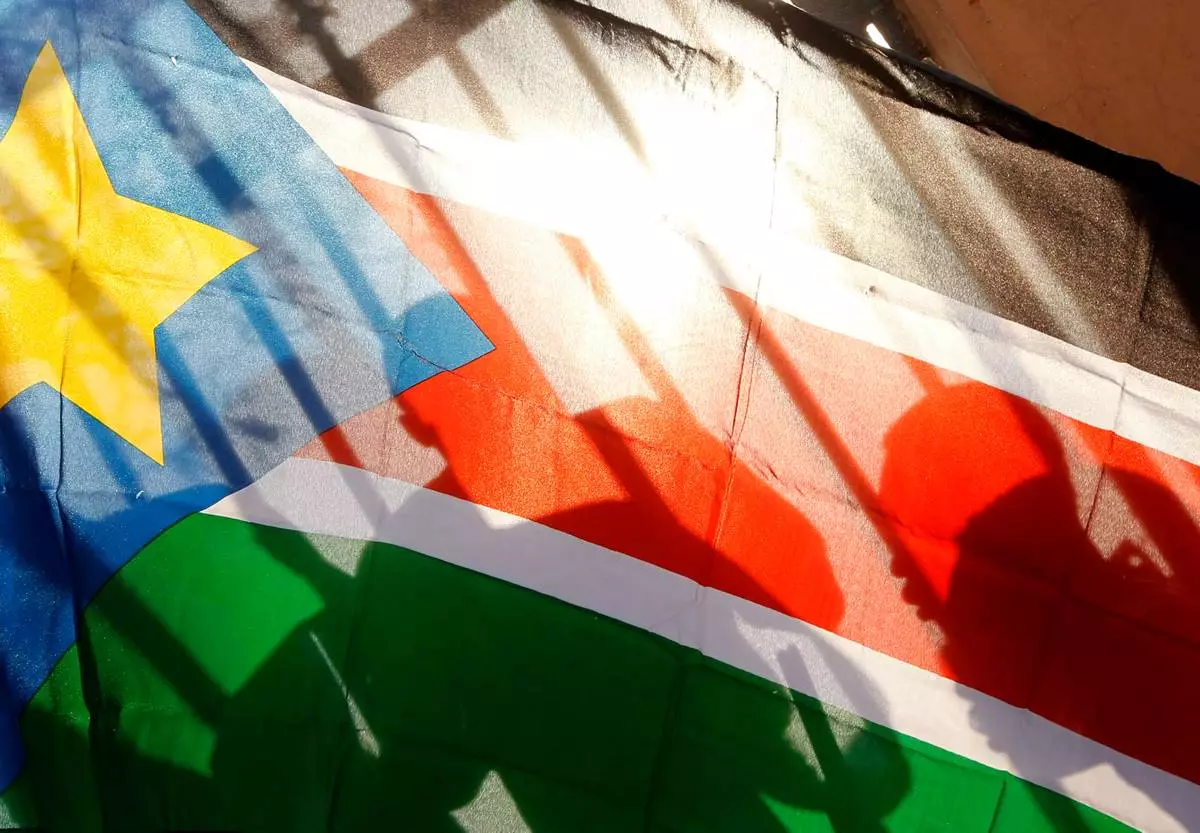
FILE - The silhouettes of South Sudanese people are seen through a South Sudanese flag as they line up to cast their votes in Juba, South Sudan, Jan. 9, 2011. (AP Photo/Jerome Delay, File)
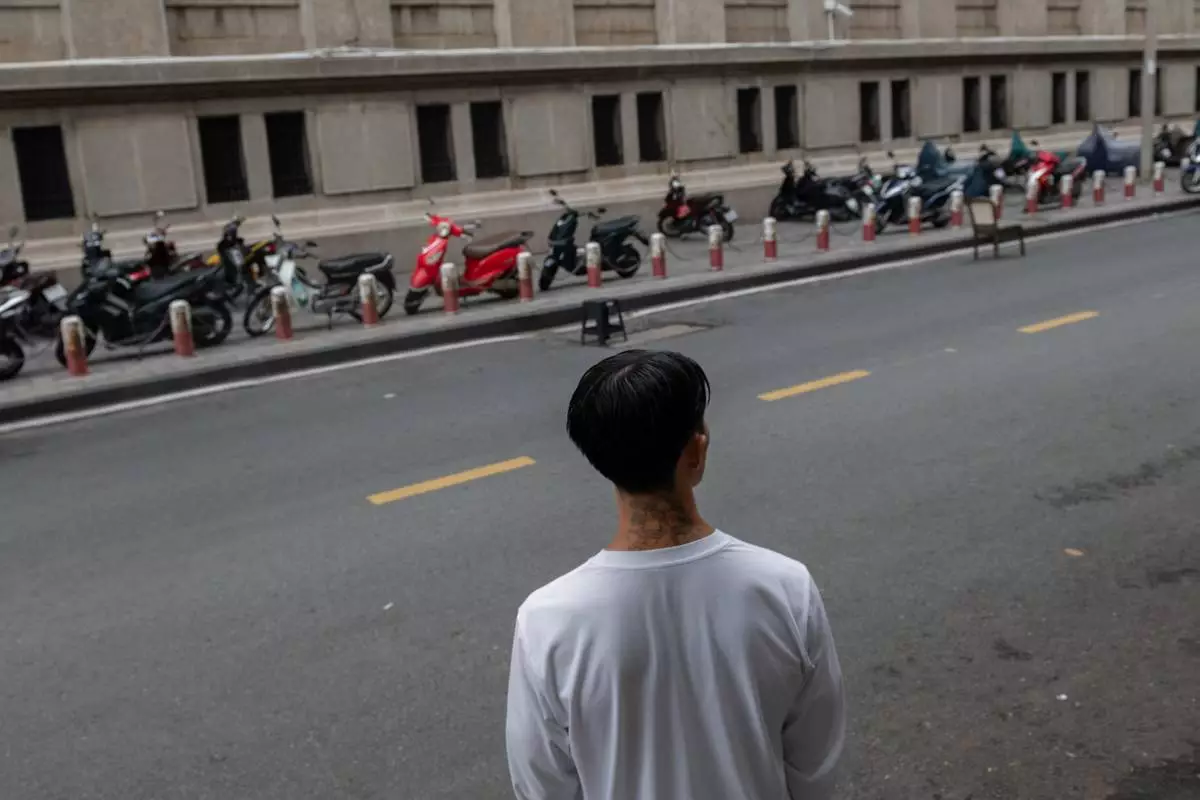
Tuan Phan stands on a street in Ho Chi Minh City, Vietnam, Oct. 30, 2026. (AP Photo/Thanh Hue)
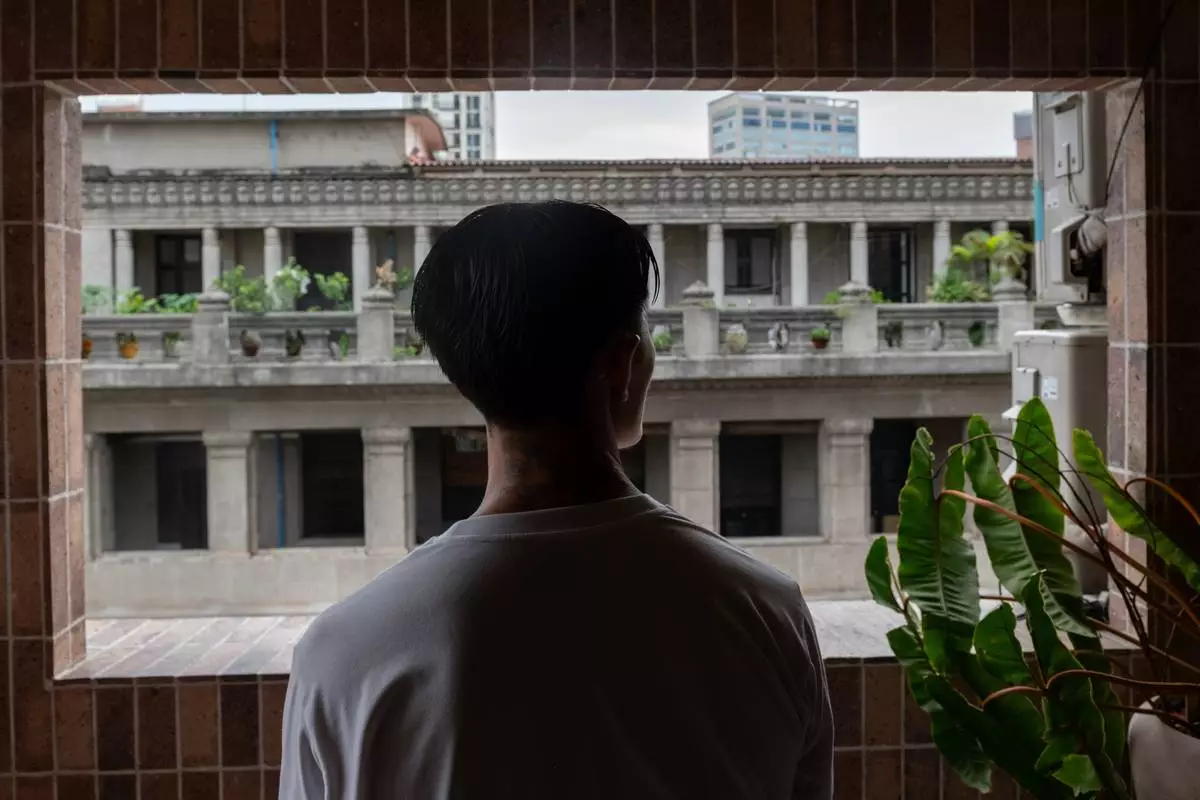
Tuan Phan stands in a cafe and looks outside in Ho Chi Minh City, Vietnam, Oct. 30, 2026. (AP Photo/Thanh Hue)
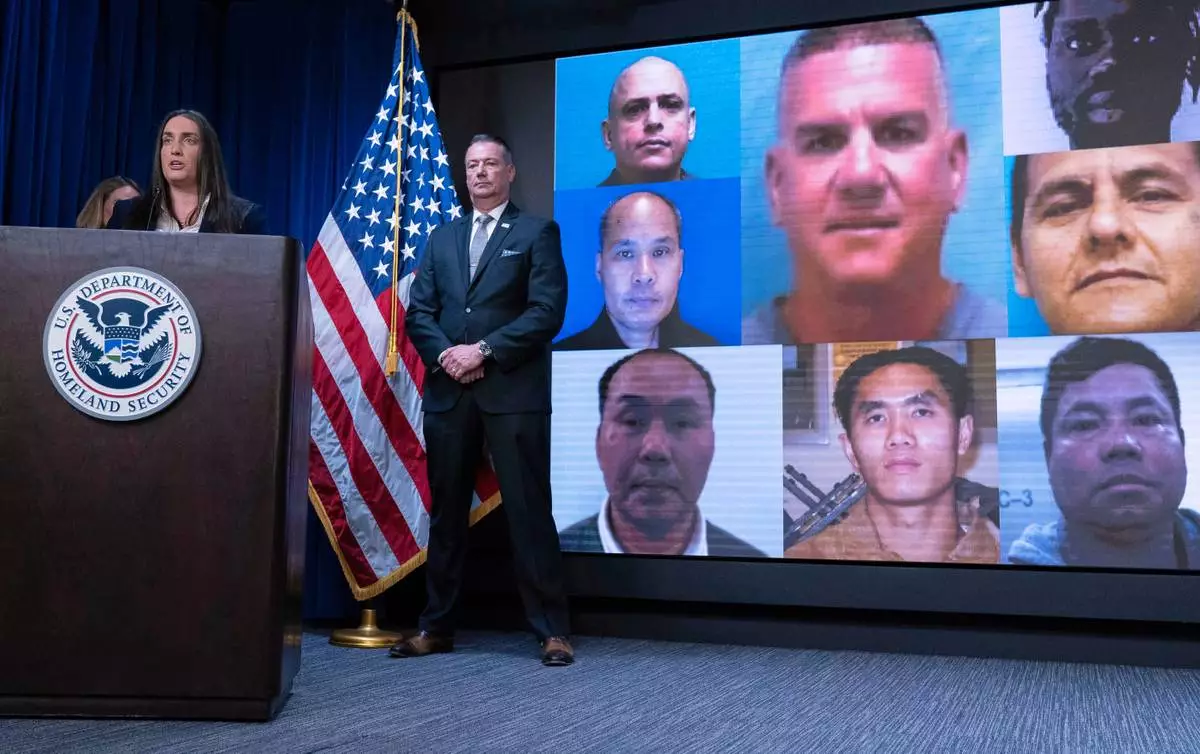
File - Deputy Director of U.S. Immigration and Customs Enforcement Madison Sheahan, flanked by Acting U.S. Immigration and Customs Enforcement Director Todd Lyons, speaks during a news conference at ICE headquarters in Washington, May 21, 2025. (AP Photo/Jose Luis Magana, File)
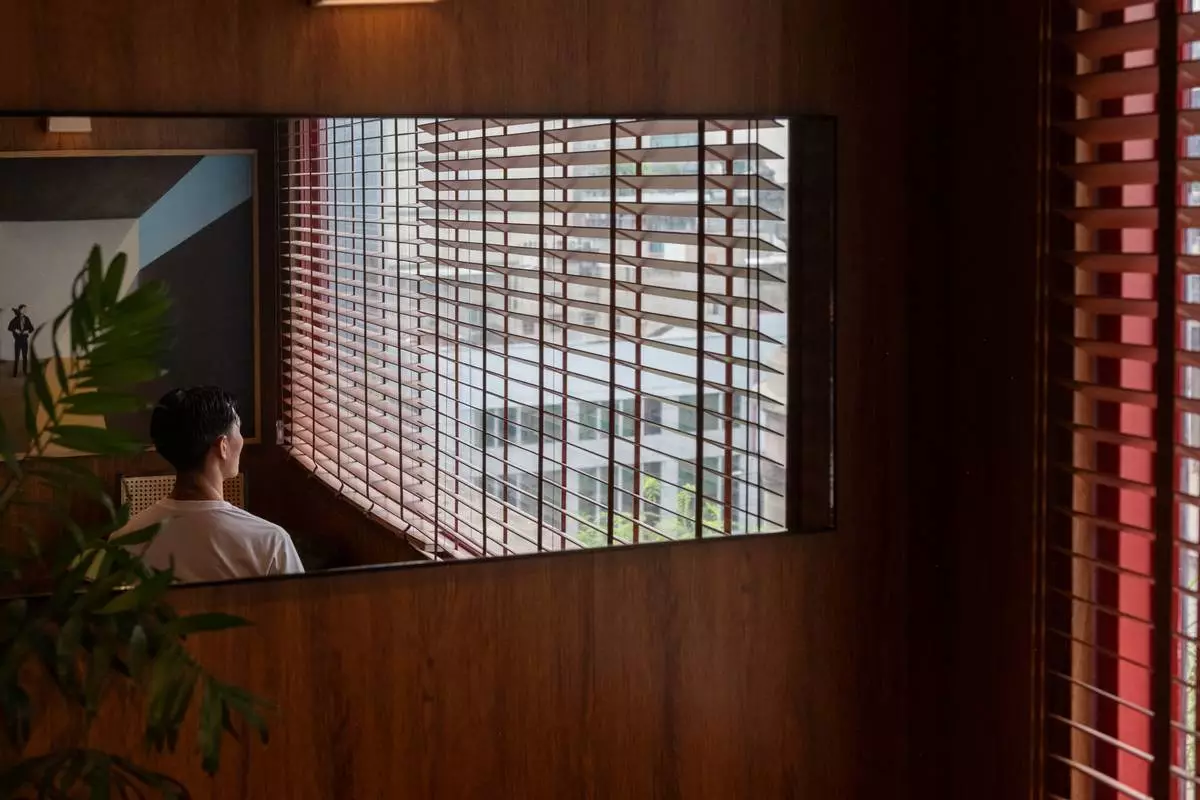
Tuan Phan sits for a photograph at a coffee shop in Ho Chi Minh City, Vietnam, Oct. 30, 2026. (AP Photo/Thanh Hue)