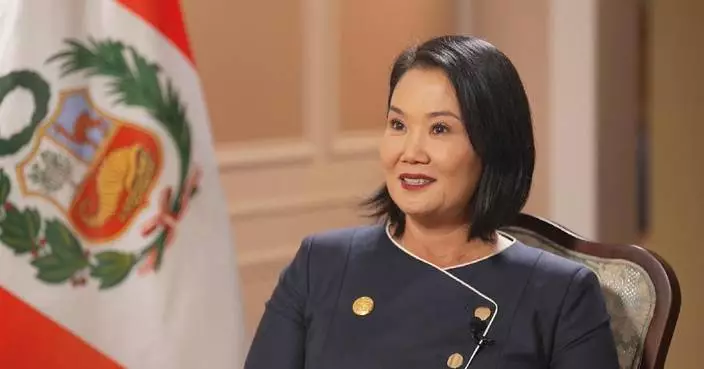
Peru will ramp up investment in infrastructure and renewable energy to keep its economy from cooling as a super-strong El Nino threatens the Pacific coast, Peruvian President Keiko Fujimori said Tuesday, pitching the Andean nation to Chinese investors.
El Nino refers to the sustained, abnormal, large-scale warming of sea-surface temperatures across the equatorial Pacific. For Peru, which lies along the Pacific coast, this round of super-strong El Nino events poses multiple risks, with its intensity expected to be the greatest in decades.
Peru was courting Chinese capital in particular as it builds out renewable power, Fujimori said in an exclusive interview with China Media Group (CMG) ahead of the 33rd APEC Economic Leaders' Meeting in Shenzhen, south China's Guangdong Province.
"With El Nino expected next year, we will make additional investment to keep the economy from slowing down. Much of it will go into infrastructure. And I would like to take this chance to invite investors, openly, to look at what Peru has to offer. Peru is investing in renewable energy, for example hydropower and solar power. We already have several solar plants, and this is a major opportunity for China as well," she said.
Fujimori also flagged opportunities in the Amazon, which she described as "the lungs of the planet."
"Peru is also part of the Amazon region, the lungs of the planet. We share it with other countries, above all Brazil, and we must protect it and develop its potential. The Amazon region also offers industries we can develop. One is paiche farming. Paiche is one of the largest fish in the Amazon basin, and we are already exporting it. So there is room for investment, as long as we protect the environment well," she said.
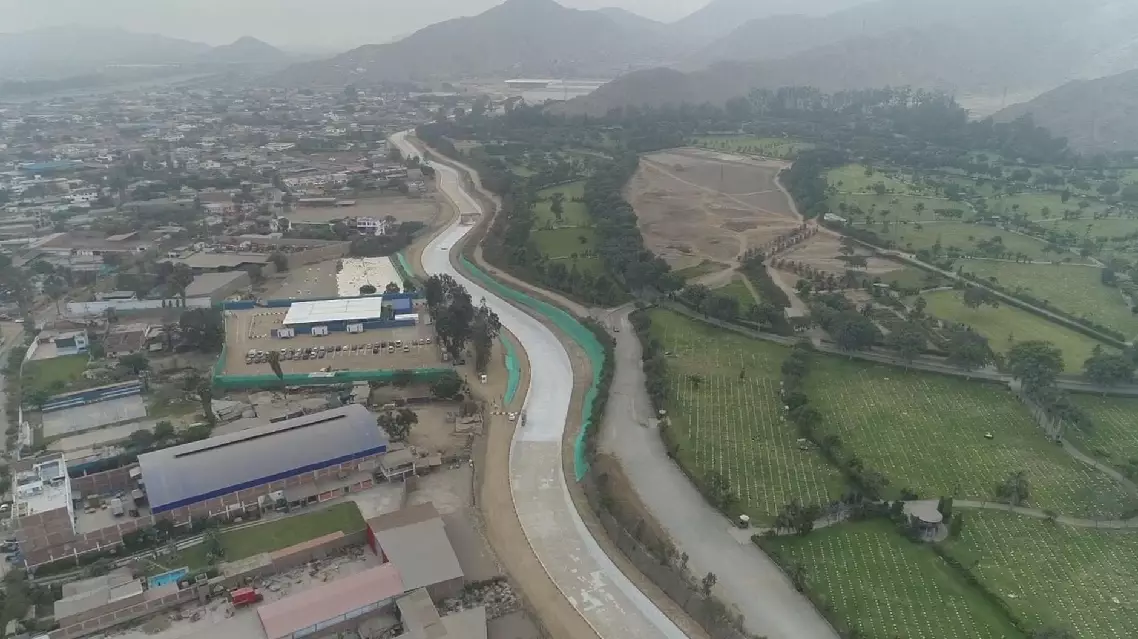
Peru bets on infrastructure, renewables to blunt El Nino: president
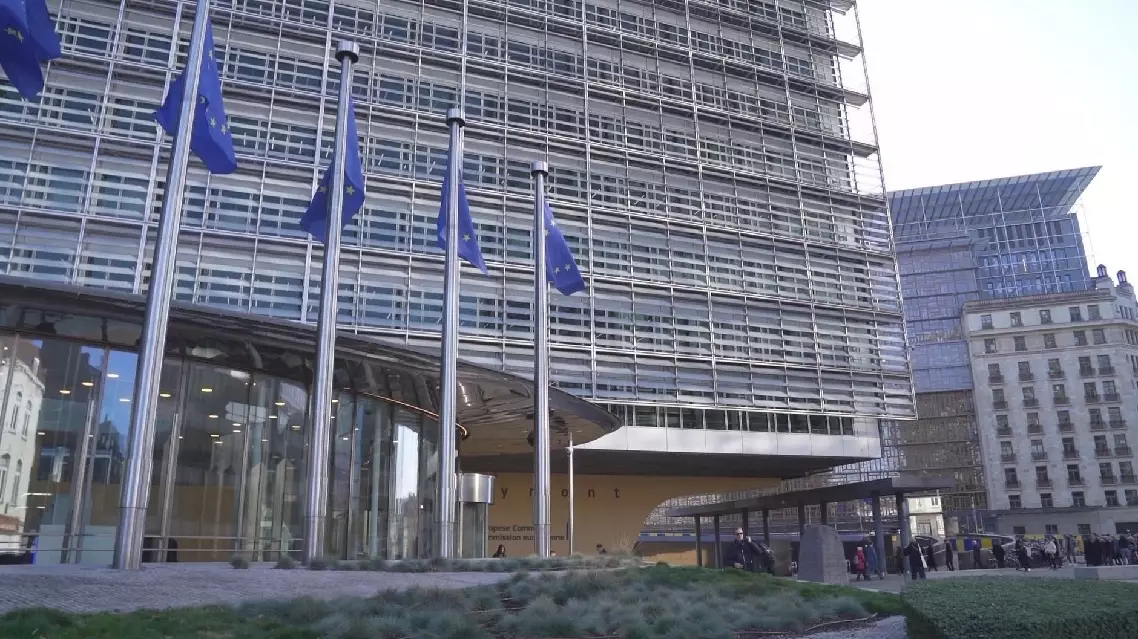
The EU and the UK concluded their second summit in Brussels on Friday with 72 consensus points across trade, energy, youth exchanges, security, and defense, according to a joint statement released after the summit.
UK Prime Minister Andy Burnham, European Council President Antonio Costa and European Commission President Ursula von der Leyen attended the summit to discuss post-Brexit bilateral relations. In the joint statement, both sides pledged to jointly safeguard European security and economic prosperity.
According to the statement, the UK and the EU agreed to exempt the vast majority of movements of animals, animal products, plants, and plant products from the certificates and controls currently required, with the measure expected to take effect from March 1, 2028.
In energy, the two sides will continue negotiations on the UK's participation in the EU internal electricity market, aiming to conclude talks in 2027.
They also announced the conclusion of negotiations on linking their emissions trading systems, expected to apply from 2028. The agreement would provide a stable basis for mutual recognition of EU and UK allowances and for exempting goods from the respective Carbon Border Adjustment Mechanisms, subject to respective laws and procedures.
On youth and education, the statement highlighted the UK's participation in the EU's Erasmus+ program in 2027 and announced plans to exchange 100,000 young people each way from 2028 to reside, study, and work. A supplementary agreement on tuition fees is to be concluded within six months.
Prime Minister Burnham called the agreements a win-win for the UK and Europe, noting they would add 0.5 percent to UK GDP by 2040, a boost of about 17 billion pounds to the British economy each year.
European Commission President von der Leyen also described the summit as a "turning point" for EU-UK relations.
EU, UK concludes second summit on bilateral relations, reaching 72 consensus points