NEW YORK (AP) — Going into this year’s U.N. climate talks in Turkey, expectations were notably low. But the outcome on Sunday was even worse than expected — a failure to reach an overall agreement on fighting climate change at a time of frequent extreme weather events fueled by rising temperatures.
Gaining traction at this year’s summit, known as COP31, was always going to be difficult. Leaders and everyday people alike have plenty to contend with in addition to extreme weather, from wars to shaky economies to fears about artificial intelligence. Last year’s climate conference in Brazil, which had all the ingredients for an historic outcome, turned out to be a flop. And for the second year in a row, the United States, the world’s richest country and historically No. 1 polluter, did not take part; the Trump administration has pulled the U.S. from climate negotiations.
Click to Gallery
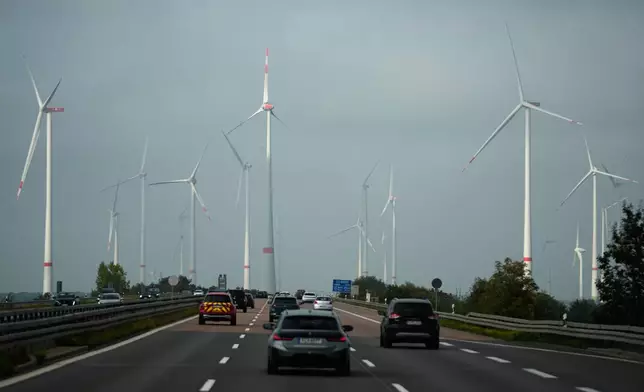
FILE - Wind turbines operate near Leipzig, Germany, Oct. 4, 2026. (AP Photo/Matthias Schrader, File)
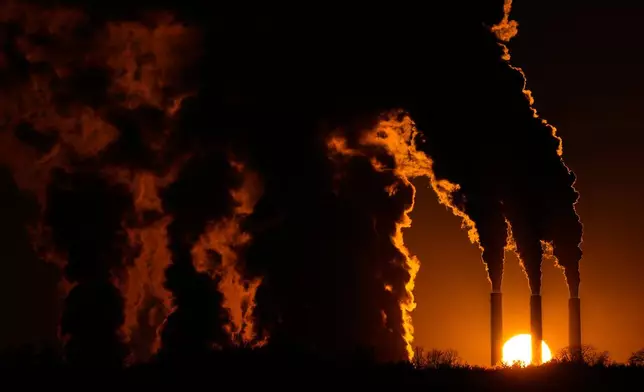
FILE - The Jeffrey Energy Center coal-fired power plant operates at sunset near Emmett, Kan., Jan. 3, 2026, in Topeka, Kan. (AP Photo/Charlie Riedel, file)
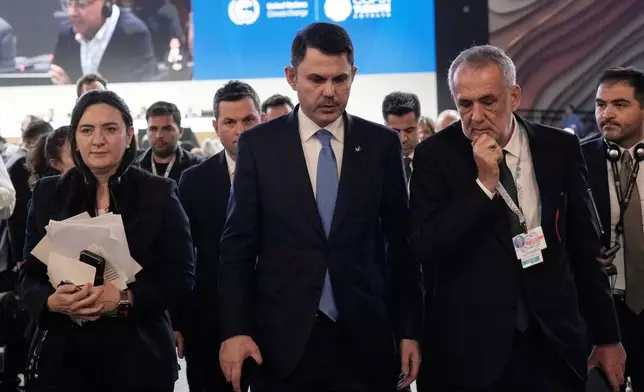
COP31 President Murat Kurum, center, leaves a closing plenary session at the COP31 U.N. Climate Summit, Sunday, Nov. 22, 2026, in Antalya, Turkey. (AP Photo/Khalil Hamra)
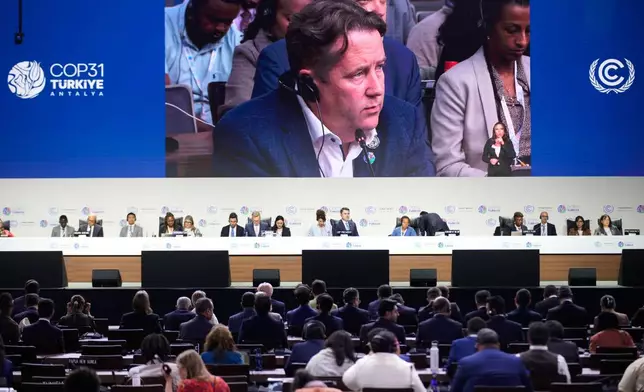
Darragh O'Brien, minister of climate, energy and the environment of Ireland, onscreen, speaks during a closing plenary session as COP31 President Murat Kurum, sits center, at the COP31 U.N. Climate Summit, Sunday, Nov. 22, 2026, in Antalya, Turkey. (AP Photo/Khalil Hamra)
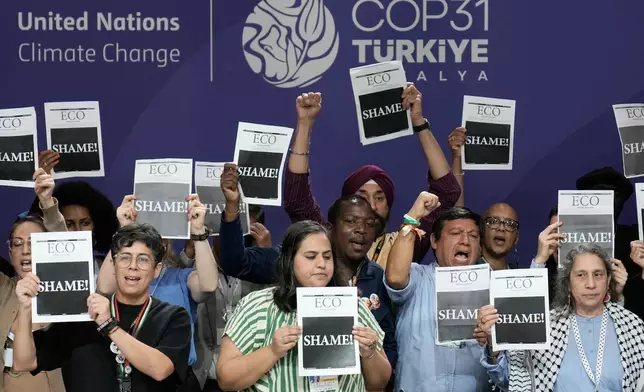
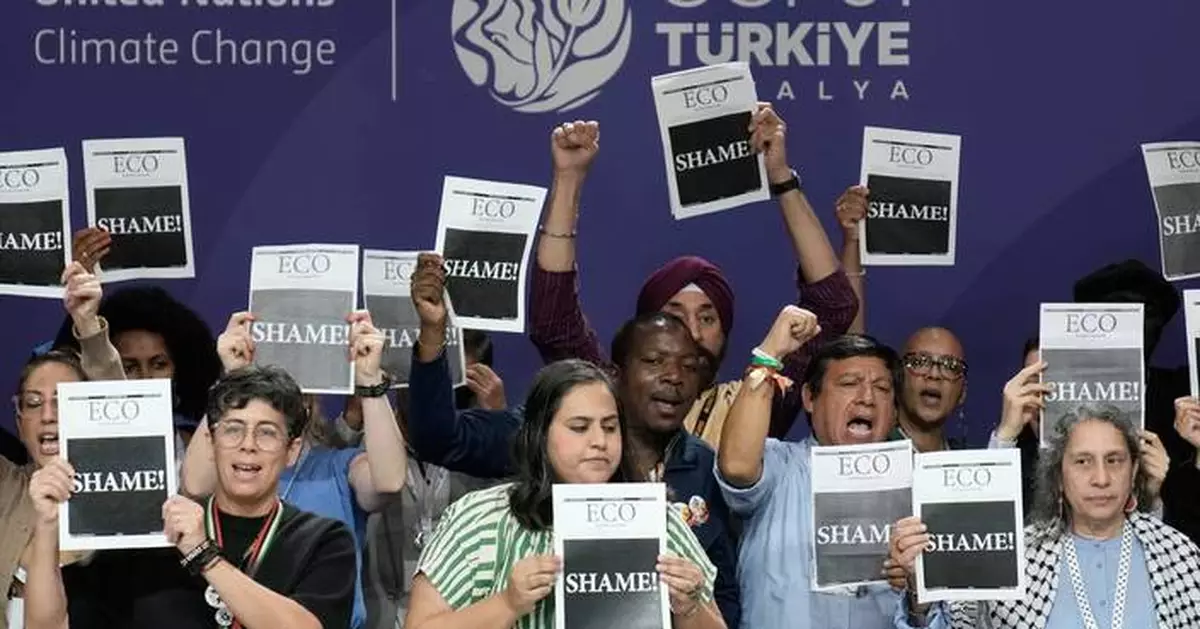
Attendees hold signs that say "SHAME!" as they take part in a session at the COP31 U.N. Climate Summit, Friday, Nov. 20, 2026, in Antalya, Turkey. (AP Photo/Khalil Hamra)
Still, there was hope, among lifetime environmental campaigners, climate scientists and negotiators from many countries, that there would be some progress on confronting the main cause of climate change: coal, oil and gas.
The burning of these fossil fuels releases greenhouse gases, which go up into the atmosphere and raise global average temperatures, creating havoc on ecosystems and leading to more, and more intense, extreme weather events.
In simple terms, the solution is to burn less of these fuels over time and instead use sources of energy that don’t release greenhouse gases, like solar, wind and geothermal. But there is nothing simple about getting countries to agree on a roadmap to phase out fossil fuels, particularly major oil producers like Saudi Arabia, Russia and the United States, or major coal users like China and India.
So, even though fossil fuels are the cause of climate change, and the annual climate summits are convened to confront climate change, it’s become all but impossible to have even the words “fossil fuels” show up in a final agreement, much less any detailed transition plan.
In the 30 years of climate negotiations, the one exception was the U.N. climate conference three years ago in Dubai, COP28, where the final decision encouraged countries to “transition away from fossil fuels.” Fossil fuels were not mentioned in the final agreements in the following two conferences, and the current one, of course, had no final agreement.
The backdrop to the climate talks had become a split-screen reality, with the world being hammered by costly and deadly extreme weather events while the top international body set up to deal with the crisis could only nibble around the edges. It ultimately became too much to sustain.
During previous conferences, nations frequently threatened to walk away if there wasn't a strong agreement on fossil fuels. Instead, in the end, they would voice their disagreements in closing plenaries and ultimately get in line, figuring there was always next year and ultimately the overall negotiating process needed to be preserved.
But by the final week of this year's conference, which would go into overtime and become the longest on record, it was clear that many nations, including the European Union bloc, were no longer willing to do that.
Earlier this week, Juan Carlos Navarro, Panama’s minister of environment, seemed to encapsulate what many frustrated participants were thinking when he said the COP process was being “held hostage by the petroleum mafia.”
Navarro likened the situation to “Stockholm syndrome,” when captives, in this case people worried about the future of the planet, were “in love with our kidnappers,” or the oil industry.
The “petroleum guys” have convinced us that “they destroy nature to help us,” said Navarro.
The collapse didn't happen just because the cause of climate change was left out of a final agreement, but also because of what was in it. Draft agreements, including the final text released early Sunday, included language encouraging the world to scale up technologies that remove carbon dioxide, a greenhouse gas, and store it.
Such technology, heavily supported by the oil industry, is energy intensive, expensive and far from being deployed at scale. To date, it only captures and stores much less than 1% of the estimated 60 billion tons of global greenhouse gases produced each year. For many at the climate talks, including carbon removal in the agreement was at best a misguided attempt to produce a small solution, and at worst a pass for carbon polluters to simply continue with business as usual. After all, why stop spewing carbon pollution when it can just eventually be scooped up?
In the months ahead, there will be many recriminations and reflections about what happened in Turkey, and what it may all mean for the next round of talks, scheduled in Ethiopia next year. Inevitably, long-standing questions about the entire U.N. climate process will be raised and likely get much more attention than in years past.
Has the process run its course, or can major reforms turn it into a credible way to confront climate change? Reforms floated over the years include shortening the conference from its current two weeks, limiting it just to delegates and reducing its overall size. Indeed, in recent years it's ballooned so much that on the ground it feels more like a trade fair than a summit to confront one of humanity's most pressing challenges.
Wherever the process ultimately goes, extreme weather events will continue and intensify as global temperatures rise. Many scientists expect 2026 to be the hottest on record.
“Temperatures keep shattering records. Climate extremes keep intensifying. Emissions remain far too high," said United Nations Secretary-General António Guterres, reacting to the outcome. "And every delay makes our task harder and more costly.”
Peter Prengaman has been AP's climate and environment news director since 2021 and can be followed here.
The Associated Press’ climate and environmental coverage receives financial support from multiple private foundations. AP is solely responsible for all content. Find AP’s standards for working with philanthropies, a list of supporters and funded coverage areas at AP.org.
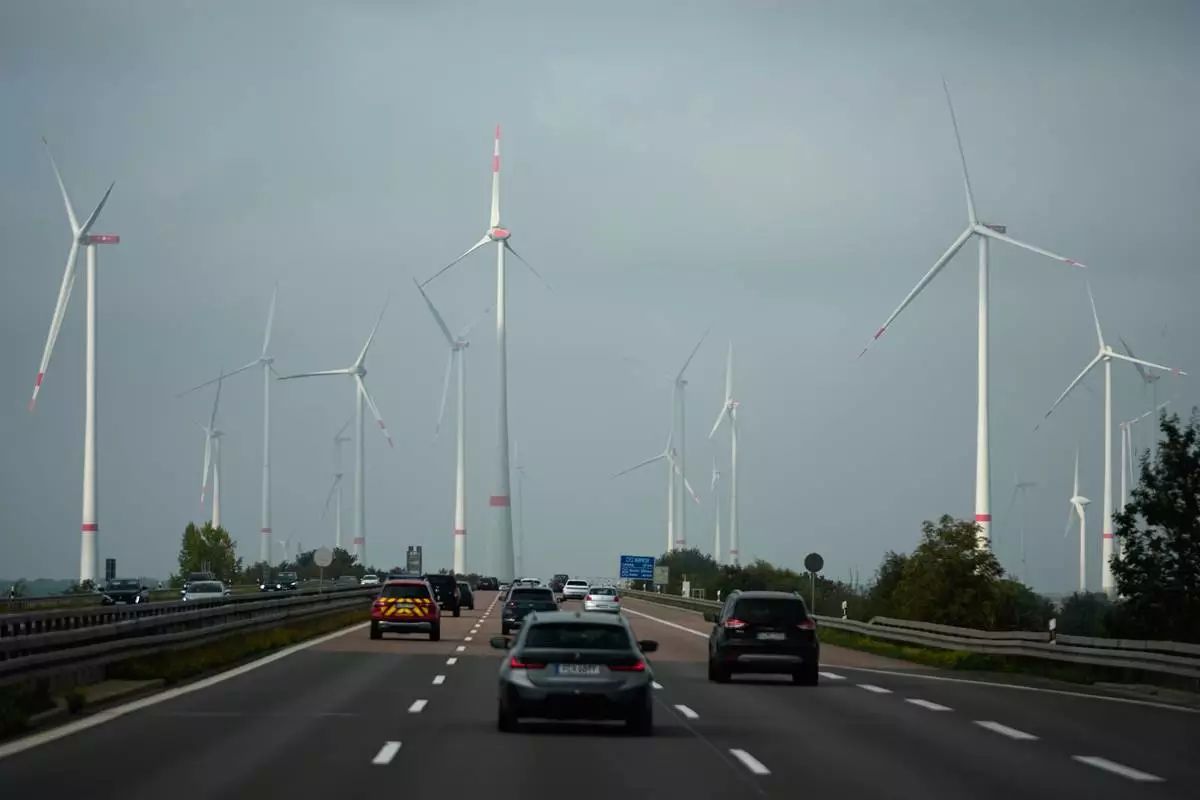
FILE - Wind turbines operate near Leipzig, Germany, Oct. 4, 2026. (AP Photo/Matthias Schrader, File)
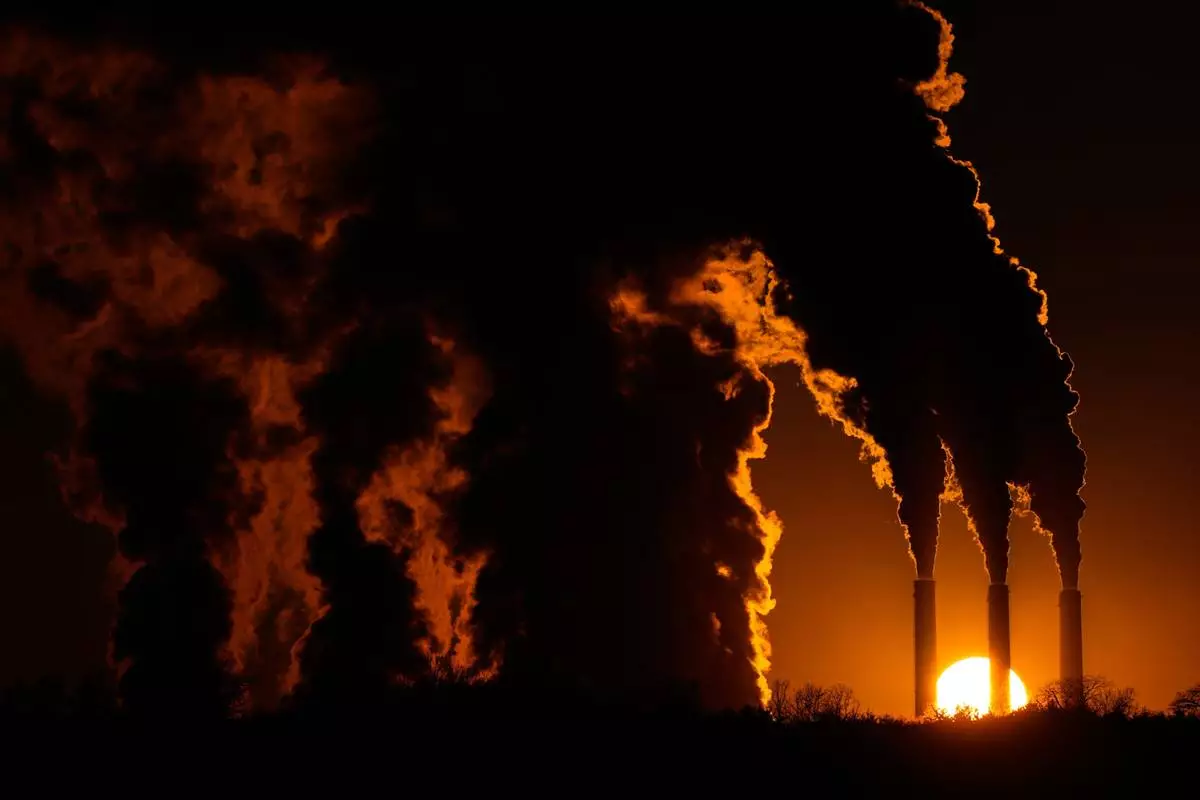
FILE - The Jeffrey Energy Center coal-fired power plant operates at sunset near Emmett, Kan., Jan. 3, 2026, in Topeka, Kan. (AP Photo/Charlie Riedel, file)
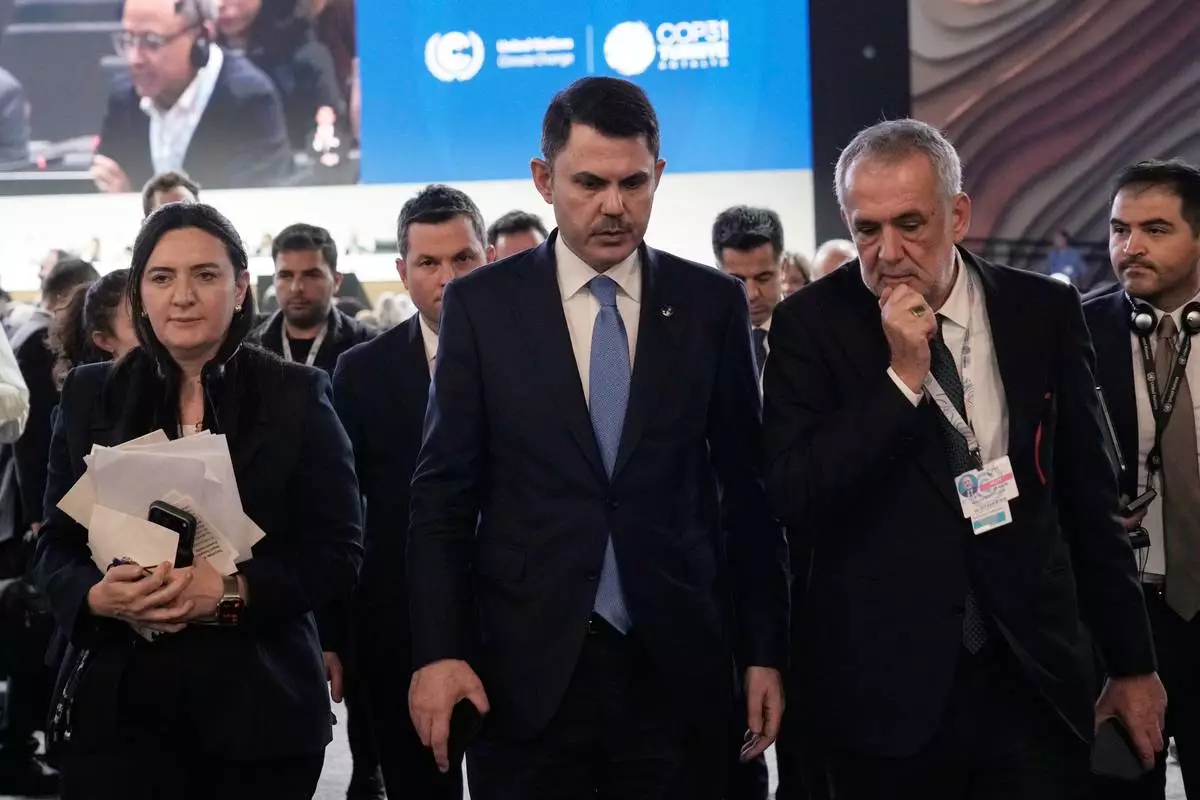
COP31 President Murat Kurum, center, leaves a closing plenary session at the COP31 U.N. Climate Summit, Sunday, Nov. 22, 2026, in Antalya, Turkey. (AP Photo/Khalil Hamra)
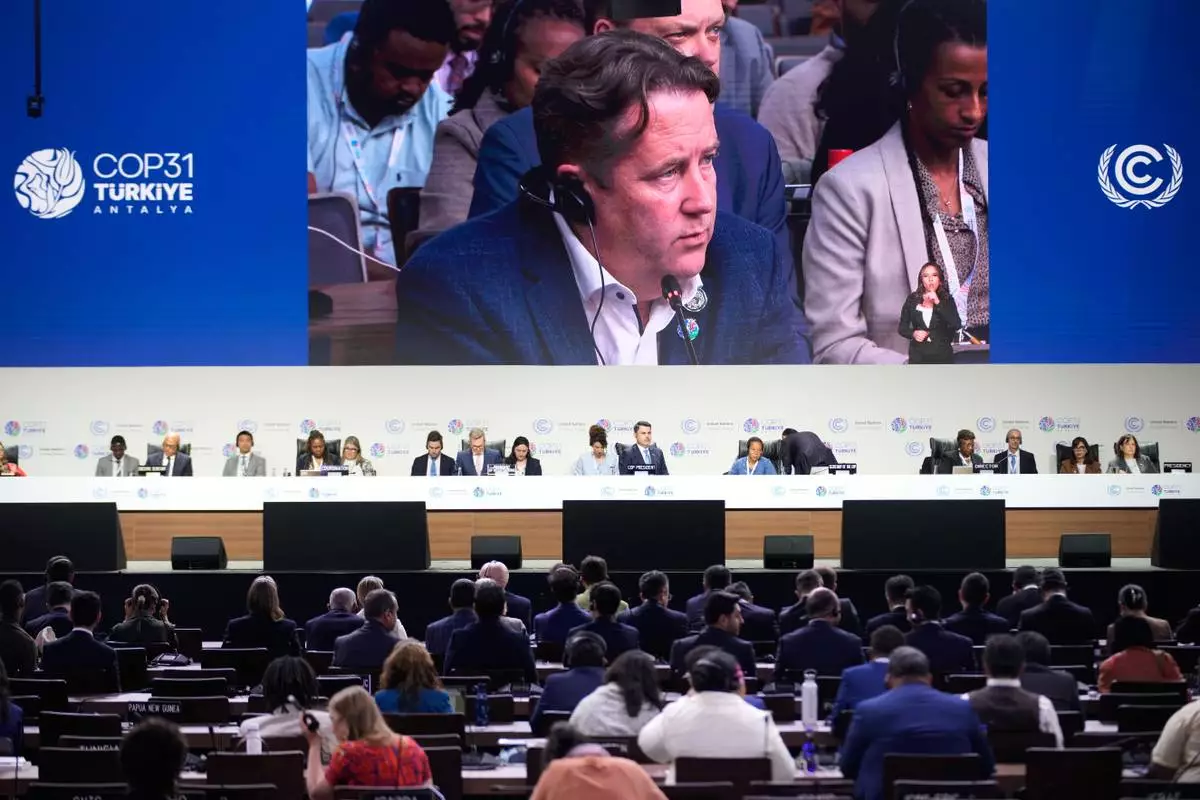
Darragh O'Brien, minister of climate, energy and the environment of Ireland, onscreen, speaks during a closing plenary session as COP31 President Murat Kurum, sits center, at the COP31 U.N. Climate Summit, Sunday, Nov. 22, 2026, in Antalya, Turkey. (AP Photo/Khalil Hamra)
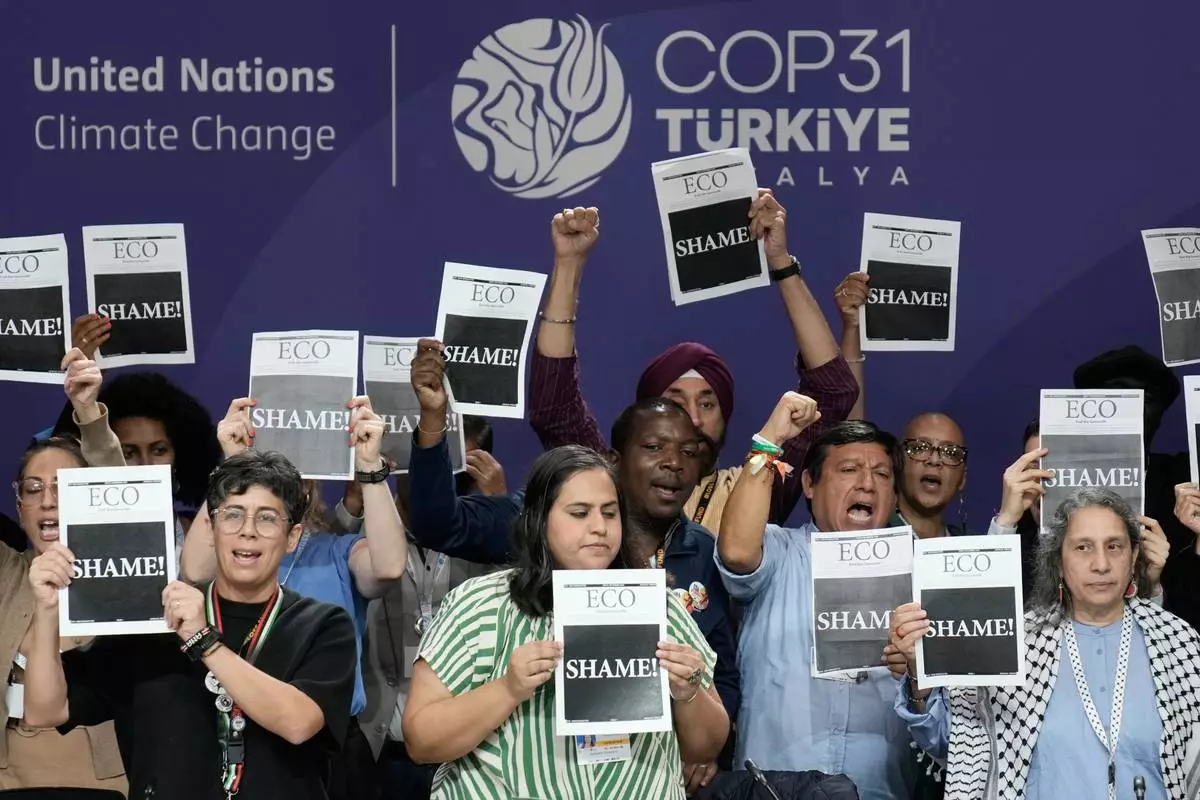
Attendees hold signs that say "SHAME!" as they take part in a session at the COP31 U.N. Climate Summit, Friday, Nov. 20, 2026, in Antalya, Turkey. (AP Photo/Khalil Hamra)