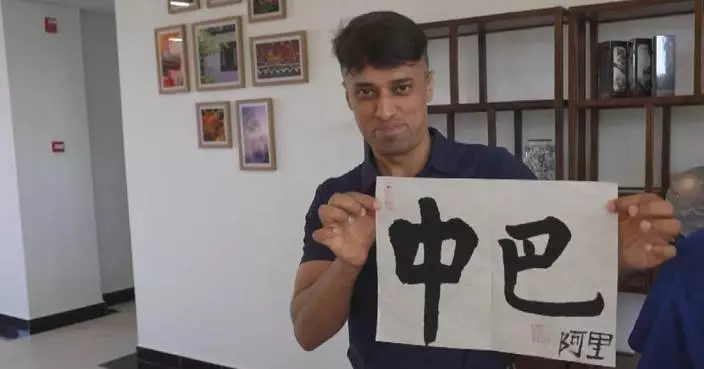
Pakistani astronaut's upcoming trip to China's Tiangong space station sets an example for equitable space access among developing countries, said a UN space agency official.
Calling opening Tiangong's hatch to a Pakistani astronaut a milestone in a recent interview with the China Global Television Network (CGTN) in Antalya, Türkiye, Aarti Holla-Maini, director of the UN Office for Outer Space Affairs, said it marks the shift from space law's promise of access for all to reality, proving that a developing country can now participate in crewed missions as a trained payload expert.
"I'm delighted to see that China is taking an astronaut from Pakistan with them. We are all about access to space for all. This is the principles, the fundamental principles of space law. It's what the United Nations stands for, and we're proud to see that member states are creating these opportunities. So, I wish that mission all the best of luck, and I hope it's the first of many foreign astronauts that get the opportunity to travel into space. And when other developing countries see examples like this, see precedents like this, it gives them hope, it gives them inspiration to aspire for being better, for being more, to really go for STEM education and to dream," said Aarti Holla-Maini.
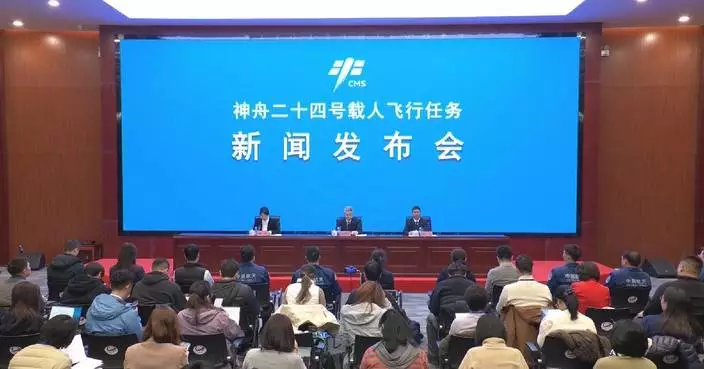
China's Shenzhou-24 crewed spaceship is scheduled to be launched at 08:18 (Beijing Time) Wednesday from the Jiuquan Satellite Launch Center in northwest China, the China Manned Space Agency (CMSA) announced on Tuesday.
The crew will consist of commander Tang Hongbo, flight engineer Wu Yi, and Pakistani payload specialist Muhammad Zeeshan Ali, marking the first joint flight involving Chinese and foreign astronauts in the history of China's manned space program.
Ali will return to Earth aboard the Shenzhou-23 spaceship after completing a short-term joint flight, according to the CMSA.
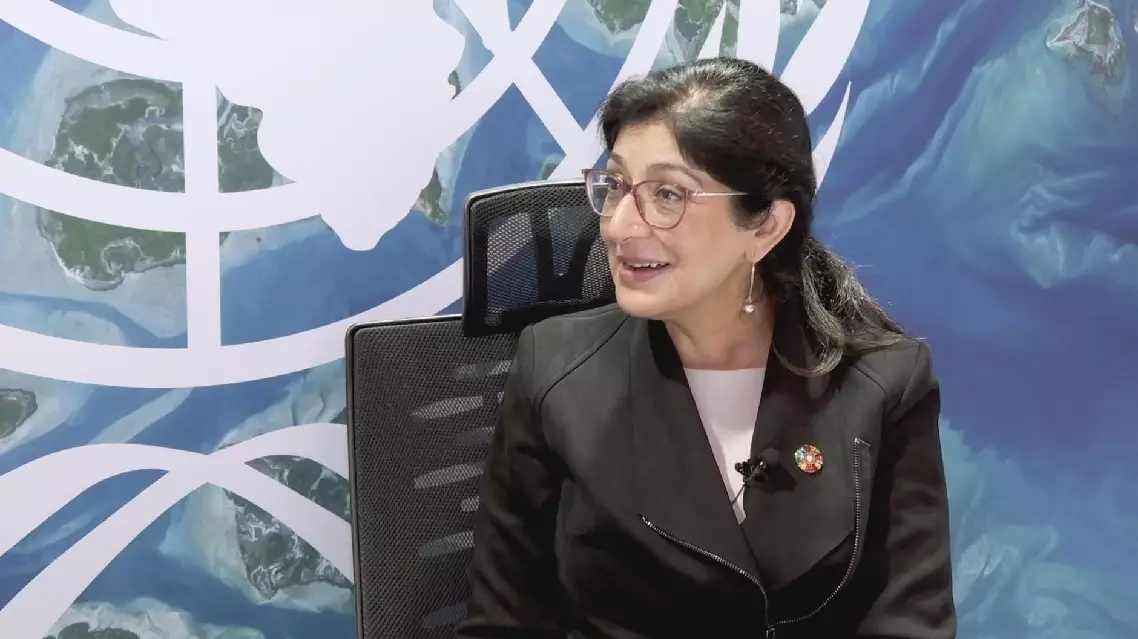
UN official on Pakistani astronaut's Tiangong trip