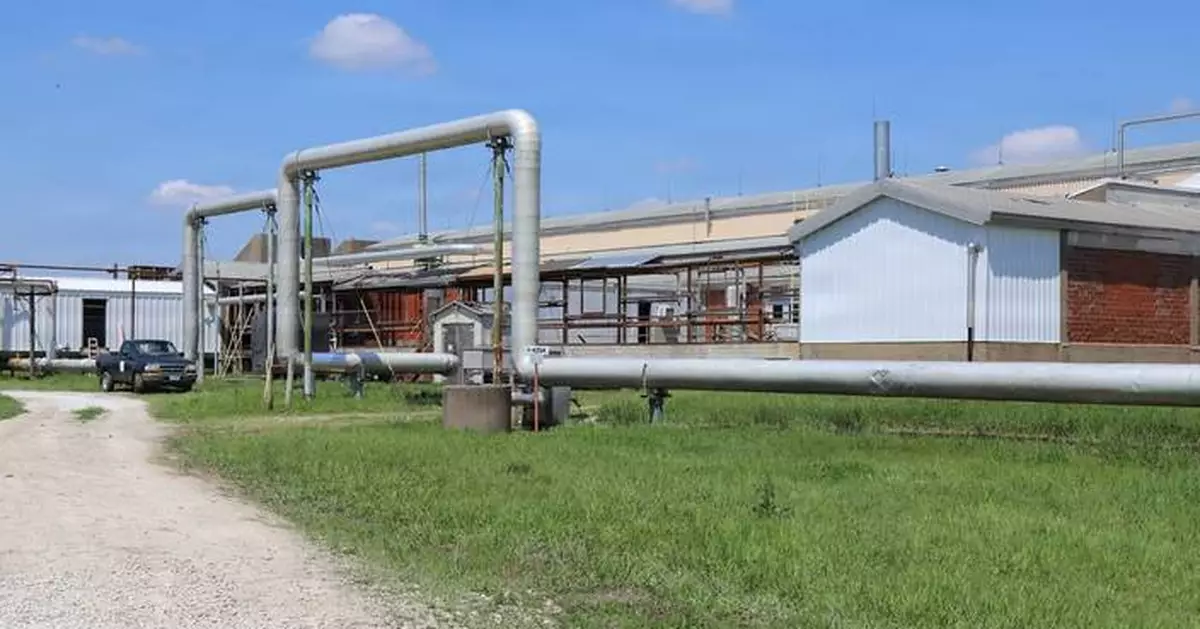
MIDDLETOWN, Iowa (AP) — The U.S. Army plans to detonate its entire stockpile of lead azide in Iowa on Wednesday morning, warning that the dangerously degrading bomb-making chemicals could explode at any time because of cooling weather.
“Inaction is no longer an option,” said Maj. Gen. Eric Shirley, the Army’s leader of the operation.
Officials sought to assure residents Tuesday that they’ve taken steps to put barriers around the blast zone and limit the plume from the detonation.
“We don’t believe that the public should be in a panic,” said Acting Secretary of the Army Adam Telle.
The controlled detonation of five tons of degraded lead azide at the Iowa Army Ammunition Plant in Middletown has set off concerns about potential health and environmental effects and frustration over a lack of information.
The Army rescheduled the detonation in southeastern Iowa to Wednesday because of more favorable wind conditions and to allow more time for extra safety measures to be put in place, according to court filing by the government.
The controlled detonation of 68 barrels was initially planned for last Friday. The Army said they need to blow up the stockpile to prevent a possible chain-reaction explosion, which would be more dangerous.
In a legal filing late Monday, the Justice Department said the wind on Wednesday is expected to be east to west or southwest, and away from high population areas and large bodies of water. The forecast is for winds of 5 to 10 mph (8 to 16 kph) as the day starts cloudy and later turns mostly sunny, according to the National Weather Service.
An emergency notification sent to cellphones of people in the area Tuesday morning said the detonation was planned for 9 a.m. Wednesday and some people within 5 miles (8 kilometers) southwest of the plant may be evacuated.
The “imminent threat alert,” which listed FEMA as the contact agency, told those up to 20 miles (32 kilometers) away to remain indoors with windows closed “to avoid airborne lead dust, noise and vibration.”
The new date will give the Army extra time to set up additional “blast barriers” around the bunkers where the lead azide will be detonated, and to apply ballistic gels and foams designed to reduce particulate matter from controlled explosions, according to a document filed in the 8th U.S. Circuit Court of Appeals.
The Army also will douse the materials with thousands of gallons of water during the detonation to help absorb the explosion and reduce lead dust, the filing said.
“This is a consensus decision,” acting Army Secretary Adam Telle posted on social media Monday night. “Every expert agency agrees, and both Iowa’s current and incoming Governors say the call belongs to the experts.”
The Army won approval for the detonation from the federal appeals court in a saga that has sowed confusion and included an unusual twist from President Donald Trump.
A three-judge panel of the appeals court said Monday that the U.S. Environmental Protection Agency adequately incorporated safeguards in an emergency permit to minimize the dispersal of dust. Those conditions address the concerns of environmental groups that sued to stop the detonation, the court said.
The court pointed to barriers put up around the area where the barrels are stored along with weather restrictions. It also noted requirements for advance public notification, updated air modeling and environmental monitoring and sampling.
The judges said the record also reflected that the Army evaluated “a full range” of alternatives, including using other chemicals to neutralize the lead azide and thermal treatment.
In an unusual twist, Trump, commander in chief of the Army, said on social media earlier in the day that in addition to the court's go-ahead, he wanted Gov.-elect Rob Sand to approve the detonation. Sand, a Democrat who doesn't take office until January, has said the decision is fully up to the Trump administration.
The detonation of the lead azide was initially planned for last Friday, but the Army has since changed the date three times following an outpouring of public concern.
Environmentalists sued last week to stop the detonation at the site near Middletown, not far from the Mississippi River about 90 miles (140 km) south of Cedar Rapids. The court temporarily halted the permit, prompting the Army to argue it didn’t need authorization after all, given that it was an emergency.
An attorney for the environmentalists emphasized that their legal challenge centers on the validity of the EPA permit, not the Army’s decision to move forward with the detonation under the emergency provision.
Earthjustice managing attorney Rachel Rintelmann said the lawsuit has alerted the public to the threat.
Current Gov. Kim Reynolds activated the state emergency management office on Friday. The state also created a dedicated website for information about the operation.
Reynolds said in a statement Tuesday that after speaking with military leaders, including Defense Secretary Pete Hegseth, she supports the planned detonation.
“I believe, based on the information I’ve been given, that the danger is immediate, and I trust the Army will do everything in its power to protect the people who could be affected,” Reynolds said.
Some residents near Middletown have been sealing their windows and doors as a precaution to keep out any lead dust that might result from the detonation. Others who live farther away were raising concern on social media about the possible paths the plume could take depending on the wind.
Officials acknowledge that lead is toxic and have recommended that people stay indoors when the detonation happens and clean off outdoor surfaces with water afterward to limit exposure to any lead particles.
Middletown Mayor Rodney Johnson said the detonation must take place “so we can move on with our lives.”
“Improper storage and disposal is where things go wrong,” he said on social media.
Leaders of states that border Iowa also expressed concern. Missouri Gov. Mike Kehoe said state agencies are working to establish additional monitoring of air and water quality, public health and agriculture resources.
In court filings over the weekend, Army Col. Aaron Teller, a munitions emergency response specialist, explained that less liquid inside the barrels means the solution inside is more susceptible to freezing, which increases the sensitivity of the crystals that have formed around the inside of the rim and underside of the lids.
“Even a small amount of friction can break the crystal formation, causing an explosive chain reaction,” he said.
In March, staff at the Iowa Army Ammunition Plant found several dozen barrels of degraded lead azide, which is used in munitions production. Crystallization of the material created an unstable and dangerous situation, prompting the Army to assemble experts in munitions chemistry, engineering and environmental safety to come up with a plan.
According to EPA documents, alternatives such as neutralizing and decomposing the drums’ contents with other chemicals were considered. But officials said handling the drums would increase the probability of an accidental, fatal detonation.
Officials contend the risk of an uncontrolled explosion is growing, particularly as temperatures drop in the coming days.
Montoya Bryan reported from Albuquerque, New Mexico. Associated Press writers Konstantin Toropin in Washington, D.C., Scott Bauer in Madison, Wisconsin, Jacques Billeaud in Phoenix, Christopher Weber in Los Angeles and Dave Collins in Hartford, Connecticut, contributed.
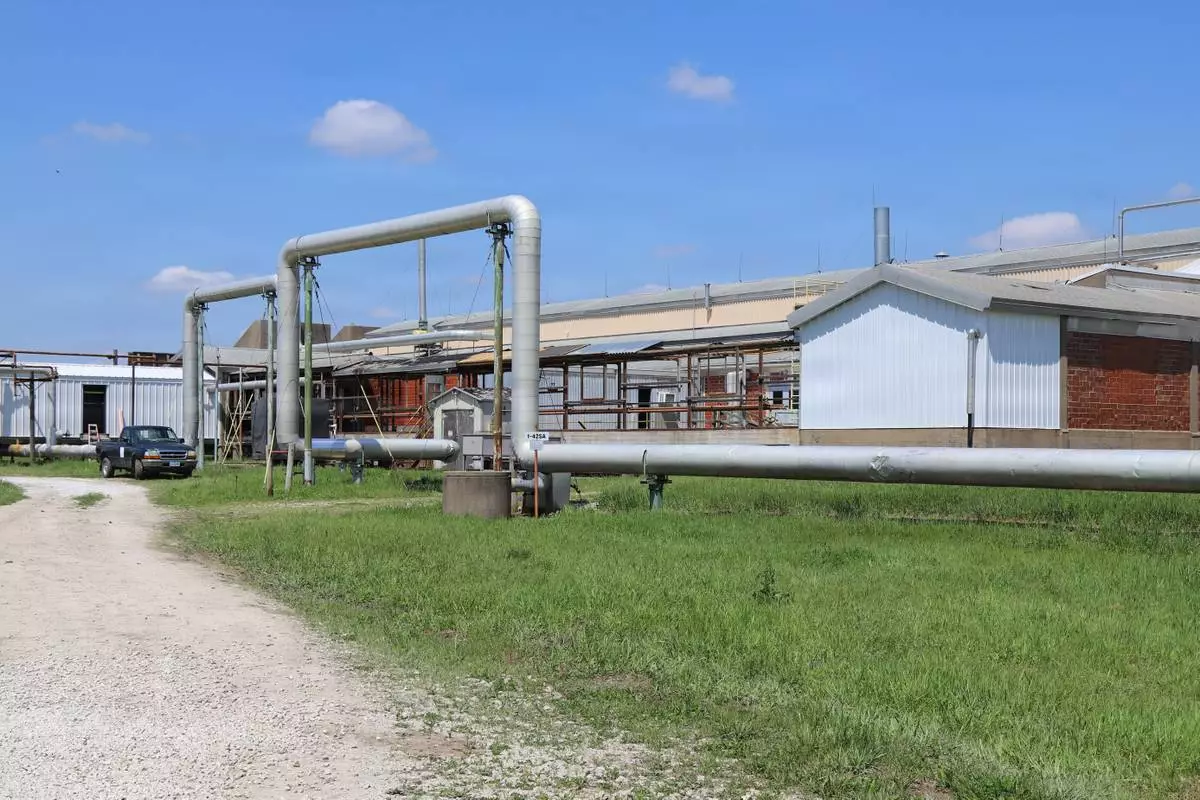
This photo provided by the U.S. Army shows the Iowa Army Ammunition Plant in Middletown, Iowa, on May 14, 2024. (Shawn Eldridge/U.S. Army via AP)
ALBUQUERQUE, N.M. (AP) — Federal narcotics agents monitored the fentanyl deal from every angle, staking out the parking lot and lobby of a hotel while a surveillance plane circled overhead.
As the buyer arrived at 2:24 p.m. in a white pickup, the agents watched as he nonchalantly greeted a mohawked courier and entered the Home2 Suites. Eight minutes later, they exited separately into the blazing sun — one of them toting a backpack stuffed with as many as 100,000 potentially lethal counterfeit pain pills.
But the U.S. Drug Enforcement Administration did not pounce that Sunday in August 2024. Eight months passed before agents dismantled the major fentanyl ring flooding the Southwest as the U.S. reeled from an epidemic of opioid overdose deaths.
The DEA’s decision to stand down fit a pattern that would play out as agents allowed staggering amounts of fentanyl to hit the streets.
The controversial tactic has sparked state and federal investigations since The Associated Press in June revealed that agents in New Mexico in recent years permitted hundreds of thousands of fentanyl pills to go unseized. At the time, the DEA denied it ever knowingly allowed the trafficking of a synthetic opioid the White House has designated a “weapon of mass destruction.”
That denial, however, is further contradicted by new AP findings that the DEA permitted at least 1.4 million additional pills to be trafficked between August 2024 and April 2025 as it closed in on the largest fentanyl bust in U.S. history. The AP based its tally on thousands of pages of court documents, investigative records, detailed wiretap reports and 12 hours of DEA surveillance footage.
As the agents watched, the AP investigation found, dealers trafficked large packages of pills in plastic bins and duffel bags that passed through highly transited hotels, apartment complexes, Airbnb rentals and self-storage facilities in six states.
The AP did not include in its tally numerous drug deals mentioned in the records that did not include specific pill counts or those that were not surveilled by the DEA.
“Everybody wants the big fish, but the big fish isn’t guaranteed,” said Brian Besser, a former DEA senior executive who oversaw the agency’s Rocky Mountain division. “When you’re dealing with a substance that can take this much human life, you can’t gamble like that.”
The DEA at times has allowed traffickers to continue operating under strict surveillance when agents suspect they are moving cocaine, heroin and marijuana so as not to spook bigger targets — a strategy known as permitting drugs to “walk.”
Fentanyl, however, was supposed to be different. The drug poses such an unprecedented danger that the DEA for years ran a public safety campaign with the slogan “One Pill Can Kill.”
The Justice Department in 2017 began instructing agents to seize fentanyl whenever “practicable” since even unintentional contact can prove deadly. However, officials loosened those rules in 2024 to give agents more discretion even after DEA whistleblower David Howell questioned the morality and effectiveness of letting fentanyl hit the streets.
“Agents are driving around in a car plastered with ‘One Pill Can Kill’ and at the same time walking hundreds of thousands of pills of fentanyl,” said Kevin Small, a former colleague of Howell's. “They’re hypocrites.”
The AP’s reporting prompted a congressional oversight inquiry and a criminal investigation by New Mexico’s attorney general amid bipartisan outrage.
Even as the fentanyl crisis has subsided from its peak, it continues to batter New Mexico, where officials in Albuquerque recently declared a state of emergency and last week sued the Justice Department for $153 million in damages. Overdose deaths from the drug, much of it crudely manufactured in Mexico, spiked 44% last year in the state.
“This is like trying to prevent my house from burning down by negotiating with an arsonist,” New Mexico Gov. Michelle Lujan Grisham, a Democrat, said in an interview, referring to the DEA. “They are fully engaged in the cover-up because they know they went too far and it’s wrong.”
A DEA spokesperson declined to answer questions due to an ongoing review by the U.S. Justice Department’s inspector general. The agency previously said its decisions were lawful and coordinated with federal prosecutors to prevent public harm.
“Our response has not changed,” DEA spokesperson Amanda Wozniak wrote in an email.
The U.S. attorney’s office in New Mexico and Justice Department declined to answer questions.
“The Department of Justice is committed to using every lawful tool available to identify, disrupt and dismantle the organizations responsible for trafficking fentanyl into our communities,” Tessa DuBerry, a U.S. attorney’s office spokesperson, wrote in an emailed statement.
Defenders of DEA’s wait-and-see approach have said it can lead to bigger busts and the removal of higher-ranking bosses. In this case, authorities launched an investigation in the summer of 2024 into Heriberto Salazar Amaya, the alleged leader of a trafficking ring that prosecutors say generated as much as $2 million a month in sales.
The 38-year-old Mexican, who had been on the DEA’s radar for a decade, was arrested in April 2025 on charges of drug trafficking and is scheduled to be tried next year. He has pleaded not guilty. His defense attorneys did not respond to requests for comment.
Federal prosecutors have charged 15 other people in the case, many of them low-level couriers. A dozen of those have pleaded guilty, mostly to drug charges. None of the group's foreign suppliers in Mexico has been named.
The DEA investigation was extensive and required finesse as agents eavesdropped on the network’s every move.
Agents set up covert cameras on residential streets and self-storage facilities, once nearly blowing the surveillance when a DEA technician stood shoulder to shoulder with a courier in the elevator of an Albuquerque Extra Space.
The DEA confirmed Salazar Amaya’s identity through a series of ruse calls, including one in which agents at a Las Vegas eatery secretly filmed him answering a call from a woman asking about a washer and dryer for sale.
“You have the wrong number,” Salazar Amaya answered before hanging up.
In recordings of intercepted phone calls reviewed by AP, the soft-spoken Salazar Amaya sounded more like a switchboard operator than a cartel kingpin. Using a string of aliases and 14 phones, he can be heard taking orders and dispatching couriers to deliver large orders of drugs to major dealers from Phoenix to Denver.
“I’m super stressed,” Salazar Amaya told one buyer, explaining that he had gone to urgent care suffering from blurry vision and an exploding headache.
Short-term rentals served as a logistical linchpin of the ring, court records show. The traffickers stayed at Airbnbs — Salazar Amaya left a public review for one — where they counted cash, stored massive bags of fentanyl pills and used digital scales to ready deliveries.
The DEA frequently surveilled these residences, recording shipments from the street and a reconnaissance plane overhead.
As they passed in and out of hotels and storage units, the dealers took steps to protect themselves. DEA agents found a box of N95 masks at one Airbnb, according to crime-scene photographs reviewed by AP. Several rentals used by the traffickers remain listed today.
In a statement, Airbnb said it first heard from law enforcement after the dealers were arrested and was never told the investigation involved fentanyl.
Experts said the DEA should have immediately alerted Airbnb and health officials so the properties could be checked for potential contamination.
“It’s shocking and frightening,” said Michael Polkabla, an environmental hazard consultant who assists law enforcement in cleaning up fentanyl spills. “Whenever fentanyl is being handled, it’s leaving significant residues.”
Throughout the investigation, fentanyl reached multiple communities in New Mexico.
Agents staked out a shipment of 370,000 fentanyl pills at an Albuquerque park and playground where a trafficker struggled to remove a large storage container from a vehicle.
They watched as couriers driving in tandem cars ferried 200,000 pills to a home in Santa Fe’s historic Agua Fria neighborhood.
And they looked on as traffickers accessed a self-storage unit stocked with fentanyl nearly 500 times, tapping seemingly endless reserves of the drug.
Almost all of the pills remain unaccounted for today — a loss DEA chalked up to the need to safeguard a sensitive investigation as they sought to trace the source of fentanyl to Mexico.
“One small intervention on our end could cause a whole ripple effect of ruining everything,” DEA Agent David Zimmerman told a federal jury last year. “You have to have a strategy on when you can stop people or take stuff off or try to intercept narcotics on these big investigations.”
It is not clear why the DEA decided to take down the ring when it did. When it was finished making arrests and raiding stash houses, then-Attorney General Pam Bondi touted the record bust of 4 million pills as evidence the Justice Department takes seriously the threat of fentanyl.
At a May 2025 news conference, she removed a small glass vial from her pocket to emphasize the drug’s unique dangers.
“It looks like a few grains of salt,” she said. “This is what it takes to kill you.”
__
Goodman reported from Miami. Associated Press journalists Susan Montoya Bryan in Albuquerque, New Mexico, and M. Reo in Washington contributed.
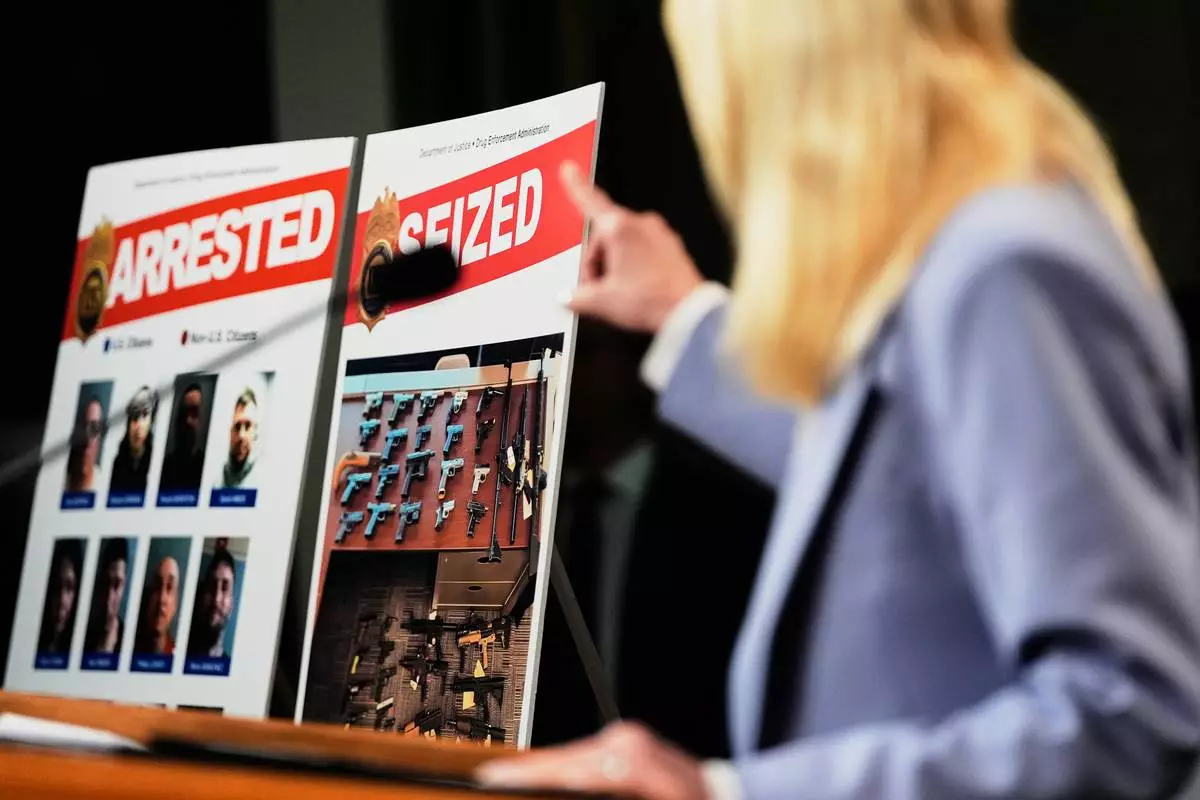
Attorney General Pam Bondi speaks during a news conference at the Department of Justice, Tuesday, May 6, 2025, in Washington. (AP Photo/Julia Demaree Nikhinson)
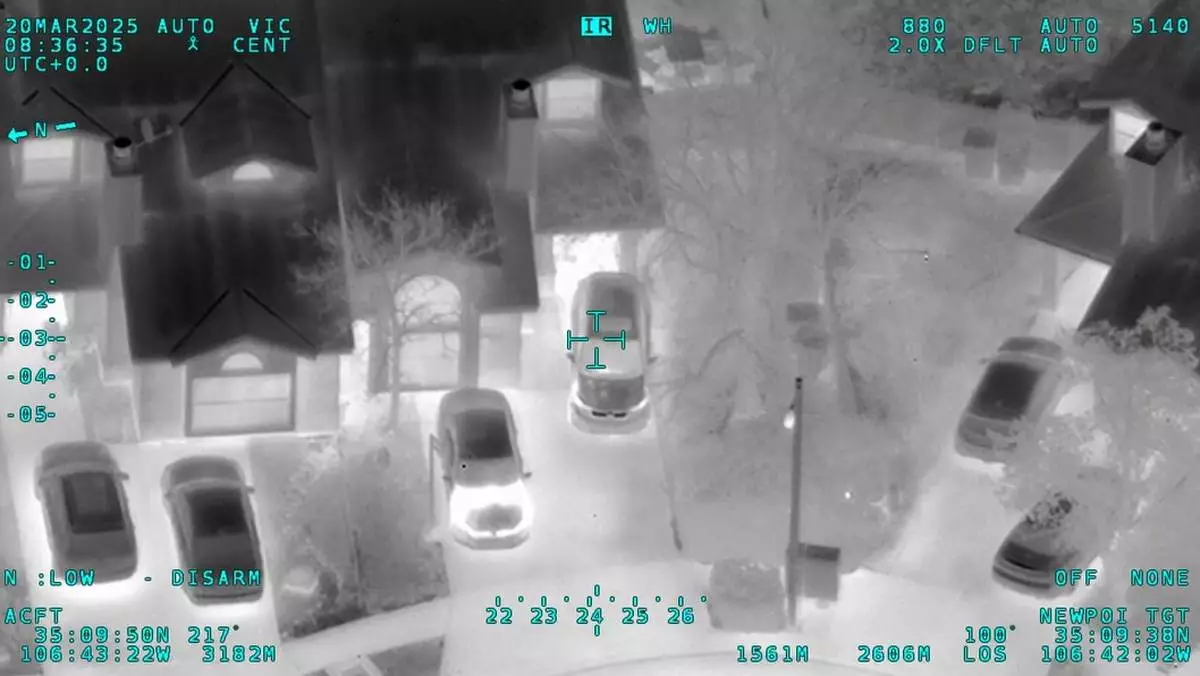
This screen shot from a U.S. Drug Enforcement Administration surveillance video shows an Airbnb where alleged drug couriers for a major fentanyl ring stayed in Albuquerque, New Mexico, on March 20, 2025. (U.S. Department of Justice via AP)
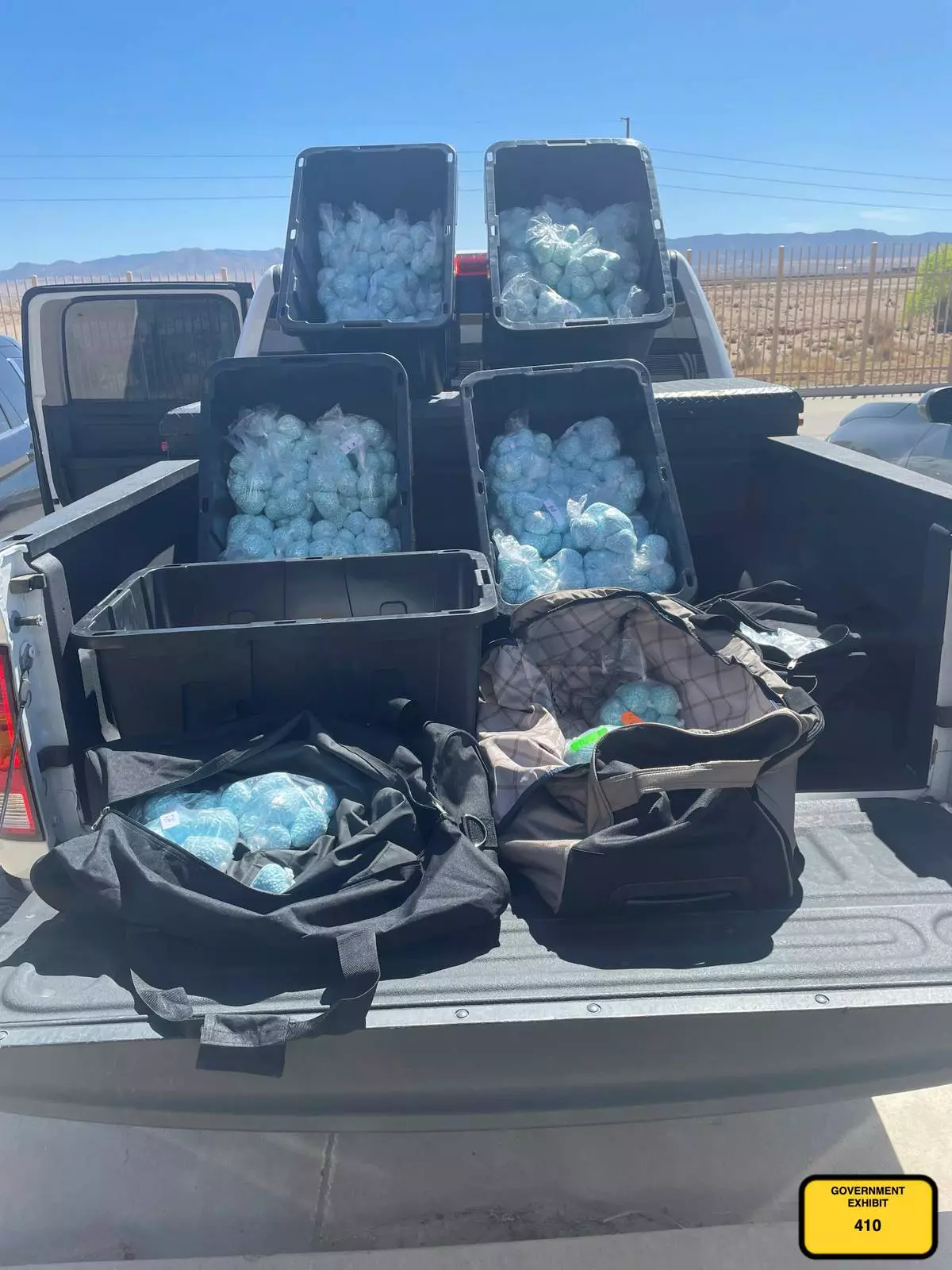
This photo provided by the U.S. Drug Enforcement Administration shows pills containing fentanyl which were seized by the DEA in New Mexico, April 28, 2025. (U.S. Drug Enforcement Administration via AP)
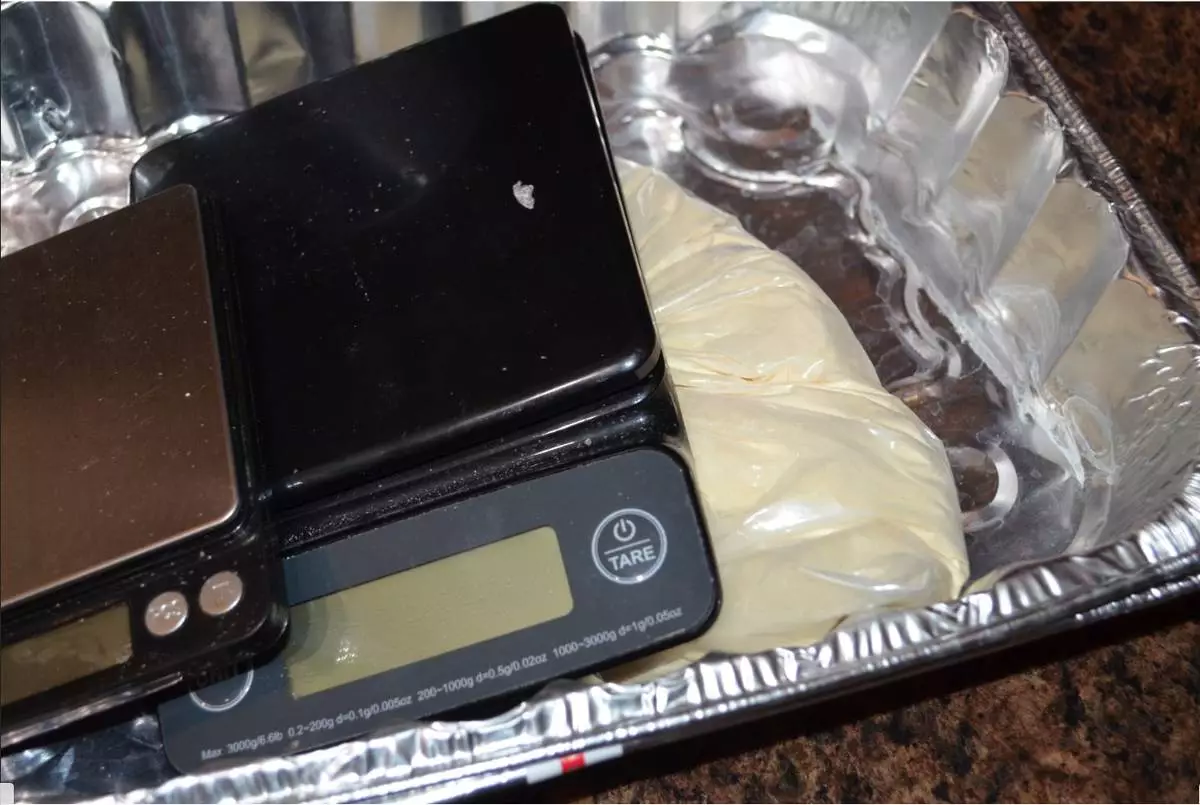
This photo shows a digital scale and unknown powder collected as evidence by the U.S. Drug Enforcement Administration from an April 28, 2025, raid on an Airbnb in Albuquerque, New Mexico, used by fentanyl traffickers. (U.S. Department of Justice via AP)
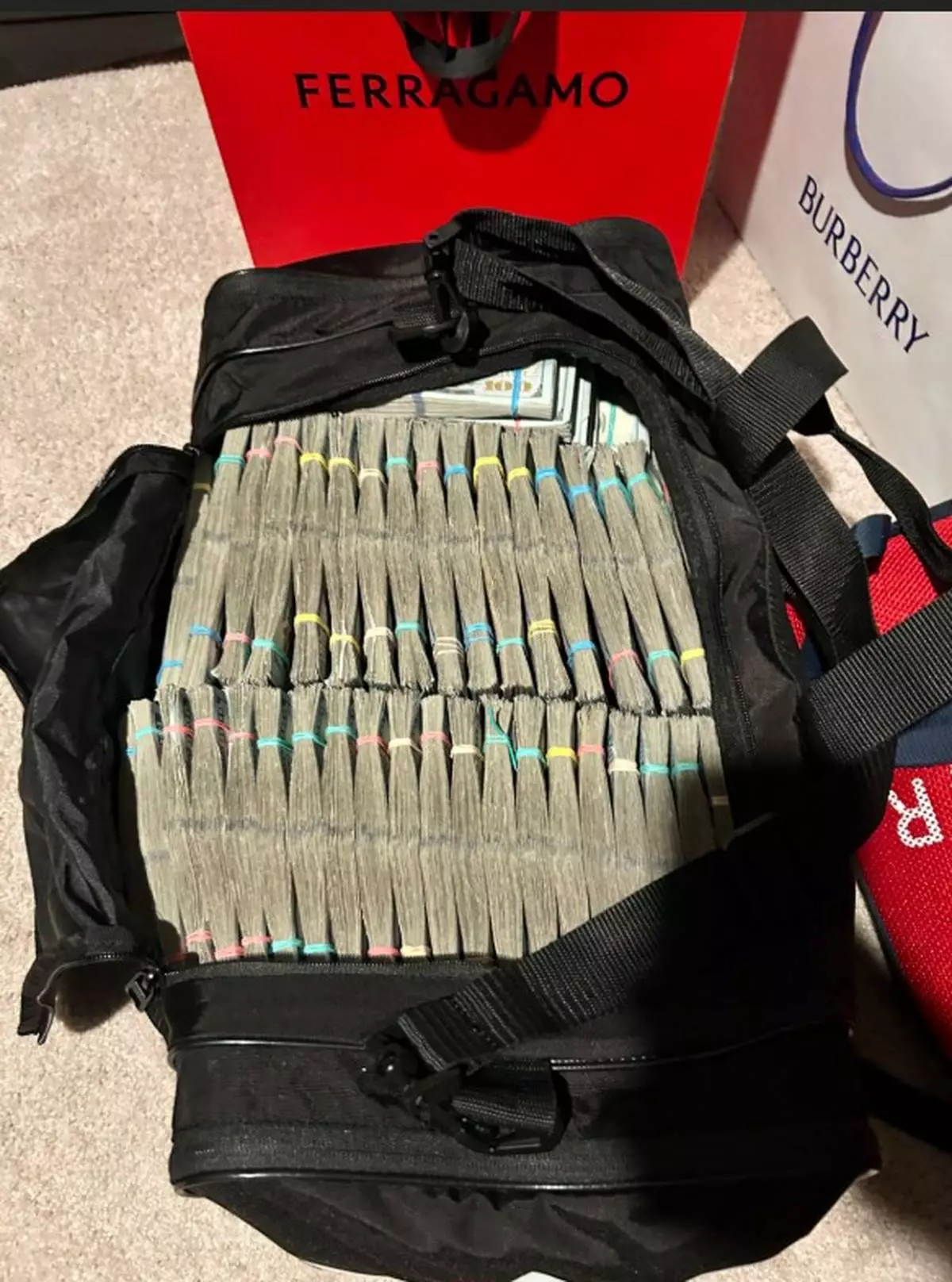
This photo shows a bag of cash seized at a home in Salem, Oregon, where the U.S. Drug Enforcement Administration arrested alleged fentanyl trafficker Heriberto Salazar Amaya, April 28, 2025. (U.S. Department of Justice via AP)
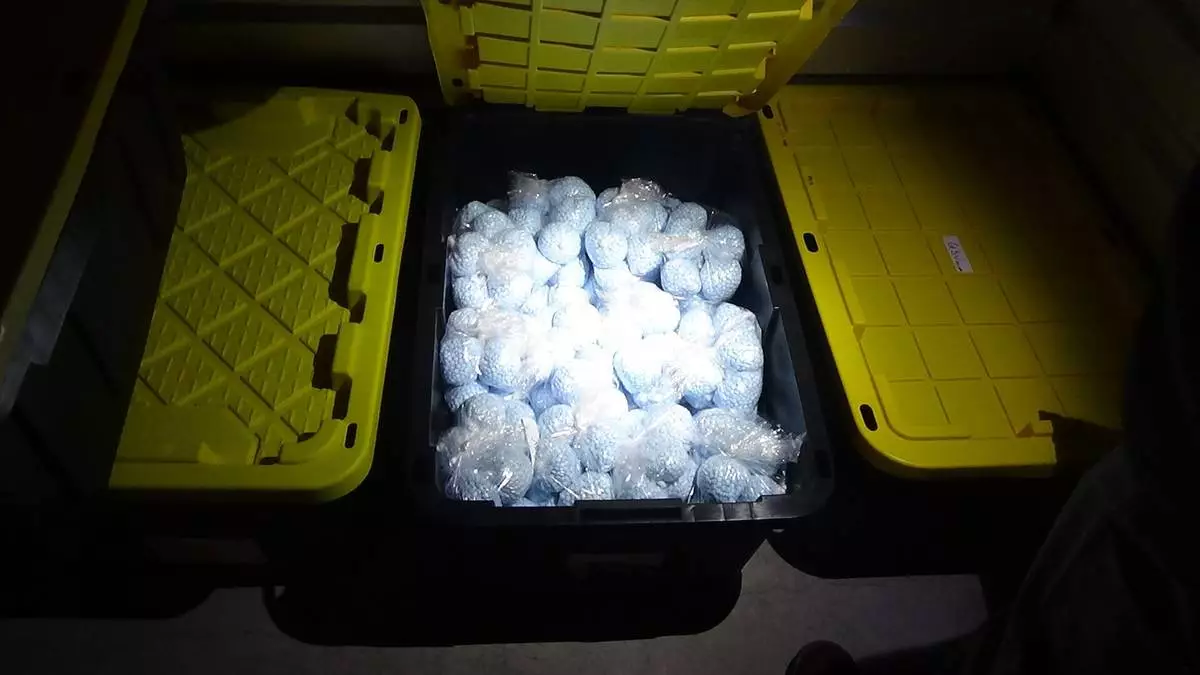
This photo shows fentanyl seized by the U.S. Drug Enforcement Administration at an Extra Space self-storage facility in Albuquerque, New Mexico, April 28, 2025. (U.S. Department of Justice via AP)

FILE - Attorney General Pam Bondi attends a press conference at the Justice Department, May 6, 2025, in Washington. (AP Photo/Julia Demaree Nikhinson, File)
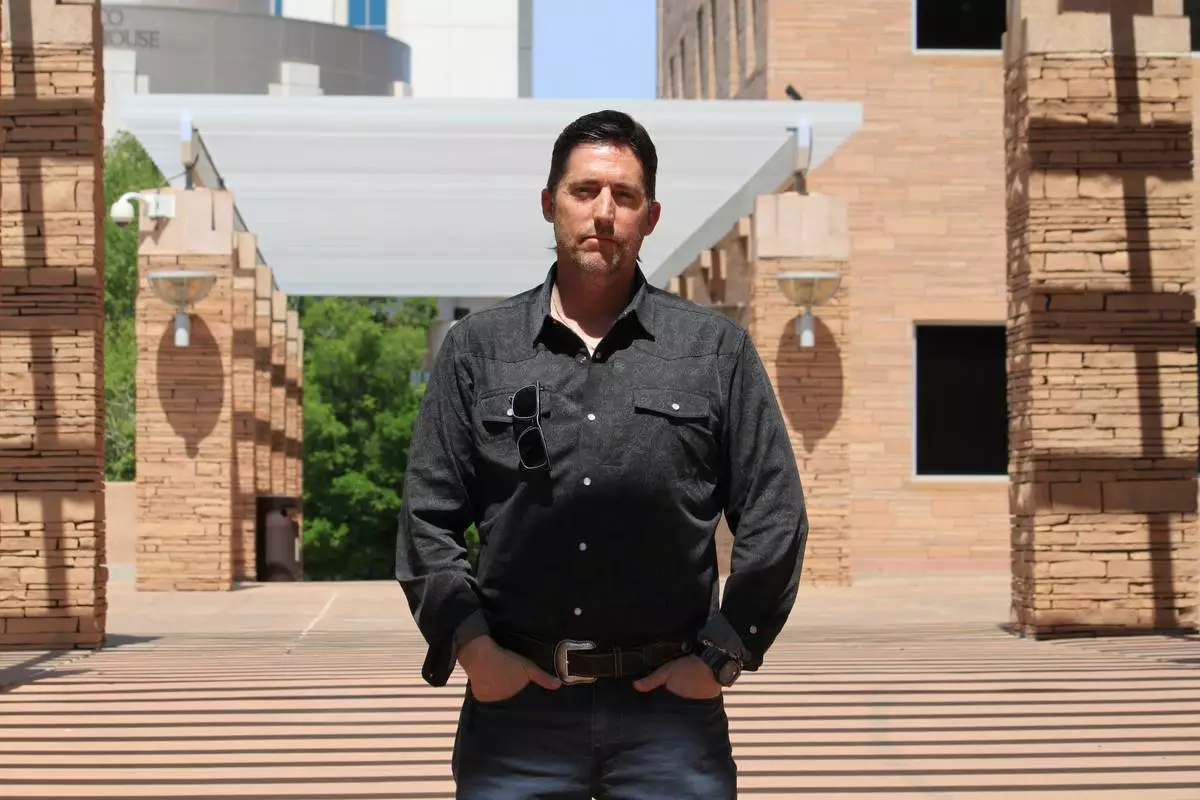
FILE - DEA Special Agent David Howell, who filed a whistleblower complaint, poses for a portrait outside the U.S. district courthouse in Albuquerque, N.M., June 12, 2026. (AP Photo/Susan Montoya Bryan, File)