NEW YORK (AP) — Major League Baseball dropped its demand for an escrow provision that was part of its salary cap proposal, instead saying Tuesday that an overage or underpayment under a 50-50 revenue split would be accounted for in future seasons.
When MLB made its cap proposal, it included a provision used by other leagues in which a slice of an individual player's salary would be withheld and clawed back if the percentage of revenue going to players in a year winds up going over the percentage specified for compensation. The players' association objected, saying that mechanism would gut player contract guarantee provisions.
“For months, union leadership has attacked the escrow provision used in other sports and mischaracterized the issue as the end of guaranteed contracts," baseball spokesman Glen Caplin said in a statement. "MLB took another step today by withdrawing our escrow proposal, removing any doubt that every single guaranteed player contract will remain fully guaranteed in the new salary cap and floor system.”
MLB said any underpayment or overpayment to players would be incorporated into future cap and floor calculations and that MLB would have the ability to have up to two years to account for a revenue lag.
“Instead of holding back player money each year, MLB’s new proposal is to take that same amount of money out of players’ pockets in the following year,” union head Bruce Meyer said in a statement. “It’s a different way of achieving the same objective of the salary cap — to reduce and suppress player salaries and freedom of movement. This is yet another example of how MLB’s salary cap proposal pits player against player, past, present and future.”
In another proposal Tuesday, players asked that money they donate to team charities be deducted from their salary for the purpose of calculating team luxury tax payrolls and for the new competitive integrity tax the union proposed be assessed to low-spending clubs.
See AP’s full MLB coverage here
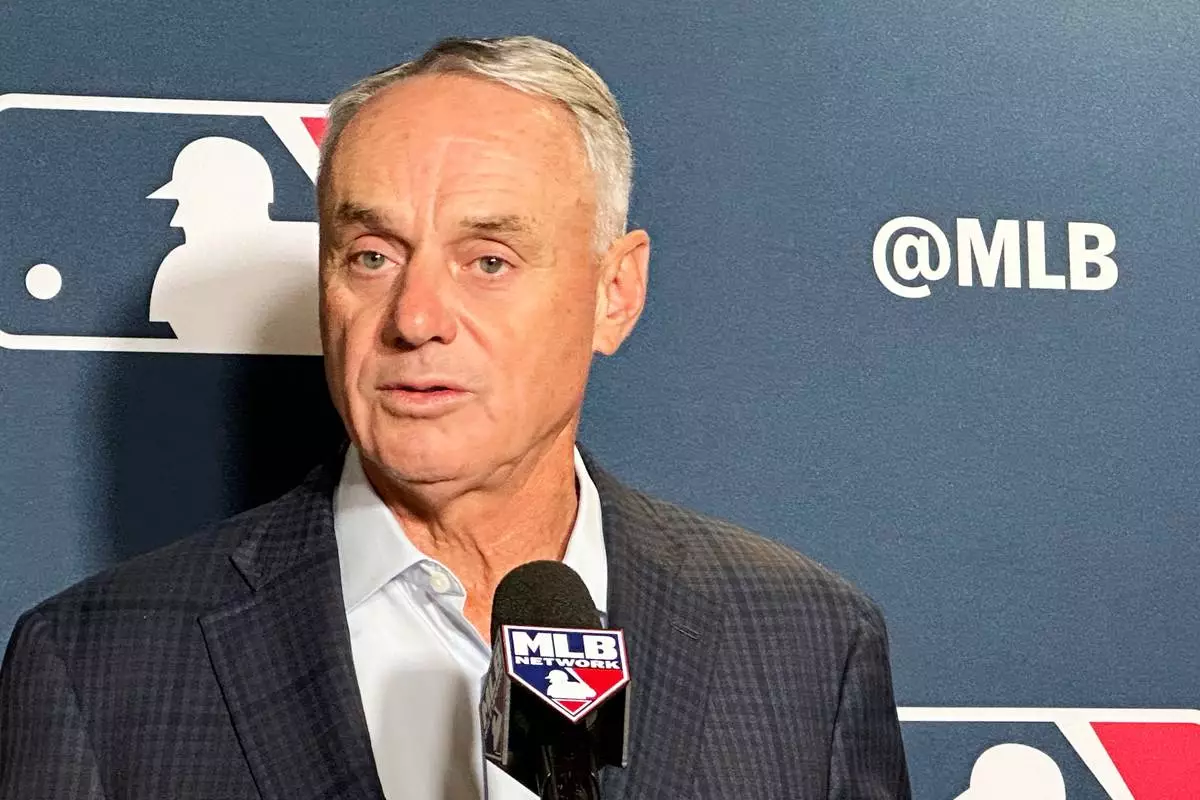
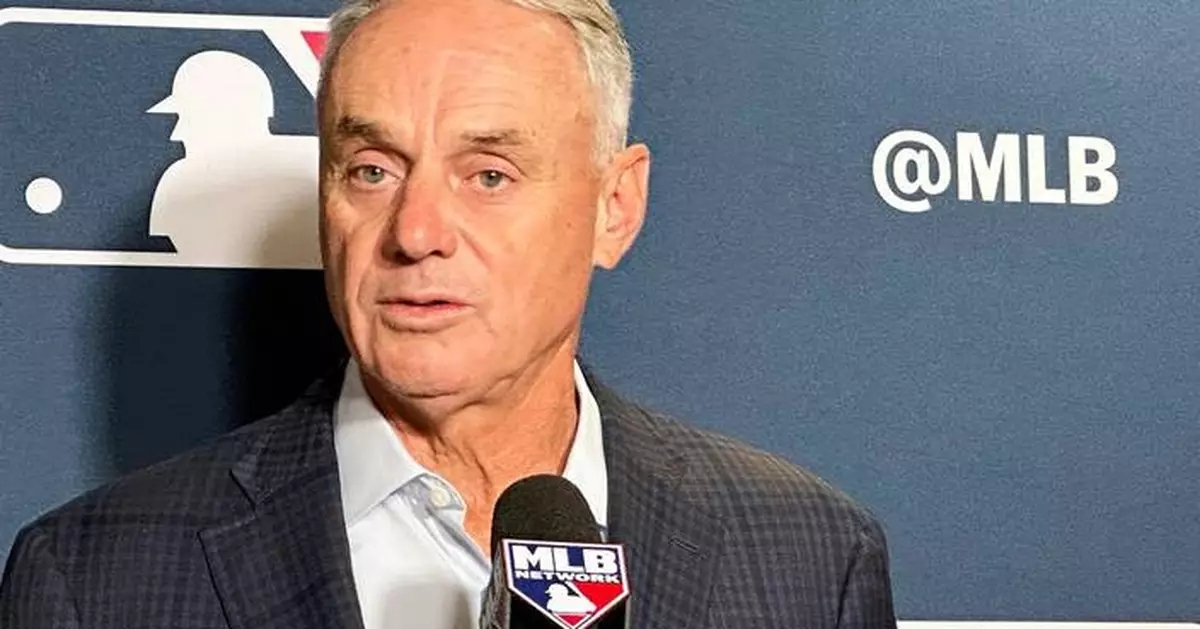
Major League Baseball Commissioner Rob Manfred speaks during a news conference in New York, Wednesday, Nov. 18, 2026. (AP Photo/Ron Blum) Photo taken with a mobile phone.
BARCELONA, Spain (AP) — Spaniards will vote in a general election Sunday, with Prime Minister Pedro Sánchez seeking to fend off conservative and far-right challengers to earn yet another term.
Sánchez’s main rival is conservative Alberto Núñez Feijóo, while the far-right’s Santiago Abascal is vying to play kingmaker to Núñez Feijóo and usher in a right-wing coalition.
Here's what you need to know about the top candidates.
Pedro Sánchez of the Socialist Party has led Spain’s government since 2018, making him one of Europe’s longest-serving leaders.
With his polished appearance and command of English, Sánchez has become a darling of the global progressive movement.
He has staked out strong positions against U.S. President Donald Trump and the U.S.-Israeli war against Iran, as well as Israel’s military operations in Gaza. He has remained firm on his pro-migration policies amid a wider anti-immigration mood sweeping the developed world. He has overseen Europe's fastest growing major economy for several years, but greater wealth has not helped extinguish anger over rising housing costs.
Sánchez, 54, is a fierce campaigner who has outwitted adversaries both inside and outside his party and repeatedly beaten the odds, earning him the reputation of a political escape artist.
The most recent example of his electoral savvy came in 2023 when Sánchez’s Socialist Party took a beating in regional elections. Instead of licking his wounds, the very next day he stunned the country by calling for a general election, and he campaigned on fears of the far right entering government. The audacious move worked, and voters let him stay in office after forming another left-wing coalition.
Now the trained economist arguably faces his greatest challenge. He is dogged by legal cases involving corruption by a former minister and top officials in his party as well as his wife — who denies wrongdoing.
Sánchez’s fate will most likely depend not only on his Socialists rallying but also a group of smaller parties to the Left outperforming polling that predicts they will lose votes.
Alberto Núñez Feijóo of the Popular Party is a lifelong civil servant-turned-politician who has avoided scandal and projects himself as a sensible, moderate and effective center-right administrator.
Known nationally by his second last name, Feijóo won election after election in Galicia during the 13 years in which he governed the rural northwest corner of Spain. Despite being a less-developed region, Galicia has a long tradition of producing strong politicians. Among them were 20th-century dictator Francisco Franco and former Prime Minister Mariano Rajoy, who ran Spain from 2011 until 2018 — the last time the Popular Party led Spain.
Feijóo, 65, wants to reduce government regulations and lower taxes while, like Sánchez, is staunchly pro-European Union. If he wins, Feijóo is expected to mend bridges with the U.S. and Israel.
Feijóo made the leap to take over his party in time to lead it during the previous general election, when he failed to oust Sánchez.
That means the pressure is on Feijóo to make good on the broad support the Popular Party has maintained since then.
While the low-key Feijóo may be overshadowed by his rivals, he is in charge of the Popular Party's finely tuned vote-winning machine that's entrenched in the capital, Madrid, as well as many of Spain's rural provinces.
Bearded and barrel-chested in his tailored suits, Santiago Abascal is a member of the global populist right who exudes macho toughness, and his candidacy could ensure Feijóo has a coalition to govern.
Abascal, 50, is from Spain’s northern Basque Country. Like many politicians from across the spectrum in Spain, his ultranationalist ideology was shaped in response to the violence of the region’s separatist group ETA, which disbanded in 2018.
The first part of Abascal’s political career was as a rank-and-file member of the Popular Party before he and others splintered off to found Vox in late 2013. He quickly took over as its leader and has maintained firm control of the party ever since.
His ideology fits within the wider populist right movement, from the U.S. to Europe. He is a staunch defender of Israel and has strongly criticized Spain's position under Sánchez toward the country. He wants to slash government regulations for business and cut taxes, and is an open admirer of Argentina's chainsaw-wielding President Javier Milei.
Like Milei, Abascal slams progressive causes, including feminist thought, while dismissing climate change. Vox is not openly hostile to the EU, unlike other far-right European parties, but he blames immigration for Spain’s cost-of-living pains.
Far-right parties like Vox have been boxed out of government in Spain since the return of democracy following Franco's death in 1975. After losing seats in the 2023 election, Vox is aiming for a rebound that would afford it the leverage to demand ministries as a junior member in what Abascal hopes will be Feijóo's triumphal government.
Right-wing voters who find Vox too mild can opt for “Se Acabó la Fiesta" (The Party Is Over), the political vehicle of a far-right social media influencer.
On the other end of the spectrum, in-fighting impeded smaller progressive parties from remaking an electoral coalition that helped the left stay in power in 2023. This time, the Frente Amplio (Broad Front) will compete with Podemos (We Can) for the most left-leaning of voters. That will hurt both their prospects, as well as Sánchez's shot at forming another left-wing coalition.
There are also traditional parties that focus on influencing how policies and laws impact their home territories. These regionalist parties in Catalonia, the Basque Country, Galicia and the Canary Islands could play a role in forming a ruling coalition if the results are close.
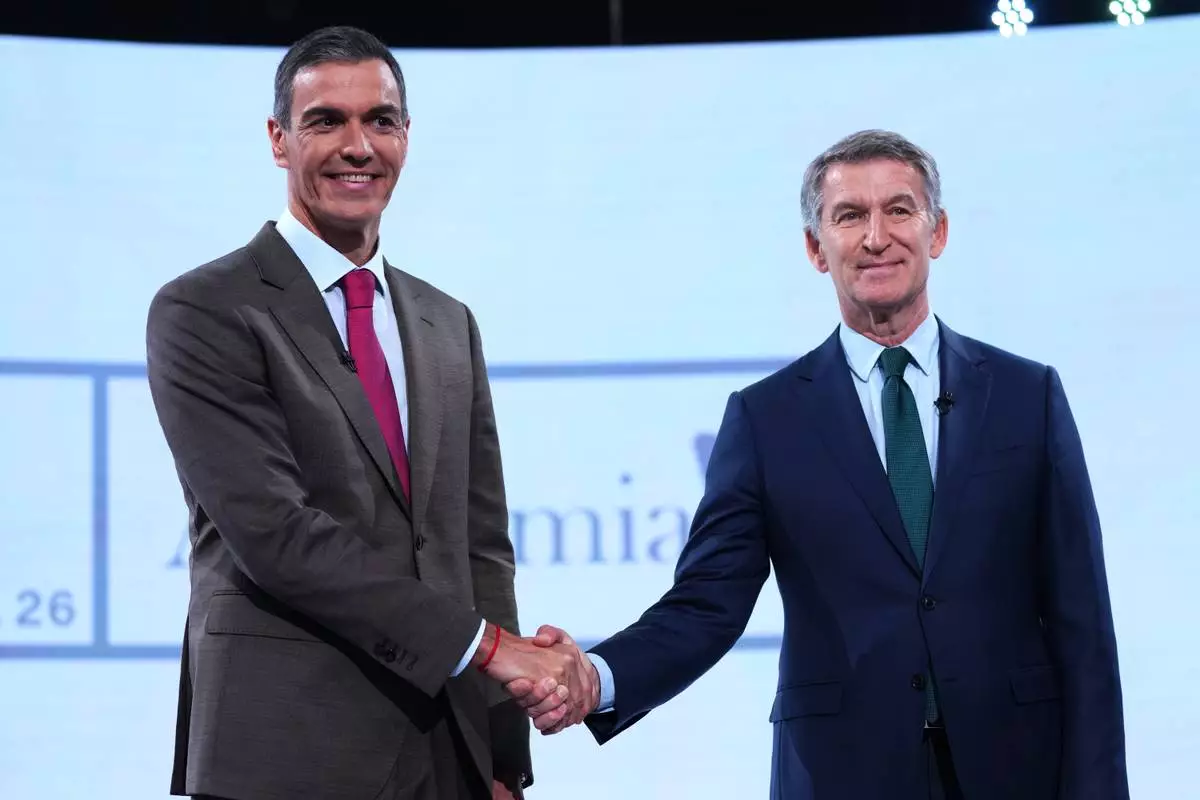
Spain's Prime Minister and Socialist Party Secretary-General Pedro Sánchez and Popular Party candidate Alberto Núñez Feijóo shake hands at the start of a live televised debate in Madrid, Spain, Thursday, Nov. 19, 2026. (AP Photo/Manu Fernandez)
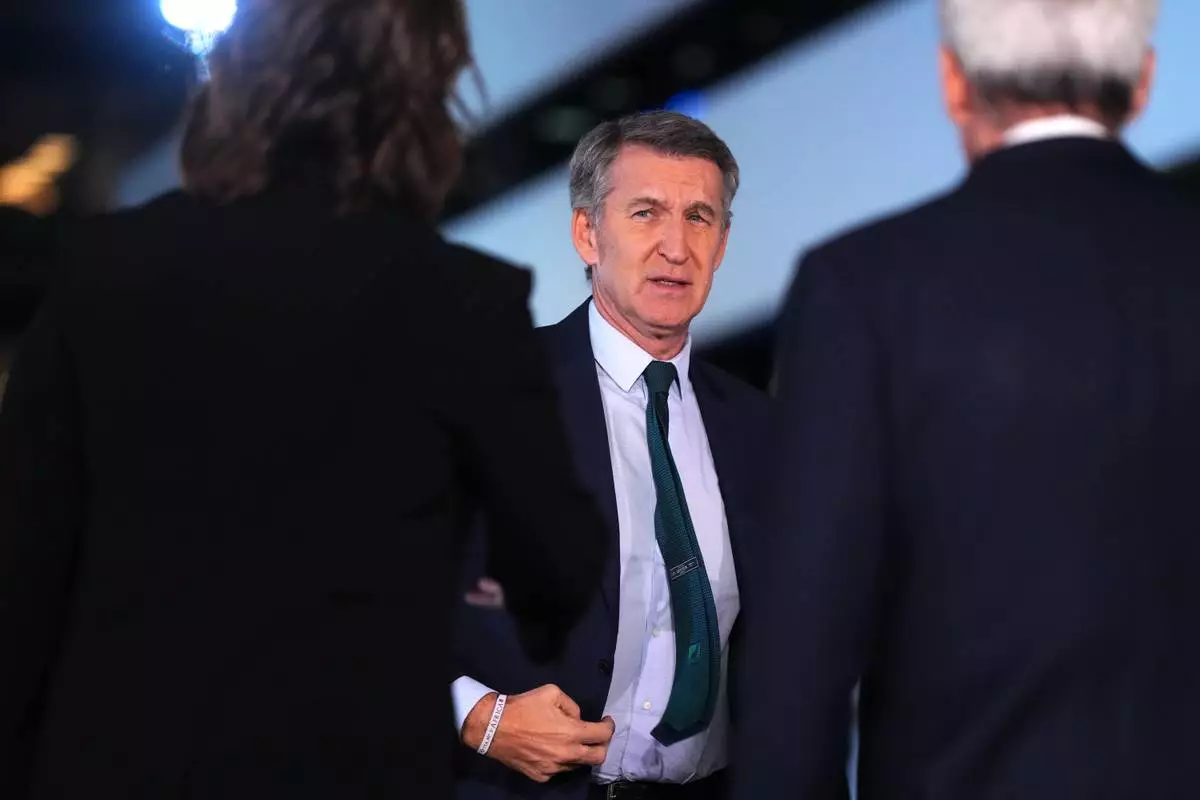
FILE, Popular Party candidate Alberto Núñez Feijóo arrives at a television studio ahead of a live televised debate with Spain's Prime Minister and Socialist Party Secretary-General Pedro Sánchez in Madrid, Spain, Thursday, Nov. 19, 2026. (AP Photo/Manu Fernandez, File)
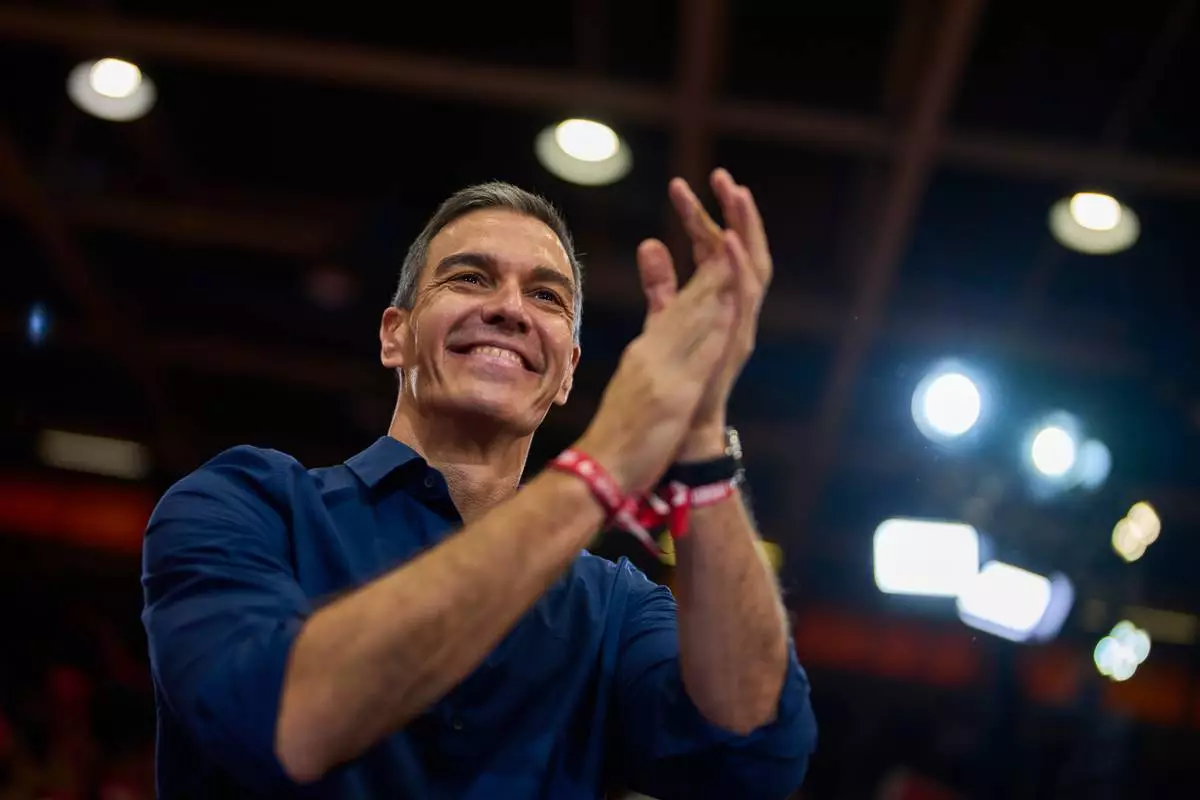
FILE, Spain's Prime Minister and Socialist candidate Pedro Sanchez applauds during an electoral rally in Alcorcon, outside of Madrid, Spain, Sunday, Nov. 15, 2026. (AP Photo/Manu Fernandez, File)
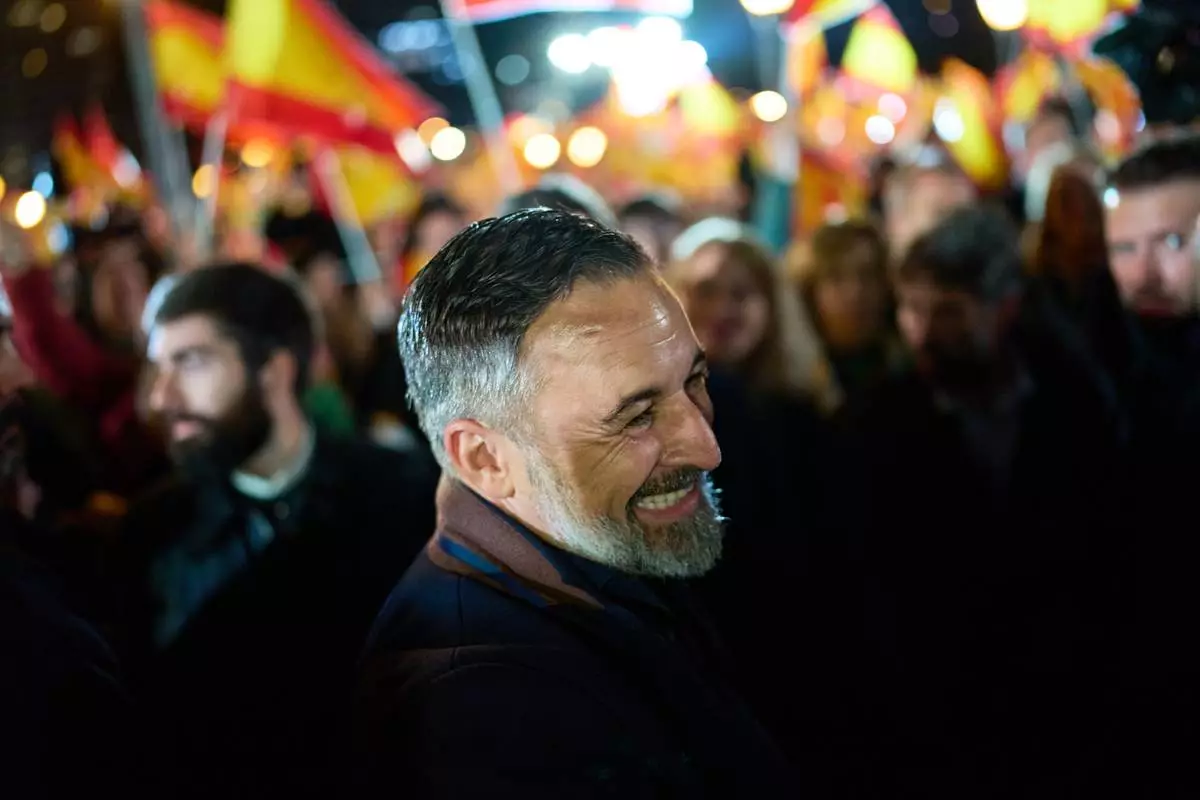
FILE, Santiago Abascal, leader of the far-right Vox party, arrives to an electoral rally in Madrid, Friday, Nov. 13, 2026, on the first day of the campaign ahead of general elections. (AP Photo/Francisco Seco, File)

FILE, People wait in a bus stop as Spain's Prime Minister and Socialist Party Secretary-General Pedro Sanchez is displayed on an electoral campaign video in Gran Via main avenue ahead of general elections, in Madrid, Spain, Tuesday, Nov. 17, 2026. (AP Photo/Francisco Seco, File)