MEXICO CITY (AP) — The security relationship between Mexico and the United States has been strained in recent years, but experts say intelligence sharing that led to the capture of a Mexican drug lord may offer a pathway forward even as new tensions emerge.
Mexican authorities arrested Fausto Isidro Meza Flores, alias “El Chapo Isidro,” over the weekend in the northern state of Sinaloa after months of elaborate planning and support from U.S. officials.
At Mexico's request, the U.S. deployed a surveillance drone to help gather intelligence for the operation, which both governments quickly hailed as a success.
“The collaboration between civilian and military intelligence and security agencies in Mexico and the United States, regardless of who controls the White House, Congress or Mexico’s presidency, seems like excellent news to me,” said Javier Ulises Oliva Posada, a security researcher at the National Autonomous University of Mexico.
“I hope (it continues) because it’s producing very strong results,” he added.
The move marked a shift from tensions that erupted in April after two CIA agents died following an operation with Chihuahua state authorities to dismantle a drug laboratory.
The incident drew a sharp rebuke from Mexican President Claudia Sheinbaum, who said the federal government had not been informed of the operation. The frustration built upon growing insistence by the Mexican government that the U.S. respect its sovereignty and its repeated rejection of U.S. assistance to fight cartels on Mexican soil.
But cooperation could face new strains in the coming months as authorities in both countries seek to prosecute Meza Flores in their own courts.
Meza Flores was a top ally of a faction of the Sinaloa Cartel and one of the FBI’s top ten most wanted fugitives on accusations of drug trafficking among other crimes. He led the Beltrán Leyva organization and later became the leader of his own group, the Meza Flores Transnational Criminal Organization.
The U.S. has requested Meza Flores' extradition, but Mexico’s Attorney General Ernestina Godoy Ramos said Monday that “he will face justice here” first.
Despite scrutiny over the transparency in such operations and concerns that taking out cartel bosses could fuel more violence in the long term, UNAM researcher Oliva Posada said intelligence sharing appears to be increasingly a boon for the two governments.
“What it demonstrates is that there are trusted protocols for sharing information and ensuring it does not leak,” he said.
Mexico and the U.S. have long shared intelligence, but cooperation has increased as Sheinbaum targets criminal groups more aggressively than her predecessors under pressure from U.S. President Donald Trump.
The approach also appears to offer a politically acceptable middle ground. The Trump administration has sought to put troops on the ground in Latin America, while Sheinbaum wants to showcase security wins while sending a strong message of Mexican sovereignty to her base.
Authorities from both countries were quick to highlight the joint effort behind Meza Flores' capture, with the U.S. Attorney General Todd Blanche calling the operation a “combined inter-agency effort.”
“We commend Mexico’s military and special forces for carrying out the operation as part of our bilateral effort to eliminate terrorists in Mexico,” he said.
U.S. Northern Command on Tuesday declined to comment or confirm the use of a U.S. drone in the operation.
Perhaps the clearest example came in February, when Mexico acknowledged that U.S. intelligence contributed to a major operation that led to the capture and killing of Jalisco New Generation Cartel leader Nemesio Oseguera Cervantes, alias “El Mencho." The government made a similar acknowledgment two months later when it arrested his second in command.
About 2 1/2 months ago, Mexico’s Defense Department acknowledged conducting joint counter-drone operations with the United States between the border cities of Tijuana, Baja California, and San Diego, California. Similar operations were conducted in March along the border between El Paso, Texas, and Ciudad Juárez, Chihuahua.
Another operation involving a U.S. drone took place in August 2025, when an aircraft operated by U.S. Customs and Border Protection flew over several municipalities in central Mexico at the Mexican government’s request as part of an organized crime investigation.
Earlier that year, international media reported Reaper drones were flying over Mexican territory, something Sheinbaum said had been requested by Mexican authorities.
Such operations are often shrouded in secrecy, with authorities providing few details. That has raised concerns about transparency and prompted speculation about the U.S. government's growing role in Latin American affairs.
David Mora, a Mexico analyst for the International Crisis Group, said that while Mexico “has proven itself able to conduct high-risk, time-sensitive operations, using intelligence shared with U.S. authorities," the offensive may ultimately backfire.
“U.S. pressure on Mexico to crack down on the fentanyl trade could now throw this relatively peaceful region into turmoil,” Mora said. “The most important question is what happens next.”
Associated Press writer Megan Janetsky contributed to this report.
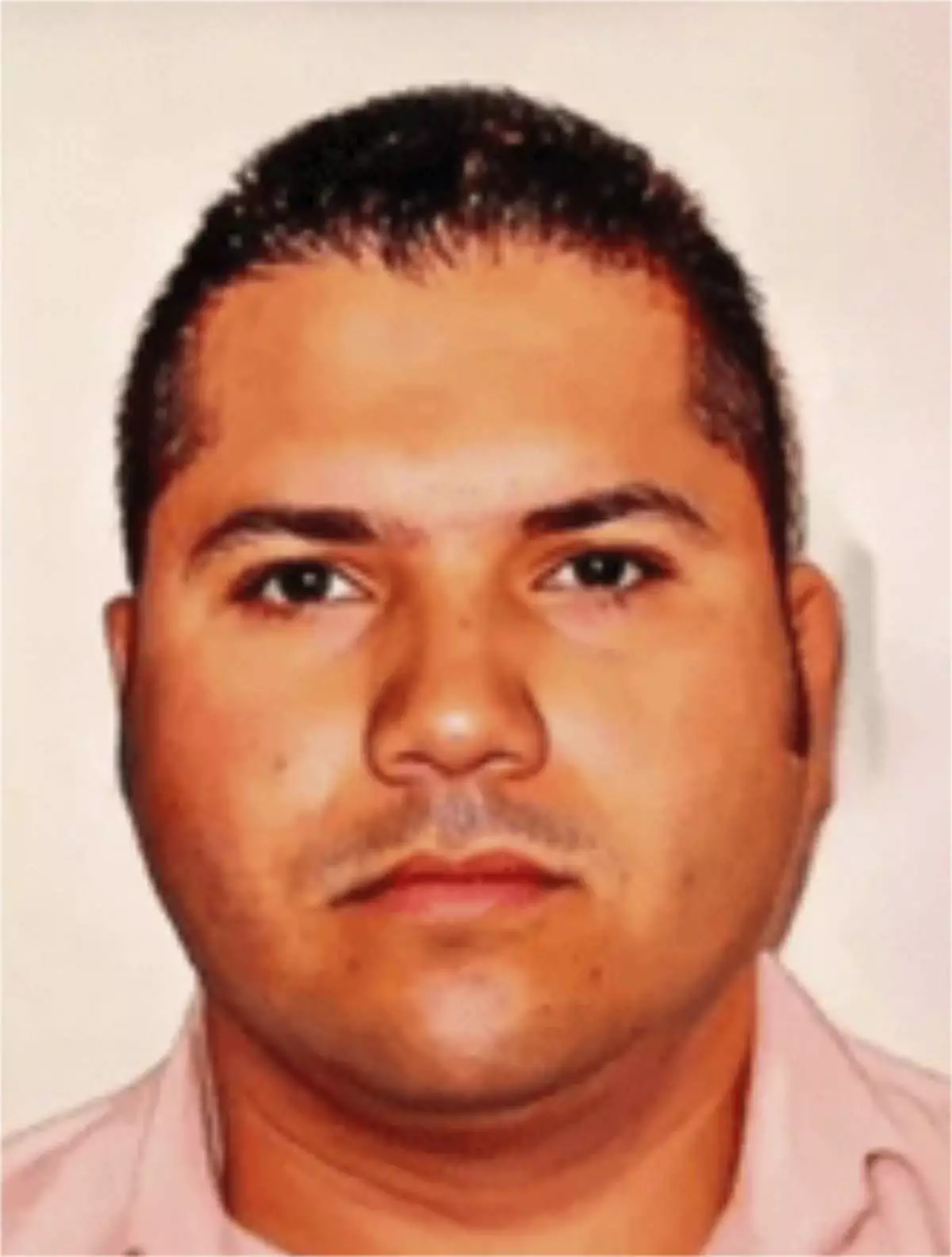
This undated image released by the U.S. Department of State shows Fausto Isidro Meza-Flores. (U.S. Department of State via AP)
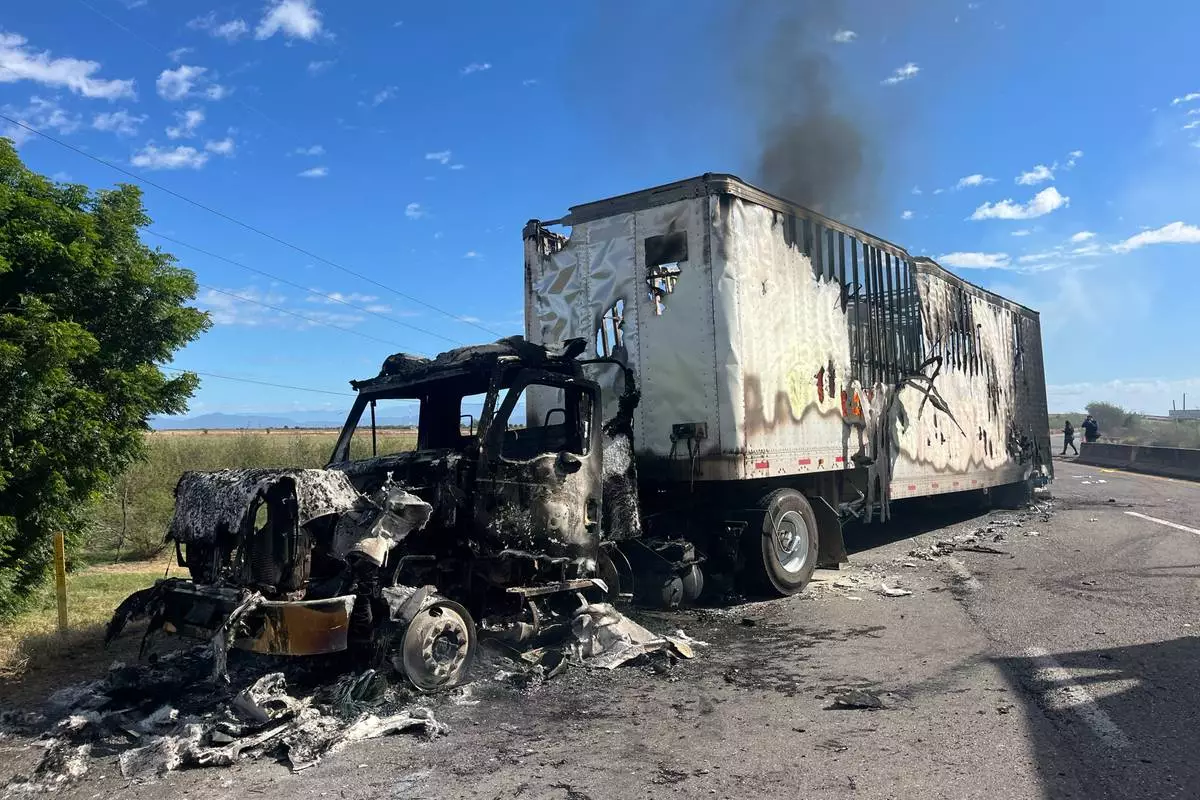
A burned out cargo truck sits on a highway between Guamuchil and Guasave in Sinaloa state, Mexico, Saturday, Nov. 21, 2026, following overnight violence after Mexican authorities captured cartel boss Fausto Isidro Meza Flores, better known as 'El Chapo Isidro', in Guasave. (AP Photo/Martin Urista) Photo taken with a smartphone.
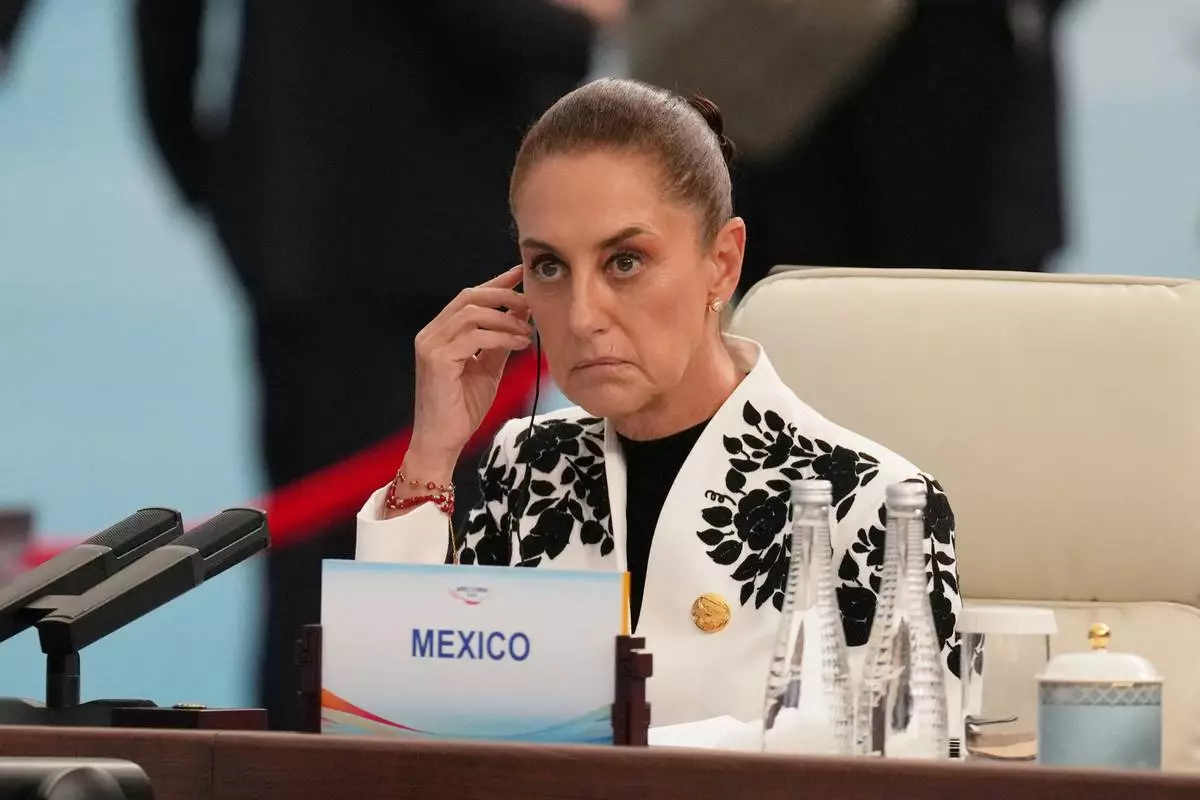
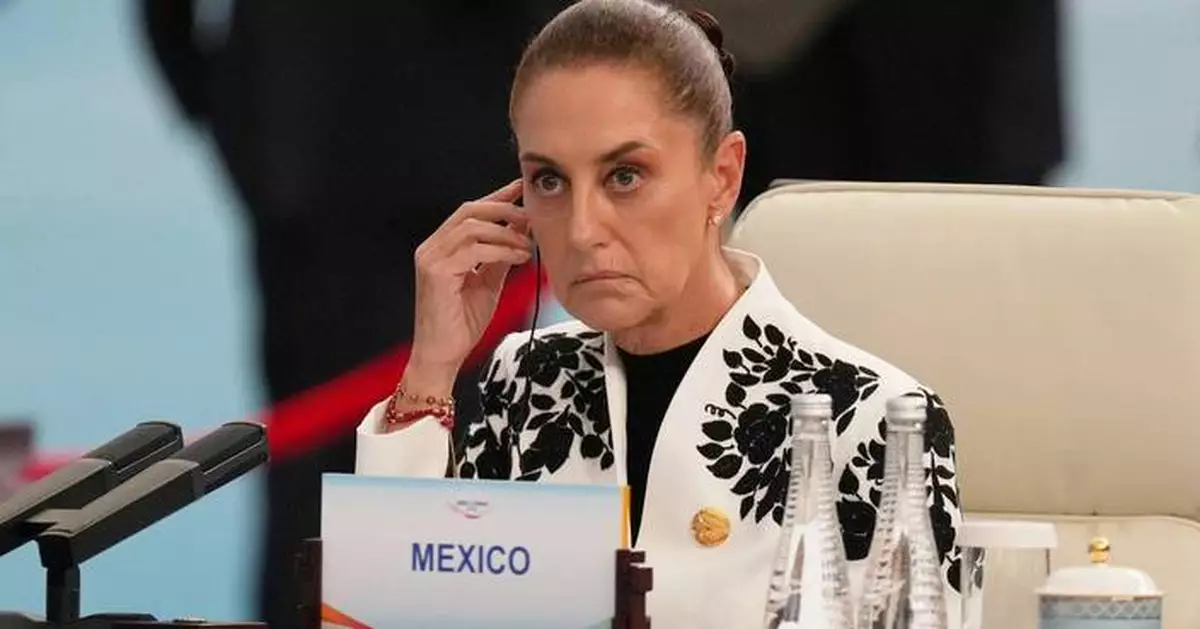
Mexico's President Claudia Sheinbaum attends the plenary meeting during the Asia-Pacific Economic Cooperation (APEC) Summit in Shenzhen, Guangdong province, China on Thursday, Nov. 19, 2026. (AP Photo/Ng Han Guan, Pool)