Trilateral talks involving Russia, the United States and Ukraine have not reached an impasse and Moscow remains open to continuing them, though no date has been set for the next round, Russian Deputy Foreign Minister Sergei Ryabkov said on Wednesday.
He added that Russia and the United States would hold further talks before year-end on matters that remain contentious in their bilateral relations.
On the same day, Kyrylo Budanov, head of Ukraine's Presidential Office, said that a major prisoner exchange between Ukraine and Russia could begin as early as late November.
The exchange is expected to involve about 1,000 captives and will be carried out in several stages, with the first stage to be completed by Dec 25, he said.
The process is currently being coordinated with the Russian side, Budanov added.
The latest round of trilateral talks on the Ukraine crisis was held in Abu Dhabi on Nov 10-11. Russia and Ukraine reached an agreement on a "large-scale" prisoner exchange during the talks, but made no progress on a ceasefire deal, territorial issues or long-term security guarantees.

Russia says trilateral talks not at an impasse, remains open to next round
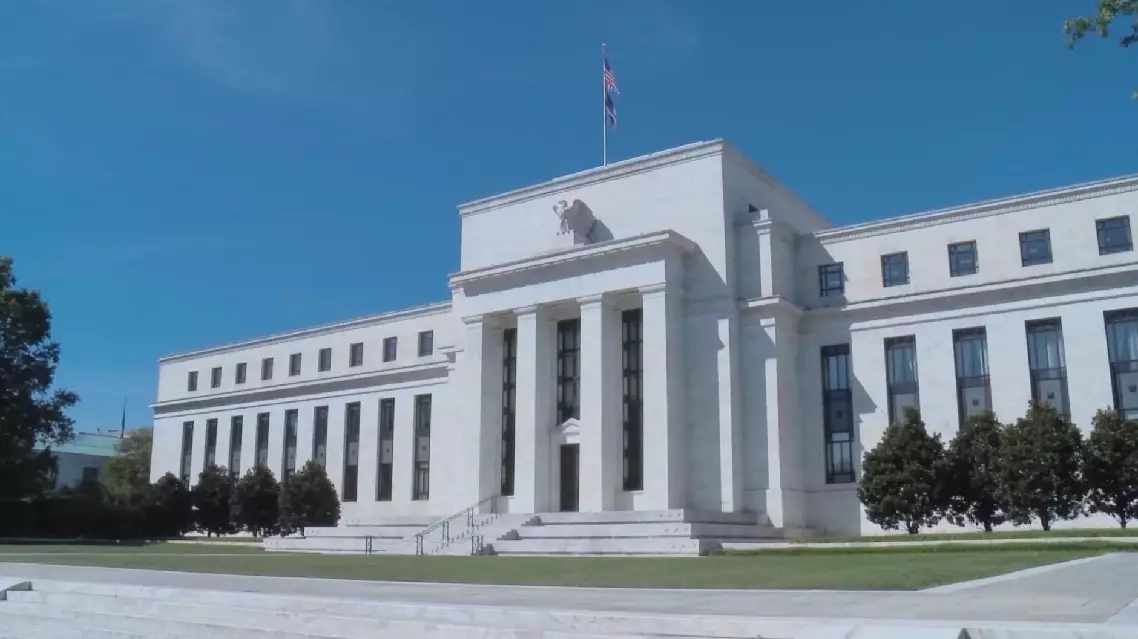
Eight of the U.S. Federal Reserve's 12 districts reported slight-to-moderate economic growth, while four reported no change, according to the Fed's Beige Book released on Wednesday.
Consumer spending was largely unchanged. Auto sales weakened, with contacts citing high fuel prices and interest rates. Construction activity declined amid rising borrowing and building costs. Energy activity grew moderately, but investment remained restrained by uncertainty over geopolitics, policy and costs. Banking conditions were broadly unchanged, and loan demand remained subdued.
High costs for housing and other essentials strained household budgets, increased demand for social services and stretched nonprofit capacity.
Prices rose moderately overall, basically in line with the previous reporting period. Contacts across industries cited continued cost pressures from energy, transportation, healthcare, insurance and tariffs. Higher costs for raw materials, metals, freight and specialized imports also weighed on businesses. Input costs generally rose faster than selling prices, and contacts expected expenses and product prices to keep increasing in the coming months.
Known as the Beige Book, the report compiles recent information gathered by the 12 regional Federal Reserve banks. The Fed publishes it eight times a year, and it serves as one input to monetary policy discussions.
U.S. Commerce Department data released on Wednesday showed the personal consumption expenditures price index rose 3.8 percent year on year in October, up from 3.6 percent in September. The core index, which excludes food and energy, rose 3.3 percent, up 3.1 percent from the previous month and its highest level since November 2023.
US Fed survey reveals modest growth, persistent cost pressures