Overnight Israeli strikes in Gaza killed eight Palestinians, hospital officials there said, while a British military monitor said a tanker reported an explosion near it in the Persian Gulf west of Dubai.
Here is the latest news from the Middle East on Thursday. Read our full coverage here.
Click to Gallery
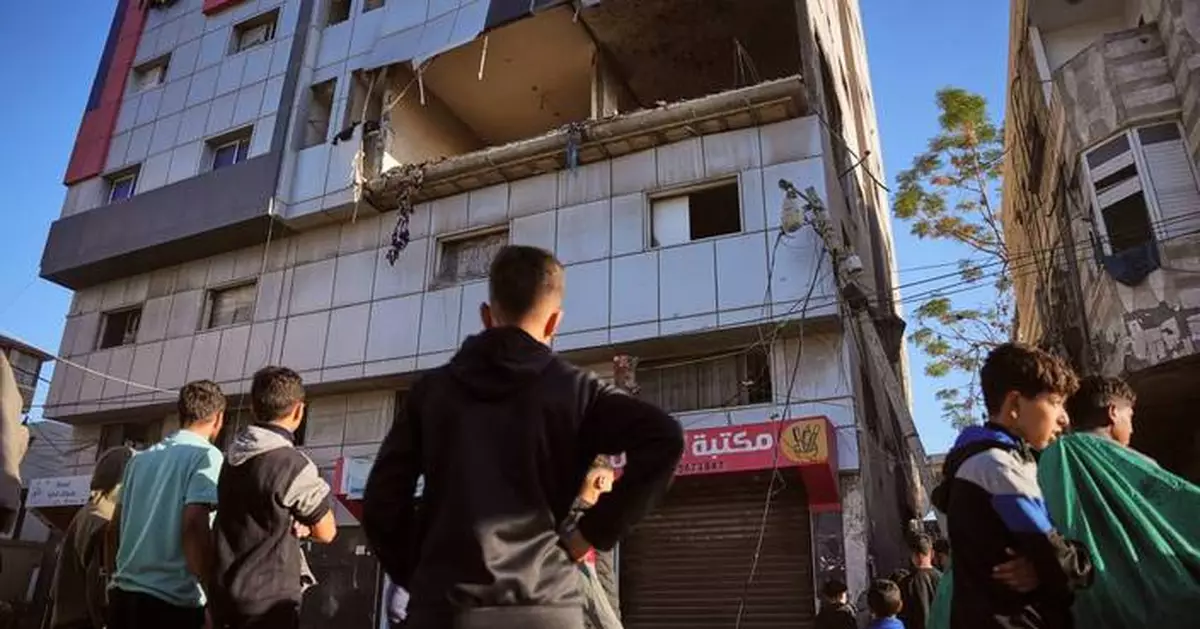
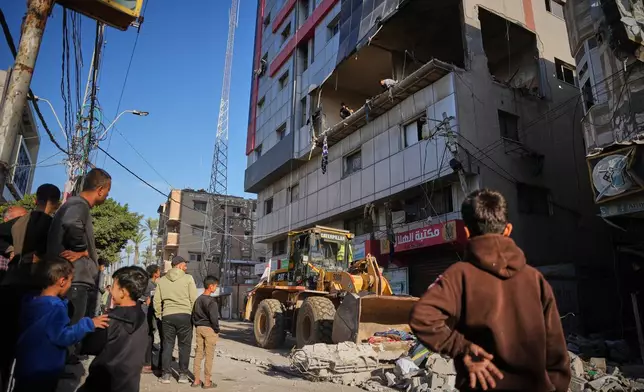
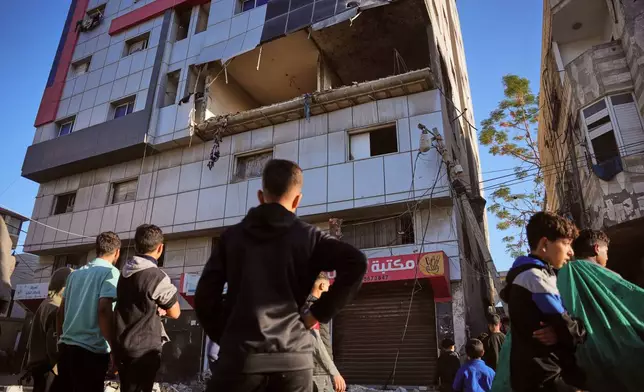
Palestinians gather outside an apartment building damaged in an overnight Israeli airstrike in Deir al-Balah, central Gaza Strip, Thursday, Nov. 26, 2026. (AP Photo/Abdel Kareem Hana)
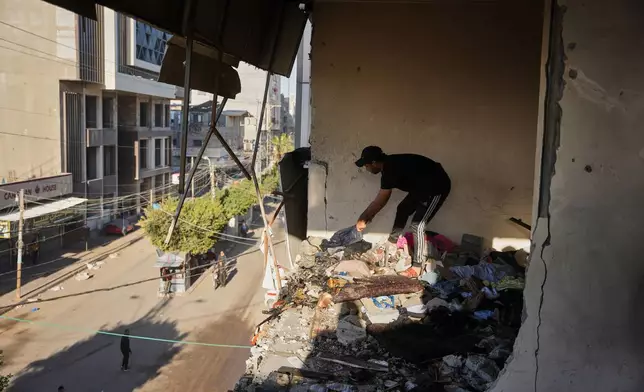
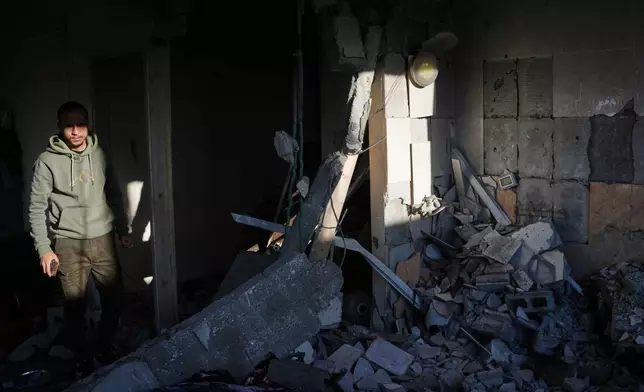
A Palestinian man inspects an apartment damaged in an overnight Israeli airstrike in Deir al-Balah, central Gaza Strip, Thursday, Nov. 26, 2026. (AP Photo/Abdel Kareem Hana)
A Palestinian man inspects an apartment damaged in an overnight Israeli airstrike in Deir al-Balah, central Gaza Strip, Thursday, Nov. 26, 2026. (AP Photo/Abdel Kareem Hana)
Palestinians gather outside an apartment building damaged in an overnight Israeli airstrike in Deir al-Balah, central Gaza Strip, Thursday, Nov. 26, 2026. (AP Photo/Abdel Kareem Hana)
Three Israeli strikes overnight into Thursday killed eight Palestinians in Gaza City and Central Gaza, according to health officials at Shifa hospital and Al-Aqsa Martyrs hospital, where the casualties were taken.
A strike on a residential apartment in Deir Al-Balah City in central Gaza killed a man and his wife, health officials said.
Israel’s Prime Minister Benjamin Netanyahu and Defense Minister Israel Katz said in a joint statement that the military killed Khaled Abu Nada, who oversaw economic and education affairs for Hamas in Gaza, in the overnight strike.
Another two separate strikes in Gaza City killed three people each, according to the Shifa hospital.
Israel’s military said that one of the strikes targeted three “terrorists,” without elaborating, and did not immediately respond to a request for comment on the other strike.
The overnight casualties are the latest in Gaza, where near-daily Israeli fire and airstrikes have persisted more than a year after a ceasefire deal was reached between Israel and Hamas.
At least 74,746 Palestinians have been killed in more than three years of war in Gaza, according to the territory’s health ministry. The ministry, which is part of the Hamas-led government, maintains casualty records that are seen as generally reliable but do not offer a breakdown of civilians and militants.
A British military monitor, the United Kingdom Maritime Trade Operations, said early Thursday that the captain of a tanker located 93 kilometers (58 miles) west of Dubai reported an explosion caused by “an unknown projectile in close proximity to the tanker” overnight. The UKMTO said no damage to the tanker was reported, and all crew were safe and accounted for.
There has been an increase recently of incidents involving commercial ships in the Strait of Hormuz and nearby waters. The strategic waterway at the mouth of the Persian Gulf, through which about a fifth of the world’s traded oil and natural gas passed before the war, has been effectively shut by Iran’s attacks on shipping since the start of the war in February.
October had the most reported attacks on commercial shipping since March in the war’s opening weeks, according to the UKMTO, while it has also noted that some ships have been reluctant to report incidents.
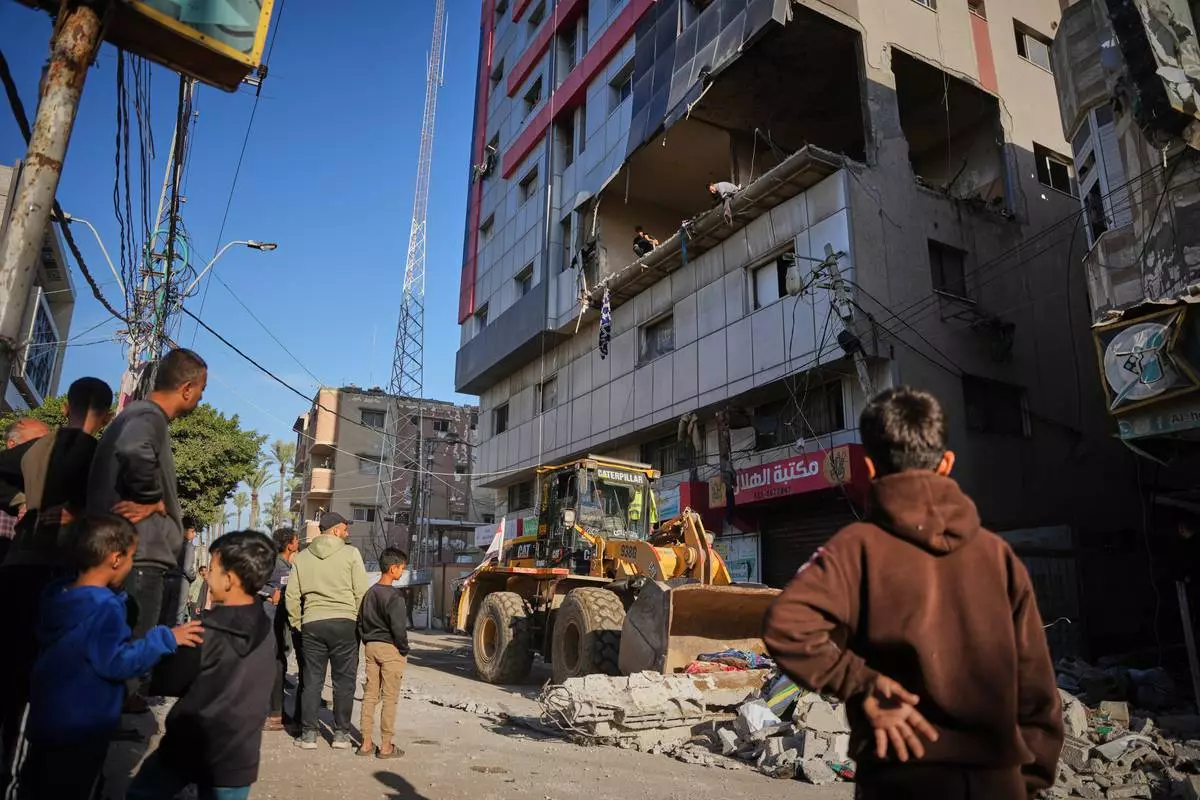
Palestinians gather outside an apartment building damaged in an overnight Israeli airstrike in Deir al-Balah, central Gaza Strip, Thursday, Nov. 26, 2026. (AP Photo/Abdel Kareem Hana)
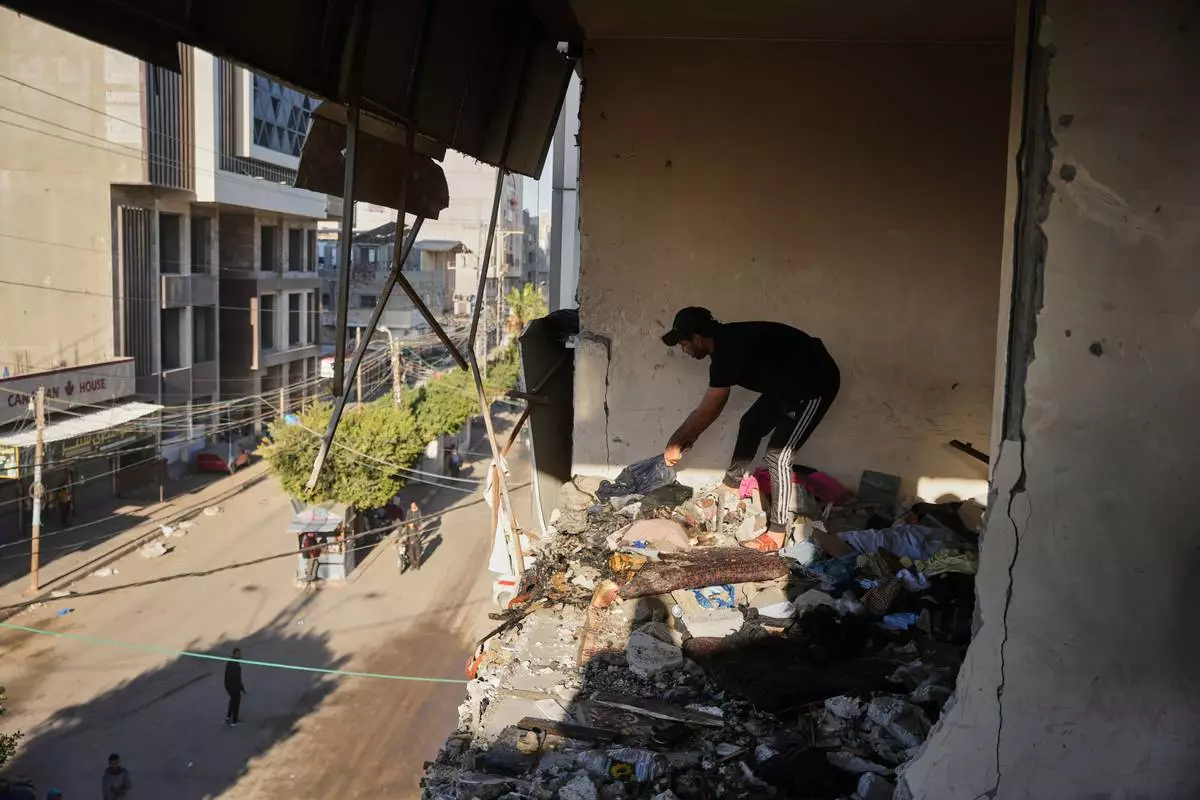
A Palestinian man inspects an apartment damaged in an overnight Israeli airstrike in Deir al-Balah, central Gaza Strip, Thursday, Nov. 26, 2026. (AP Photo/Abdel Kareem Hana)
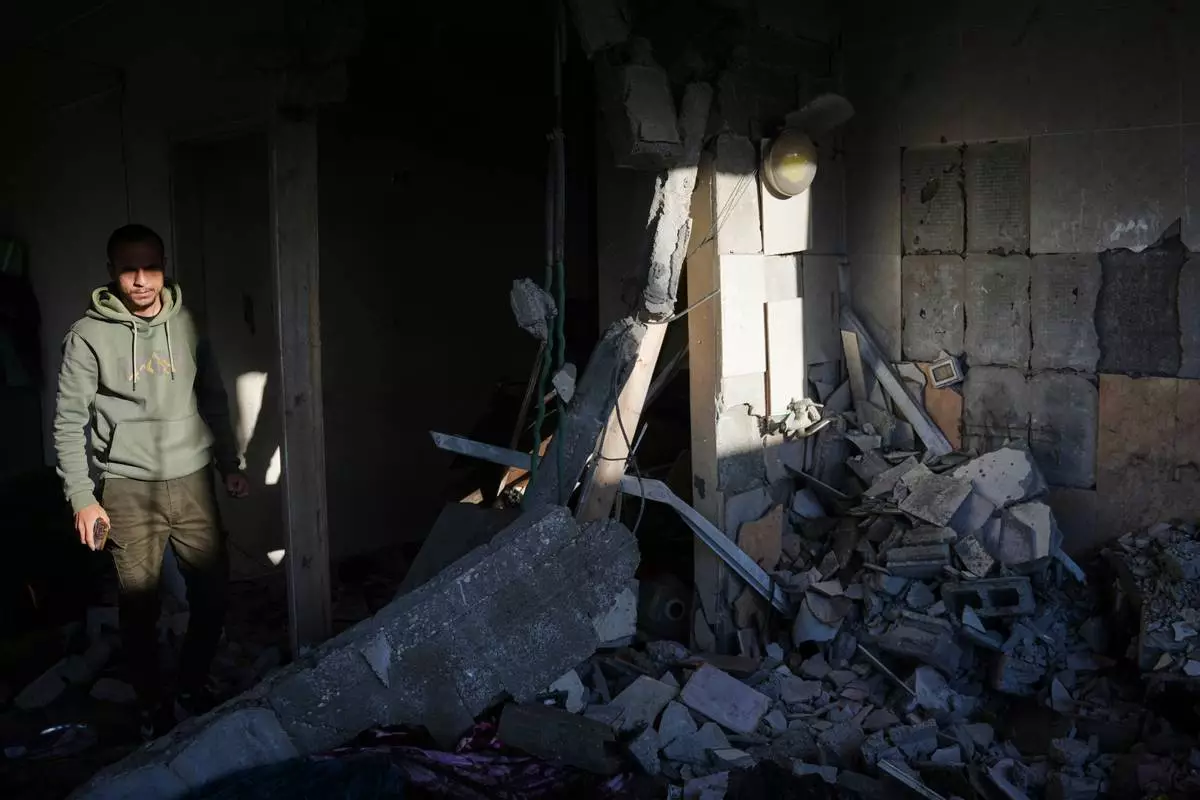
A Palestinian man inspects an apartment damaged in an overnight Israeli airstrike in Deir al-Balah, central Gaza Strip, Thursday, Nov. 26, 2026. (AP Photo/Abdel Kareem Hana)
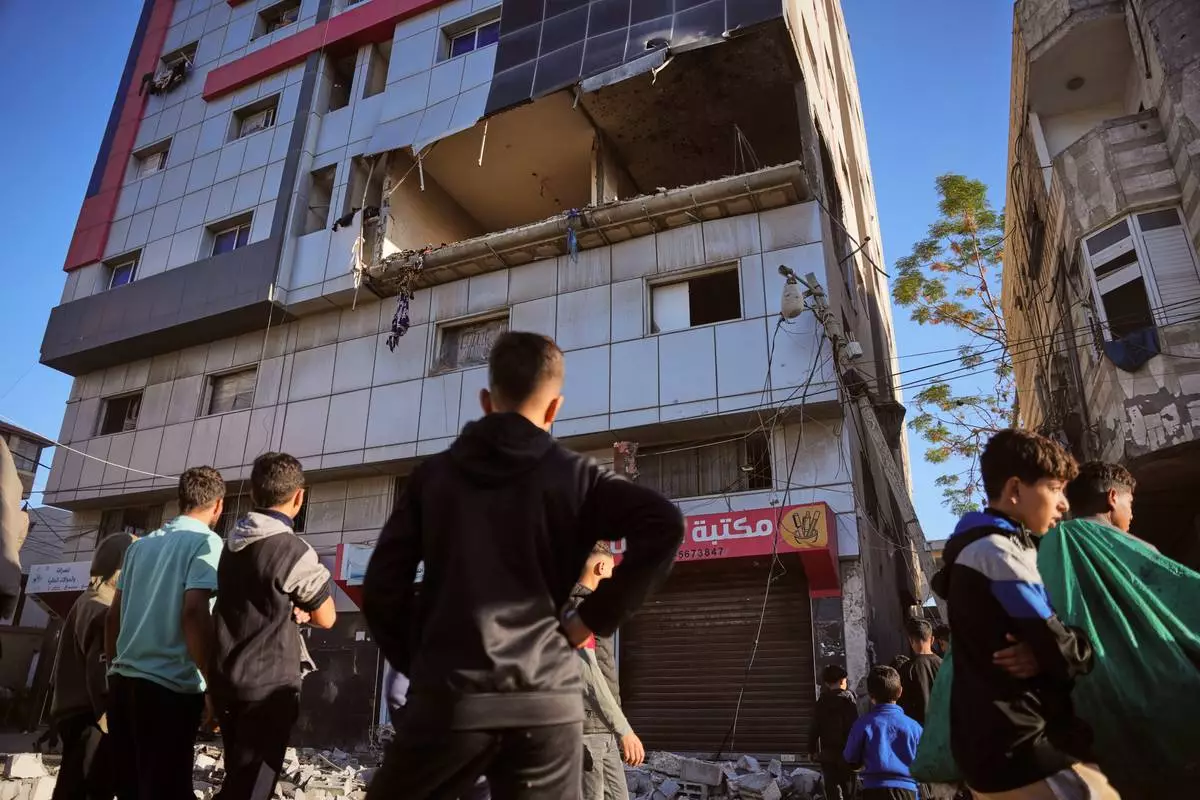
Palestinians gather outside an apartment building damaged in an overnight Israeli airstrike in Deir al-Balah, central Gaza Strip, Thursday, Nov. 26, 2026. (AP Photo/Abdel Kareem Hana)
FREETOWN, Sierra Leone (AP) — During her first two pregnancies, Fatmata Kamara could not afford ultrasound scans at a hospital in Sierra Leone’s capital, Freetown. By her third, she was receiving scans and medication and spending less time waiting to see a doctor.
But care that the government says should be free still came at a cost. Kamara said she spent 1,000 leones ($44) on medication and unofficial fees during her latest pregnancy.
“This pregnancy was different because of the attention I received at the hospital,” said the 28-year-old trader who gave birth to her third child last month at a health center in Freetown’s Mabela neighborhood. The services were "far better" than in the past, she said.
Kamara’s experience reflects both the progress and persistent challenges in Sierra Leone, which has recorded one of Africa's steepest declines in maternal mortality.
The country's maternal mortality ratio fell by nearly 80% from more than 1,600 deaths per 100,000 live births in 2000 to 354 in 2023, according to the latest available U.N. estimates.
The World Health Organization attributes Sierra Leone’s declining maternal mortality rate partly to expanded health services, the introduction of free maternal health care in 2010 and the training of more skilled birth attendants.
This story is part of a series on maternal mortality in sub-Saharan Africa, which has the world’s fastest-growing population and accounts for 70% of global maternal deaths. Around 180,000 maternal deaths are estimated to occur every year across the continent, along with the deaths of about 1 million newborns.
Launched by Sierra Leone's Health Minister Austin Demby in March 2026, “300 Days of Activism for Triple Zero” is a nationwide government initiative supported by the U.N. Population Fund and other development partners. It seeks to eliminate preventable maternal and child deaths and reach children who have missed routine vaccinations. The initiative combines efforts to encourage earlier treatment with improvements in supplies, staff training and community outreach.
Authorities have touted the campaign as successful. In its Oct. 30 update, the Health Ministry reported that maternal deaths fell 31.3% and child deaths fell 12.7% compared with the same period in 2025, citing data from hospitals. It also said more than 10,000 previously unvaccinated children had received vaccines.
The campaign’s effort to improve medicine supplies also addresses a problem Kamara’s family faced when her first daughter fell ill. The 2-year-old was staying with a relative outside Freetown when she was diagnosed with malaria at a hospital, Kamara said. But the family could not immediately obtain the prescribed medication, and the child died within three days of becoming ill.
“When I arrived, my child’s feet were all yellow. Her body was all pale,” Kamara recalled.
Kamara lives in Susan’s Bay, an impoverished neighborhood in central Freetown. Reaching the Princess Christian Maternity Hospital where she had an ultrasound sometimes required up to an hour's ride on a tricycle, depending on traffic, at a round-trip cost of 10 leones, about 44 cents.
Money is tight for the trader, whose husband is a moto-taxi driver. Their household of seven includes the couple, their two surviving children and relatives of her husband. Their first daughter died at age 2.
Before she stopped trading during her pregnancy, she sold seasonal fruit — mangoes, avocados, watermelon — to help support the family. She said she made 50 to 100 leones ($2 to $4) a day and sometimes nothing at all. It is from that money she had to pay for a scan and delivery at a health center, although both facilities said the services should have been free.
Kamara had attended eight prenatal visits when she spoke to The Associated Press during her pregnancy. Nurses in Mabela advised her to get an ultrasound after seven months.
But she remained wary of the hospital. She said mistrust and demands for money had contributed to her decision to deliver her second child at home.
Dr. Amadu Sesay, the hospital’s medical superintendent, said all available services for pregnant women and lactating mothers were free, and staff had been reminded of the policy in an official memo.
“The hospital doesn’t take such complaints lightly,” he said.
The health ministry acknowledged the harm caused by unofficial fees in a statement last month, saying "no patient should be denied, delayed or humiliated while seeking essential care because they cannot make an unofficial payment.”
Umu Fye, the midwife in charge of the antenatal unit at the Princess Christian Maternity Hospital, said it used to record a “really high number of (pregnancy-related) deaths” because it was the main referral facility in the city. Training now allows midwives to assess fetal heart rates and babies’ positions themselves, and three ultrasound machines were installed at the hospital in 2025, she said.
“There have been a lot of changes,” Fye said.
Dr. Francis Moses, the ministry official leading the campaign, said efforts include improving supplies of medicines and equipment, encouraging earlier treatment, expanding midwifery training and reaching local leaders.
But even reaching a hospital can be a challenge. Moses described a pregnant woman in the northern district of Falaba who died after the ambulance taking her to a hospital became stuck on a rough road. A second ambulance also got stuck. It was the third maternal death in similar circumstances this year, he said.
Victor Lansanah Koroma, who heads the advocacy group Health Alert, said too much emphasis falls on women’s delays in seeking help rather than the obstacles they encounter. A lack of transport, medicines and equipment can prevent treatment or discourage women from seeking it, he said.
Even inside hospitals, some surgeries have been performed by flashlight due to electricity cuts, Moses said.
Officials say the campaign received no dedicated funding and relied on existing government resources and support from partners even as donor funding dwindled. Earlier this month, the Chinese government and UNICEF donated medical supplies and equipment to Sierra Leone’s Health Ministry to support such initiatives.
For Fye, who has witnessed preventable deaths at the maternity hospital, the concern is whether improvements will last. She said more training is needed and worried about resources beyond the campaign.
For Kamara, the financial strain continued through delivery. Her family spent more than 500 leones ($22) on supplies the health center required them to bring, including soap and disinfectant, and were asked by nurses to pay another $22 as a tip, which they negotiated to a smaller amount.
Her husband was happy she had delivered safely. But Kamara worried about their other bills and told the nurses such costs were why women avoided health facilities.
She knew giving birth at the health center was safer, but she also had to consider what she could afford.
“If I give birth at home, I wouldn’t spend more than 300 (leones),” she said.
Banchereau reported from Dakar, Senegal.
The Associated Press receives financial support for global health and development coverage in Africa from the Gates Foundation. The AP is solely responsible for all content. Find AP’s standards for working with philanthropies, a list of supporters and funded coverage areas at AP.org.
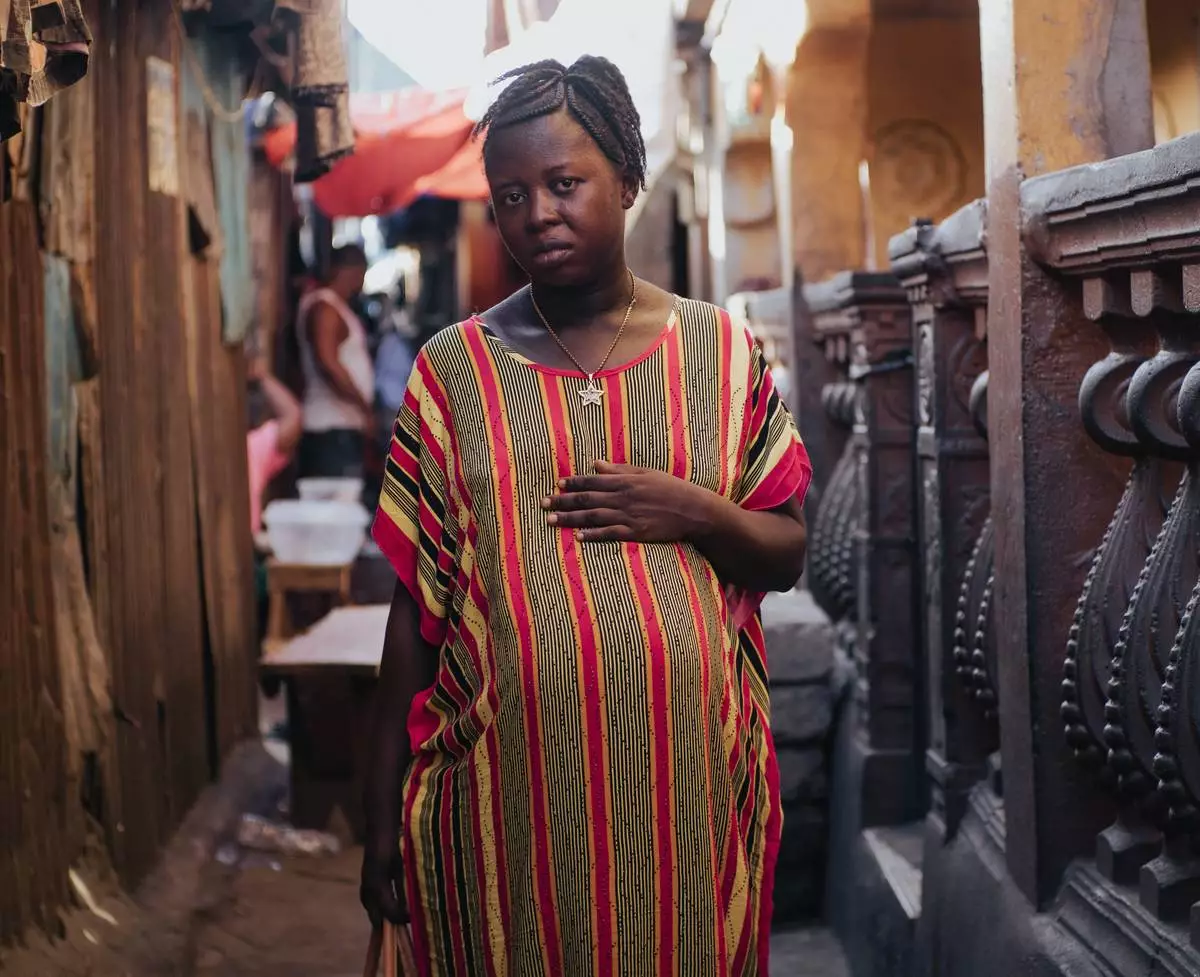
Fatmata Kamara, a pregnant woman, stands in her neighbourhood in Freetown, Sierra Leone, Thursday, Oct. 22, 2026. (AP Photo/Sulaiman Barrie)
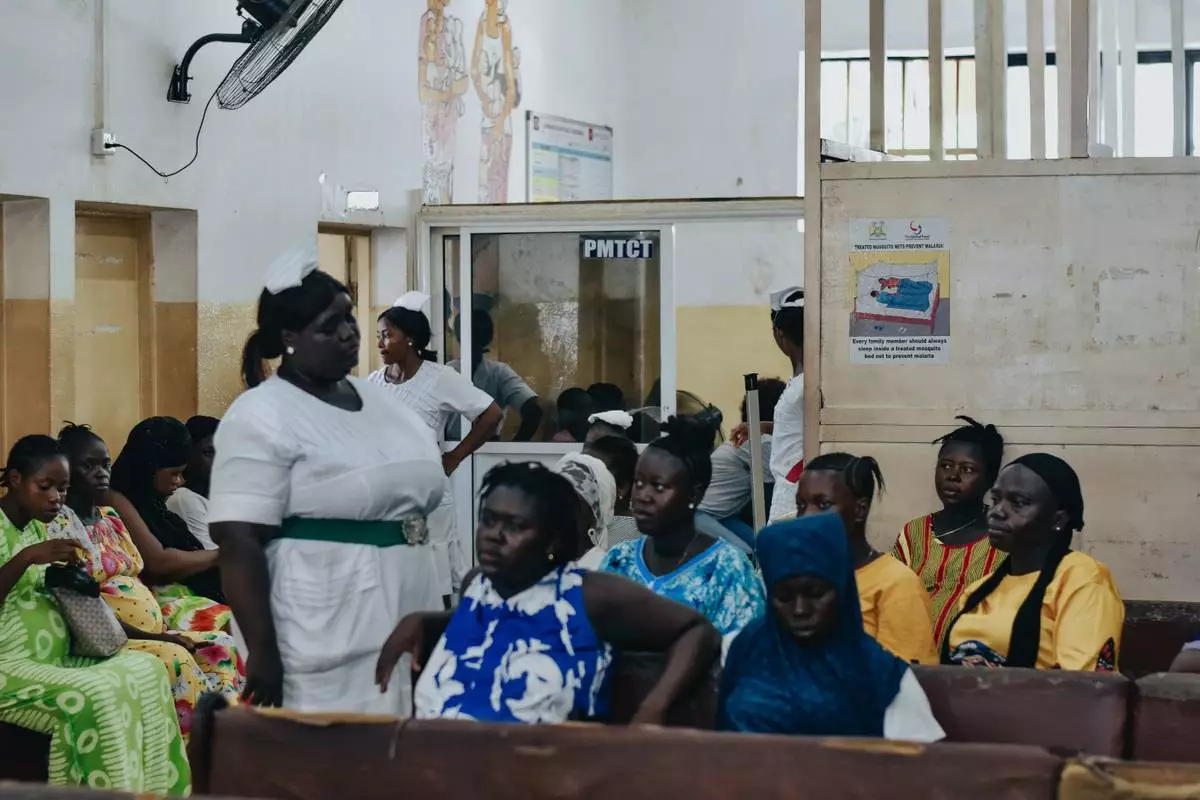
Pregnant women wait to receive antenatal care at a health facility where they receive maternal healthcare services, in Freetown, Sierra Leone, Thursday, Oct. 22, 2026. (AP Photo/Sulaiman Barrie)
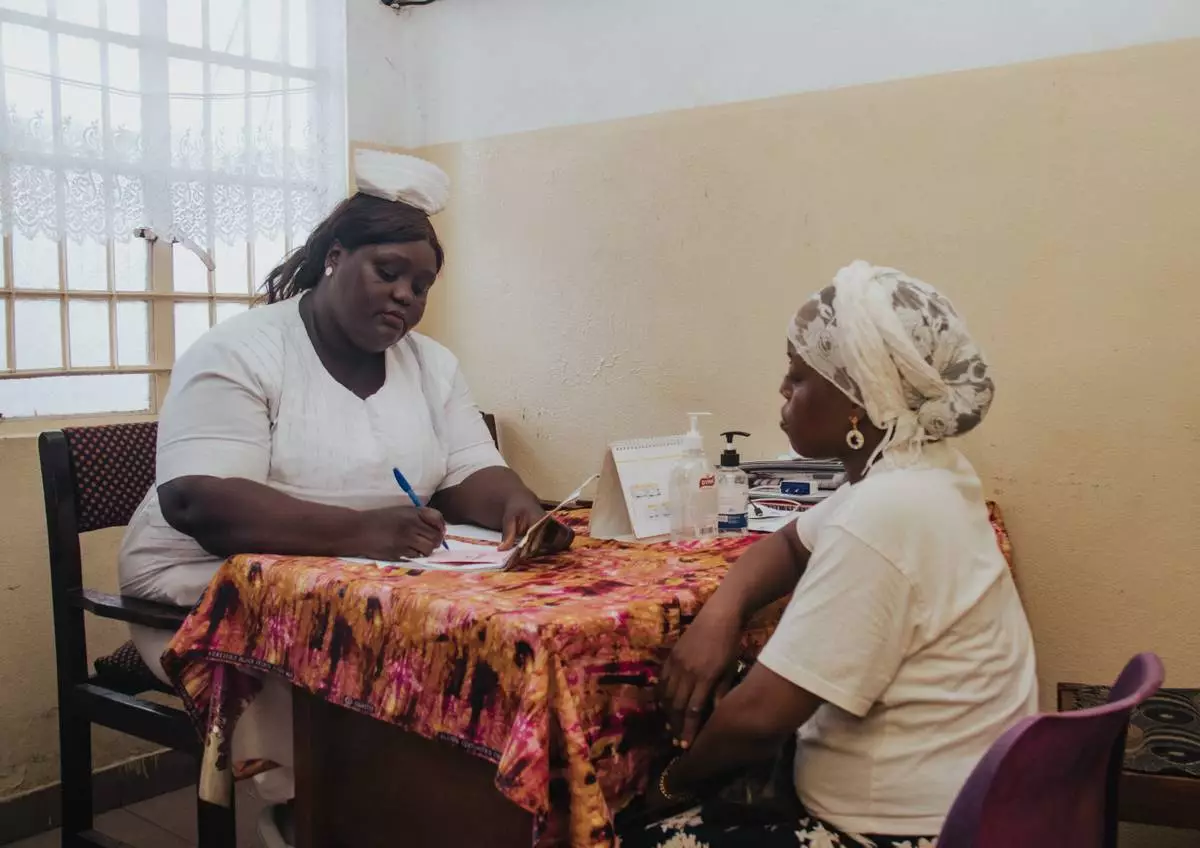
Nurse Umu Fye attends to a pregnant woman during an antenatal consultation at a health facility in Freetown, Sierra Leone, Thursday, Oct. 22, 2026. (AP Photo/Sulaiman Barrie)
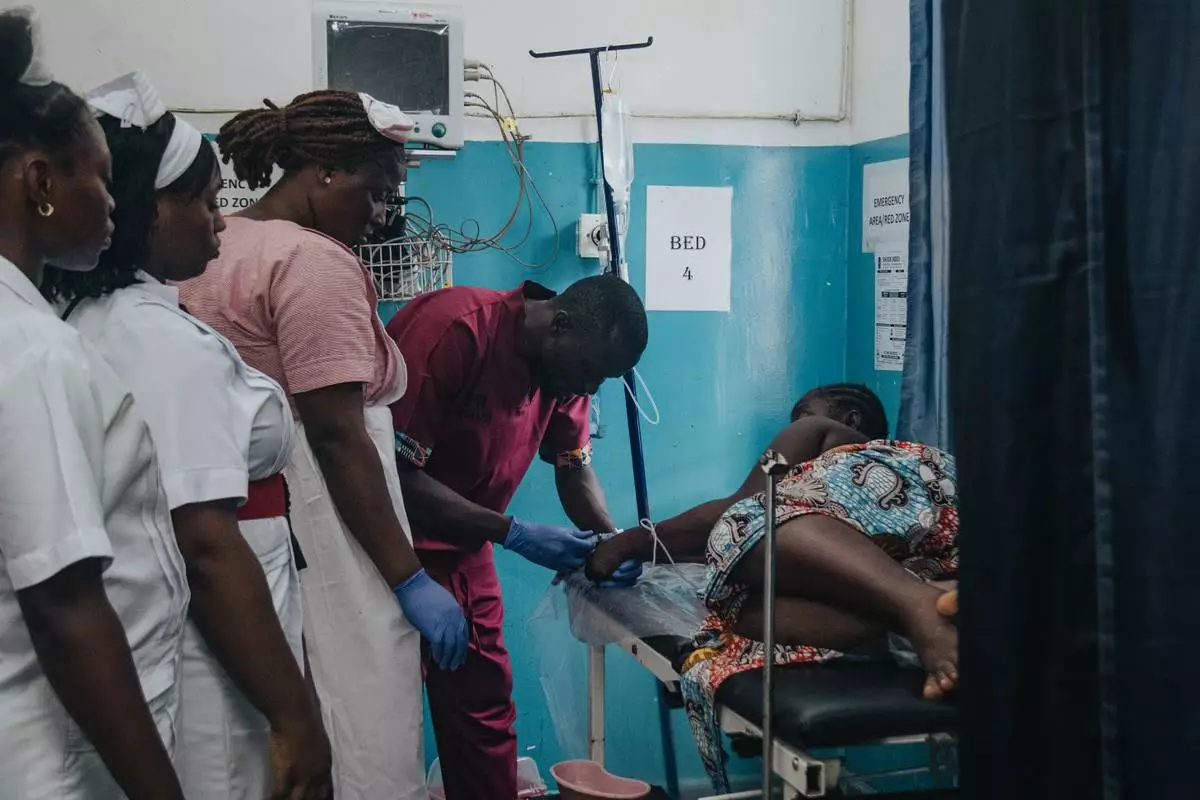
A medical officer and midwives examine a pregnant woman in the emergency maternity unit at a health facility in Freetown, Sierra Leone, Thursday, Oct. 22, 2026. (AP Photo/Sulaiman Barrie)
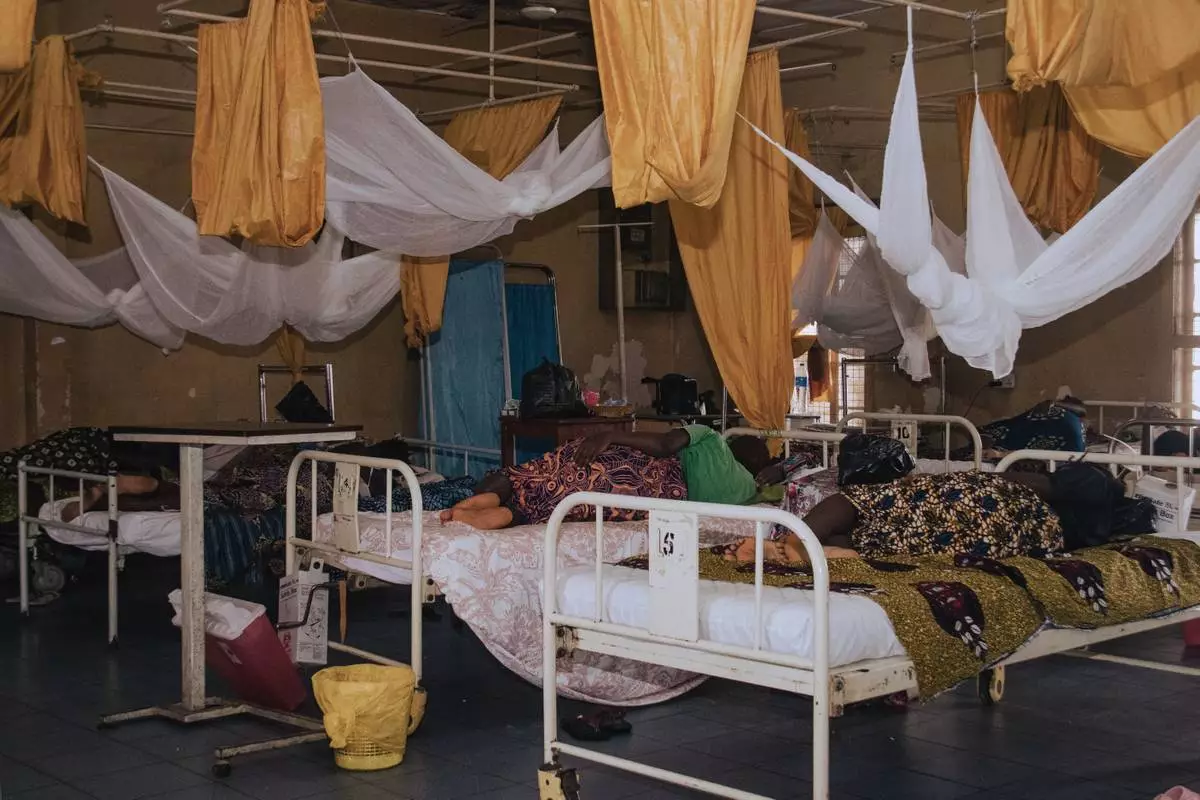
Pregnant women rest in a shared maternity ward at the Princess Christian Maternity Health facility in Freetown, Sierra Leone, Thursday, Oct. 22, 2026. (AP Photo/Sulaiman Barrie)
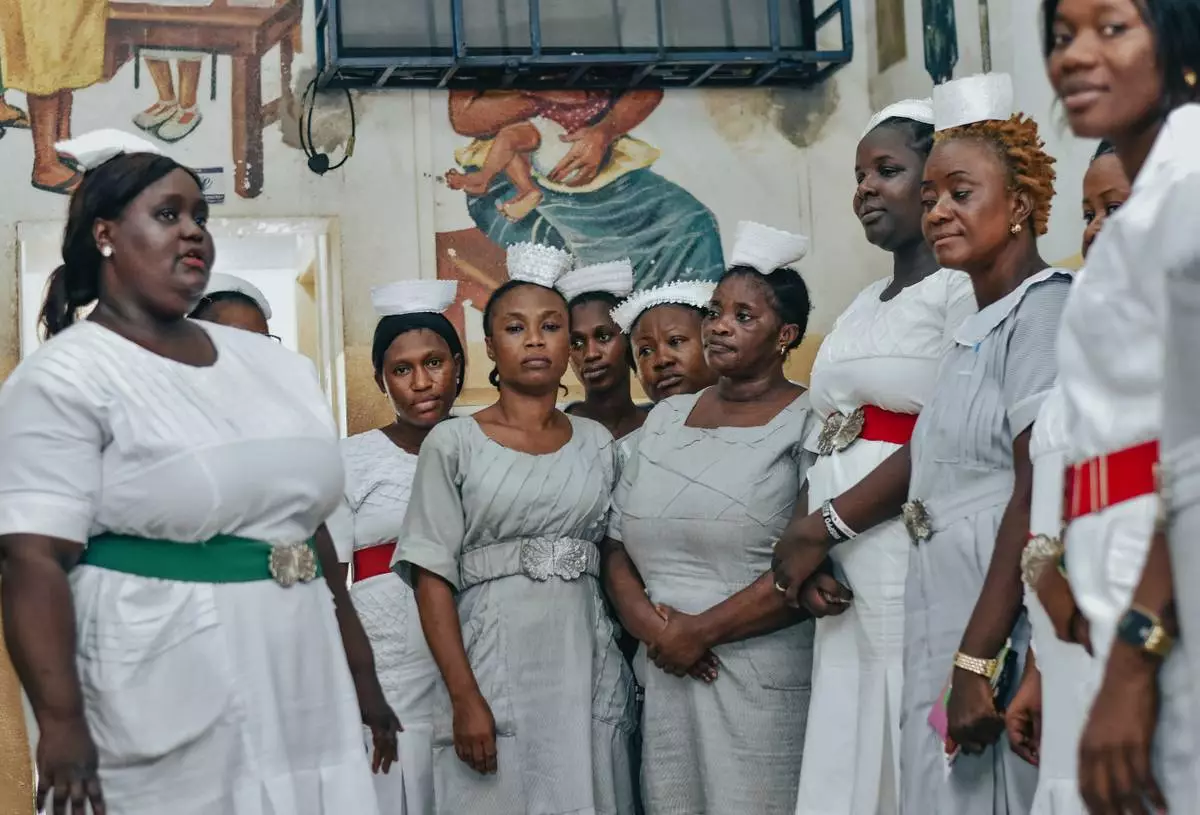
Healthcare workers gather inside an antenatal unit that provides maternal healthcare services at the Princess Christian Maternity Health facility in Freetown, Sierra Leone, Thursday, Oct. 22, 2026. (AP Photo/Sulaiman Barrie)