Power cuts are disrupting schoolwork and construction jobs in Yazd, central Iran, where residents turning to generators for backup electricity must also contend with the gasoline needed to run them.
Iran began rolling power cuts on Sunday after its national electricity company warned that fuel supply problems were forcing it to limit distribution. Outages could last up to two hours a day, depending on the area, the company said.
For Kian Arjmand, a 17-year-old high school student, the outages have disrupted homework and plans after school.
"No computer. I can't even do my schoolwork properly. And when I can't do my homework, the whole evening gets stressful - gym, piano, seeing friends. I just sit in the dark with my phone. If it has battery!" Arjmand said.
Tile worker Ahmad Nour faces a similar problem with his work. Without electricity, the tools he needs stop working, delaying jobs and complicating the expense of doing business.
"When the power goes, everything stops. The cutter, the grinder, the demolition hammer. I can't do anything. Two hours here, two hours in another project. It adds up. And I need to pay my assistant workers daily," Nour said.
The interruptions have left workers weighing how much they can finish before the next outage and whether they can afford to run a gasoline-powered generator. Iran has rationed subsidized gasoline for motorists through a fuel-card system since 2019, limiting how much they can buy at the lower price each month.
Reza Hosseini, a shopkeeper selling generators, said demand had picked up again after he expected it to fall at the end of summer.
"After summer, we thought demand would drop. We were wrong. People are buying again. Generators run on gasoline -- and gasoline is rationed now. Cars barely get enough. How are people supposed to fuel a generator?" Hosseini said.
Iranian President Masoud Pezeshkian has warned of energy supply difficulties this winter, saying U.S. and Israeli attacks on Iran's energy facilities have worsened the situation. Despite its large oil and gas reserves, Iran has faced recurring power shortages in recent years amid fuel shortages and aging infrastructure.
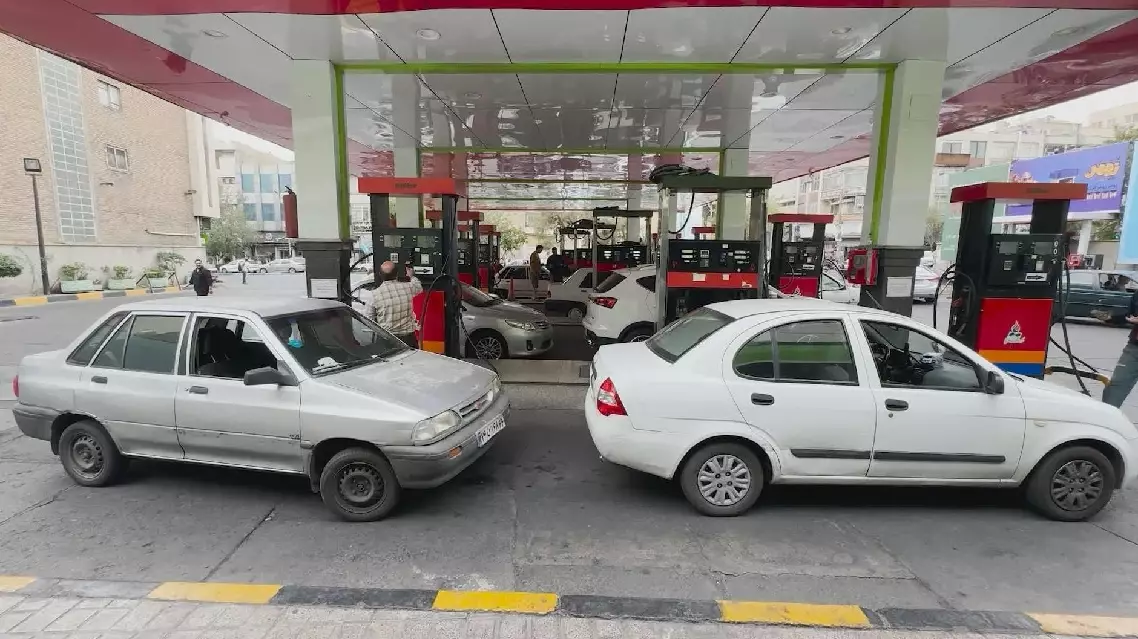
Iran power cuts disrupt work, school as gasoline rationing complicates backup
China's Ministry of National Defense (MND) on Thursday urged Japan to comprehensively accelerate the disposal of its abandoned chemical weapons (ACWs) in China and fulfill its historical, political, and legal responsibilities.
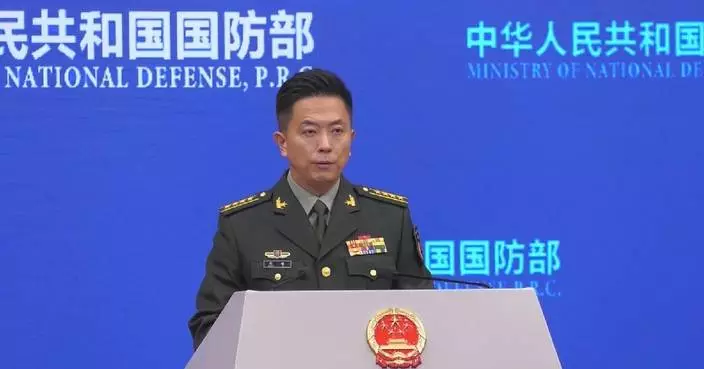
Chen Xi, spokesman for the MND made the remarks at a regular press conference on Thursday in response to a media query regarding the documentary Return Our Clean Land.
Released by China on Monday and screened during the Conference of the States Parties to the Chemical Weapons Convention (CSP-31), which is taking place in The Hague from Monday to Friday, the film has drawn analysis pointing out that Japan's repeated delays under various pretexts have left large quantities of ACWs unaddressed to this day.
"This year marks the 80th year of the opening of the Tokyo Trial and the 29th year of the entry into force of the Chemical Weapons Convention. During World War II, the invading Japanese forces developed and used chemical weapons against the Chinese people, committing untold crimes against humanity. The documentary Return Our Clean Land draws on extensive historical materials, witness testimonies, and reflections and confessions made by Japanese personnel. It recreates the heinous crimes of Japanese aggressors, reveals the lasting harm caused by Japan's ACWs, and underlines that the complete and thorough destruction of Japanese ACWs is a historical, political and legal responsibility that Japan must not shirk," Chen said.
The spokesman also criticized the Japanese government's passive approach and refuted fallacies spread by Japanese right-wing forces in an attempt to evade accountability.
"The Japanese government has long been passive and perfunctory on the issue of its ACWs, delaying the destruction process under various pretexts. Its political commitment to 'complete and thorough destruction at an early date' risks becoming an empty promise. Worse still, Japanese right-wing forces, in defiance of international justice and human conscience, blatantly claim that the ACWs have gradually become 'not harmful' and that 'the legal statutes of limitations for liability have passed'. If Japan is unwilling to clean up the chemical weapons left behind during its aggression against China, how can it thoroughly root out the legacy of militarism? Historical crimes must not be evaded, and responsibilities and obligations must not be shunned. We urge the Japanese side to provide effective information on burial sites as soon as possible, invest more human resources, and accelerate the disposal process, so that the day will come sooner when the hazardous Japanese ACWs are destroyed completely and thoroughly, and the Chinese people can live on a clean land," he said.
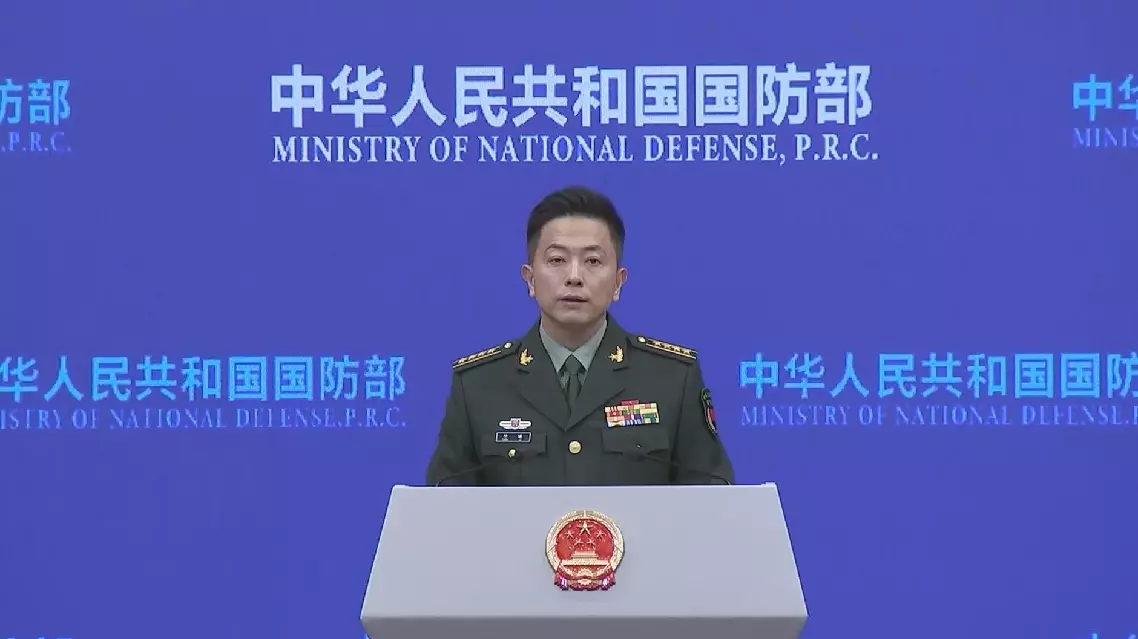
China's defense ministry urges Japan to accelerate destruction of abandoned chemical weapons