Displaced families in Syria urgently need heating fuel, food and medical care after heavy rain and flooding since late October damaged tents and relief supplies dried up, residents said.
Over 5.69 million internally displaced people (IDPs) remained in Syria as of late August, about 40 percent of them children, according to UN data.
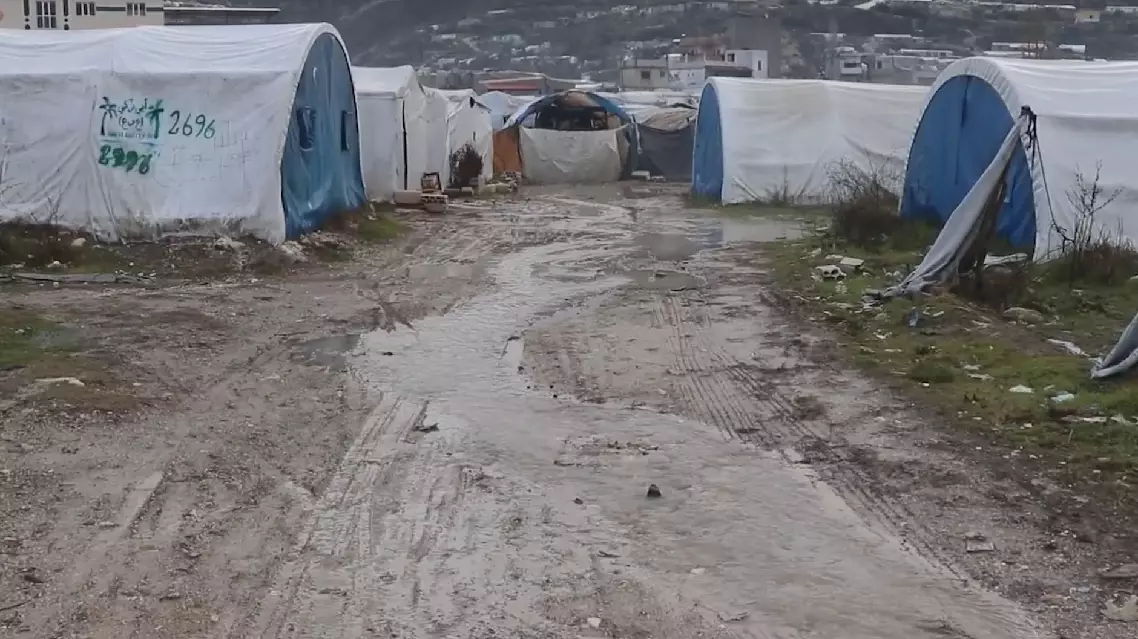
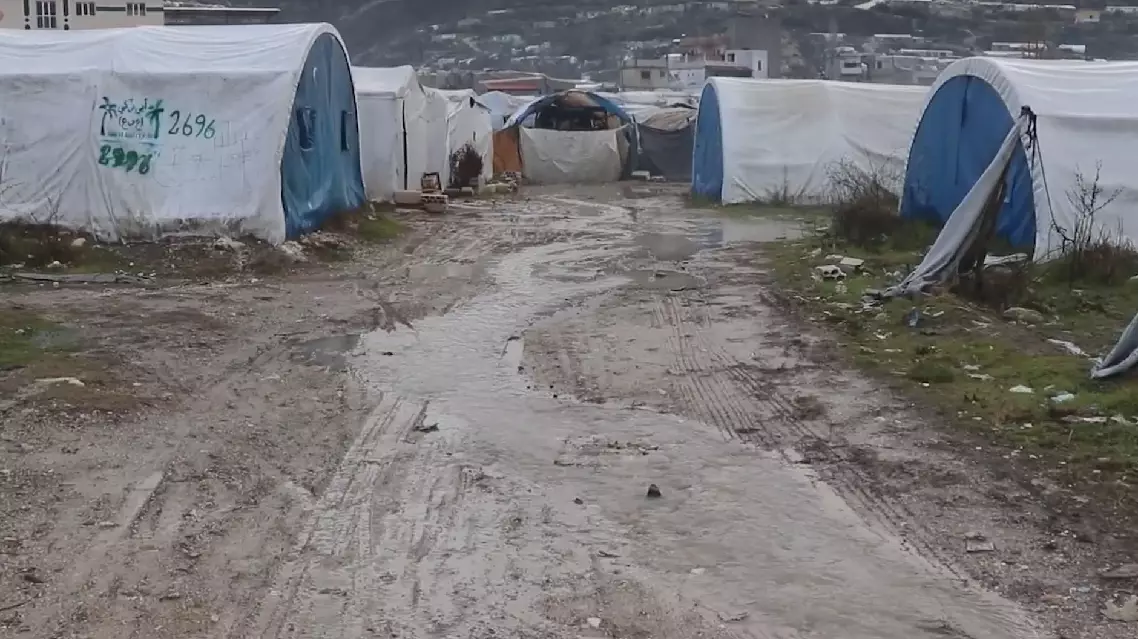
In an IDP camp in Al-Hasakah, northeastern Syria, heavy rainfall and flooding since late October have damaged tents, leaving displaced residents struggling to stay warm as winter approaches. Lacking heating, warm clothes, and medical care, children in the camp face severe health risks. According to Faisal al-Ashmar, a displaced person, a six-month-old infant froze to death last month, showing how sudden temperature drops can turn fatal for tent dwelling families.
"In previous years, we could get fuel for heating when winter came, but this year there's nothing and no food is distributed. The only thing we can get here is water. We can only keep warm by burning wood, old tires or nylon products. To keep warm, we burn whatever we can find. Because we didn't keep the child warm, the child has already caught a cold and had a fever. Now, we can only use a wet towel to help him cool down," said Al-Ashmar.
That lack of basic supplies, from heating fuel to food and medical care, is echoed across the camp, where residents say relief has virtually dried up as winter sets in.
"This place is like a wilderness with no assistance at all. There's nothing except drinking water. We live in tents and don't even have fuel for heating," said Hussam Hassan, another displaced person.
According to the 2026–2027 Winter Vulnerability Analysis released by the UN Office for the Coordination of Humanitarian Affairs (OCHA), more than 2.4 million people in Syria require winter assistance as displacement sites remain exposed to severe weather, including heavy rainfall, snowstorms, flooding, subzero temperatures, and strong winds.
All 1,074 displacement sites nationwide face varying levels of winter related risks, according to the Camp Coordination and Camp Management sector. OCHA noted that of these sites, 975 are prone to flooding, with 687 facing very high or extreme risks, including two classified at catastrophic risk.
Heavy rains in late October 2026 triggered flash floods across Al-Hasakah and Ar-Raqqa, damaging critical infrastructure, especially inside displacement camps. The flooding forced 375 families to evacuate three camps in rural Ar-Raqqa and damaged tents in Al-Hasakah, while washed-out bridges cut off access to affected areas.
For these families, an end to displacement remains far out of reach. For now, their most urgent wish is simply a roof over their heads and enough food and fuel to survive the winter.
Syrian IDPs face severe winter hardships following heavy floods
Syrian IDPs face severe winter hardships following heavy floods