Skip to Content Facebook Feature Image

Japan's abandoned chemical weapons pose long-term threat to health, environment: experts

China

China

China

Japan's abandoned chemical weapons pose long-term threat to health, environment: experts

2026-11-27 18:52 Last Updated At:21:12

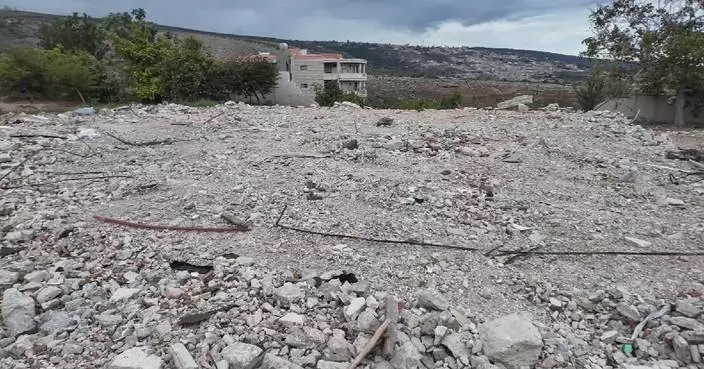
With long persistence, concealment and extreme hazardousness, the chemical weapons abandoned in China by the Japanese military during the war of aggression on China (1931-1945) keep posing serious threats to the lives and property of the Chinese people and the safety of the ecological environment, according to Chinese experts.

During the war of aggression, particularly World War II, in blatant violation of international law, the Japanese army launched horrendous bacterial and chemical warfares against the Chinese, committing heinous crimes against humanity during their aggression against China.

There are exact records of time, location and casualties on more than 1,200 times of Japan's planned and systematic uses of chemical weapons, which caused over 200,000 military and civilian casualties in China during the war.

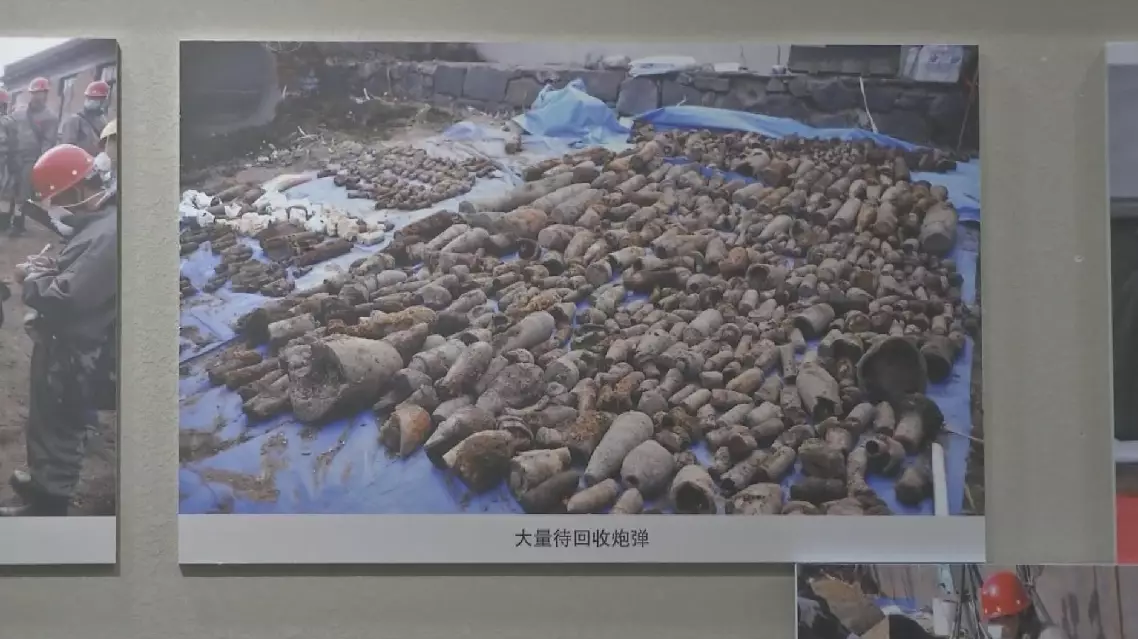
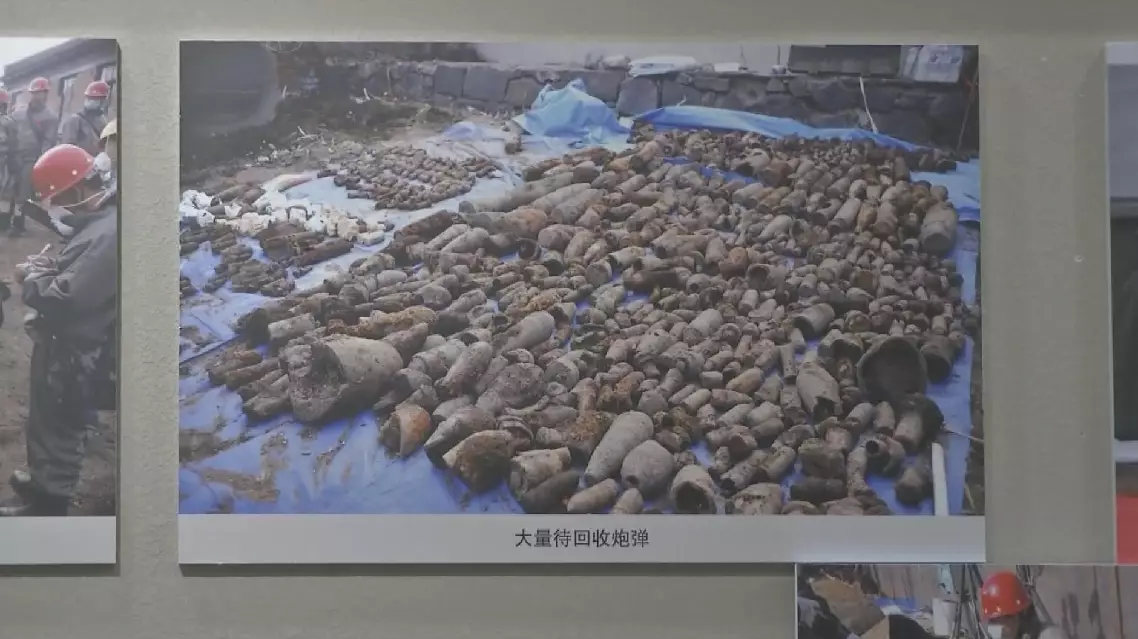
Before Japan's defeat in 1945, the Japanese army dumped large quantities of unused chemical weapons into China's water bodies and forests.

"More than 190,000 rounds of chemical weapons munitions abandoned by Japan have been recovered at over 200 sites in 18 provincial-level regions across China. These 190,000 rounds are only a small part of the total," said Li Yan, an expert on disposal of Japan's abandoned chemical weapons.

As these toxic chemical munitions have been buried for a long time and are widely distributed, their excavation and disposal face severe challenges.

"Chemical weapons are characterized by their long-term persistence, concealment and extreme hazardousness. In terms of long-term persistence, they were produced a long time ago and have been buried and hidden in underground soil and water bodies for over 80 years. Their shells carry a huge risk of rupture. Once the chemical agents leak, they will have enormous impacts on the lives of local people and on ecological security," said Che Yong, former deputy director of the office for disposal of Japanese abandoned chemical weapons in the Yanbian Korean Autonomous Prefecture of northeast China's Jilin Province.
Japan's abandoned chemical weapons pose long-term threat to health, environment: experts
Japan's abandoned chemical weapons pose long-term threat to health, environment: experts


Japan's abandoned chemical weapons pose long-term threat to health, environment: experts

Japan's abandoned chemical weapons pose long-term threat to health, environment: experts

Spain is heading into Sunday's snap general election with a deepening housing crisis at the center of the vote, following street protests and the country's first general strike in 14 years over soaring rents and stagnant wages.

In major cities such as Barcelona, workers say stagnant wages simply cannot keep up with the soaring cost of rent.

"It's very expensive; for example, in the apartment where I live, my brother and I live together and we pay 1,400 euros a month. So I think salaries in Spain aren't enough to cover that kind of cost. That's why people are so upset. That's why there are so many strikes and everything. Because, quite frankly, these prices are excessive—far more than the local population can afford," said Richmari Gonzalez, a Barcelona resident.

Here, an average one-bedroom apartment tops 1,500 euros a month, which is 60 to 80 percent of a typical take-home salary, forcing many to share a flat.

"Even raising salaries, it's impossible to rent an apartment because apartments are valued at over 1,500 or 1,400... You earn money just to pay the rent," said Sissi, another Barcelona resident.

In terms of saving, Sissi added that she thought it would take a very long time to get a down payment together, and that it was humanly impossible.

That anger fueled Spain's first general strike in 14 years, as tenants demanded urgent state intervention.

Yet buyers and landlords warn strict rental rules are backfiring, pushing owners to pull properties off the market altogether.

"The current government under [Spanish Prime Minister Pedro] Sanchez have brought in a lot of restrictions around landlords letting. So basically, a lot of the laws really favor now the tenants. And evictions or asking people to leave your property is becoming very very difficult in Spain," said Gary Johnson, a business owner and prospective buyer.

That standoff defines the stakes of Sunday's vote. Now voters must choose between Sanchez's push for tighter rent controls and tenant protections, or a right wing block promising deregulation to boost supply.

Housing crisis dominates Spain's snap election after first general strike in 14 years

Housing crisis dominates Spain's snap election after first general strike in 14 years

Housing crisis dominates Spain's snap election after first general strike in 14 years

Housing crisis dominates Spain's snap election after first general strike in 14 years

Recommended Articles