Japanese academics are sounding alarm over the government's use of pop culture formats to promote its dangerous security policy overhauls to the public, as Tokyo prepares to revise the country's core security documents by the end of the year and advance further military expansion.
According to recent Japanese media reports, the government is set to reverse its three foundational security documents by the end of 2026, including considering to make exceptions to Japan's longstanding Non-Nuclear Principles as part of a broader push for military buildup.
The proposed policy shift has triggered public protests across the country, prompting the government to roll out a series of promotional campaigns to build support for the unsettling revisions to its national security strategy.
Its tactics include framing controversial security policy messaging through lighthearted entertainment such as a comic-style comedian couple, and a widely-criticized collaboration with Naokiman, a YouTube influencer known for posting conspiracy theory content, to run a national security public relations campaign on the government's official Government Public Relations Online portal.
Sato Heigo, director of the Institute of International Affairs at Takushoku University, argue the campaigns are intended to intensify public indoctrination around security issues.
By prompting public perceptions of risk, the government wishes to justify its attempt to increase military spending with higher public acceptance, said the scholar.
"In Japan, the vast majority of the people have always believed that thanks to the pacifism advocated by the constitution that the country has been able to free itself from war for a long time and to maintain peace. Without building a certain level of shared sense of crisis among the public, increased military spending will never gain domestic acceptance," he said.
Sato warned that the government is capitalizing on information cocoons to narrow public discourse, trapping the public in narrow information feeds and one-sided viewpoints, a dynamic he described as deeply concerning.
"A major problem in today's society is the so-called 'straw piping' effect, where people only gain information from sources they already agree with. Popular, fast-rising YouTuber channels reach massive audiences. People lose access to alternative perspectives when those channels only amplify views aligned with the government's agenda. This is a trend we should absolutely prevent," Sato explained.
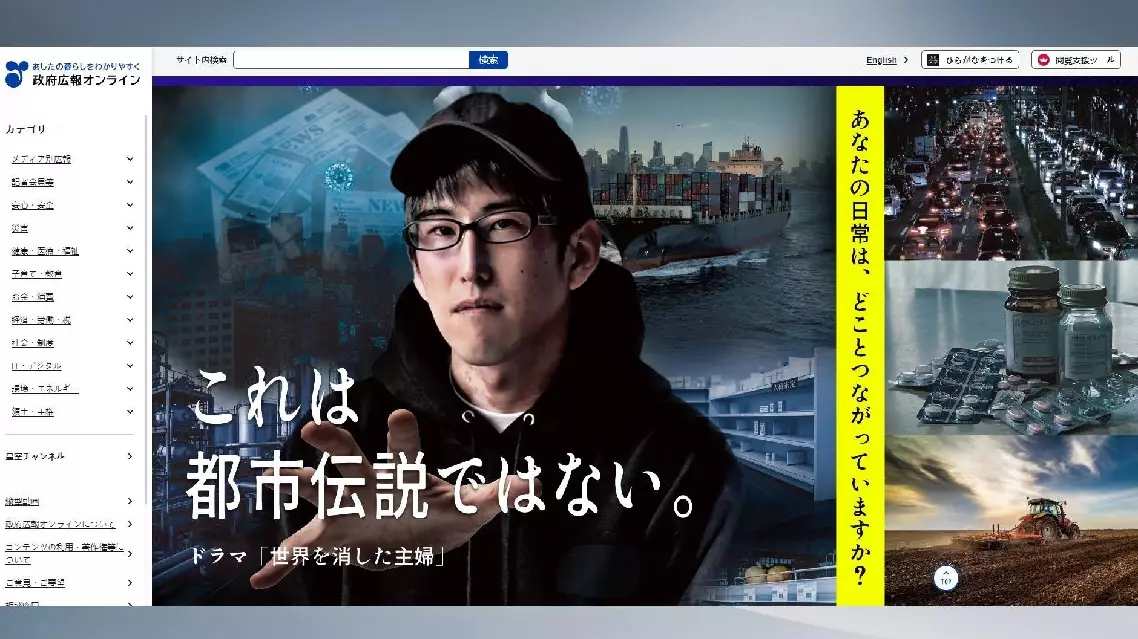
Japanese scholar warn of entertainment-fueled security propaganda as Japan pushes military expansion