China's 2026 year-end film season officially opened on Nov 27 and runs through Dec 31, with more than 50 domestic and imported titles scheduled for release, spanning animation, comedy, suspense, family drama, and sci-fi to appeal to a wide range of audiences.
The domestic release includes the animated film "Journey to the West: The True and False Monkey King", which brings a beloved episode from one of China's most celebrated fantasy novels to the big screen. The Monkey King reunites on the pilgrimage with Six Ears, his sworn brother from five hundred years earlier, and the two become embroiled in an unexpected showdown. The feature film "The Sound of Malan Flowers Blooming", based on a true story, follows children from deep in the mountains as they make their way to the stage and raise their voices in song. "Live Long", adapted from a real-life story, chronicles a young couple who, when fate delivers a sudden blow, face their ordeal with love and optimism, and confront life's uncertainties with sincerity and courage. On the imported side, the U.S. superhero movie "Avengers: Doomsday" opens on the Chinese mainland on Dec 16, two days ahead of its North American debut, while the sci-fi epic "Dune: Part Three" is set for release on New Year's Eve (Dec 31).
"Overseas studios have come to better appreciate its importance. Consequently, we now see films released simultaneously, or even earlier, in China. This indicates that these studios have come to view a Chinese premiere as a vital component of their global marketing and distribution strategy," said Wu Jianxun, a faculty member at the School of Arts and Communication of Beijing Normal University.
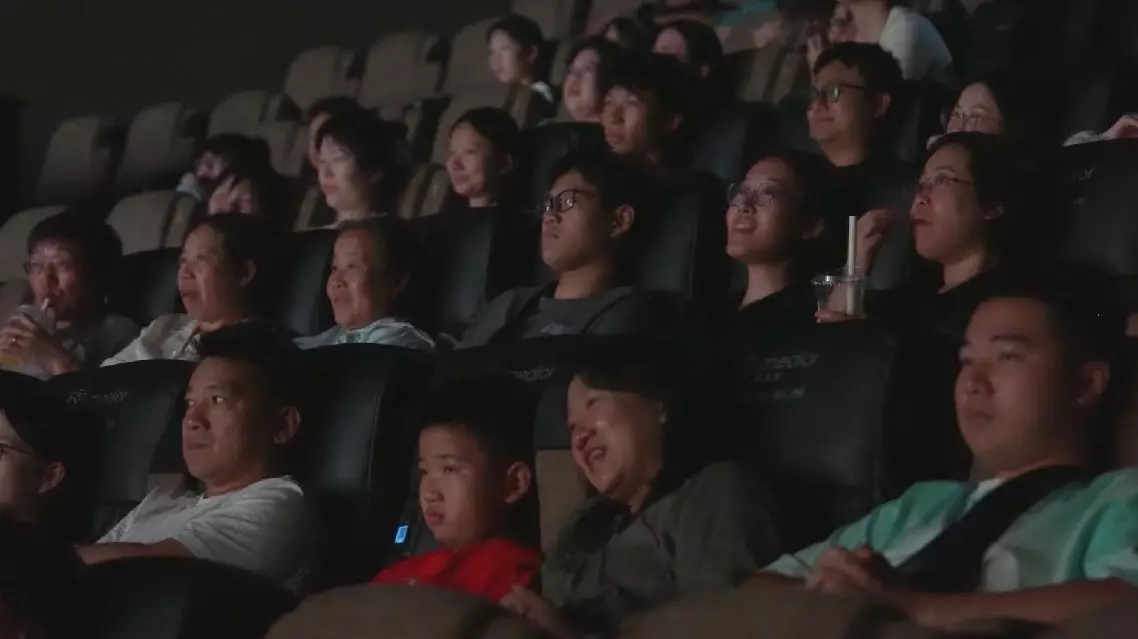
Over 50 domestic, imported titles set for China's 2026 year-end film season
A group of Japanese peace activists rallied in Tokyo on Friday to protest against the government's latest military buildup moves and defense spending hikes, warning that Japan's militarist turn will further constrain the scope of social welfare improvement.
Taking to the streets in Tokyo's bustling Shibuya district, the protesters accused Japan's recent constitutional revision and defense spending hikes of leading to a decline in living standards, urging the government to prioritize public needs with limited fiscal resources.
"In any case, Japan's defense spending is set to rise sharply from now on. To fund this budget, the government will inevitably push for further tax hikes. In addition, the Japanese government is also lifting restrictions on arms exports, allowing the export of lethal weapons. I believe these moves aim to transform Japan into a country capable of waging war," said a protester.
"If the government puts tens of trillions of yen into defense spending, our livelihoods and social welfare will be seriously affected. That is why we firmly oppose the move," said another protester.
"Prices are soaring and people's lives are getting harder. I believe this is not the right time at all to put more money into defense spending," said a protester.
The protesters also urged the government to reflect on its history of aggression during World War II and give up its re-militarization attempt.
"During the wartime, Japan launched its invasion of China and other Asian countries, which started in the 1930s. It is with this history in mind that I oppose war and the administration led by Prime Minister Sanae Takaichi," said a protester.
The Japanese government is considering revising its Three Principles on Transfer of Defense Equipment and Technology, possibly removing an explicit reference to the Three Non-Nuclear Principles from the document's preamble, among other changes, the Asahi Shimbun reported on Nov 24.
The Three Principles on Transfer of Defense Equipment and Technology lay out rules governing Japan's arms exports. In April this year, the government revised the principles and their implementation guidelines through a cabinet resolution, allowing the export of lethal weapons in principle.
The Japanese government is considering a significant increase in defense spending over the next five years, with plans to raise the total defense budget for fiscal 2027 through 2031 to 60 trillion yen (about 376 billion U.S. dollars) when it revises the three key security documents, Kyodo News reported on Nov 15.
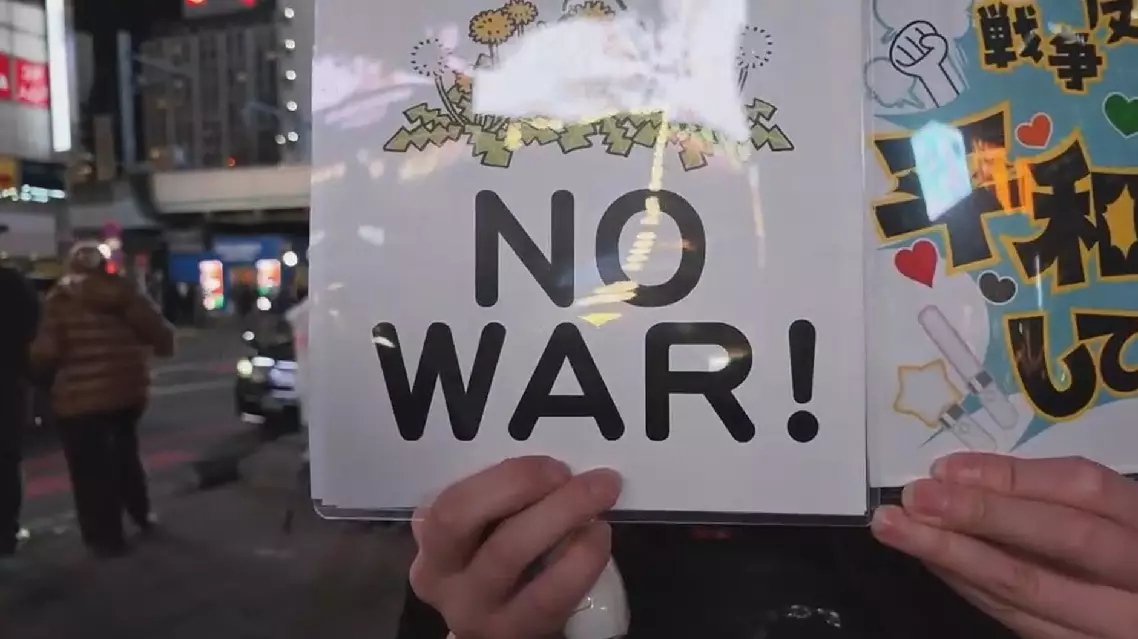
Japanese activists rally in Tokyo against government's military buildup