This most sacrificing love!
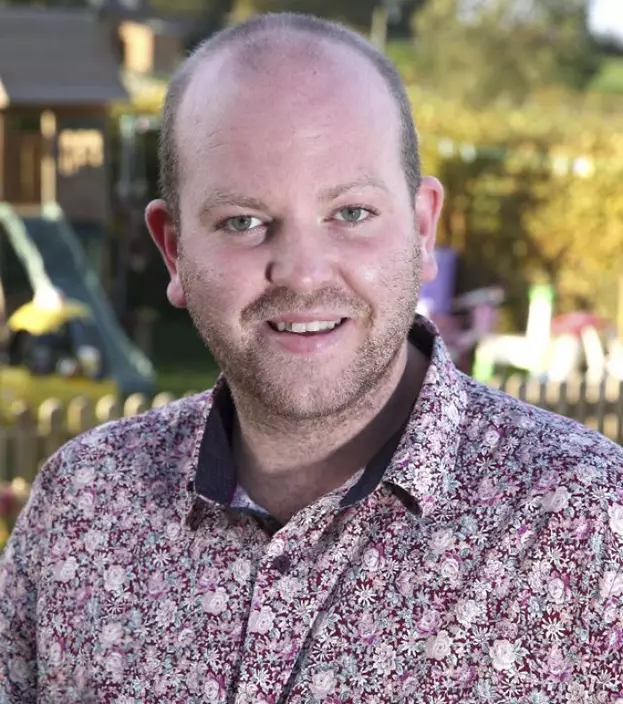
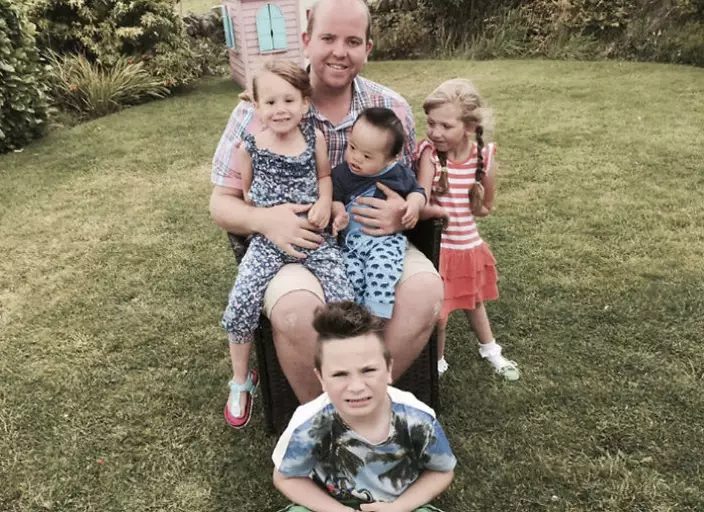
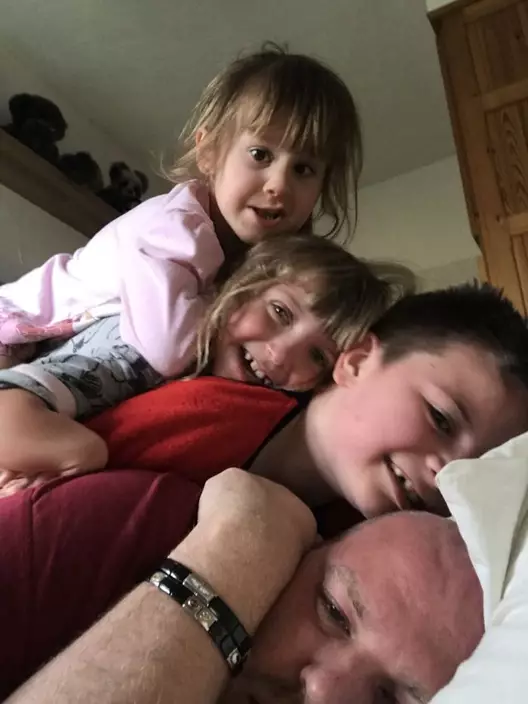
A 33-year-old kind-hearted single man, Benjamin Carpenter, from Shepley, West Yorkshire, has been named "Super Dad" in the UK after adopting four disabled children, hoping them to grow in a better world.
Click to Gallery
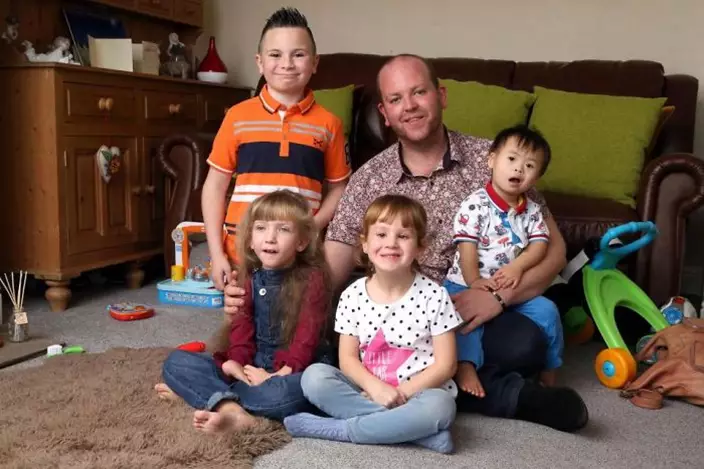
10-years-old Jack has autism and OCD. (Online photo)
6-year-old Ruby has mobility issues and physical disabilities
Ruby’s biological half-sister, Lilly, 5-year-old, is deaf and severely impaired. (Online photo)
2-year-old Joseph has Down’s syndrome and many complex needs associated with it. (Online photo)
Benjamin was announced as an Adopter Champion of the Year in 2015. (Online photo)
Online photo
Online photo
Benjamin admits that he wanted to be a parent from a very young age. "Growing up within a religious family I always had a caring disposition instilled in me, adoption was always at the forefront of my mind as having biological children was never a priority for me," he said.
Online photo
He said children with an additional need could often be overlooked, in lots of cases be classed as "hard to place". However, he totally accepted that not everyone can care for them and said he was true to himself when on the adoption journey about the type of children he felt best for him and his family.
Benjamin had his first adoption child, Jack, ten years ago. Jack is now 10 and has autism and OCD while three other children Ruby, Lilly, and Joseph, are 6, 5, and 2 respectively.
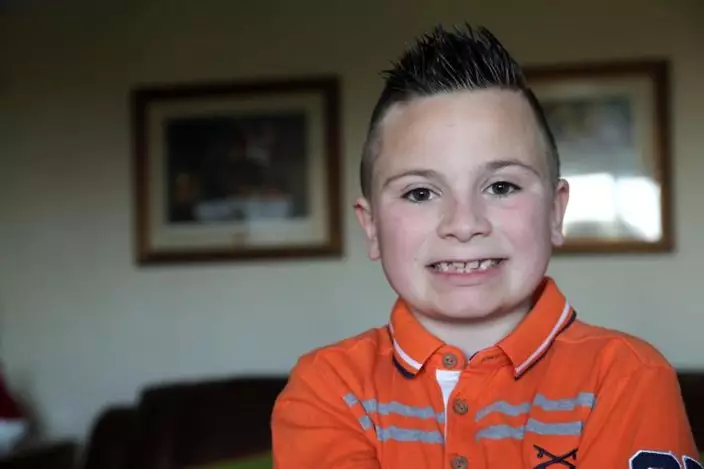
10-years-old Jack has autism and OCD. (Online photo)
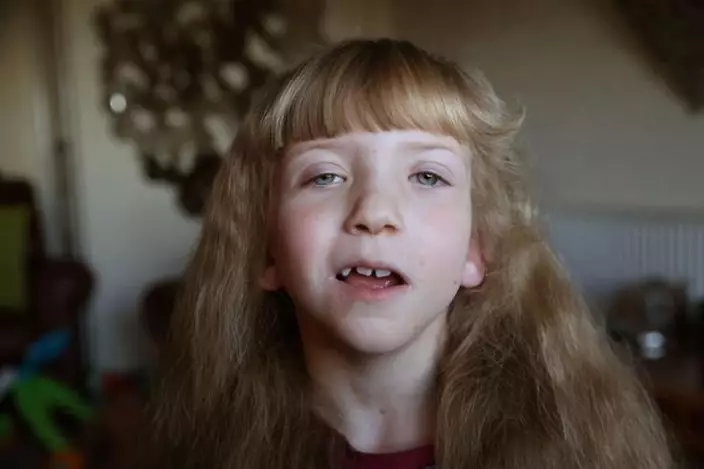
6-year-old Ruby has mobility issues and physical disabilities

Ruby’s biological half-sister, Lilly, 5-year-old, is deaf and severely impaired. (Online photo)
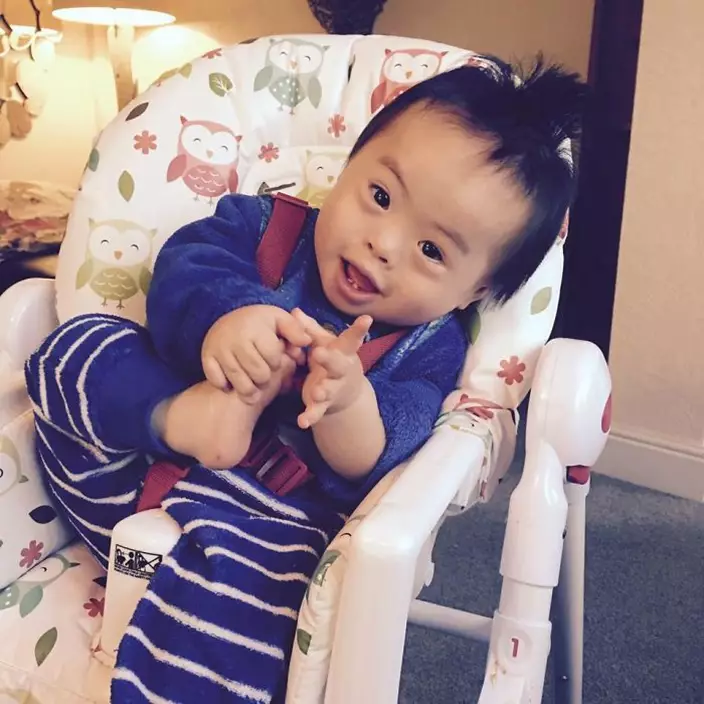
2-year-old Joseph has Down’s syndrome and many complex needs associated with it. (Online photo)
Ruby has mobility issues and physical disabilities and her biological half-sister is deaf and severely impaired while the youngest child Joseph has Down’s syndrome and many complex needs associated with it.
Not only Benjamin but also his family is required to spent most of the time and effort to take care of the children and the most touching part is the whole family has learned British Sign Language (BSL) in order to communicate effectively with her.
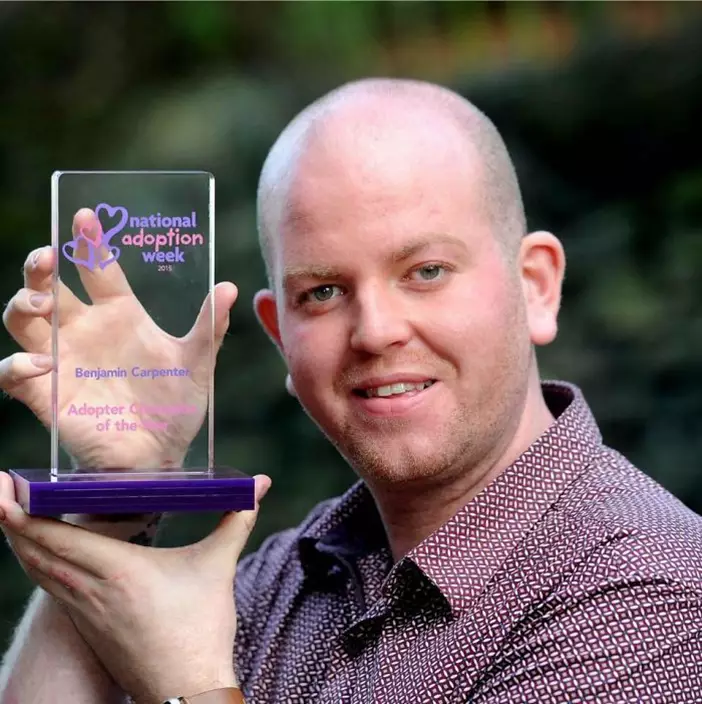
Benjamin was announced as an Adopter Champion of the Year in 2015. (Online photo)
Online photo
He took three years to persuade authorities about his adoptions and he is now one of the youngest gay men in his country to adopt a child.
Like other normal parents, Benjamin struggles and hears lots of opinions about how to be a single gay father.
"I often get passing comments like 'it’s not right' and 'because you are gay then all of the children will be gay then won’t they' other comments I get are he must be doing it for money?" says Ben. "To me, they are just comments I can handle it. I do find myself correcting silly naive comments. In all honesty 70% of the time, they do see sense once it’s explained to them."
Online photo
Online photo
Benjamin has the idea to adopt the fifth child. "For me, all my children bring me the absolute joy! I wake up in the morning and think what would my life be like without children? I know it would be empty that’s for sure!" he said.
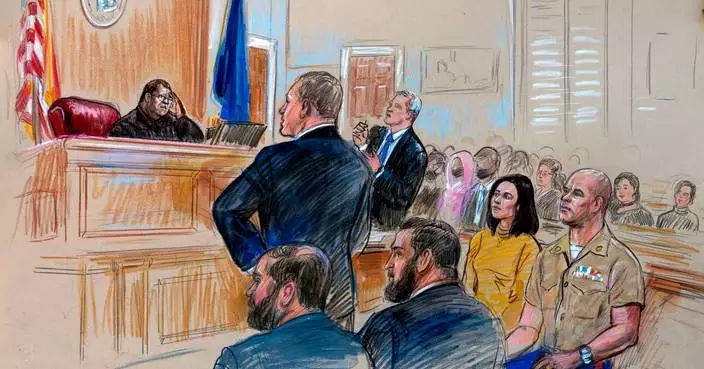
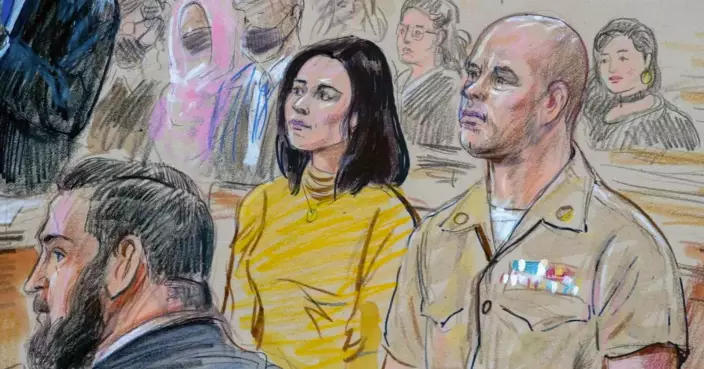
The Virginia Supreme Court ruled Thursday that a U.S. Marine and his wife will keep an Afghan orphan they brought home in defiance of a U.S. government decision to reunite her with her Afghan family. The decision likely ends a bitter, yearslong legal battle over the girl's fate.
In 2020, a judge in Fluvanna County, Virginia, granted Joshua and Stephanie Mast an adoption of the child, who was then 7,000 miles away in Afghanistan living with a family the Afghan government decided were her relatives.
Four justices on the Virginia Supreme Court on Thursday signed onto an opinion reversing two lower courts’ rulings that found the adoption was so flawed it was void from the moment it was issued.
The justices wrote that a Virginia law that cements adoption orders after six months bars the child’s Afghan relatives from challenging the court, no matter how flawed its orders and even if the adoption was obtained by fraud.
Three justices issued a scathing dissent, calling what happened in this court “wrong,” “cancerous” and “like a house built on a rotten foundation.”
An attorney for the Masts declined to comment, citing an order from the circuit court not to discuss the details of the case publicly. Lawyers representing the Afghan family said they were not yet prepared to comment.
The child was injured on the battlefield in Afghanistan in September 2019 when U.S. soldiers raided a rural compound. The child’s parents and siblings were killed. Soldiers brought her to a hospital at an American military base.
The raid was targeting terrorists who had come into Afghanistan from a neighboring country; some believed she was not Afghan and tried to make a case for bringing her to the U.S. But the State Department, under President Donald Trump’s first administration, insisted the U.S. was obligated under international law to work with the Afghan government and the International Committee of the Red Cross to unite the child with her closest surviving relatives.
The Afghan government determined she was Afghan and vetted a man who claimed to be her uncle. The U.S. government agreed and brought her to the family. The uncle chose to give her to his son and his new wife, who raised her for 18 months in Afghanistan.
Meanwhile, Mast and his wife convinced courts in rural Fluvanna County, Virginia, to grant them custody and then a series of adoption orders, continuing to claim she was the “stateless” daughter of foreign fighters.
Judge Richard Moore granted them a final adoption in December 2020. When the six-month statute of limitations ran out, the child was still in Afghanistan living with her relatives, who testified they had no idea a judge was giving the girl to another family. Mast contacted them through intermediaries and tried to get them to send the girl to the U.S. for medical treatment but they refused to let her go alone.
When the U.S. military withdrew from Afghanistan and the Taliban took over, the family agreed to leave and Mast worked his military contacts to get them on an evacuation flight. Mast then took the baby from them at a refugee resettlement center in Virginia, and they haven’t seen her since.
The AP agreed not to name the Afghan couple because they fear their families in Afghanistan might face retaliation from the Taliban. The circuit court issued a protective order shielding their identities.
The Afghans challenged the adoption, claiming the court had no authority over a foreign child and the adoption orders were based on Mast repeatedly misleading the judge.
The Virginia Supreme Court on Thursday wrote that the law prohibiting challenges to an adoption after six months is designed to create permanency, so a child is not bounced from one home to another. The only way to undercut it is to argue that a parent’s constitutional rights were violated.
The lower courts had found that the Afghan couple had a right to challenge the adoption because they were the girl’s “de facto” parents when they came to the United States.
Four of the Supreme Court judges — D. Arthur Kelsey, Stephen R. McCullough, Teresa M. Chafin, Wesley G. Russell Jr. — disagreed.
“We find no legal merit” in the argument that “that they were ‘de facto’ parents of the child and that no American court could constitutionally sever that relationship,” they wrote. They pointed to Fluvanna County Circuit Court Judge Richard Moore’s findings that the Afghan couple “are not and never were parents” of the child, because they had no order from an Afghan court and had not proven any biological relationship to her.
The Afghans had refused DNA testing, saying it could not reliably prove a familial connection between opposite-gender half-cousins. They insisted that it didn't matter, because Afghanistan claimed the girl as its citizen and got to determine her next-of-kin.
The Supreme Court leaned heavily on a 38-page document written by Judge Moore, who granted the adoption, then presided over a dozen hearings after the Afghans challenged it. He wrote that he trusted the Masts more than the Afghans, and believed that the Masts’ motivations were noble while the Afghans were misrepresenting their relationship to the child.
The Supreme Court also dismissed the federal government’s long insistence that Trump’s first administration had made a foreign policy decision to unite her with her Afghan relatives, and a court in Virginia has no authority to undo it. The government submitted filings in court predicting dire outcomes if the baby was allowed to remain with the Marine: it could be viewed as “endorsing an act of international child abduction,” threaten international security pacts and be used as propaganda by Islamic extremists — potentially endangering U.S soldiers overseas.
But the Justice Department in Trump’s second administration abruptly changed course.
The Supreme Court noted in its opinion that the Justice Department had been granted permission to make arguments in the case, but withdrew its request to do so on the morning of oral arguments last year, saying it “has now had an opportunity to reevaluate its position in this case.”
The Supreme Court returned repeatedly to Moore’s finding that giving the girl to the family “was not a decision the United States initiated, but rather consented to or acquiesced in.”
The three judges who dissented were unsparing in their criticism of both the Masts and the circuit court that granted him the adoption.
“A dispassionate review of this case reveals a scenario suffused with arrogance and privilege. Worse, it appears to have worked,” begins the dissent, written by Justice Thomas P. Mann, and signed by Chief Justice Cleo E. Powell and LeRoy F. Millette, Jr.
A Virginia court never had the right to give the child to the Masts, the dissent said.
They castigated the Masts for “brazenly” misleading the courts during their quest to adopt the girl.
“We must recognize what an adoption really is: the severance and termination of the rights naturally flowing to an otherwise legitimate claimant to parental authority. Of course, the process must be impeccable. An evolved society could not sanction anything less than that. And here, it was less,” Mann wrote. “If this process was represented by a straight line, (the Masts) went above it, under it, around it, and then blasted right through it until there was no line at all — just fragments collapsing into a cavity.”
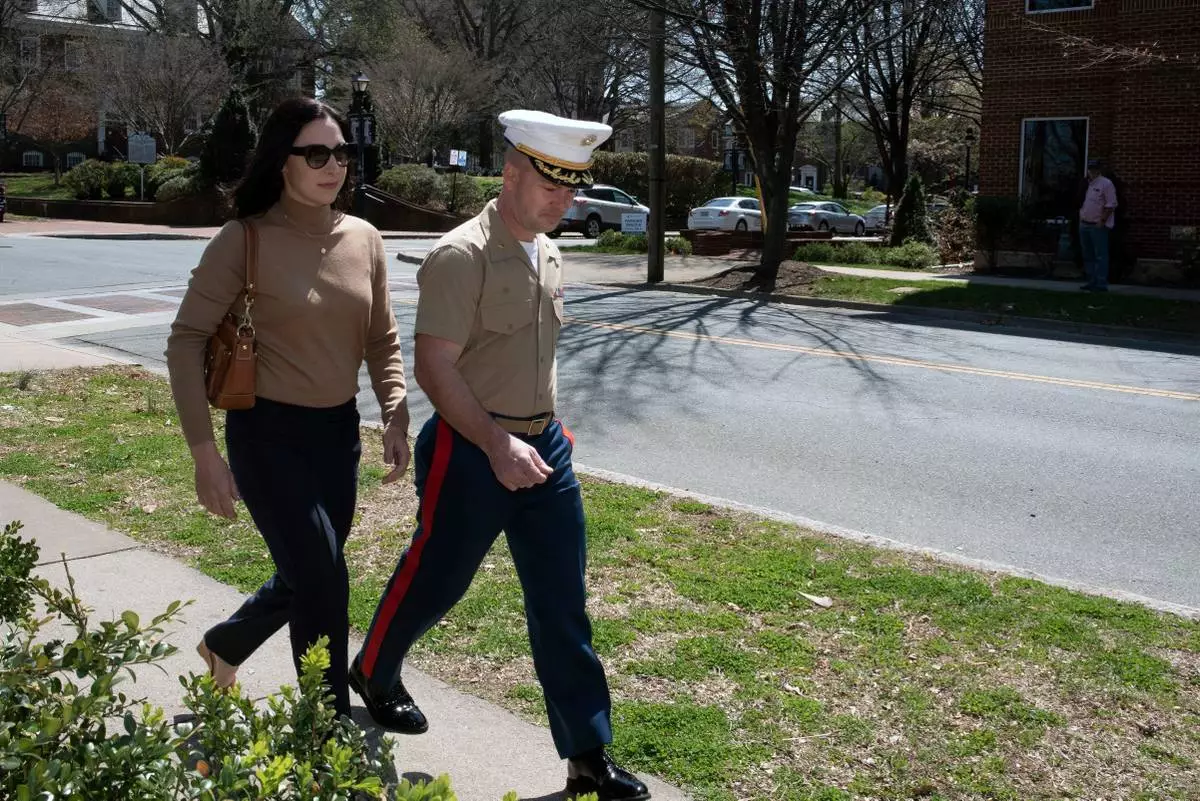
FILE - Marine Maj. Joshua Mast and his wife, Stephanie, arrive at Circuit Court, Thursday, March 30, 2023, in Charlottesville, Va. (AP Photo/Cliff Owen, File)
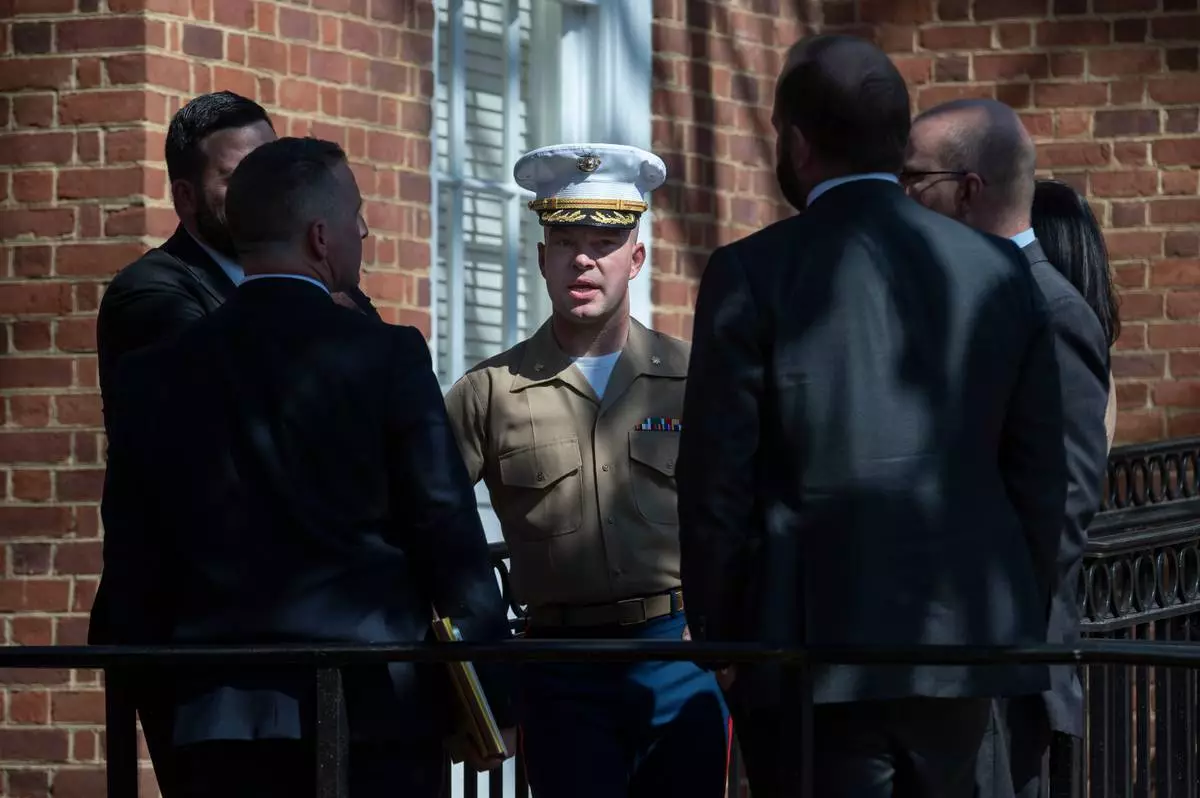
FILE - U.S. Marine Corp Major Joshua Mast, center, talks with his attorneys during a break in the hearing of an ongoing custody battle over an Afghan orphan, March 30, 2023, at the Circuit Courthouse in Charlottesville, Va. (AP Photo/Cliff Owen, File)
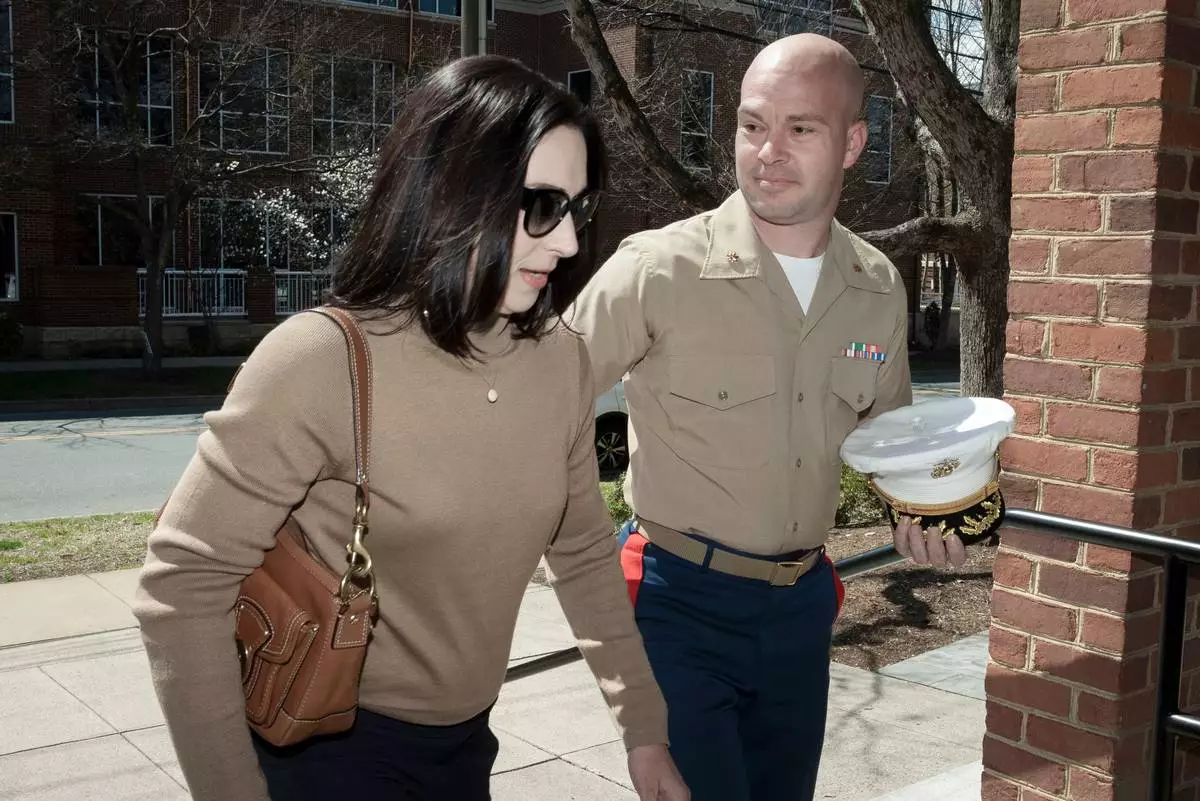
FILE - Marine Maj. Joshua Mast and his wife, Stephanie, arrive at Circuit Court, Thursday, March 30, 2023 in Charlottesville, Va. (AP Photo/Cliff Owen, File)