Some customers suggested the label was racist, while others criticised the supermarket for succumbing to political correctness.
Waitrose has apologised after shoppers implied it was racist for labelling a dark chocolate Easter duckling “Ugly”.
The figure was part of an £8 trio, with the milk chocolate duckling being called “Crispy” and the white one “Fluffy”.
One user wrote on Twitter: “Crispy, Fluffy and Ugly – trio of Easter ducklings at #Waitrose. Ugly is the dark one on the right. Overheard women saying ‘This is not right’, I agree, doesn’t look good at all. Thousands of other options… why #ugly?????”
Another wrote: “Shame on @waitrose for questionable marketing practices and reinforcing the ‘ugly black duckling’ narrative. INSIDIOUS casual racism that vilifies dark hues #shame #Waitrose #racism. An expose a lack of diversity among your decision making staff. Stuck in the 60s! @hopenothate.”
However, others accused Waitrose of succumbing to the “political correctness” backlash, with one writing: “@waitrose succumb to barmy political correctness sweeping UK – they’ve taken Easter chocolate ducks off shelves because one of set of 3 is called ‘Ugly’ from classic Hans Christian Andersen children’s tale ‘The Ugly Duckling’, for fear of causing offence! Shame on you @waitrose!”
Another responded: “Please tell me this didn’t happen, has this country gone mad? Who would see this and think anything other than they named it after the ugly duckling from the story. Come on people!”
Waitrose has now re-released the ducklings in-store and online with redesigned packaging.
A Waitrose spokeswoman said: “We are very sorry for any upset caused by the name of this product, it was absolutely not our intention to cause any offence.
“We removed the product from sale several weeks ago while we changed the labelling and our ducklings are now back on sale.”
Russia’s nuclear-capable Oreshnik missile system has entered active service, Russia’s Ministry of Defense said Tuesday, as negotiators continue to search for a breakthrough in peace talks to end Moscow’s war in Ukraine.
Troops held a brief ceremony to mark the occasion in neighboring Belarus where the missiles have been deployed, the ministry said. It did not say how many missiles had been deployed or give any other details.
Russian President Vladimir Putin said earlier in December that the Oreshnik would enter combat duty this month. He made the statement at a meeting with top Russian military officers, where he warned that Moscow will seek to extend its gains in Ukraine if Kyiv and its Western allies reject the Kremlin’s demands in peace talks.
The announcement comes at a critical time for Russia-Ukraine peace talks. U.S. President Donald Trump hosted Zelenskyy at his Florida resort Sunday and insisted that Kyiv and Moscow were “closer than ever before” to a peace settlement.
However, negotiators are still searching for a breakthrough on key issues, including whose forces withdraw from where in Ukraine and the fate of Ukraine’s Russian-occupied Zaporizhzhia nuclear power plant, one of the 10 biggest in the world. Trump noted that the monthslong U.S.-led negotiations could still collapse.
Putin has sought to portray himself as negotiating from a position of strength as Ukrainian forces strain to keep back the bigger Russian army.
At a meeting with senior military officers Monday, Putin emphasized the need to create military buffer zones along the Russian border. He also claimed that Russian troops were advancing in the eastern Donetsk region of Ukraine and pressing their offensive in the southern Zaporizhzhia region.
Moscow first used the Oreshnik, which is Russian for “hazelnut tree,” against Ukraine in November 2024, when it fired the experimental weapon at a factory in Dnipro that built missiles when Ukraine was part of the Soviet Union.
Putin has praised the Oreshnik’s capabilities, saying that its multiple warheads, which plunge toward a target at speeds up to Mach 10, are immune to being intercepted.
He warned the West that Moscow could use it against Ukraine’s NATO allies who've allowed Kyiv to use their longer-range missiles to strike inside Russia.
Russia’s missile forces chief has also declared that the Oreshnik, which can carry conventional or nuclear warheads, has a range allowing it to reach all of Europe.
Intermediate-range missiles can fly between 500 to 5,500 kilometers (310 to 3,400 miles). Such weapons were banned under a Soviet-era treaty that Washington and Moscow abandoned in 2019.
Follow AP’s coverage of the war in Ukraine at https://apnews.com/hub/russia-ukraine
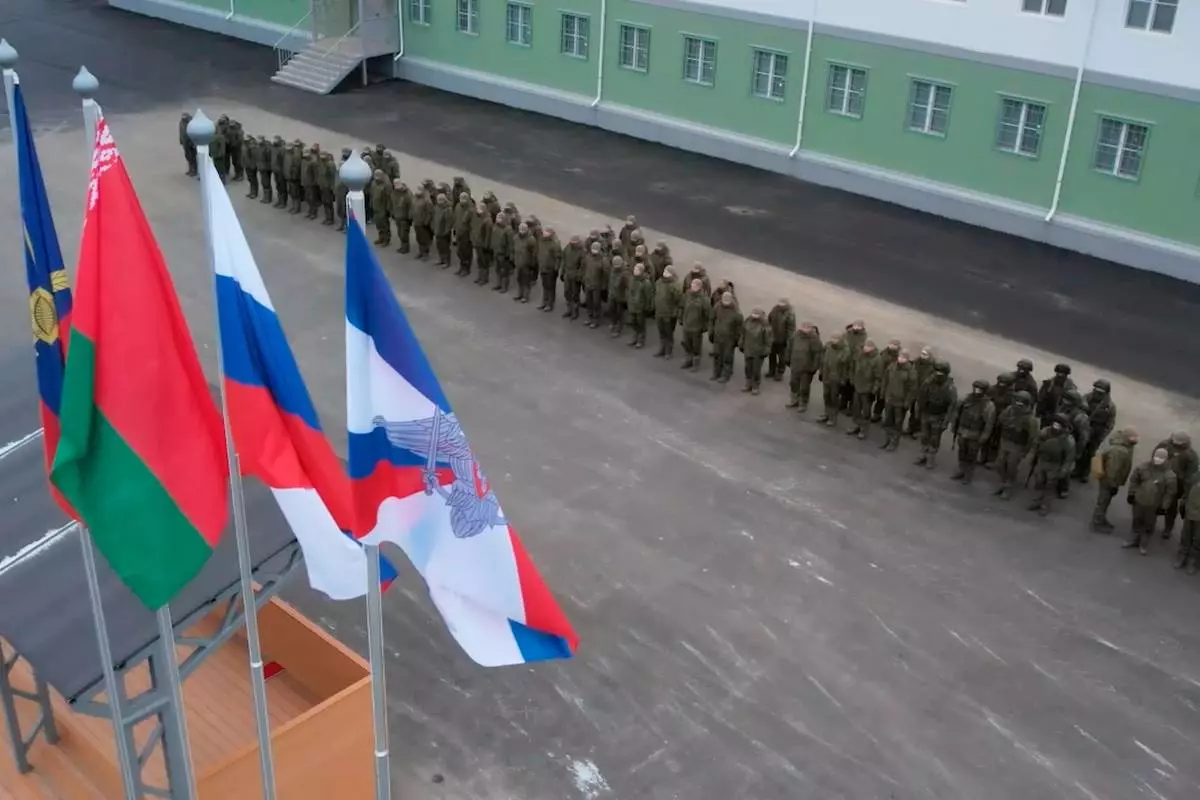
In this image made from video provided by Russian Defense Ministry Press Service on Monday, Dec. 29, 2025, Russian troops line up at a base in Belarus where the Oreshnik missile system was deployed in Belarus. (Russian Defense Ministry Press Service via AP)
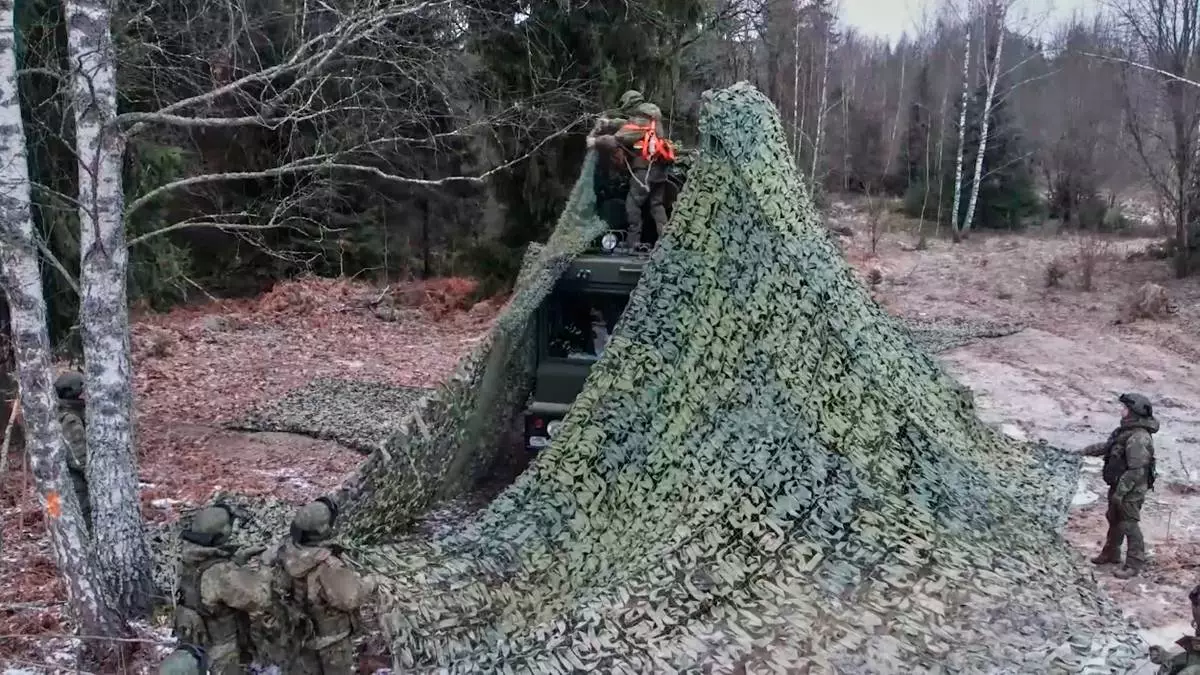
In this image made from video provided by Russian Defense Ministry Press Service on Monday, Dec. 29, 2025, Russian solders camouflage one of the trucks of the Russia's Oreshnik missile system with a net during training in an undisclosed location in Belarus. (Russian Defense Ministry Press Service via AP)
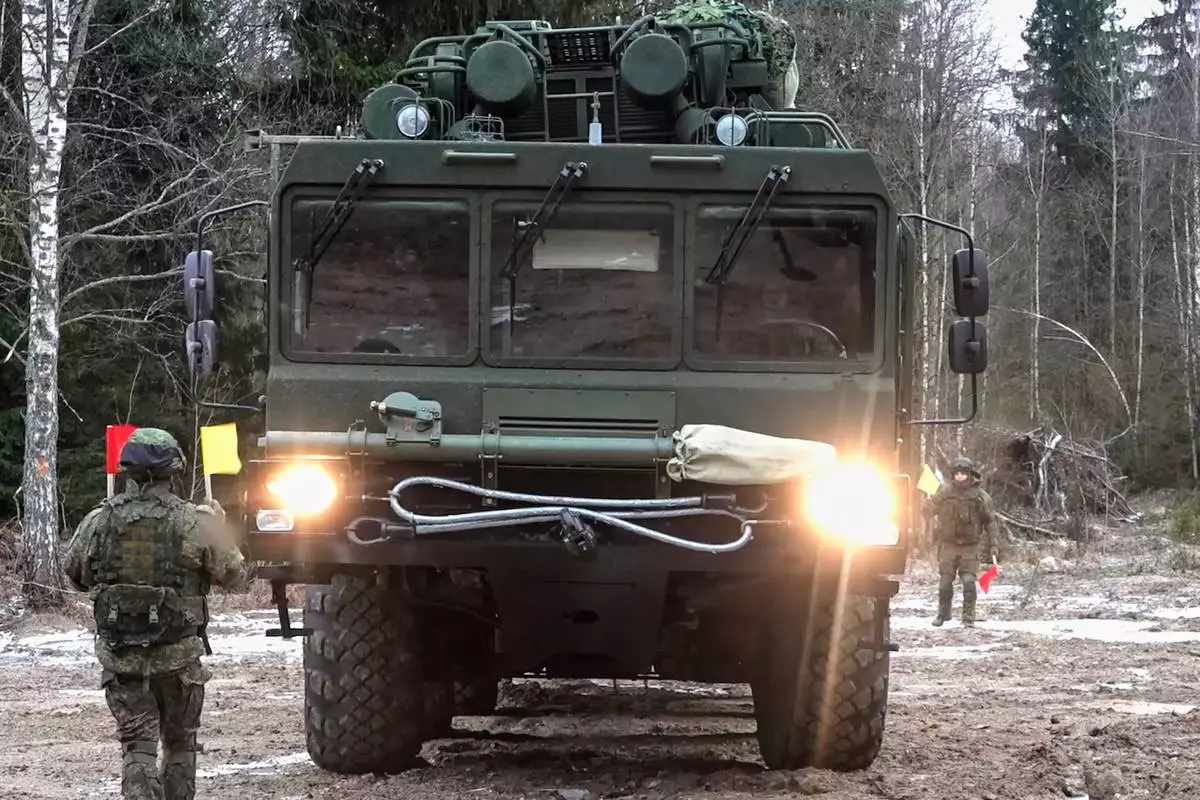
In this image made from video provided by Russian Defense Ministry Press Service on Monday, Dec. 29, 2025, A Russia's Oreshnik missile system is seen during a training in an undisclosed location in Belarus. (Russian Defense Ministry Press Service via AP)
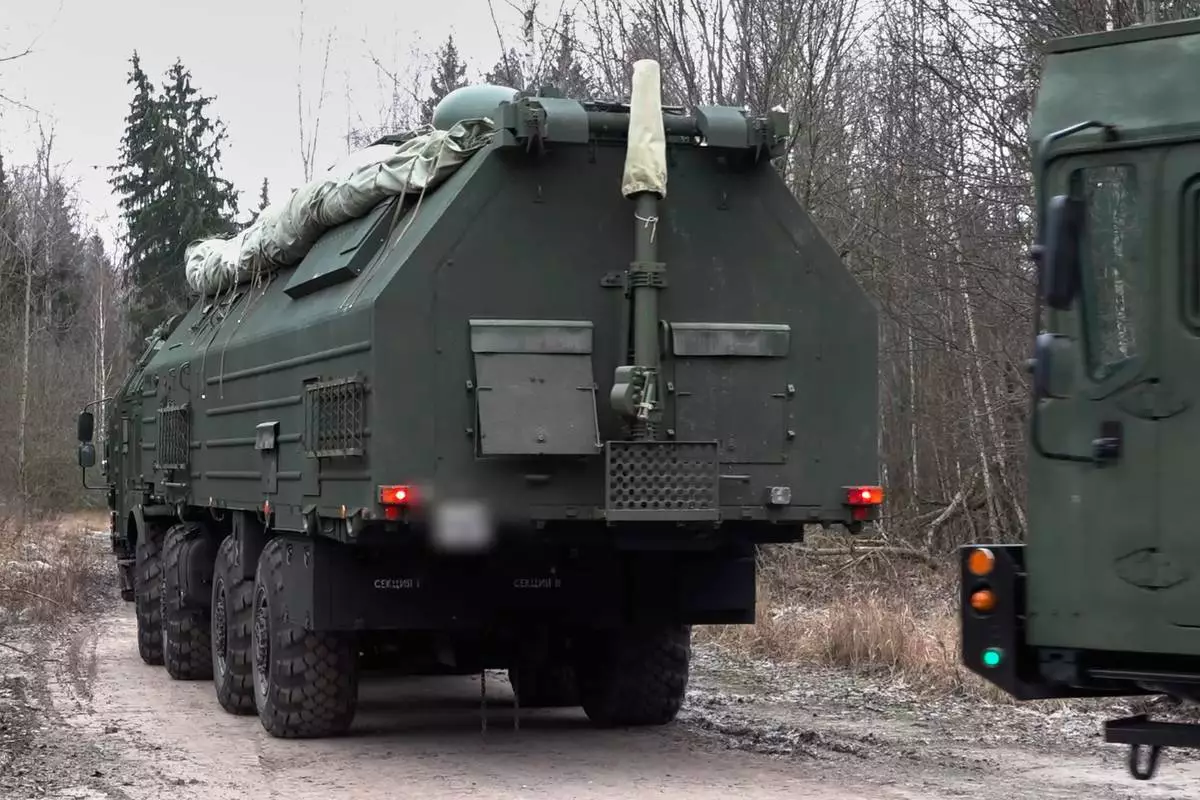
In this image made from video provided by Russian Defense Ministry Press Service on Monday, Dec. 29, 2025, A Russia's Oreshnik missile system is seen during a training in an undisclosed location in Belarus. (Russian Defense Ministry Press Service via AP)
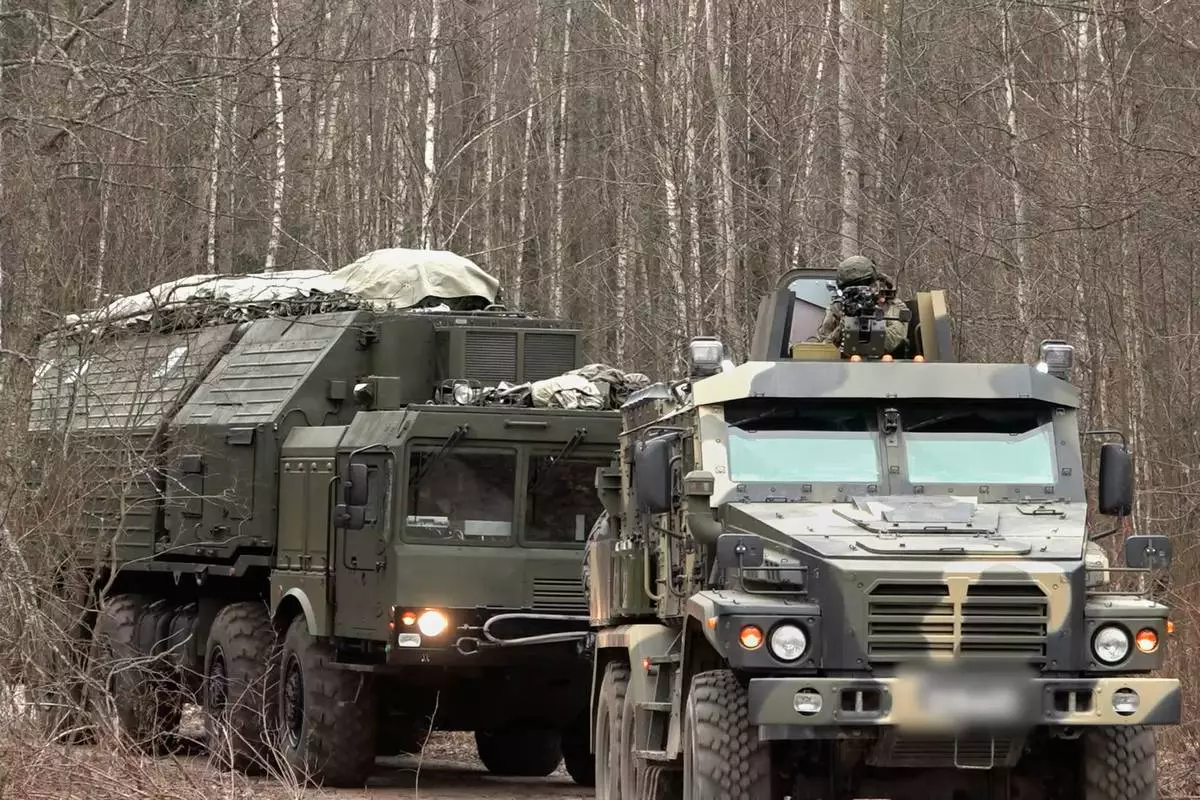
In this image made from video provided by Russian Defense Ministry Press Service on Monday, Dec. 29, 2025, A Russia's Oreshnik missile system is seen during a training in an undisclosed location in Belarus. (Russian Defense Ministry Press Service via AP)