Skip to Content Facebook Feature Image

Lifting 200-kilogram stones in Spain's Basque Country

Lifting 200-kilogram stones in Spain's Basque Country

Lifting 200-kilogram stones in Spain's Basque Country

2019-04-17 18:12 Last Updated At:18:21

Their faces contorted by the effort needed to lift 200 kilograms (440 pounds) or more, these burly competitors keep alive one of the traditional sports of Spain's rural north one heavy stone at a time.

The "Harri-jasotze," or "Stone Lifters" in the local language of the mountainous Basque Country region, gather in competitions held both indoors and in town squares to see who can claim to be the strongest.

More Images
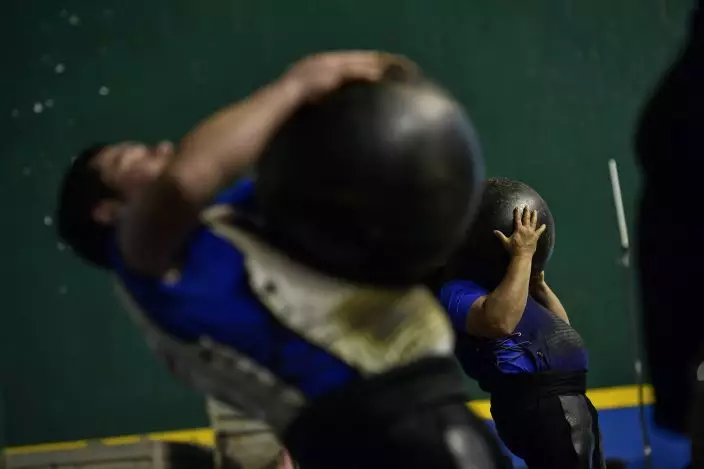
In this Saturday, April 6, 2019 photo, basque stone lifters hold 100 kilograms stones, during an exhibition in the basque village of Azkoitia, northern Spain. The "Harri-jasotze," or "Stone Lifters" in the local language of the mountainous Basque Country region, these burly competitors keep alive one of the traditional sports of Spain’s rural north. (AP PhotoAlvaro Barrientos)
In this Saturday, April 6, 2019 photo, basque stone lifters hold 100 kilograms stones, during an exhibition in the basque village of Azkoitia, northern Spain. The "Harri-jasotze," or "Stone Lifters" in the local language of the mountainous Basque Country region, these burly competitors keep alive one of the traditional sports of Spain’s rural north. (AP PhotoAlvaro Barrientos)

In this Saturday, April 6, 2019 photo, a basque stone lifter waits his turn to hold a stone, during exhibition in the basque village of Azkoitia, northern Spain. The "Harri-jasotze," or "Stone Lifters" in the local language of the mountainous Basque Country region, gather in competitions held both indoors and in town squares to see who can claim to be the strongest. (AP PhotoAlvaro Barrientos)
In this Saturday, April 6, 2019 photo, a basque stone lifter waits his turn to hold a stone, during exhibition in the basque village of Azkoitia, northern Spain. The "Harri-jasotze," or "Stone Lifters" in the local language of the mountainous Basque Country region, gather in competitions held both indoors and in town squares to see who can claim to be the strongest. (AP PhotoAlvaro Barrientos)
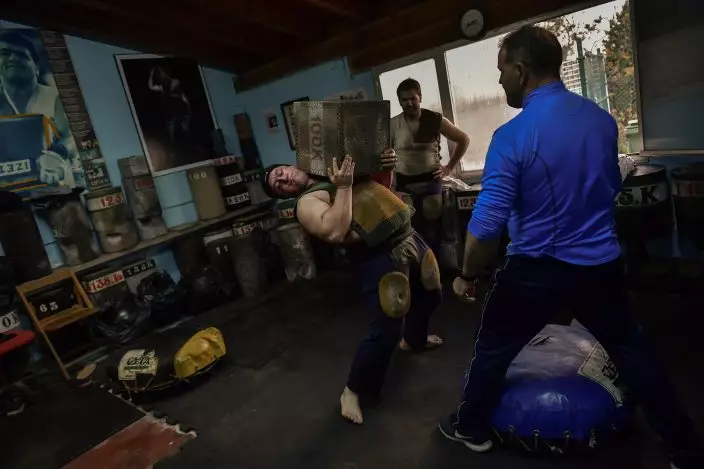
In this Wednesday April 10, 2019 photo, Inigo Eizagirre, 24, a basque stone lifter, holds a 100 kilograms stone during a training session in the basque village of Zarautz, northern Spain.  The "Harri-jasotze," or "Stone Lifters" in the local language of the mountainous Basque Country region, gather in competitions held both indoors and in town squares to see who can claim to be the strongest. (AP PhotoAlvaro Barrientos)

In this Wednesday April 10, 2019 photo, Inigo Eizagirre, 24, a basque stone lifter, holds a 100 kilograms stone during a training session in the basque village of Zarautz, northern Spain. The "Harri-jasotze," or "Stone Lifters" in the local language of the mountainous Basque Country region, gather in competitions held both indoors and in town squares to see who can claim to be the strongest. (AP PhotoAlvaro Barrientos)

In this Wednesday April 10, 2019 photo, Inigo Eizagirre, 24, a basque stone lifter, holds a 100 kilograms stone during a training session in the basque village of Zarautz, northern Spain. The "Harri-jasotze," or "Stone Lifters" in the local language of the mountainous Basque Country region, use three movements to lift the stone to shoulder height, as many times as they can in three-minutes. (AP PhotoAlvaro Barrientos)
In this Wednesday April 10, 2019 photo, Inigo Eizagirre, 24, a basque stone lifter, holds a 100 kilograms stone during a training session in the basque village of Zarautz, northern Spain. The "Harri-jasotze," or "Stone Lifters" in the local language of the mountainous Basque Country region, use three movements to lift the stone to shoulder height, as many times as they can in three-minutes. (AP PhotoAlvaro Barrientos)

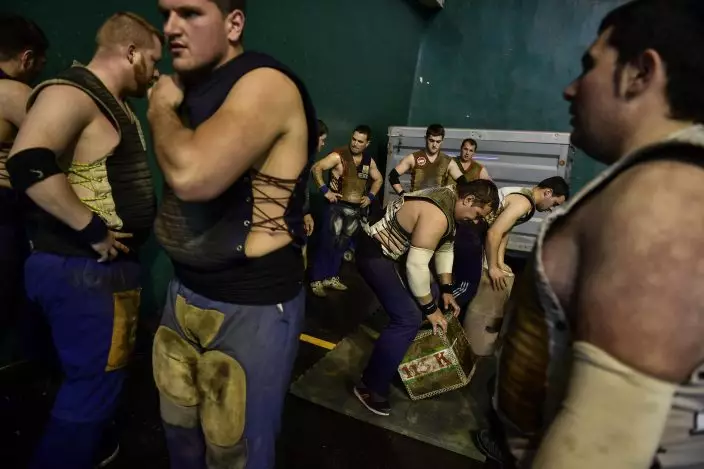
In this Saturday, April 6, 2019 photo, basque stone lifters warm up as they prepare for an exhibition in the basque village of Azkoitia, northern Spain. The "Harri-jasotze," or "Stone Lifters" in the local language of the mountainous Basque Country region, these burly competitors keep alive one of the traditional sports of Spain’s rural north. AP PhotoAlvaro Barrientos)
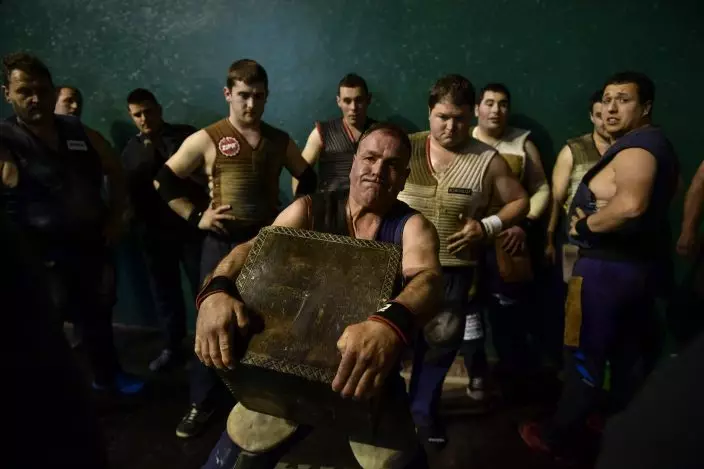
In this Saturday, April 6, 2019 photo, basque stone lifters warm up as they prepare for an exhibition in the basque village of Azkoitia, northern Spain. The "Harri-jasotze," or "Stone Lifters" in the local language of the mountainous Basque Country region, these burly competitors keep alive one of the traditional sports of Spain’s rural north. AP PhotoAlvaro Barrientos)

In this Saturday, April 6, 2019 photo, Jose Ramon Izeta, 52, a former basque stone lifter, holds a 100 kilograms stone, during an exhibition in the basque village of Azkoitia, northern Spain.  The "Harri-jasotze," or "Stone Lifters" in the local language of the mountainous Basque Country region, faces contorted by the effort these burly competitors strain to lift massive weights as many times as they can. (AP PhotoAlvaro Barrientos)
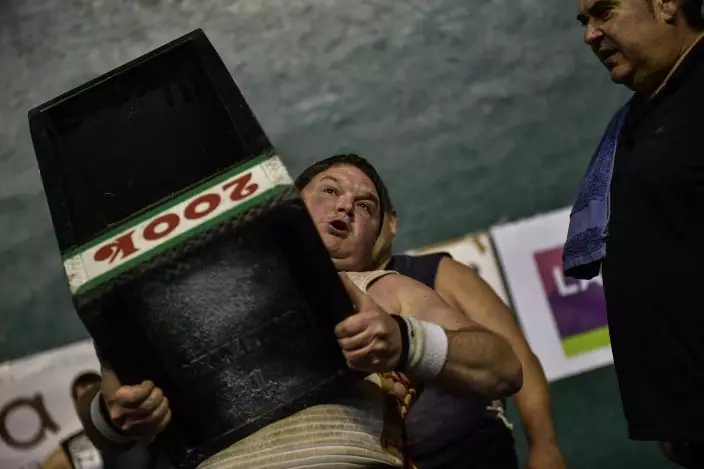
In this Saturday, April 6, 2019 photo, Jose Ramon Izeta, 52, a former basque stone lifter, holds a 100 kilograms stone, during an exhibition in the basque village of Azkoitia, northern Spain. The "Harri-jasotze," or "Stone Lifters" in the local language of the mountainous Basque Country region, faces contorted by the effort these burly competitors strain to lift massive weights as many times as they can. (AP PhotoAlvaro Barrientos)

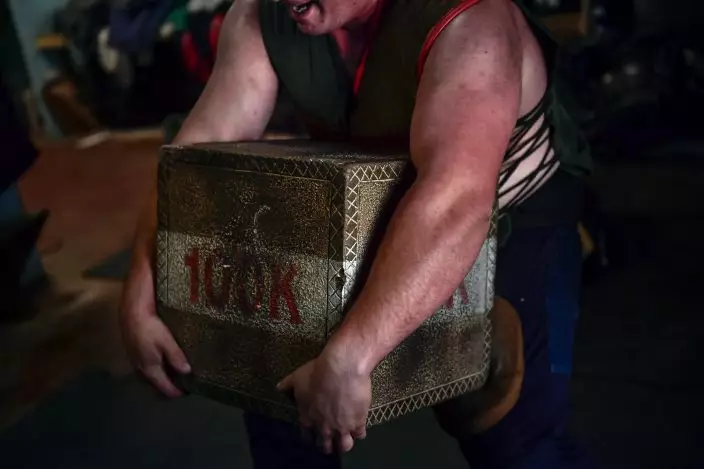
In this Saturday, April 6, 2019 photo, a basque stone lifter holds a 200 kilograms stone, during an exhibition in the basque village of Azkoitia, northern Spain. The "Harri-jasotze," or "Stone Lifters" in the local language of the mountainous Basque Country region, use three movements to lift the stone to shoulder height, as many times as they can in three-minutes. (AP PhotoAlvaro Barrientos)
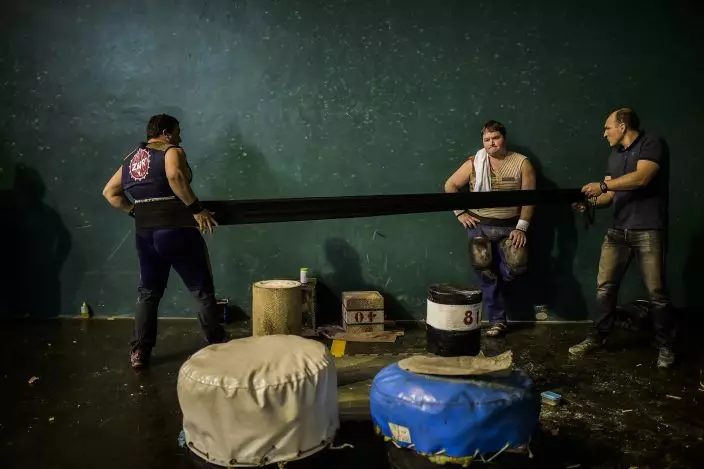
In this Saturday, April 6, 2019 photo, a basque stone lifter holds a 200 kilograms stone, during an exhibition in the basque village of Azkoitia, northern Spain. The "Harri-jasotze," or "Stone Lifters" in the local language of the mountainous Basque Country region, use three movements to lift the stone to shoulder height, as many times as they can in three-minutes. (AP PhotoAlvaro Barrientos)

In this Saturday, April 6, 2019 photo, basque stone lifters prepare for an exhibition in the basque village of Azkoitia, northern Spain. The "Harri-jasotze," or "Stone Lifters" in the local language of the mountainous Basque Country region, these burly competitors keep alive one of the traditional sports of Spain’s rural north.  (AP PhotoAlvaro Barrientos)

In this Saturday, April 6, 2019 photo, basque stone lifters prepare for an exhibition in the basque village of Azkoitia, northern Spain. The "Harri-jasotze," or "Stone Lifters" in the local language of the mountainous Basque Country region, these burly competitors keep alive one of the traditional sports of Spain’s rural north. (AP PhotoAlvaro Barrientos)
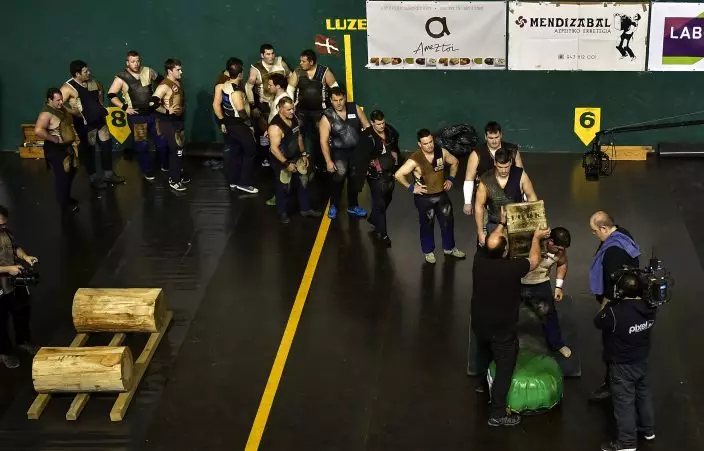
In this Saturday, April 6, 2019 photo, a group of basque stone lifters line up as they wait their turn to lift a stone, during an exhibition in the basque village of Azkoitia, northern Spain.  The "Harri-jasotze," or "Stone Lifters" in the local language of the mountainous Basque Country region, gather in competitions held both indoors and in town squares to see who can claim to be the strongest. (AP PhotoAlvaro Barrientos)
In this Saturday, April 6, 2019 photo, a group of basque stone lifters line up as they wait their turn to lift a stone, during an exhibition in the basque village of Azkoitia, northern Spain. The "Harri-jasotze," or "Stone Lifters" in the local language of the mountainous Basque Country region, gather in competitions held both indoors and in town squares to see who can claim to be the strongest. (AP PhotoAlvaro Barrientos)

In this Saturday, April 6, 2019 photo, a basque stone lifter holds a 100 kilograms stone, during an exhibition in the basque village of Azkoitia, northern Spain.  The "Harri-jasotze," or "Stone Lifters" in the local language of the mountainous Basque Country region, use three movements to lift the stone to shoulder height, as many times as they can in three-minutes. (AP PhotoAlvaro Barrientos)
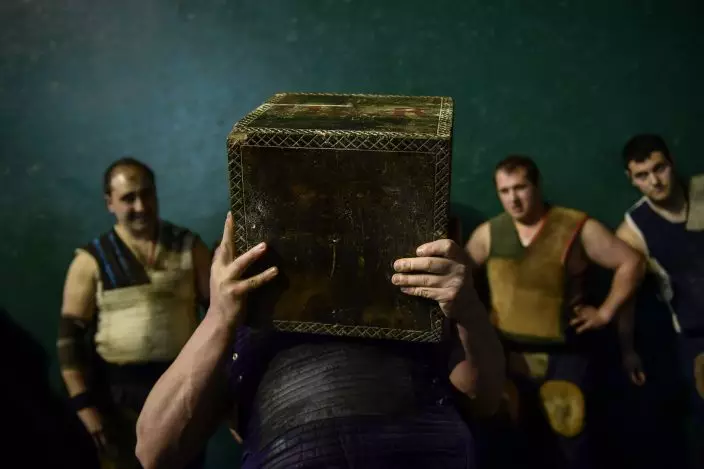
In this Saturday, April 6, 2019 photo, a basque stone lifter holds a 100 kilograms stone, during an exhibition in the basque village of Azkoitia, northern Spain. The "Harri-jasotze," or "Stone Lifters" in the local language of the mountainous Basque Country region, use three movements to lift the stone to shoulder height, as many times as they can in three-minutes. (AP PhotoAlvaro Barrientos)

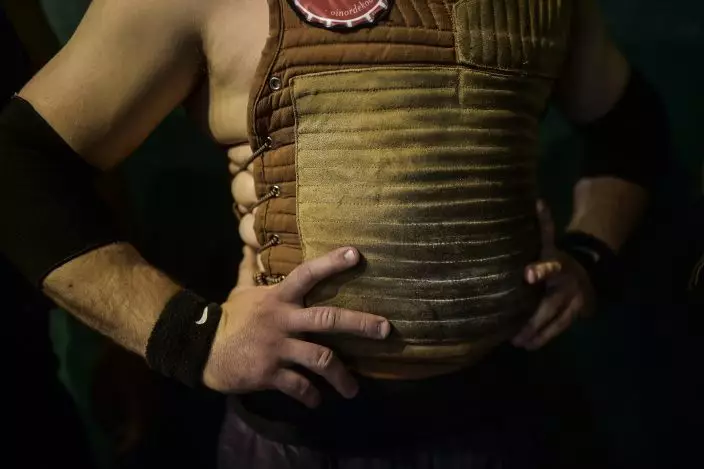
In this Wednesday April 10, 2019 photo, jackets used by basque stone lifters hang on a rope in a sport centre, in the basque village of Zarautz, northern Spain.  The "Harri-jasotze," or "Stone Lifters" in the local language of the mountainous Basque Country region, gather in competitions held both indoors and in town squares to see who can claim to be the strongest. (AP PhotoAlvaro Barrientos)
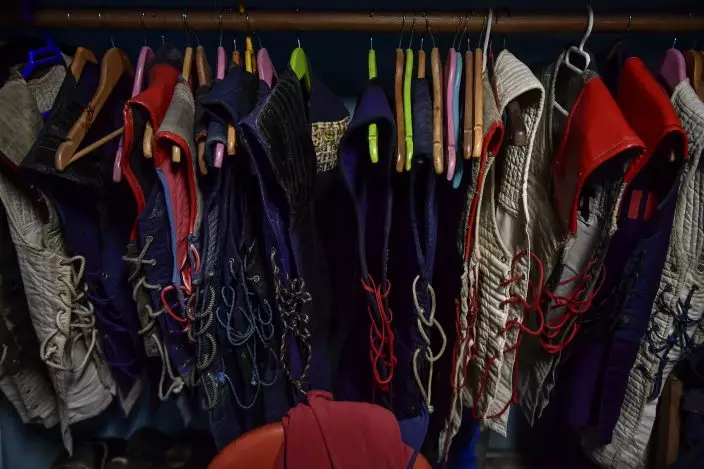
In this Wednesday April 10, 2019 photo, jackets used by basque stone lifters hang on a rope in a sport centre, in the basque village of Zarautz, northern Spain. The "Harri-jasotze," or "Stone Lifters" in the local language of the mountainous Basque Country region, gather in competitions held both indoors and in town squares to see who can claim to be the strongest. (AP PhotoAlvaro Barrientos)
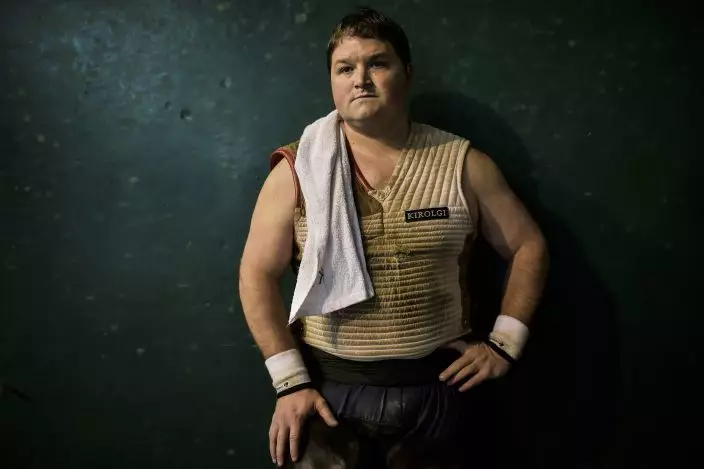
In this Saturday, April 6, 2019 photo, Udane Ostolaza, 13, second left, waits her turn next to others basque stone lifters, during an exhibition in the basque village of Azkoitia, northern Spain. The "Harri-jasotze," or "Stone Lifters" in the local language of the mountainous Basque Country region, gather in competitions held both indoors and in town squares to see who can claim to be the strongest. (AP PhotoAlvaro Barrientos)
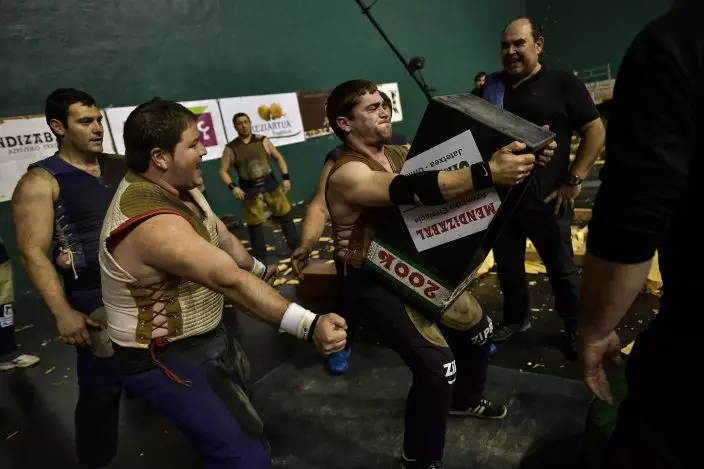
In this Saturday, April 6, 2019 photo, Udane Ostolaza, 13, second left, waits her turn next to others basque stone lifters, during an exhibition in the basque village of Azkoitia, northern Spain. The "Harri-jasotze," or "Stone Lifters" in the local language of the mountainous Basque Country region, gather in competitions held both indoors and in town squares to see who can claim to be the strongest. (AP PhotoAlvaro Barrientos)

In this Saturday, April 6, 2019 photo, Aimar Irigoien, 33, a basque stone lifter waits to take part in an exhibition in the basque village of Azkoitia, northern Spain. The "Harri-jasotze," or "Stone Lifters" in the local language of the mountainous Basque Country region, gather in competitions held both indoors and in town squares to see who can claim to be the strongest. (AP PhotoAlvaro Barrientos)

In this Saturday, April 6, 2019 photo, Aimar Irigoien, 33, a basque stone lifter waits to take part in an exhibition in the basque village of Azkoitia, northern Spain. The "Harri-jasotze," or "Stone Lifters" in the local language of the mountainous Basque Country region, gather in competitions held both indoors and in town squares to see who can claim to be the strongest. (AP PhotoAlvaro Barrientos)

In this Saturday, April 6, 2019 photo, a basque stone lifter holds a 200 kilograms stone, during an exhibition in the basque village of Azkoitia, northern Spain.  The "Harri-jasotze," or "Stone Lifters" in the local language of the mountainous Basque Country region, use three movements to lift the stone to shoulder height, as many times as they can in three-minutes. (AP PhotoAlvaro Barrientos)

In this Saturday, April 6, 2019 photo, a basque stone lifter holds a 200 kilograms stone, during an exhibition in the basque village of Azkoitia, northern Spain. The "Harri-jasotze," or "Stone Lifters" in the local language of the mountainous Basque Country region, use three movements to lift the stone to shoulder height, as many times as they can in three-minutes. (AP PhotoAlvaro Barrientos)

After grabbing hold of the stones on the ground, they use three movements to lift them to shoulder height. The competition consists of four three-minute sessions, in which they have to pick up a given stone as many times as they can. The Stone Lifter who tallies the most total weight wins.

In this Saturday, April 6, 2019 photo, basque stone lifters hold 100 kilograms stones, during an exhibition in the basque village of Azkoitia, northern Spain. The "Harri-jasotze," or "Stone Lifters" in the local language of the mountainous Basque Country region, these burly competitors keep alive one of the traditional sports of Spain’s rural north. (AP PhotoAlvaro Barrientos)

In this Saturday, April 6, 2019 photo, basque stone lifters hold 100 kilograms stones, during an exhibition in the basque village of Azkoitia, northern Spain. The "Harri-jasotze," or "Stone Lifters" in the local language of the mountainous Basque Country region, these burly competitors keep alive one of the traditional sports of Spain’s rural north. (AP PhotoAlvaro Barrientos)

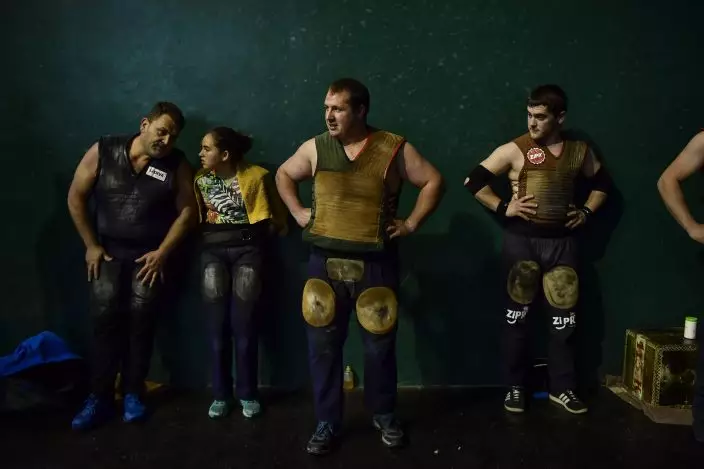
The stones are made of granite, weigh between 100 and 212.5 kilograms (220 and 470 pounds), and have the form of a cube, a sphere, a cylinder or a rectangle. The lifters, which include some women, use resin to help grip the stones. They wear knee protectors, a band wrapped around their torso, and a leather vest that leaves their thick arms exposed.

Inigo Eizagirre, 24, can raise a rectangular stone weighing 100 kilograms (220 pounds) up to 21 times in less than three minutes, a pace that gives him a chance to win a tournament.

There is no written record of the origin of the sport, but standardized weights were introduced at the start of the 20th century.

In this Saturday, April 6, 2019 photo, a basque stone lifter waits his turn to hold a stone, during exhibition in the basque village of Azkoitia, northern Spain. The "Harri-jasotze," or "Stone Lifters" in the local language of the mountainous Basque Country region, gather in competitions held both indoors and in town squares to see who can claim to be the strongest. (AP PhotoAlvaro Barrientos)

In this Saturday, April 6, 2019 photo, a basque stone lifter waits his turn to hold a stone, during exhibition in the basque village of Azkoitia, northern Spain. The "Harri-jasotze," or "Stone Lifters" in the local language of the mountainous Basque Country region, gather in competitions held both indoors and in town squares to see who can claim to be the strongest. (AP PhotoAlvaro Barrientos)

The record for single lift by a Harri-jasotze is held by Mieltxo Saralegi, who successfully picked up a stone that weighed 329 kilograms (725 pounds) in 2001.

Associated Press writer Joseph Wilson in Barcelona contributed to this report.

More AP sports: https://apnews.com/apf-sports and https://twitter.com/AP_Sports

In this Wednesday April 10, 2019 photo, Inigo Eizagirre, 24, a basque stone lifter, holds a 100 kilograms stone during a training session in the basque village of Zarautz, northern Spain.  The "Harri-jasotze," or "Stone Lifters" in the local language of the mountainous Basque Country region, gather in competitions held both indoors and in town squares to see who can claim to be the strongest. (AP PhotoAlvaro Barrientos)

In this Wednesday April 10, 2019 photo, Inigo Eizagirre, 24, a basque stone lifter, holds a 100 kilograms stone during a training session in the basque village of Zarautz, northern Spain. The "Harri-jasotze," or "Stone Lifters" in the local language of the mountainous Basque Country region, gather in competitions held both indoors and in town squares to see who can claim to be the strongest. (AP PhotoAlvaro Barrientos)

In this Wednesday April 10, 2019 photo, Inigo Eizagirre, 24, a basque stone lifter, holds a 100 kilograms stone during a training session in the basque village of Zarautz, northern Spain. The "Harri-jasotze," or "Stone Lifters" in the local language of the mountainous Basque Country region, use three movements to lift the stone to shoulder height, as many times as they can in three-minutes. (AP PhotoAlvaro Barrientos)
In this Wednesday April 10, 2019 photo, Inigo Eizagirre, 24, a basque stone lifter, holds a 100 kilograms stone during a training session in the basque village of Zarautz, northern Spain. The "Harri-jasotze," or "Stone Lifters" in the local language of the mountainous Basque Country region, use three movements to lift the stone to shoulder height, as many times as they can in three-minutes. (AP PhotoAlvaro Barrientos)

In this Saturday, April 6, 2019 photo, basque stone lifters warm up as they prepare for an exhibition in the basque village of Azkoitia, northern Spain. The "Harri-jasotze," or "Stone Lifters" in the local language of the mountainous Basque Country region, these burly competitors keep alive one of the traditional sports of Spain’s rural north. AP PhotoAlvaro Barrientos)

In this Saturday, April 6, 2019 photo, basque stone lifters warm up as they prepare for an exhibition in the basque village of Azkoitia, northern Spain. The "Harri-jasotze," or "Stone Lifters" in the local language of the mountainous Basque Country region, these burly competitors keep alive one of the traditional sports of Spain’s rural north. AP PhotoAlvaro Barrientos)

In this Saturday, April 6, 2019 photo, Jose Ramon Izeta, 52, a former basque stone lifter, holds a 100 kilograms stone, during an exhibition in the basque village of Azkoitia, northern Spain.  The "Harri-jasotze," or "Stone Lifters" in the local language of the mountainous Basque Country region, faces contorted by the effort these burly competitors strain to lift massive weights as many times as they can. (AP PhotoAlvaro Barrientos)

In this Saturday, April 6, 2019 photo, Jose Ramon Izeta, 52, a former basque stone lifter, holds a 100 kilograms stone, during an exhibition in the basque village of Azkoitia, northern Spain. The "Harri-jasotze," or "Stone Lifters" in the local language of the mountainous Basque Country region, faces contorted by the effort these burly competitors strain to lift massive weights as many times as they can. (AP PhotoAlvaro Barrientos)

In this Saturday, April 6, 2019 photo, a basque stone lifter holds a 200 kilograms stone, during an exhibition in the basque village of Azkoitia, northern Spain. The "Harri-jasotze," or "Stone Lifters" in the local language of the mountainous Basque Country region, use three movements to lift the stone to shoulder height, as many times as they can in three-minutes. (AP PhotoAlvaro Barrientos)

In this Saturday, April 6, 2019 photo, a basque stone lifter holds a 200 kilograms stone, during an exhibition in the basque village of Azkoitia, northern Spain. The "Harri-jasotze," or "Stone Lifters" in the local language of the mountainous Basque Country region, use three movements to lift the stone to shoulder height, as many times as they can in three-minutes. (AP PhotoAlvaro Barrientos)

In this Saturday, April 6, 2019 photo, basque stone lifters prepare for an exhibition in the basque village of Azkoitia, northern Spain. The "Harri-jasotze," or "Stone Lifters" in the local language of the mountainous Basque Country region, these burly competitors keep alive one of the traditional sports of Spain’s rural north.  (AP PhotoAlvaro Barrientos)

In this Saturday, April 6, 2019 photo, basque stone lifters prepare for an exhibition in the basque village of Azkoitia, northern Spain. The "Harri-jasotze," or "Stone Lifters" in the local language of the mountainous Basque Country region, these burly competitors keep alive one of the traditional sports of Spain’s rural north. (AP PhotoAlvaro Barrientos)

In this Saturday, April 6, 2019 photo, a group of basque stone lifters line up as they wait their turn to lift a stone, during an exhibition in the basque village of Azkoitia, northern Spain.  The "Harri-jasotze," or "Stone Lifters" in the local language of the mountainous Basque Country region, gather in competitions held both indoors and in town squares to see who can claim to be the strongest. (AP PhotoAlvaro Barrientos)

In this Saturday, April 6, 2019 photo, a group of basque stone lifters line up as they wait their turn to lift a stone, during an exhibition in the basque village of Azkoitia, northern Spain. The "Harri-jasotze," or "Stone Lifters" in the local language of the mountainous Basque Country region, gather in competitions held both indoors and in town squares to see who can claim to be the strongest. (AP PhotoAlvaro Barrientos)

In this Saturday, April 6, 2019 photo, a basque stone lifter holds a 100 kilograms stone, during an exhibition in the basque village of Azkoitia, northern Spain.  The "Harri-jasotze," or "Stone Lifters" in the local language of the mountainous Basque Country region, use three movements to lift the stone to shoulder height, as many times as they can in three-minutes. (AP PhotoAlvaro Barrientos)

In this Saturday, April 6, 2019 photo, a basque stone lifter holds a 100 kilograms stone, during an exhibition in the basque village of Azkoitia, northern Spain. The "Harri-jasotze," or "Stone Lifters" in the local language of the mountainous Basque Country region, use three movements to lift the stone to shoulder height, as many times as they can in three-minutes. (AP PhotoAlvaro Barrientos)

In this Wednesday April 10, 2019 photo, jackets used by basque stone lifters hang on a rope in a sport centre, in the basque village of Zarautz, northern Spain.  The "Harri-jasotze," or "Stone Lifters" in the local language of the mountainous Basque Country region, gather in competitions held both indoors and in town squares to see who can claim to be the strongest. (AP PhotoAlvaro Barrientos)

In this Wednesday April 10, 2019 photo, jackets used by basque stone lifters hang on a rope in a sport centre, in the basque village of Zarautz, northern Spain. The "Harri-jasotze," or "Stone Lifters" in the local language of the mountainous Basque Country region, gather in competitions held both indoors and in town squares to see who can claim to be the strongest. (AP PhotoAlvaro Barrientos)

In this Saturday, April 6, 2019 photo, Udane Ostolaza, 13, second left, waits her turn next to others basque stone lifters, during an exhibition in the basque village of Azkoitia, northern Spain. The "Harri-jasotze," or "Stone Lifters" in the local language of the mountainous Basque Country region, gather in competitions held both indoors and in town squares to see who can claim to be the strongest. (AP PhotoAlvaro Barrientos)

In this Saturday, April 6, 2019 photo, Udane Ostolaza, 13, second left, waits her turn next to others basque stone lifters, during an exhibition in the basque village of Azkoitia, northern Spain. The "Harri-jasotze," or "Stone Lifters" in the local language of the mountainous Basque Country region, gather in competitions held both indoors and in town squares to see who can claim to be the strongest. (AP PhotoAlvaro Barrientos)

In this Saturday, April 6, 2019 photo, Aimar Irigoien, 33, a basque stone lifter waits to take part in an exhibition in the basque village of Azkoitia, northern Spain. The "Harri-jasotze," or "Stone Lifters" in the local language of the mountainous Basque Country region, gather in competitions held both indoors and in town squares to see who can claim to be the strongest. (AP PhotoAlvaro Barrientos)

In this Saturday, April 6, 2019 photo, Aimar Irigoien, 33, a basque stone lifter waits to take part in an exhibition in the basque village of Azkoitia, northern Spain. The "Harri-jasotze," or "Stone Lifters" in the local language of the mountainous Basque Country region, gather in competitions held both indoors and in town squares to see who can claim to be the strongest. (AP PhotoAlvaro Barrientos)

In this Saturday, April 6, 2019 photo, a basque stone lifter holds a 200 kilograms stone, during an exhibition in the basque village of Azkoitia, northern Spain.  The "Harri-jasotze," or "Stone Lifters" in the local language of the mountainous Basque Country region, use three movements to lift the stone to shoulder height, as many times as they can in three-minutes. (AP PhotoAlvaro Barrientos)

In this Saturday, April 6, 2019 photo, a basque stone lifter holds a 200 kilograms stone, during an exhibition in the basque village of Azkoitia, northern Spain. The "Harri-jasotze," or "Stone Lifters" in the local language of the mountainous Basque Country region, use three movements to lift the stone to shoulder height, as many times as they can in three-minutes. (AP PhotoAlvaro Barrientos)

MOSCOW (AP) — A court in Moscow ruled in favor of the Russian Central Bank in its lawsuit against Euroclear, the Brussels-based clearing house that holds the bulk of Russian assets frozen by the European Union, Russian media reported Friday.

The lawsuit sought to recover 18.2 trillion rubles ($249.7 billion) in damages incurred when Russia was barred from managing and disposing of its Euroclear funds and securities, according to reports.

Russian news outlet RBC on Friday quoted Euroclear's lawyers Maxim Kulkov and Sergei Savelyev as saying that Moscow's Arbitration Court, which heard the case behind closed doors, upheld the Central Bank's claim in full.

The lawyers argued that Euroclear's right to a fair trial was violated, with Savelyev cited as saying the clearing house intends to appeal. The Central Bank is satisfied with the court's decision, its representative told RBC.

The EU froze Russian assets worth 210 billion euros ($244 billion) as part of the sanctions imposed on Moscow after it sent troops into Ukraine in February 2022. Euroclear holds around 193 billion euros of the seized funds.

The Central Bank filed the lawsuit in December 2025. Moscow's Arbitration Court picked up the case even though the EU had set aside its initial plan to use frozen Russian assets to assist Ukraine after failing to convince Belgium that it would be protected from Russia's retaliation.

The EU opted instead to borrow 90 billion euros on capital markets to provide an interest-free loan to Ukraine to meet its military and economic needs for two years.

Russia's Central Bank has condemned the use of frozen assets to aid Ukraine as “illegal, contrary to international law,” arguing that they violated “the principles of sovereign immunity of assets.”

FILE - Participants gather in Moscow's Arbitration Court to hold a hearing to consider a lawsuit by Russia's Central Bank against Belgium-based financial clearinghouse Euroclear in Moscow, Russia, Jan. 16, 2026. (AP Photo/Pavel Bednyakov, File)

FILE - Participants gather in Moscow's Arbitration Court to hold a hearing to consider a lawsuit by Russia's Central Bank against Belgium-based financial clearinghouse Euroclear in Moscow, Russia, Jan. 16, 2026. (AP Photo/Pavel Bednyakov, File)

Recommended Articles