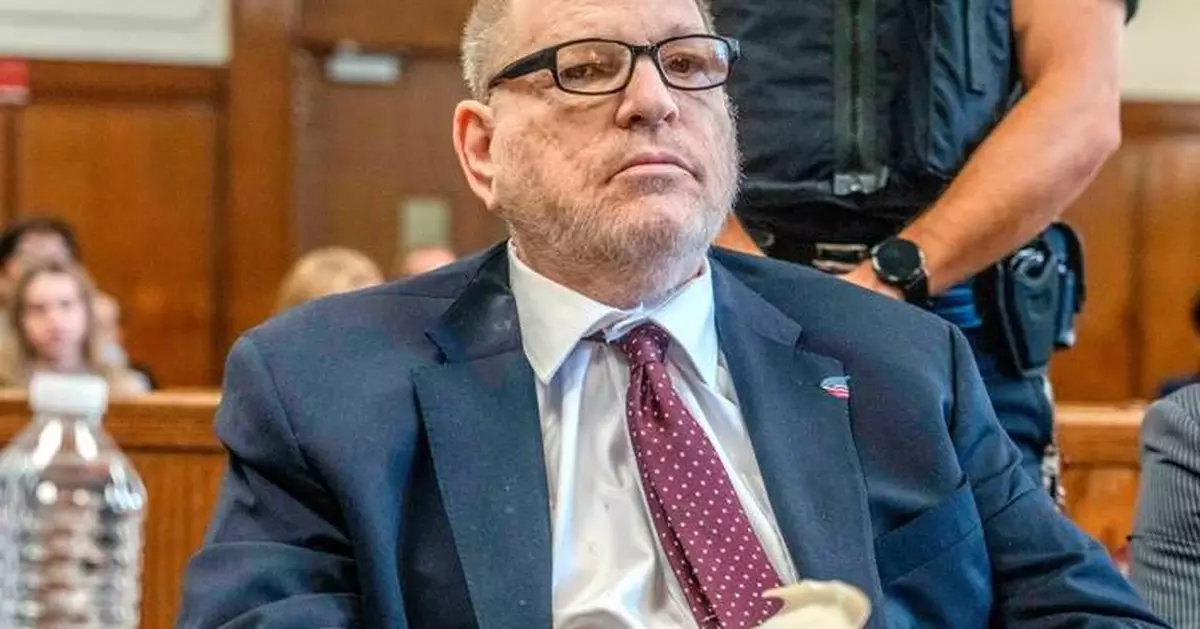
NEW YORK (AP) — Harvey Weinstein's defense urged jurors Tuesday to acquit him and put an end to a #MeToo-era rape case that has gone to trial three times, while prosecutors pressed to vied to restore a onetime conviction that got unwound.
Weinstein, the former Hollywood honcho who has been imprisoned on various sex crime convictions since 2020, watched quietly as the two sides made their closing arguments about whether he raped hairstylist and actor Jessica Mann in a New York hotel in March 2013.
“She has taken on a false narrative about all of this,” Weinstein lawyer Marc Agnifilo said.
“She has absolutely no motive to lie. None,” prosecutor Nicole Blumberg countered.
Jurors, who are expected to start deliberating Wednesday, will have to sift through the complexities of a yearslong relationship between Weinstein and Mann.
They met in early 2013, when she was trying to make it big in Hollywood. She testified that she anticipated a professional connection, was taken aback when he started making sexual advances but decided to have a relationship with the then-married, Oscar-winning producer.
A few weeks later, according to Mann, Weinstein abruptly took a room at a Doubletree hotel where she and a friend were staying. When she accompanied Weinstein upstairs to tell him she didn't want a sexual interlude, she testified, he trapped her in the room, grabbed her arms, insisted she undress, went into the bathroom for a time, and then raped her.
“He just treated me like he owned me,” she testified last month.
Weinstein didn't testify, but his defense contends the encounter was consensual and part of a caring relationship that Mann fostered and leaned on until Weinstein’s #MeToo downfall in 2017. That was when news reports about allegations against him propelled a global campaign against sexual assault and sexual harassment. He has said he behaved “wrongly” but never assaulted anyone.
He was convicted in 2020 of raping Mann, got the conviction overturned, then saw a jury deadlock on it at a retrial last year.
In summations Tuesday, Agnifilo suggested that parts of Mann's account were ill-supported or implausible. He underscored the warm email exchanges and continued get-togethers she had with Weinstein before and after the alleged rape — and a musing, diary-like note she wrote to herself two days after the encounter. In the note, she expresses her misgivings about her emotional attachment in a nonexclusive relationship, asks whether she loves “him or the idea of him,” questions her “woulds and would nots,” and worries about being “a ‘bad’ person.”
The note doesn't name the man, but Agnifilo asserted it was about Weinstein and that its silence about any alleged assault spoke volumes. Rather, the lawyer contended, “this is how she's falling in love with him” and grappling with feelings of transgressing the values of her religious upbringing.
Agnifilo said the two had “a sweet, loving, supportive relationship,” noting that Weinstein encouraged Mann’s acting ambitions, helped her land a hairstyling job, provided emotional support during her father’s terminal illness and tried to send her money — which she declined — when she was broke.
Blumberg, the prosecutor, scoffed at that portrayal.
“This was not some four-year, loving relationship. This was a woman who got manipulated by that man,” she said.
“Did a part of her love him? Absolutely. But did she consent to having sexual intercourse with the defendant inside the Doubletree hotel on March 18, 2013? Absolutely not,” Blumberg said. “No means no -- to most people. You know who no doesn’t mean no to? Harvey Weinstein.”
Whatever the outcome of the trial, the former movie producer and studio boss still will stand convicted of other sex crimes in New York and California, though he is appealing those convictions. If convicted in the current trial, Weinstein, 73, could face up to four years in prison — less time than he already has served.
The Associated Press does not identify people who say they have been sexually assaulted unless they agree to be named, as Mann has done.
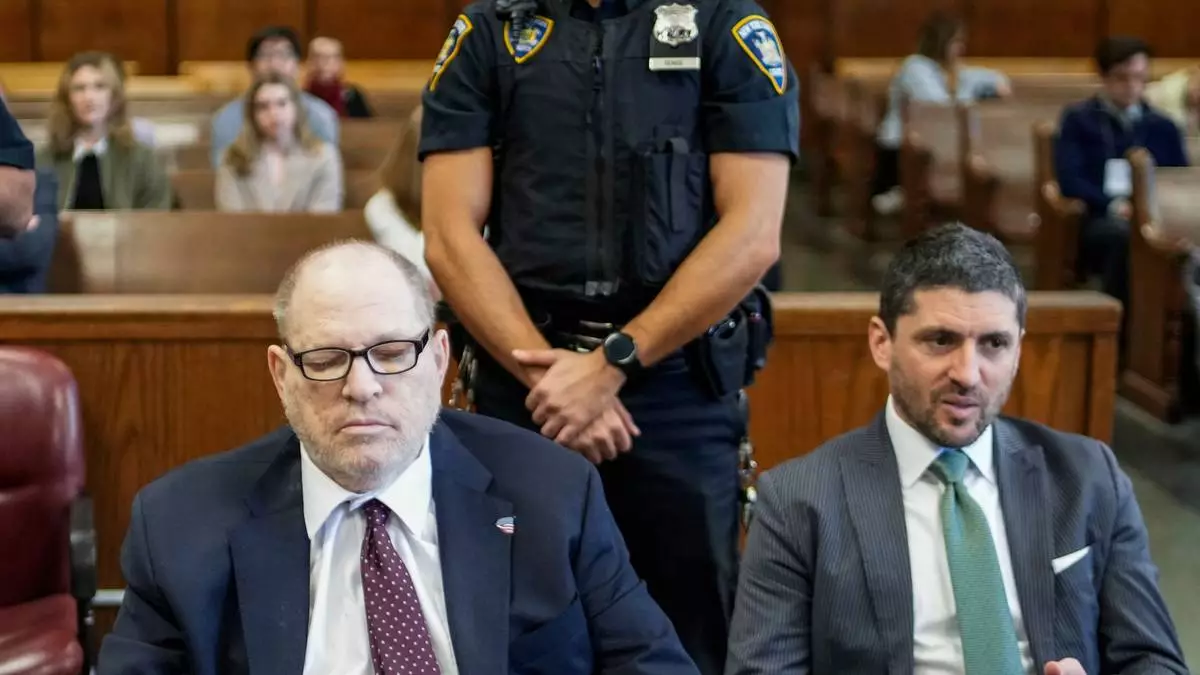
Harvey Weinstein appears in Manhattan criminal court on Tuesday, May 12, 2026, in New York. (Eduardo Munoz/Pool Photo via AP)
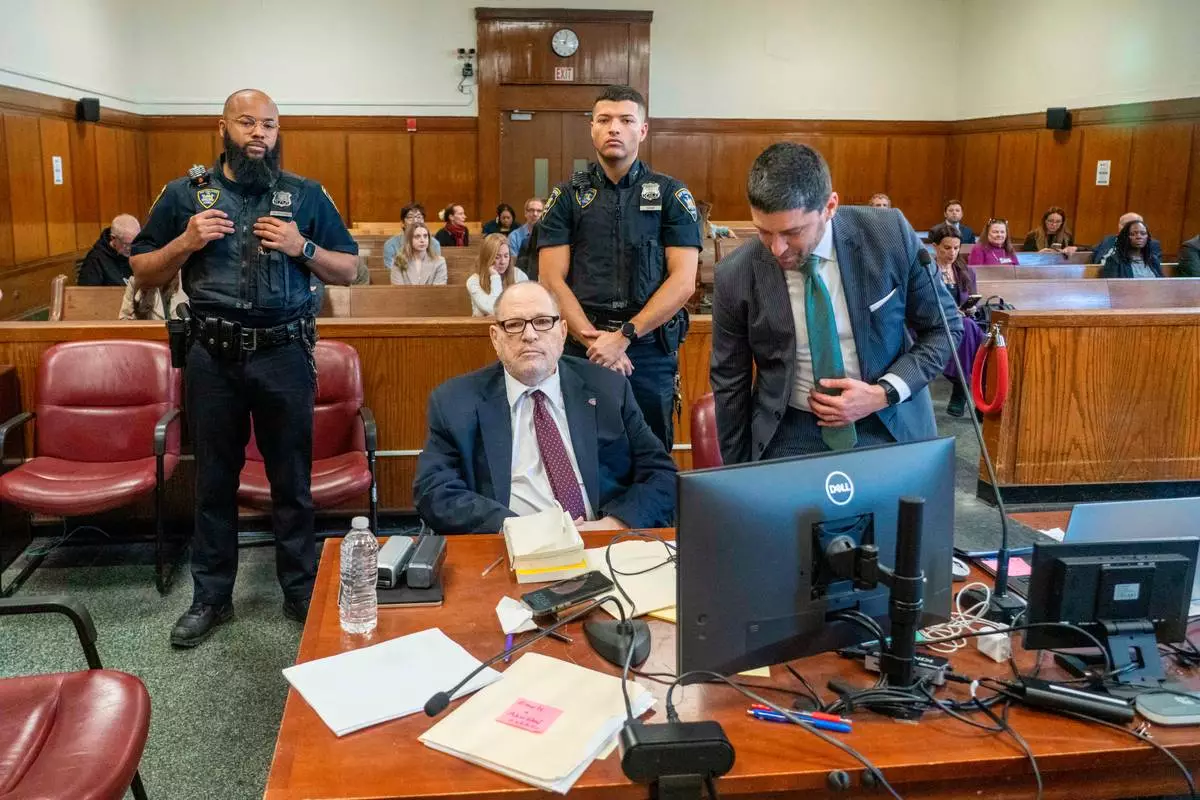
Harvey Weinstein appears in Manhattan criminal court on Tuesday, May 12, 2026, in New York. (Steven Hirsch/New York Post via AP, Pool)
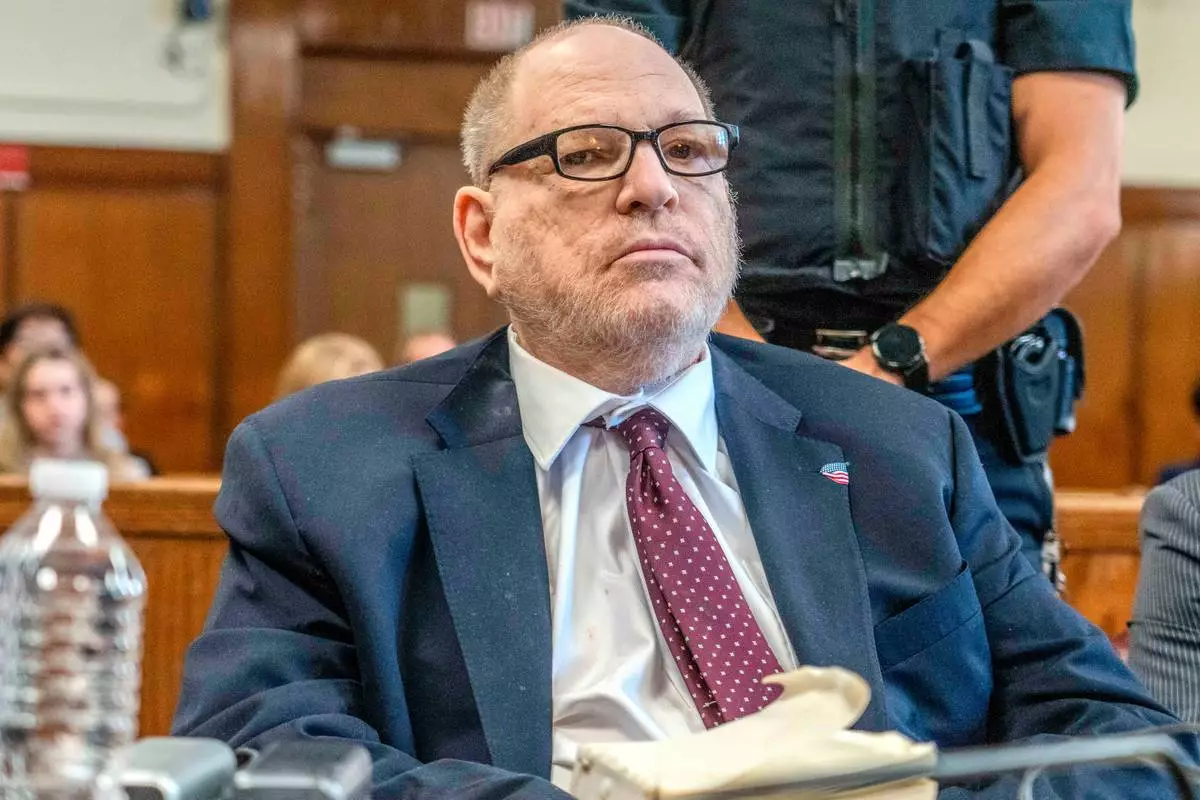
Harvey Weinstein appears in Manhattan criminal court on Tuesday, May 12, 2026, in New York. (Steven Hirsch/New York Post via AP, Pool)
Missouri's top court heard an important legal challenge Tuesday to one of President Donald Trump's earliest redistricting successes, while lawmakers in Louisiana and South Carolina weigh whether to become the latest Republican states to redraw U.S. House districts ahead of the November midterm elections.
Rather than waning, a national redistricting battle that began 10 months ago has intensified — inflamed by a recent U.S. Supreme Court ruling that weakened the federal Voting Rights Act and provided grounds for states to try to eliminate voting districts with large minority populations.
Missouri was the second Republican state after Texas to heed Trump's call last year to redraw congressional districts to help the GOP win additional seats in the midterms. Opponents argued Tuesday that the gerrymandered districts violated a state compactness requirement and should have been suspended last December when activists submitted more than 300,000 petition signatures seeking a public referendum. The state Supreme Court issued no immediate ruling.
Meanwhile, Republican lawmakers in Louisiana wrestled with how politically aggressive to be when redrawing House districts after the U.S. Supreme Court invalidated a majority-Black district as an illegal racial gerrymander. In South Carolina, Republicans facing pressure from Trump to redistrict weighed the political risks of doing so.
The ripples of the Louisiana ruling also extended into Alabama, where Republican Gov. Kay Ivey announced an Aug. 11 special primary for four of the state's seven congressional districts. That came after the U.S. Supreme Court on Monday overturned an order mandating use of a map with two largely Black districts. The state plans to switch to a map passed in 2023 that has only one majority-Black district, though opponents have asked a court to again block that plan.
Republicans think they could gain as many as 14 seats from new House maps enacted so far in Texas, Missouri, North Carolina, Ohio, Florida and Tennessee. Democrats, meanwhile, think they could gain six seats from new maps in California and Utah. The Virginia Supreme Court last week struck down a redistricting effort that could have yielded four more winnable seats for Democrats.
Attorneys for voters challenging Missouri's new map focused on changes to a Kansas City-based district long represented by Democratic U.S. Rep. Emanuel Cleaver, who previously was the city’s first Black mayor.
The new map takes a compact urban district that covered 20 miles (32 kilometers) and two counties and stretches it 200 miles (322 kilometers) over 15 counties, distorting it “into a sprawling behemoth that cuts clear across the state to unite territories that share nothing in common,” said Abha Khanna, an attorney who has represented Democrats in voting and redistricting cases across the country.
A lower court ruled in March that the map as a whole satisfied the compactness requirement, even though the Kansas City district is less compact. No Missouri court has ever struck down a congressional map for not being compact, said attorney John Gore, who defended the districts on behalf of the Republican Party.
A second case heard by the high court centered on whether the new map took effect in December, as asserted by Republican Attorney General Catherine Hanaway and Republican Secretary of State Denny Hoskins, or whether it should have been suspended when referendum signatures were submitted.
To suspend the map before validating the signatures would let activists temporarily undercut laws by submitting boxes of fraudulent signatures, Missouri Solicitor General Lou Capozzi argued.
But to not immediately suspend the map “would dilute the referendum right, if not destroy it altogether,” said attorney Jonathan Hawley, arguing for voters who sued.
Republican officials contend the new districts can be suspended only after Hoskins determines the petition meets constitutional requirements and has enough valid signatures. Hoskins has until Aug. 4, the day of Missouri’s primary elections, to make that determination. A state judge in March agreed with Republicans’ position.
Louisiana state Sen. Jay Morris, a Republican who drafted redistricting bills that would eliminate one or both of the state’s majority Black districts, told lawmakers Monday that he received death threats after Friday's contentious hearing in which he told members of the public to “shut up.”
Morris acknowledged the outburst but denied the Louisiana Democratic Party’s assertion — blasted across social media and in a press release — that he also used the derogatory term “boy” toward its executive director, Dadrius Lanus, who is Black.
State Sen. Gary Carter, one of three Black Democrats serving alongside six white Republicans on the Senate committee overseeing redistricting, told The Associated Press on Tuesday that he had withdrawn from the committee “to help restore the decorum and focus that this moment demands” after shouting at Republicans during last Friday’s hearing. Carter publicly apologized on Monday to Morris and his Senate colleagues for having “lost my temper” and for any remarks that were taken as “personal attacks.”
Carter is the nephew of U.S. Rep. Troy Carter, a Democrat who represents New Orleans and is at risk of losing his seat in the redistricting process. Gary Carter is being replaced on the committee with state Sen. Royce Duplessis, a Democrat representing New Orleans.
A South Carolina House committee on Tuesday was considering whether to send a congressional redistricting plan to the full chamber for debate, alongside a proposal to delay the June 9 congressional primaries until August.
That comes even as some absentee and overseas military ballots already have been cast, and the state’s top election official warned of an “extremely tight” deadline where one problem or mistake could derail an election.
Any redistricting effort also must clear the Senate, where support is uncertain. Two-thirds of senators have to agree before the regular General Assembly session ends Thursday to let the legislature take up redistricting later.
Trump said on social media Monday that he was closely watching the redistricting vote, urging South Carolina senators to “be bold and courageous” and to delay the House primaries so new districts can be drawn.
Although Republicans have a supermajority in the chamber, some GOP senators aren’t sure the proposed map guarantees the party can unseat longtime Democratic U.S. Rep. Jim Clyburn. They also said it could push enough Democrats into other districts to backfire, resulting in a 5-2 or even a 4-3 Republican split.
Republican Senate Majority Leader Shane Massey acknowledged the pressure from Trump, but said he doesn't like being asked to bend to someone’s will instead of doing what’s best for his state.
“I got too much Southern in my blood,” Massey said. “I’ve got too much resistance in my heritage.”
Brook reported from Baton Rouge, Louisiana, Chandler from Montgomery, Alabama, Collins from Columbia, South Carolina, and Lieb from Jefferson City, Missouri.
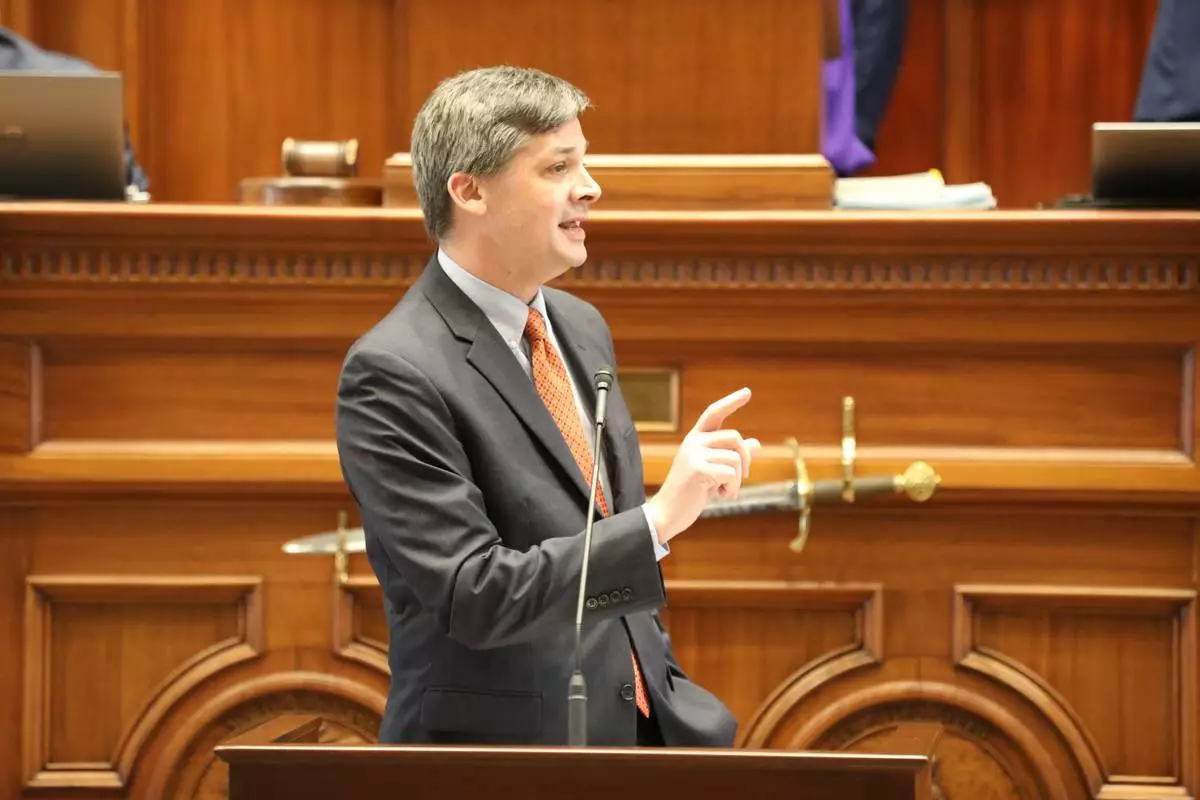
Republican South Carolina Senate Majority Leader Shane Massey speaks during a debate on redistricting on Tuesday, May 12, 2026, in Columbia, S.C. (AP Photo/Jeffrey Collins)
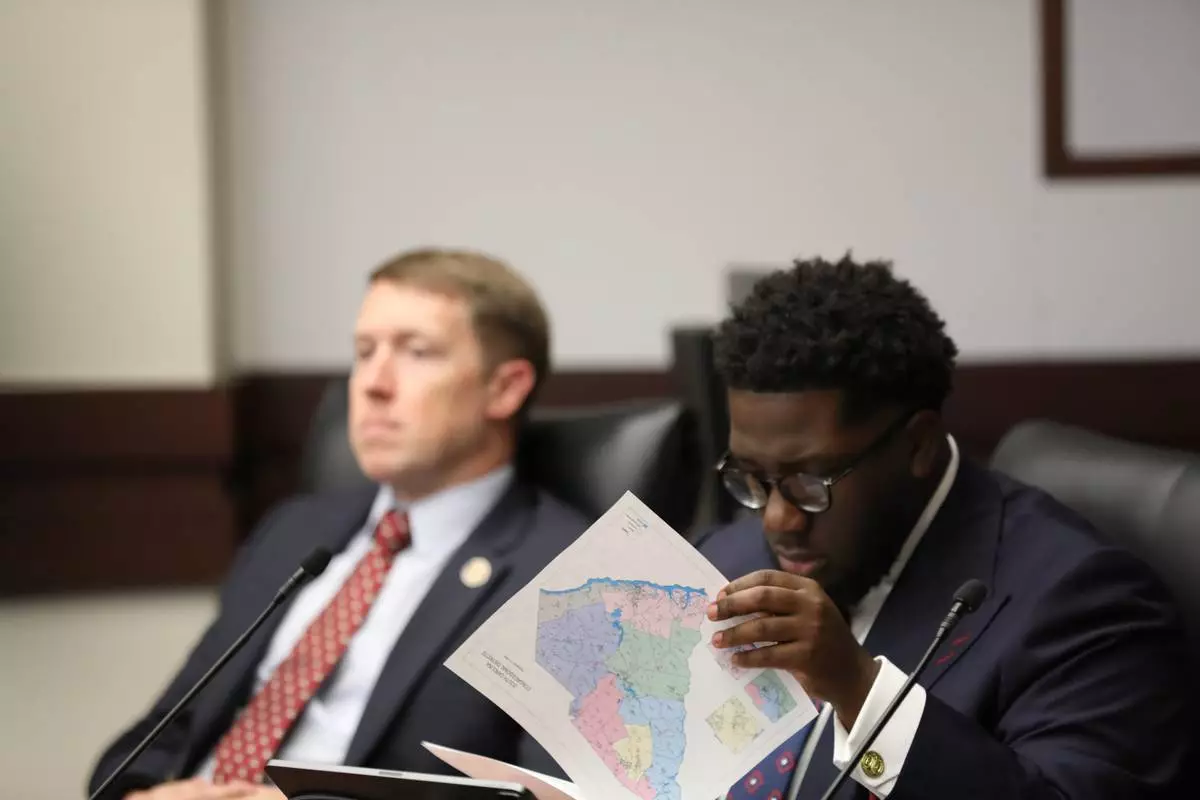
South Carolina Democratic Rep. Keishan Scott looks at a proposed U.S. House district map during a redistricting hearing in a state House Judiciary subcommittee on Tuesday, May, 12 2026, in Columbia, S.C. (AP Photo/Jeffrey Collins)
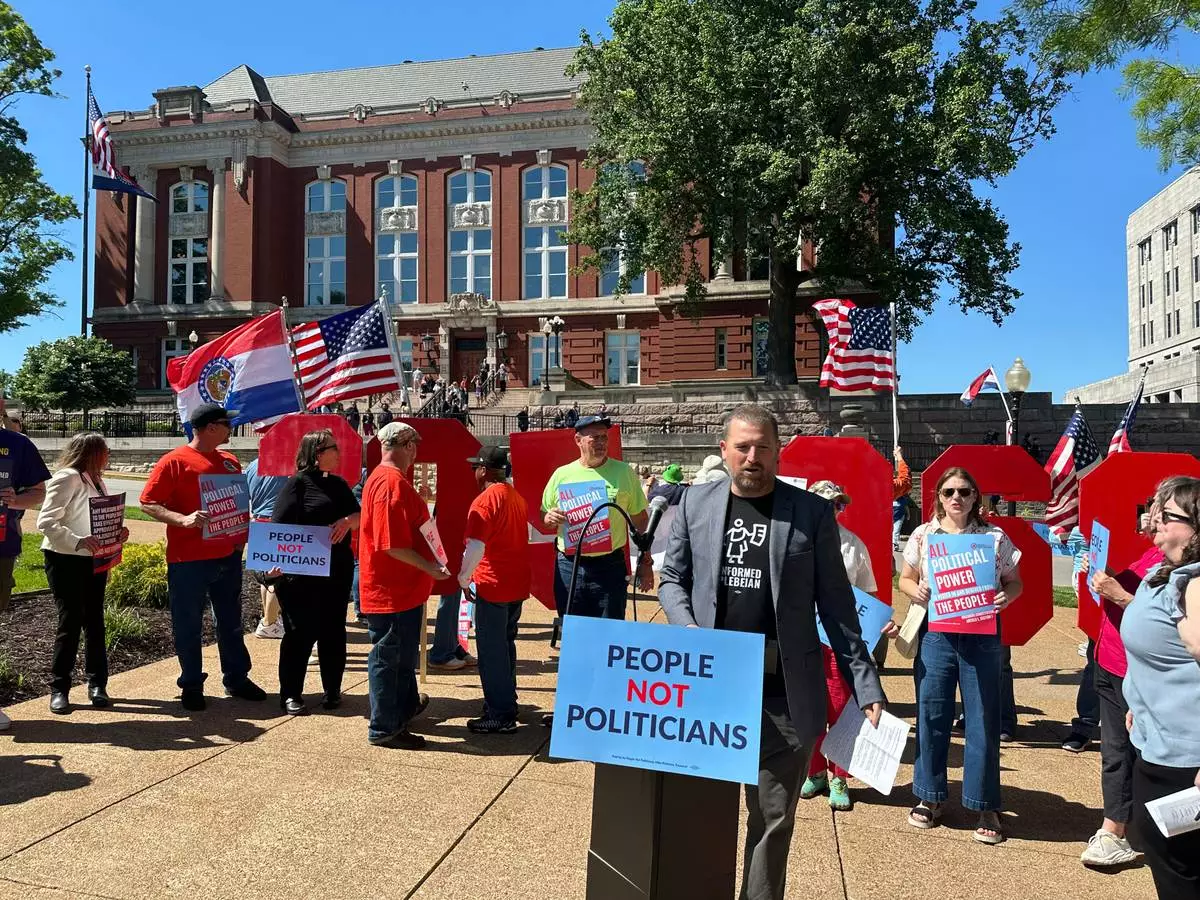
Richard Von Glahn, executive director of People Not Politicians, organizes a rally against a Missouri congressional redistricting plan after in front of the state Supreme Court on Tuesday, May 12, 2026, in Jefferson City, Mo. (AP Photo/David A. Lieb)
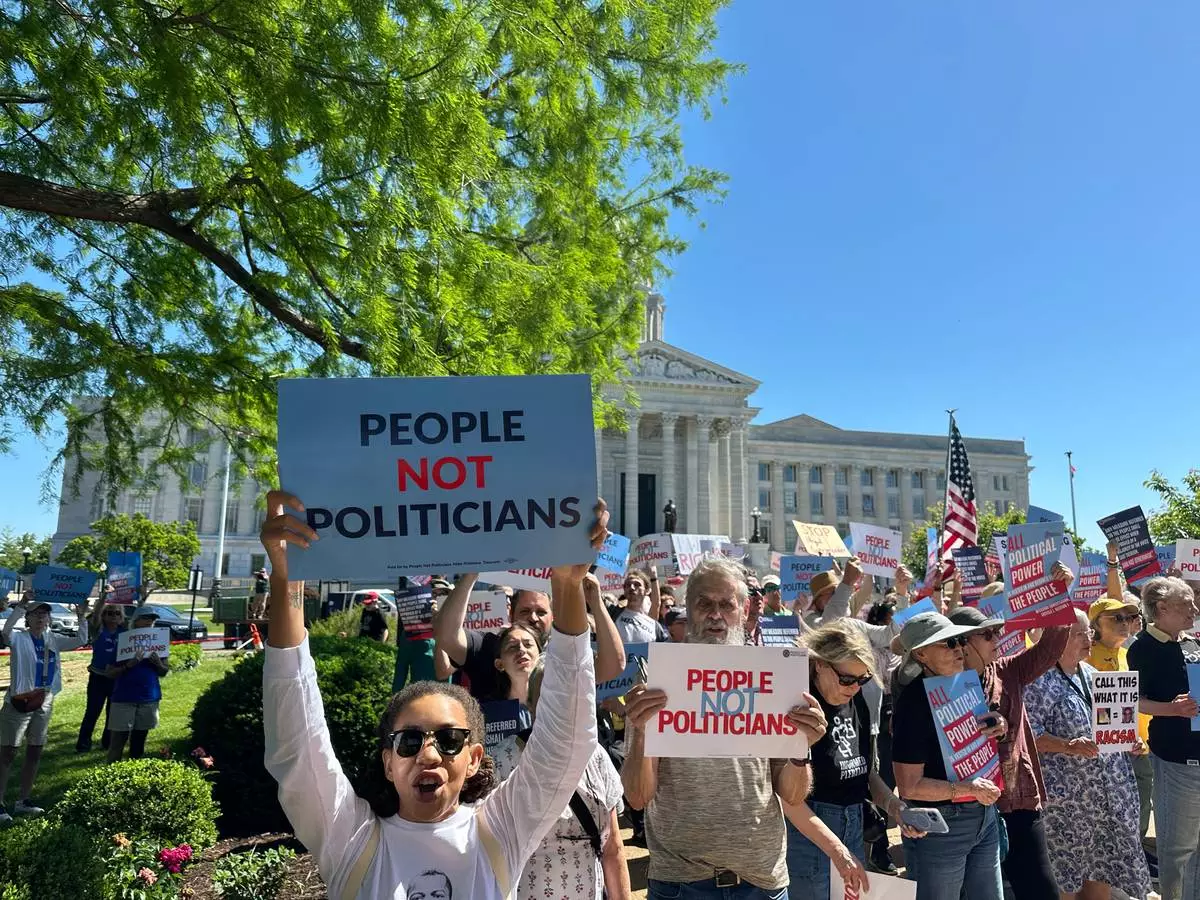
Protesters against a Missouri congressional redistricting plan gather outside the Missouri Capitol on Tuesday, May 12, 2026, in Jefferson City, Mo. (AP Photo/David A. Lieb)
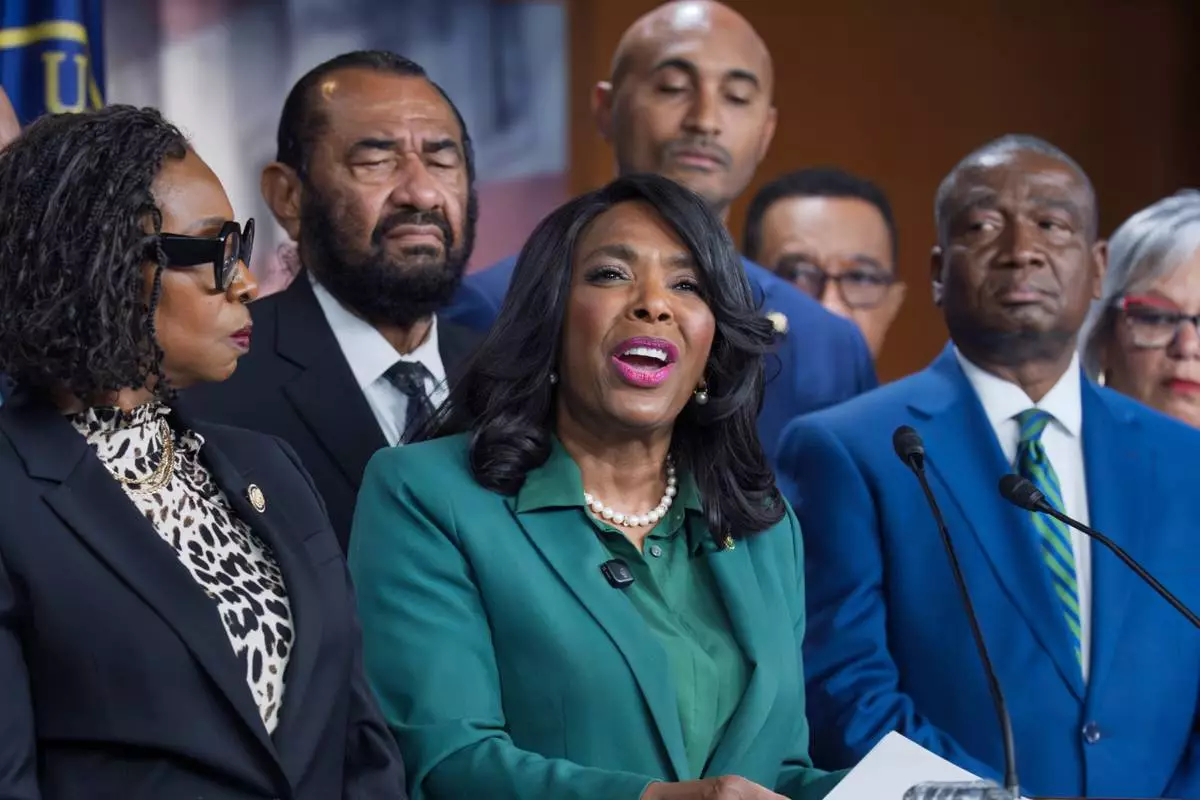
FILE—Rep. Terri Sewell, D-Ala., center, is surrounded by members of the Congressional Black Caucus as they speak to reporters in the wake of the Supreme Court ruling to strike down a majority Black congressional district in Louisiana, at the Capitol in Washington, Wednesday, April 29, 2026. (AP Photo/J. Scott Applewhite, File)
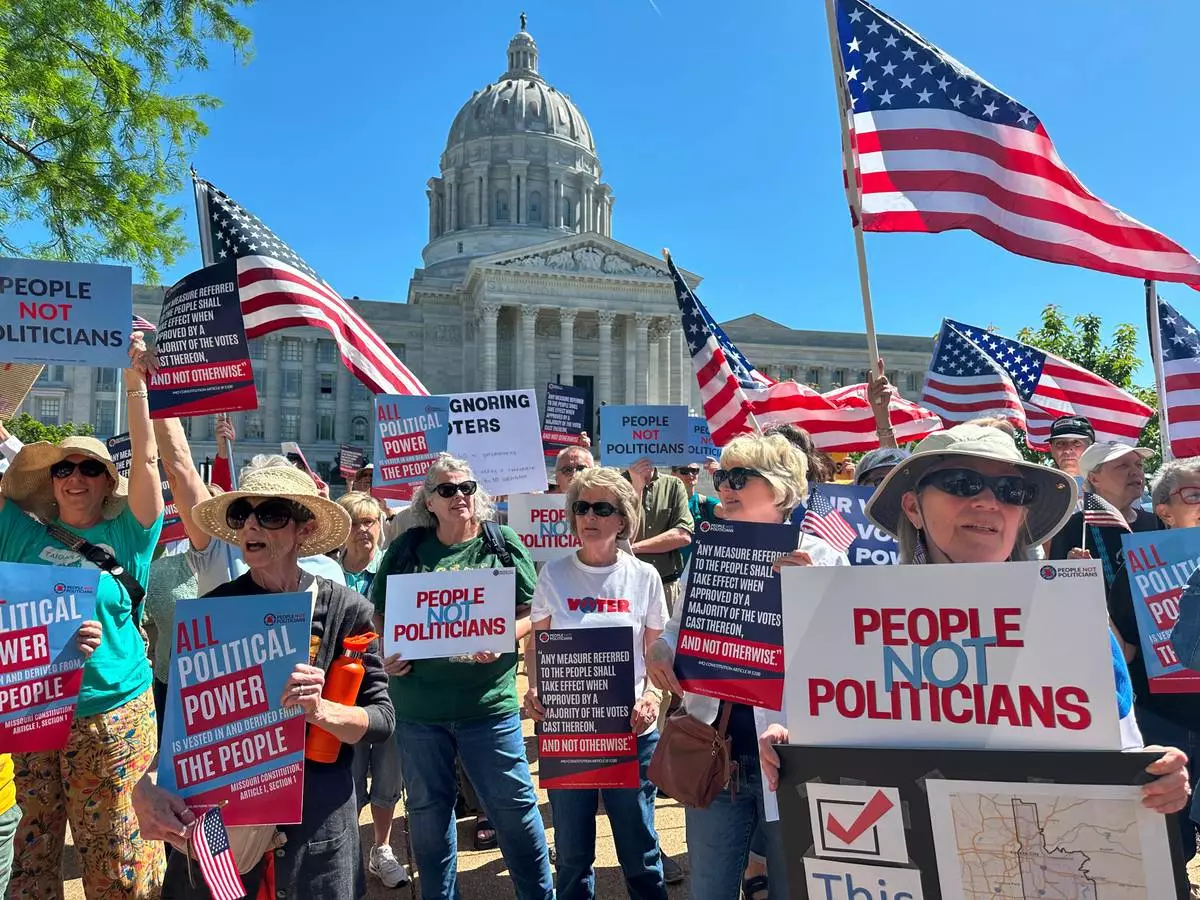
Protesters against a Missouri congressional redistricting plan gather outside the Missouri Capitol on Tuesday, May 12, 2026, in Jefferson City, Mo. (AP Photo/David A. Lieb)
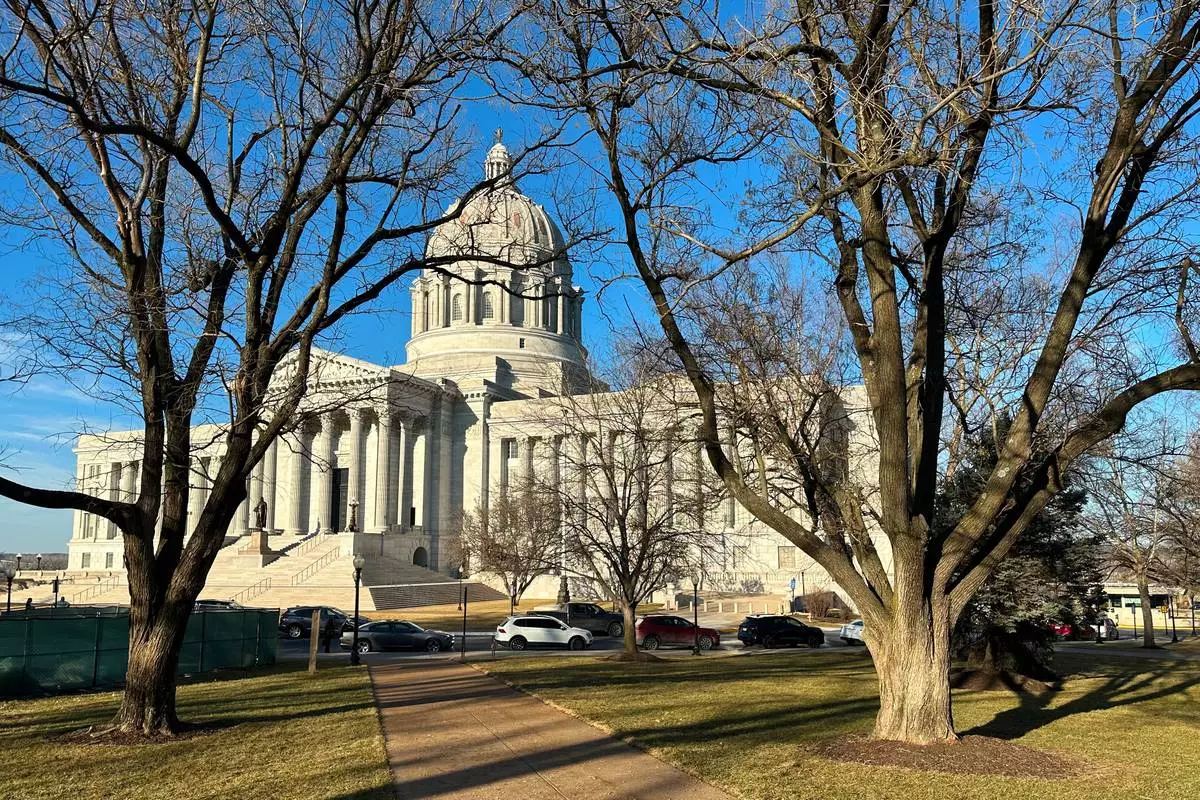
The Missouri Capitol is seen Monday, Feb. 9, 2026, in Jefferson City, Mo. (AP Photo/David A. Lieb)
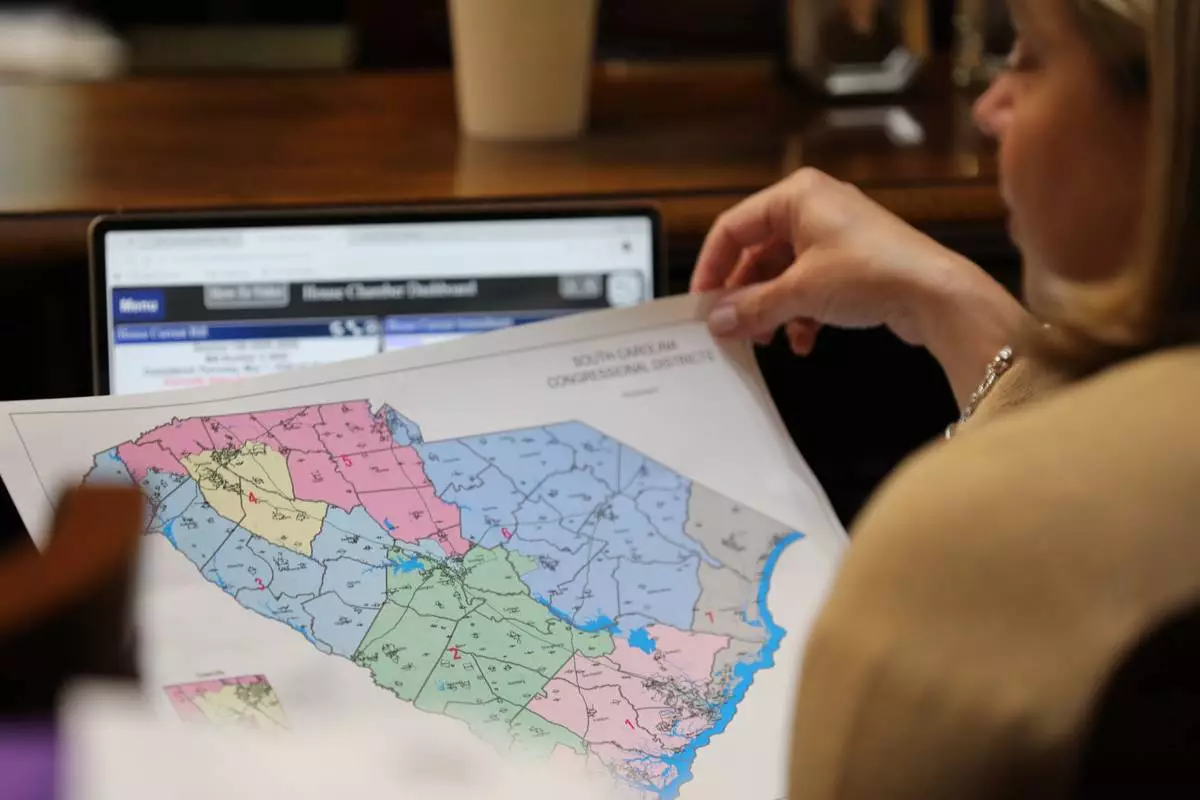
Republican South Carolina Rep. Jackie Terribile looks at a proposed map of new U.S. House districts for South Carolina on Thursday, May 7, 2026, in Columbia, S.C. (AP Photo/Jeffrey Collins)