Skip to Content Facebook Feature Image

Cyprus anticipates migration surge after Turkey opens border

News

Cyprus anticipates migration surge after Turkey opens border
News

News

Cyprus anticipates migration surge after Turkey opens border

2020-03-04 02:15 Last Updated At:02:20

Cyprus is ramping up for a surge in illegal immigration after Turkey's president made good on a threat to stop intercepting people trying to reach Europe, Cypriot officials said Tuesday.

Cyprus is a mere 51 miles (83 kilometers) away from Turkey at its nearest point. The island nation already is a leader within the European Union in the number of asylum-seekers relative to its population. Cypriot authorities said they've seen a noticeable spike in arriving migrants in the last few days.

More Images
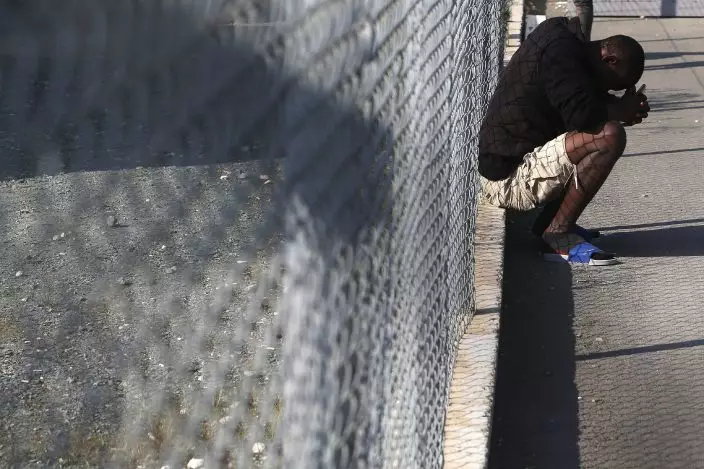
A migrant sits by the fences inside a refugee camp in Kokkinotrimithia outside of Nicosia, Cyprus, Tuesday, March 3, 2020. The government of ethnically divided Cyprus is ramping up measures to stem migrant inflows amid fears of a surge of new arrivals following Turkey's decision to open its borders to those seeking to enter Europe illegally. (AP PhotoPetros Karadjias)
A migrant sits by the fences inside a refugee camp in Kokkinotrimithia outside of Nicosia, Cyprus, Tuesday, March 3, 2020. The government of ethnically divided Cyprus is ramping up measures to stem migrant inflows amid fears of a surge of new arrivals following Turkey's decision to open its borders to those seeking to enter Europe illegally. (AP PhotoPetros Karadjias)
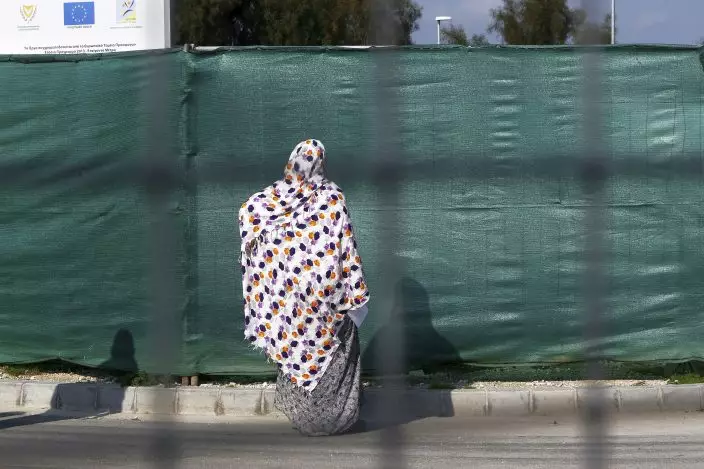
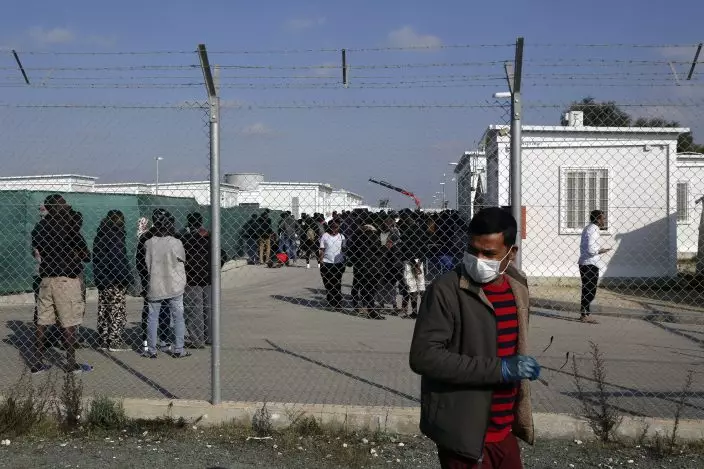
A migrant stands inside a refugee camp in Kokkinotrimithia outside of Nicosia, Cyprus, Tuesday, March 3, 2020. The government of ethnically divided Cyprus is ramping up measures to stem migrant inflows amid fears of a surge of new arrivals following Turkey's decision to open its borders to those seeking to enter Europe illegally. (AP PhotoPetros Karadjias)
A migrant stands inside a refugee camp in Kokkinotrimithia outside of Nicosia, Cyprus, Tuesday, March 3, 2020. The government of ethnically divided Cyprus is ramping up measures to stem migrant inflows amid fears of a surge of new arrivals following Turkey's decision to open its borders to those seeking to enter Europe illegally. (AP PhotoPetros Karadjias)
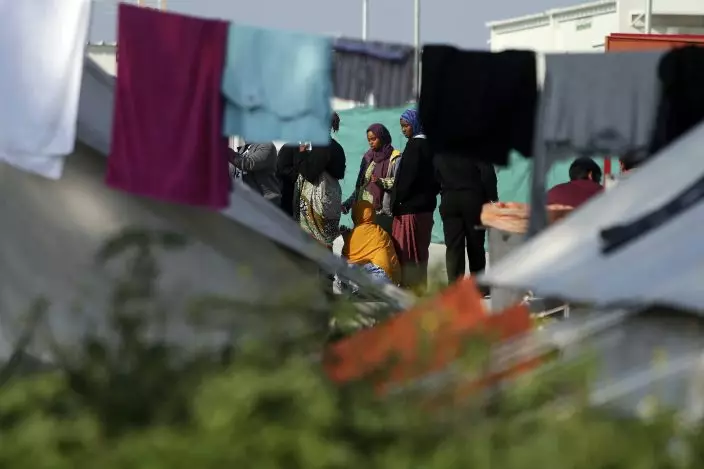
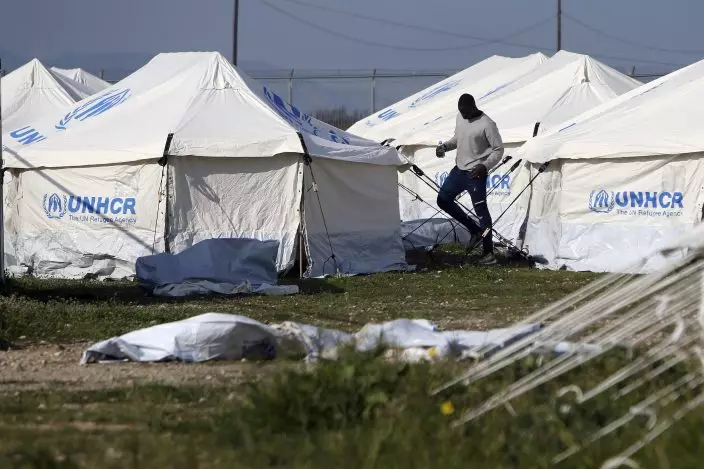
A migrant walks by the tents inside a refugee camp in Kokkinotrimithia outside of Nicosia, Cyprus, Tuesday, March 3, 2020. The government of ethnically divided Cyprus is ramping up measures to stem migrant inflows amid fears of a surge of new arrivals following Turkey's decision to open its borders to those seeking to enter Europe illegally. (AP PhotoPetros Karadjias)
A migrant walks by the tents inside a refugee camp in Kokkinotrimithia outside of Nicosia, Cyprus, Tuesday, March 3, 2020. The government of ethnically divided Cyprus is ramping up measures to stem migrant inflows amid fears of a surge of new arrivals following Turkey's decision to open its borders to those seeking to enter Europe illegally. (AP PhotoPetros Karadjias)

A migrant walks by the tents inside a refugee camp in Kokkinotrimithia outside of Nicosia, Cyprus, Tuesday, March 3, 2020. The government of ethnically divided Cyprus is ramping up measures to stem migrant inflows amid fears of a surge of new arrivals following Turkey's decision to open its borders to those seeking to enter Europe illegally. (AP PhotoPetros Karadjias)
A migrant walks by the tents inside a refugee camp in Kokkinotrimithia outside of Nicosia, Cyprus, Tuesday, March 3, 2020. The government of ethnically divided Cyprus is ramping up measures to stem migrant inflows amid fears of a surge of new arrivals following Turkey's decision to open its borders to those seeking to enter Europe illegally. (AP PhotoPetros Karadjias)
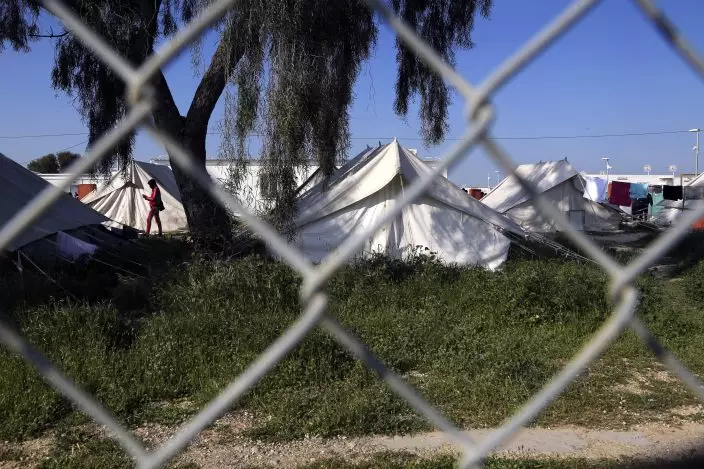
Migrants are seen inside a refugee camp in Kokkinotrimithia outside of Nicosia, Cyprus, Tuesday, March 3, 2020. The government of ethnically divided Cyprus is ramping up measures to stem migrant inflows amid fears of a surge of new arrivals following Turkey's decision to open its borders to those seeking to enter Europe illegally. (AP PhotoPetros Karadjias)
Migrants are seen inside a refugee camp in Kokkinotrimithia outside of Nicosia, Cyprus, Tuesday, March 3, 2020. The government of ethnically divided Cyprus is ramping up measures to stem migrant inflows amid fears of a surge of new arrivals following Turkey's decision to open its borders to those seeking to enter Europe illegally. (AP PhotoPetros Karadjias)

Migrants are seen inside a refugee camp in Kokkinotrimithia outside of Nicosia, Cyprus, Tuesday, March 3, 2020. The government of ethnically divided Cyprus is ramping up measures to stem migrant inflows amid fears of a surge of new arrivals following Turkey's decision to open its borders to those seeking to enter Europe illegally. (AP PhotoPetros Karadjias)

Migrants are seen inside a refugee camp in Kokkinotrimithia outside of Nicosia, Cyprus, Tuesday, March 3, 2020. The government of ethnically divided Cyprus is ramping up measures to stem migrant inflows amid fears of a surge of new arrivals following Turkey's decision to open its borders to those seeking to enter Europe illegally. (AP PhotoPetros Karadjias)
“Certainly, this concerns us, and we want to see what measures we can take in order to guard against any change in the country’s demographic character but without discounting human suffering,” Cypriot President Nicos Anastasiades said.

A migrant sits by the fences inside a refugee camp in Kokkinotrimithia outside of Nicosia, Cyprus, Tuesday, March 3, 2020. The government of ethnically divided Cyprus is ramping up measures to stem migrant inflows amid fears of a surge of new arrivals following Turkey's decision to open its borders to those seeking to enter Europe illegally. (AP PhotoPetros Karadjias)

A migrant sits by the fences inside a refugee camp in Kokkinotrimithia outside of Nicosia, Cyprus, Tuesday, March 3, 2020. The government of ethnically divided Cyprus is ramping up measures to stem migrant inflows amid fears of a surge of new arrivals following Turkey's decision to open its borders to those seeking to enter Europe illegally. (AP PhotoPetros Karadjias)
Anastasiades pointed to the “encouragement” he accused Turkey of giving to thousands of people to cross into Greece and Bulgaria and suggested that Ankara has been doing the same relative to Cyprus.

Under a 2016 agreement with the European Union, Turkey tried to keep migrants and refugees from setting off for European. The deal called for the EU to provide in return billions of euros in funding for the care of Syrian refugees in Turkey.

Government officials in ethnically divided Cyprus have accused Turkey for months of deliberately channeling migrants from the breakaway Turkish Cypriot north to the internationally recognized Greek Cypriot south.

A migrant stands inside a refugee camp in Kokkinotrimithia outside of Nicosia, Cyprus, Tuesday, March 3, 2020. The government of ethnically divided Cyprus is ramping up measures to stem migrant inflows amid fears of a surge of new arrivals following Turkey's decision to open its borders to those seeking to enter Europe illegally. (AP PhotoPetros Karadjias)

A migrant stands inside a refugee camp in Kokkinotrimithia outside of Nicosia, Cyprus, Tuesday, March 3, 2020. The government of ethnically divided Cyprus is ramping up measures to stem migrant inflows amid fears of a surge of new arrivals following Turkey's decision to open its borders to those seeking to enter Europe illegally. (AP PhotoPetros Karadjias)

Cyprus was split in 1974 when Turkey invaded following a coup by supporters of union with Greece. Only Turkey recognizes a Turkish Cypriot declaration of independence. Although Cyprus is a European Union member, only the south enjoys full membership benefits.

Interior Minister Nicos Nouris said 223 migrants reached the island's south in the last 72 hours, 153 of them arriving Tuesday. The numbers suggest an increase since south Cyprus has seen around 850 migrants in total arrive since the start of the year.

Another boat ferrying several dozen migrants also reached Cypriot shores later Tuesday.

A migrant walks by the tents inside a refugee camp in Kokkinotrimithia outside of Nicosia, Cyprus, Tuesday, March 3, 2020. The government of ethnically divided Cyprus is ramping up measures to stem migrant inflows amid fears of a surge of new arrivals following Turkey's decision to open its borders to those seeking to enter Europe illegally. (AP PhotoPetros Karadjias)

A migrant walks by the tents inside a refugee camp in Kokkinotrimithia outside of Nicosia, Cyprus, Tuesday, March 3, 2020. The government of ethnically divided Cyprus is ramping up measures to stem migrant inflows amid fears of a surge of new arrivals following Turkey's decision to open its borders to those seeking to enter Europe illegally. (AP PhotoPetros Karadjias)

Nouris said speeding up the asylum application process and getting the European Union to take charge of negotiations with third countries are key steps to make room for refugees and children fleeing conflict by deporting migrants fleeing poverty whose asylum claims are rejected.

“The number of economic migrants is no longer manageable simply because our limits have been surpassed,” Nouris said, adding that no one would be sent back to a country where their life would be in danger.

A migrant walks by the tents inside a refugee camp in Kokkinotrimithia outside of Nicosia, Cyprus, Tuesday, March 3, 2020. The government of ethnically divided Cyprus is ramping up measures to stem migrant inflows amid fears of a surge of new arrivals following Turkey's decision to open its borders to those seeking to enter Europe illegally. (AP PhotoPetros Karadjias)

A migrant walks by the tents inside a refugee camp in Kokkinotrimithia outside of Nicosia, Cyprus, Tuesday, March 3, 2020. The government of ethnically divided Cyprus is ramping up measures to stem migrant inflows amid fears of a surge of new arrivals following Turkey's decision to open its borders to those seeking to enter Europe illegally. (AP PhotoPetros Karadjias)

Migrants are seen inside a refugee camp in Kokkinotrimithia outside of Nicosia, Cyprus, Tuesday, March 3, 2020. The government of ethnically divided Cyprus is ramping up measures to stem migrant inflows amid fears of a surge of new arrivals following Turkey's decision to open its borders to those seeking to enter Europe illegally. (AP PhotoPetros Karadjias)

Migrants are seen inside a refugee camp in Kokkinotrimithia outside of Nicosia, Cyprus, Tuesday, March 3, 2020. The government of ethnically divided Cyprus is ramping up measures to stem migrant inflows amid fears of a surge of new arrivals following Turkey's decision to open its borders to those seeking to enter Europe illegally. (AP PhotoPetros Karadjias)

Migrants are seen inside a refugee camp in Kokkinotrimithia outside of Nicosia, Cyprus, Tuesday, March 3, 2020. The government of ethnically divided Cyprus is ramping up measures to stem migrant inflows amid fears of a surge of new arrivals following Turkey's decision to open its borders to those seeking to enter Europe illegally. (AP PhotoPetros Karadjias)

Migrants are seen inside a refugee camp in Kokkinotrimithia outside of Nicosia, Cyprus, Tuesday, March 3, 2020. The government of ethnically divided Cyprus is ramping up measures to stem migrant inflows amid fears of a surge of new arrivals following Turkey's decision to open its borders to those seeking to enter Europe illegally. (AP PhotoPetros Karadjias)

WASHINGTON (AP) — President Donald Trump on Thursday signed an executive order that would impose a tariff on any goods from countries that sell or provide oil to Cuba, a move that could further cripple an island plagued by a deepening energy crisis.

The order would primarily put pressure on Mexico, a government that has acted as an oil lifeline for Cuba and has constantly voiced solidarity for the U.S. adversary even as President Claudia Sheinbaum has sought to build a strong relationship with Trump.

Trump was asked by a reporter Thursday whether he was trying to “choke off” Cuba, which he called a “failing nation.”

“The word ‘choke off’ is awfully tough,” Trump said. “I’m not trying to, but, it looks like it’s something that’s just not going to be able to survive."

Trump and Sheinbaum spoke by phone Thursday morning. Afterward, asked by a reporter if they had discussed Cuba, Sheinbaum said no.

“We didn’t address the issue of Cuba,” Sheinbaum said, adding that Mexico’s foreign affairs secretary had discussed with U.S. Secretary of State Marco Rubio that it was “very important” for Mexico to maintain its humanitarian aid to Cuba and Mexico was willing to serve as an intermediary between the U.S. and Cuba.

This week has been marked by speculation that Mexico would slash oil shipments to Cuba under mounting pressure by Trump to distance itself from the Cuban government.

In its deepening energy and economic crisis, fueled in part by strict economic sanctions by the U.S., Cuba has relied heavily on foreign assistance and oil shipments from allies like Mexico, Russia and Venezuela before a U.S. military operation ousted former Venezuelan President Nicolás Maduro. Since the Venezuela operation, Trump has said that no more Venezuelan oil will go to Cuba and the Cuban government is ready to fall.

In its most recent report, Mexico's state-owned oil company Pemex said it shipped nearly 20,000 barrels of oil per day to Cuba from January through Sept. 30, 2025. That month, U.S. Secretary of State Marco Rubio visited Mexico City. Afterward, Jorge Piñon, an expert at the University of Texas Energy Institute who tracks shipments using satellite technology, said the figure had fallen to about 7,000 barrels.

Sheinbaum has been incredibly vague about where her country stood, and this week has given roundabout and ambiguous answers to inquiries about the shipments, and dodged reporters questions in her morning press briefings.

On Tuesday, Sheinbaum said that Pemex, had at least temporarily paused some oil shipments to Cuba, but struck an ambiguous tone, saying the pause was part of general fluctuations in oil supplies and that it was a “sovereign decision” not made under pressure from the United States. Sheinbaum has said that Mexico would continue to show solidarity with Havana, but didn’t clarify what kind of support Mexico would offer.

On Wednesday, the Latin American leader claimed she never said that Mexico has completely “suspended” shipments and that “humanitarian aid" to Cuba would continue and that decisions about shipments to Cuba were determined by Pemex contracts.

“So the contract determines when shipments are sent and when they are not sent,” Sheinbaum said.

The lack of clarity from the leader has underscored the extreme pressure Mexico and other Latin American nations are under as Trump has grown more confrontational following the Venezuelan operation.

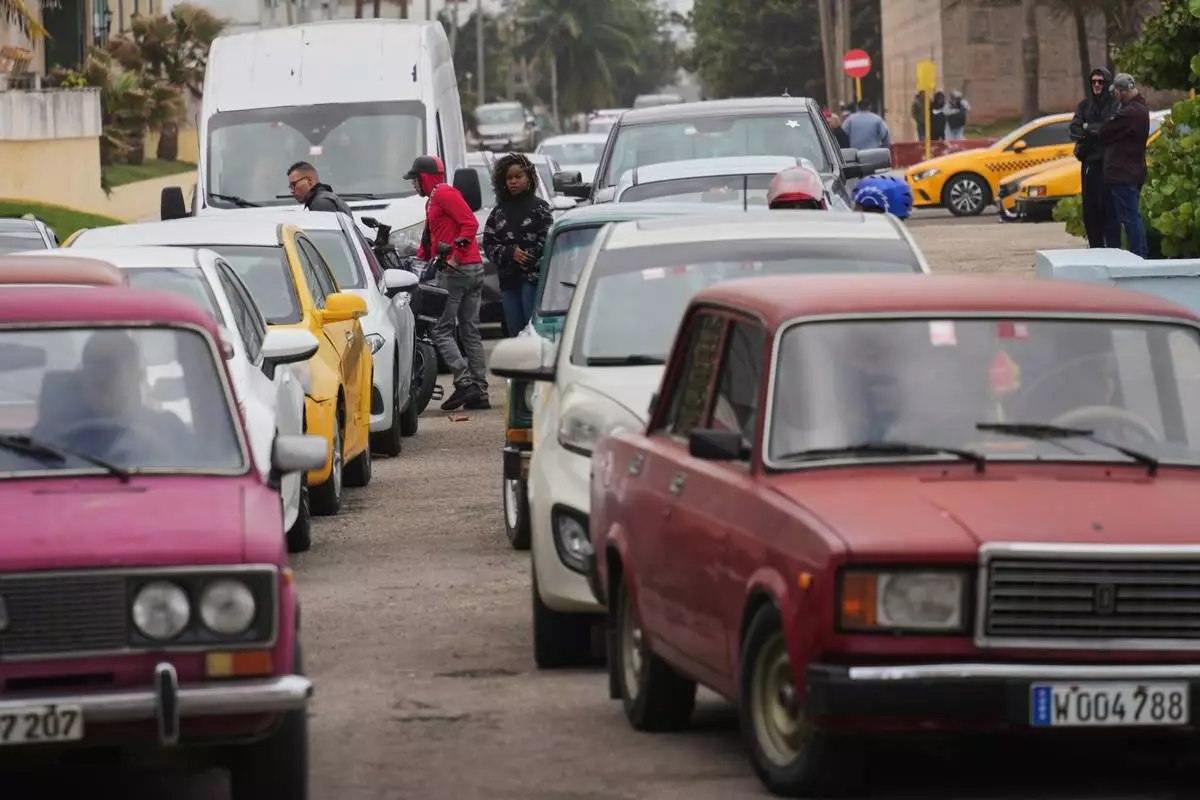
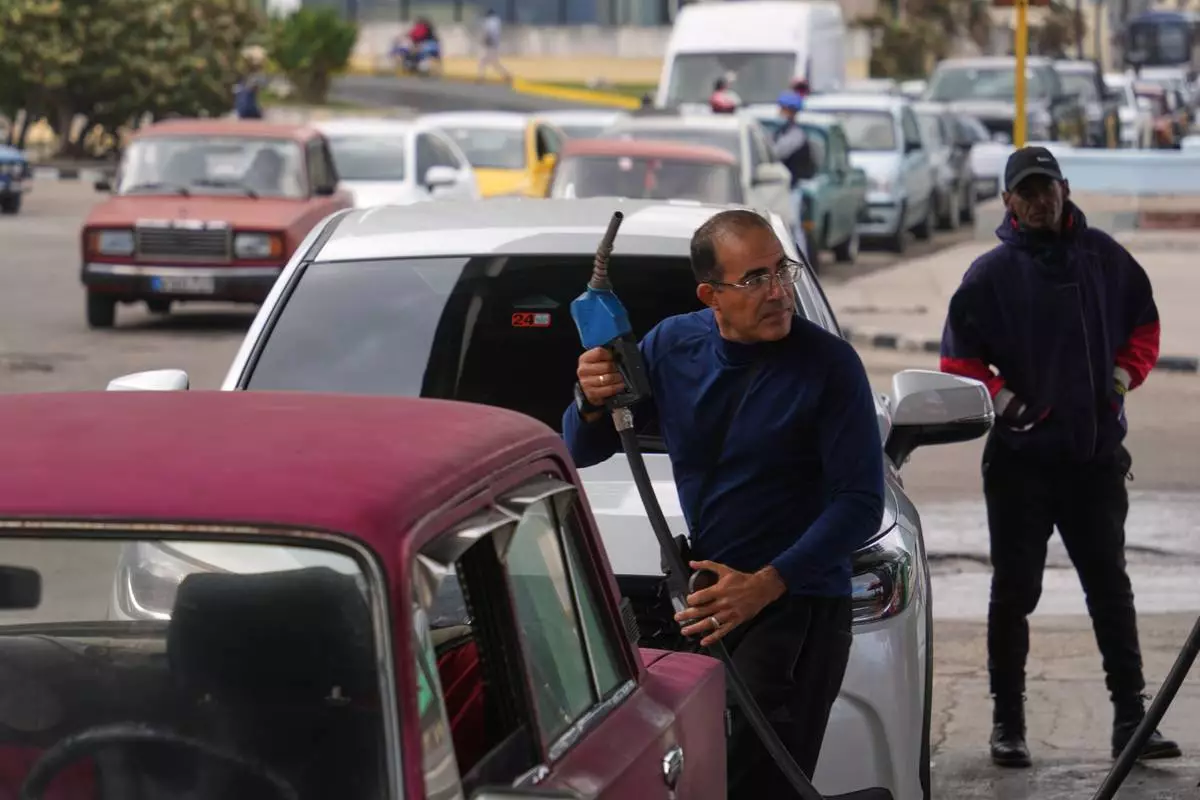
It remains unclear what the Thursday order by Trump will mean for Cuba, which has been roiled by crisis for years and a U.S. embargo. Anxieties were already simmering on the Caribbean island as many drivers sat in long lines this week for gasoline, many unsure of what would come next.

Cuban authorities did not immediately respond to a request for comment.

Janetsky reported from Mexico City. Associated Press journalist Andrea Rodríguez contributed to this report from Havana.

Drivers wait in line to fill up at a gas station in Havana, Cuba, Tuesday, Jan. 27, 2026. (AP Photo/Ramon Espinosa)

Drivers wait in line to fill up at a gas station in Havana, Cuba, Tuesday, Jan. 27, 2026. (AP Photo/Ramon Espinosa)

Tourists travel in a classic American car along the Malecon littered with sargassum seaweed, in Havana, Cuba, Wednesday, Jan. 28, 2026. (AP Photo/Ramon Espinosa)

Tourists travel in a classic American car along the Malecon littered with sargassum seaweed, in Havana, Cuba, Wednesday, Jan. 28, 2026. (AP Photo/Ramon Espinosa)

A driver refuels others wait in a long line behind to fill up at a gas station in Havana, Cuba, Tuesday, Jan. 27, 2026. (AP Photo/Ramon Espinosa)

A driver refuels others wait in a long line behind to fill up at a gas station in Havana, Cuba, Tuesday, Jan. 27, 2026. (AP Photo/Ramon Espinosa)

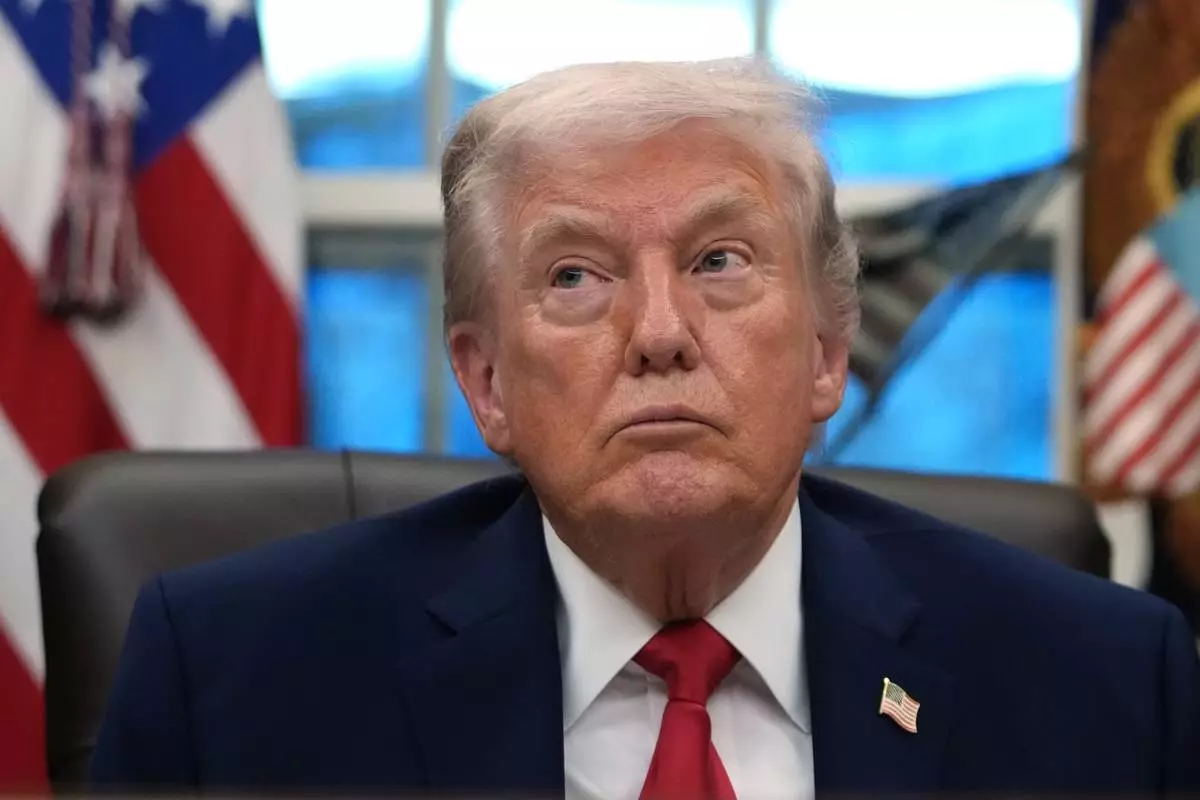
President Donald Trump listens during an event on addiction recovery in the Oval Office of the White House, Thursday, Jan. 29, 2026, in Washington. (AP Photo/Allison Robbert)

President Donald Trump listens during an event on addiction recovery in the Oval Office of the White House, Thursday, Jan. 29, 2026, in Washington. (AP Photo/Allison Robbert)

Recommended Articles