Skip to Content Facebook Feature Image

Election aftermath: LGBT emigres don't wait to see 2nd term

News

Election aftermath: LGBT emigres don't wait to see 2nd term
News

News

Election aftermath: LGBT emigres don't wait to see 2nd term

2020-08-06 14:06 Last Updated At:14:10

When a right-wing populist party won the right to govern Poland five years ago, Piotr Grabarczyk feared “bad things” might happen to gay men like him and other LGBT people. He sometimes considered leaving the country, but waited.

Friends and a job bound Grabarczyk to Warsaw, the relatively liberal capital city. He trusted that Poland's membership in the European Union would protect his community. Yet his dwindling faith finally fell away as President Andrzej Duda campaigned for reelection on an anti-LGBT platform - and won.

More Images
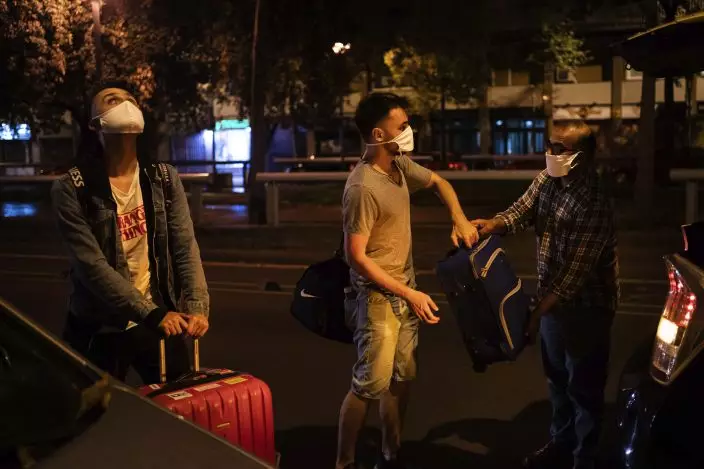
Piotr Grabarczyk, left, is helped by his boyfriend Kamil Pawlik, from Poland, after arriving in Barcelona, Spain, early Wednesday, July 29, 2020. Like them, many LGBT people are choosing to leave Poland amid rising homophobia promoted by President Andrzej Duda and other right-wing populist politicians in power. (AP PhotoFelipe Dana)
Piotr Grabarczyk, left, is helped by his boyfriend Kamil Pawlik, from Poland, after arriving in Barcelona, Spain, early Wednesday, July 29, 2020. Like them, many LGBT people are choosing to leave Poland amid rising homophobia promoted by President Andrzej Duda and other right-wing populist politicians in power. (AP PhotoFelipe Dana)

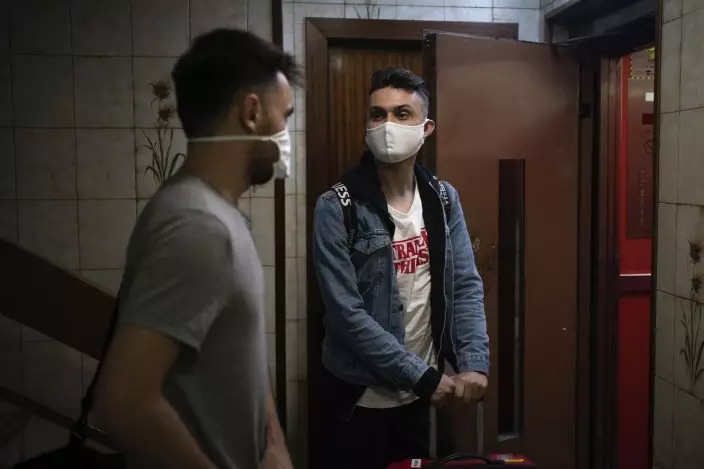
Piotr Grabarczyk, right, and his boyfriend Kamil Pawlik, from Poland, enter the elevator as they arrive in their temporary apartment in Barcelona, Spain, early Wednesday, July 29, 2020. Like them, many LGBT people are choosing to leave Poland amid rising homophobia promoted by President Andrzej Duda and other right-wing populist politicians in power. (AP PhotoFelipe Dana)
Piotr Grabarczyk, right, and his boyfriend Kamil Pawlik, from Poland, enter the elevator as they arrive in their temporary apartment in Barcelona, Spain, early Wednesday, July 29, 2020. Like them, many LGBT people are choosing to leave Poland amid rising homophobia promoted by President Andrzej Duda and other right-wing populist politicians in power. (AP PhotoFelipe Dana)

Piotr Grabarczyk and his boyfriend Kamil Pawlik, right, walk in a park near the Sagrada Familia basilica in Barcelona, Spain, Thursday, July 30, 2020. Grabarczyk and Pawlik are starting over in Spain, a country that — unlike Poland — allows same-sex couples the right to marry and adopt children. Like them, many LGBT people are choosing to leave Poland amid rising homophobia promoted by President Andrzej Duda and other right-wing populist politicians in power. (AP PhotoFelipe Dana)
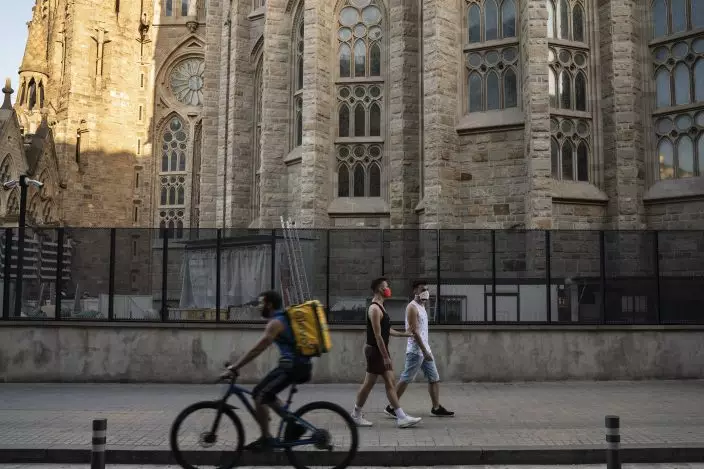
Piotr Grabarczyk and his boyfriend Kamil Pawlik, right, walk in a park near the Sagrada Familia basilica in Barcelona, Spain, Thursday, July 30, 2020. Grabarczyk and Pawlik are starting over in Spain, a country that — unlike Poland — allows same-sex couples the right to marry and adopt children. Like them, many LGBT people are choosing to leave Poland amid rising homophobia promoted by President Andrzej Duda and other right-wing populist politicians in power. (AP PhotoFelipe Dana)
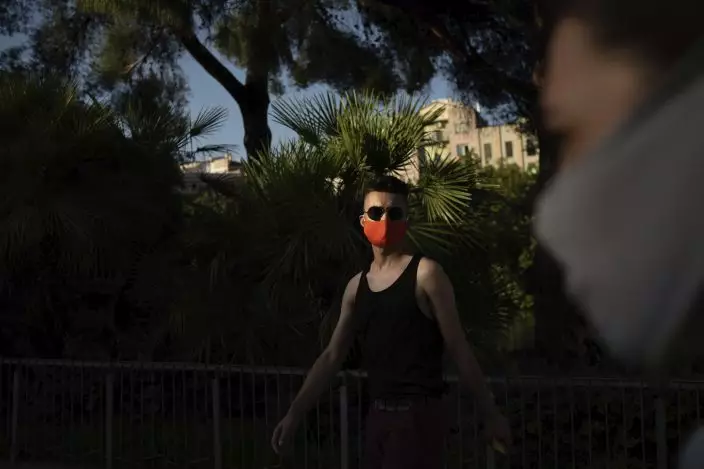
Piotr Grabarczyk, from Poland, walks at a park in Barcelona, Spain, Thursday, July 30, 2020. Grabarczyk and his boyfriend are starting over in Spain, a country that — unlike Poland — allows same-sex couples the right to marry and adopt children. Like them, many LGBT people are choosing to leave Poland amid rising homophobia promoted by President Andrzej Duda and other right-wing populist politicians in power. (AP PhotoFelipe Dana)

Piotr Grabarczyk, from Poland, walks at a park in Barcelona, Spain, Thursday, July 30, 2020. Grabarczyk and his boyfriend are starting over in Spain, a country that — unlike Poland — allows same-sex couples the right to marry and adopt children. Like them, many LGBT people are choosing to leave Poland amid rising homophobia promoted by President Andrzej Duda and other right-wing populist politicians in power. (AP PhotoFelipe Dana)

Piotr Grabarczyk, from Poland, pets a dog as he walks at a park with his boyfriend Kamil Pawlik, in Barcelona, Spain, Thursday, July 30, 2020. Grabarczyk and Pawlik are starting over in Spain, a country that — unlike Poland — allows same-sex couples the right to marry and adopt children. Like them, many LGBT people are choosing to leave Poland amid rising homophobia promoted by President Andrzej Duda and other right-wing populist politicians in power. (AP PhotoFelipe Dana)

Piotr Grabarczyk, from Poland, pets a dog as he walks at a park with his boyfriend Kamil Pawlik, in Barcelona, Spain, Thursday, July 30, 2020. Grabarczyk and Pawlik are starting over in Spain, a country that — unlike Poland — allows same-sex couples the right to marry and adopt children. Like them, many LGBT people are choosing to leave Poland amid rising homophobia promoted by President Andrzej Duda and other right-wing populist politicians in power. (AP PhotoFelipe Dana)

Piotr Grabarczyk and his boyfriend Kamil Pawlik, right, walk by the Sagrada Familia basilica in Barcelona, Spain, Thursday, July 30, 2020. Grabarczyk and Pawlik are starting over in Spain, a country that — unlike Poland — allows same-sex couples the right to marry and adopt children. Like them, many LGBT people are choosing to leave Poland amid rising homophobia promoted by President Andrzej Duda and other right-wing populist politicians in power. (AP PhotoFelipe Dana)

Piotr Grabarczyk and his boyfriend Kamil Pawlik, right, walk by the Sagrada Familia basilica in Barcelona, Spain, Thursday, July 30, 2020. Grabarczyk and Pawlik are starting over in Spain, a country that — unlike Poland — allows same-sex couples the right to marry and adopt children. Like them, many LGBT people are choosing to leave Poland amid rising homophobia promoted by President Andrzej Duda and other right-wing populist politicians in power. (AP PhotoFelipe Dana)

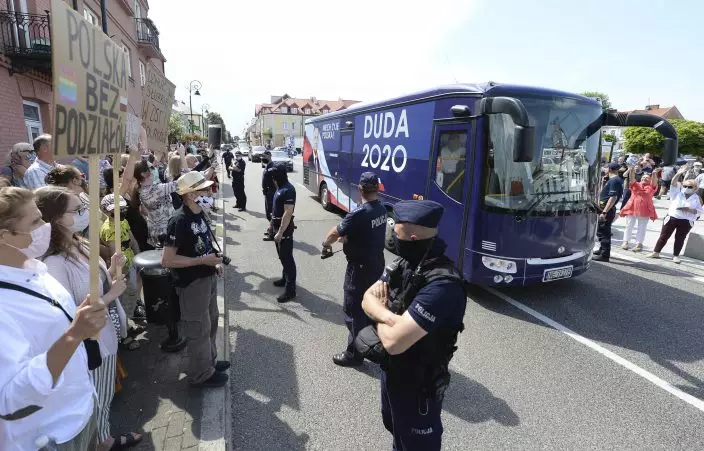
FILE - In this June 17, 2020 file photo, Pro-LGBT protesters greet the arrival of a campaign bus of Polish President Andrzej Duda in Serock, Poland. Duda is being sworn in for a second term on Thursday after a campaign that cast LGBT rights as a dangerous and threatening "ideology." The rising homophobia of authorities in the largely Catholic country is pushing some LGBT people to make plans to emigrate from Poland.(AP PhotoCzarek Sokolowskifile)
FILE - In this June 17, 2020 file photo, Pro-LGBT protesters greet the arrival of a campaign bus of Polish President Andrzej Duda in Serock, Poland. Duda is being sworn in for a second term on Thursday after a campaign that cast LGBT rights as a dangerous and threatening "ideology." The rising homophobia of authorities in the largely Catholic country is pushing some LGBT people to make plans to emigrate from Poland.(AP PhotoCzarek Sokolowskifile)

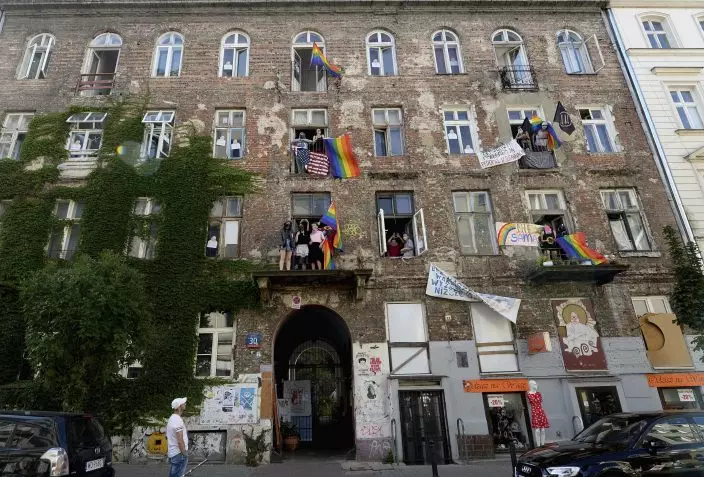
In this July 30, 2020 taken photo people occupied a house in support of LGBT protesters in Warsaw, Poland. LGBT people are choosing to leave Poland amid rising homophobia promoted by President Andrzej Duda and other right-wing populist politicians in power. On Thursday, with Duda to be sworn in for a second term as president, some LGBT people have already left Poland or are making plans to leave. (AP PhotoCzarek Sokolowski)
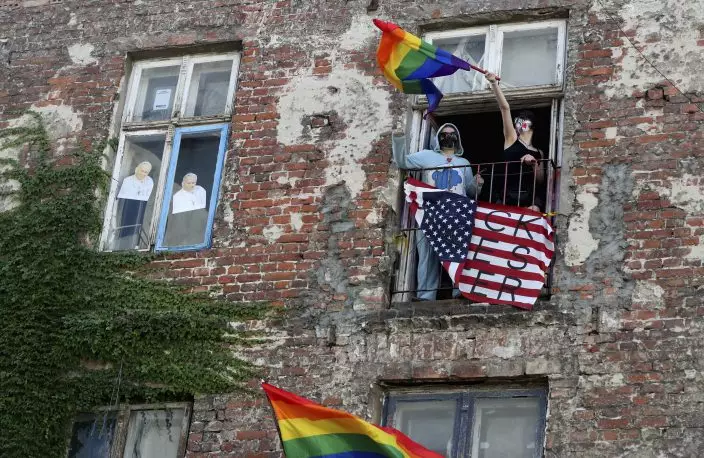
In this July 30, 2020 taken photo people occupied a house in support of LGBT protesters in Warsaw, Poland. LGBT people are choosing to leave Poland amid rising homophobia promoted by President Andrzej Duda and other right-wing populist politicians in power. On Thursday, with Duda to be sworn in for a second term as president, some LGBT people have already left Poland or are making plans to leave. (AP PhotoCzarek Sokolowski)
In this July 30, 2020 taken photo people occupied a house in support of LGBT protesters in Warsaw, Poland. LGBT people are choosing to leave Poland amid rising homophobia promoted by President Andrzej Duda and other right-wing populist politicians in power. On Thursday, with Duda to be sworn in for a second term as president, some LGBT people have already left Poland or are making plans to leave. (AP PhotoCzarek Sokolowski)
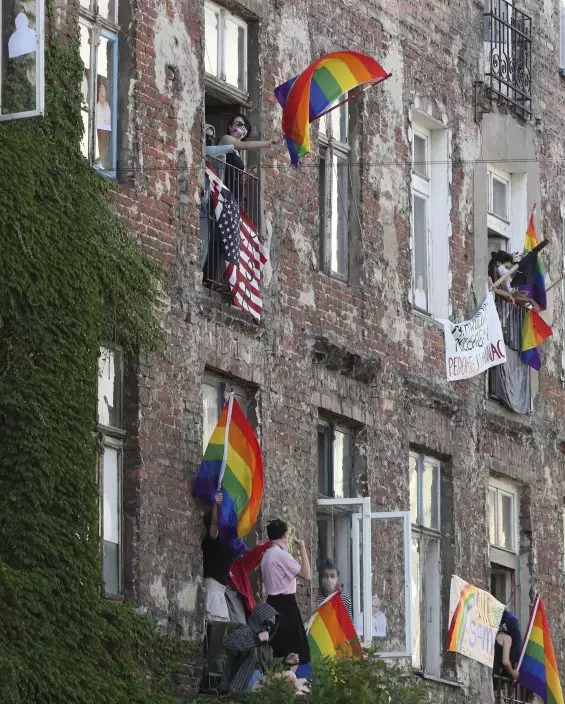
In this July 30, 2020 taken photo people occupied a house in support of LGBT protesters in Warsaw, Poland. LGBT people are choosing to leave Poland amid rising homophobia promoted by President Andrzej Duda and other right-wing populist politicians in power. On Thursday, with Duda to be sworn in for a second term as president, some LGBT people have already left Poland or are making plans to leave. (AP PhotoCzarek Sokolowski)
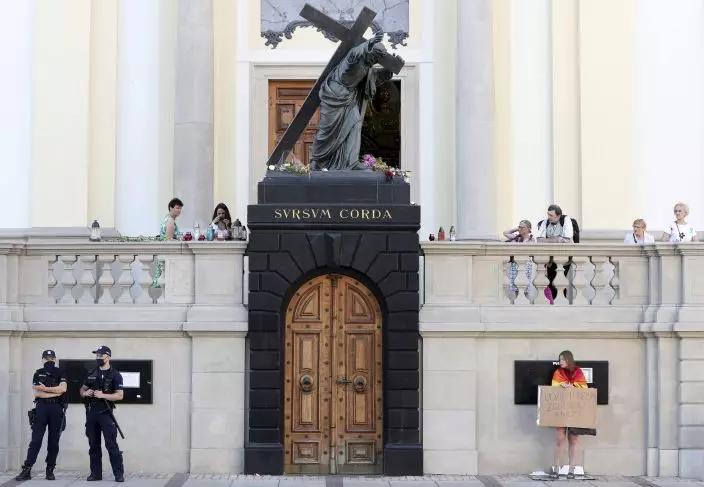
In this Aug. 2, 2020 taken photo an LGBT rights activist draped in a rainbow flag holds a sign in front of a church in Warsaw, Poland. LGBT people are choosing to leave Poland amid rising homophobia promoted by President Andrzej Duda and other right-wing populist politicians in power. On Thursday, with Duda to be sworn in for a second term as president, some LGBT people have already left Poland or are making plans to leave. (AP PhotoCzarek Sokolowski)
In this Aug. 2, 2020 taken photo an LGBT rights activist draped in a rainbow flag holds a sign in front of a church in Warsaw, Poland. LGBT people are choosing to leave Poland amid rising homophobia promoted by President Andrzej Duda and other right-wing populist politicians in power. On Thursday, with Duda to be sworn in for a second term as president, some LGBT people have already left Poland or are making plans to leave. (AP PhotoCzarek Sokolowski)
In this July 30, 2020 taken photo people occupied a house in support of LGBT protesters in Warsaw, Poland. LGBT people are choosing to leave Poland amid rising homophobia promoted by President Andrzej Duda and other right-wing populist politicians in power. On Thursday, with Duda to be sworn in for a second term as president, some LGBT people have already left Poland or are making plans to leave. (AP PhotoCzarek Sokolowski)
In this July 30, 2020 taken photo people occupied a house in support of LGBT protesters in Warsaw, Poland. LGBT people are choosing to leave Poland amid rising homophobia promoted by President Andrzej Duda and other right-wing populist politicians in power. On Thursday, with Duda to be sworn in for a second term as president, some LGBT people have already left Poland or are making plans to leave. (AP PhotoCzarek Sokolowski)
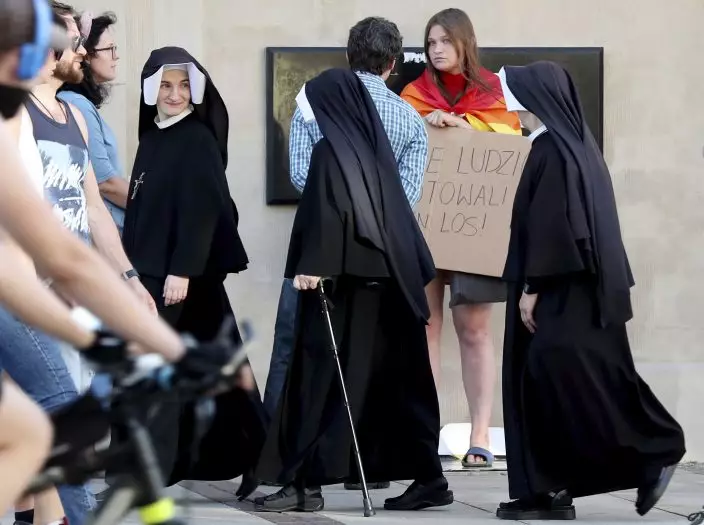
In this Aug. 2, 2020 taken photo nuns pass a LGBT protester in Warsaw, Poland. LGBT people are choosing to leave Poland amid rising homophobia promoted by President Andrzej Duda and other right-wing populist politicians in power. On Thursday, with Duda to be sworn in for a second term as president, some LGBT people have already left Poland or are making plans to leave. (AP PhotoCzarek Sokolowski)
In this Aug. 2, 2020 taken photo nuns pass a LGBT protester in Warsaw, Poland. LGBT people are choosing to leave Poland amid rising homophobia promoted by President Andrzej Duda and other right-wing populist politicians in power. On Thursday, with Duda to be sworn in for a second term as president, some LGBT people have already left Poland or are making plans to leave. (AP PhotoCzarek Sokolowski)
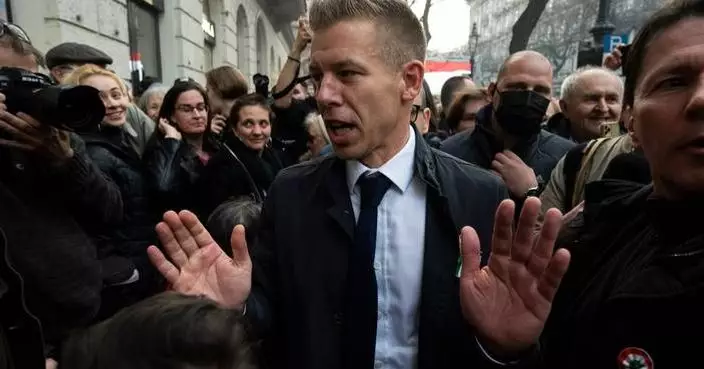
Duda, who repeatedly described the LGBT rights movement as a dangerous “ideology,” is being sworn into his second term Thursday. Grabarczyk, 31, is now gone, along with other gay, lesbian, bisexual and transgender Poles who emigrated to escape what they consider homophobia promoted by the highest levels of government.

Piotr Grabarczyk, left, is helped by his boyfriend Kamil Pawlik, from Poland, after arriving in Barcelona, Spain, early Wednesday, July 29, 2020. Like them, many LGBT people are choosing to leave Poland amid rising homophobia promoted by President Andrzej Duda and other right-wing populist politicians in power. (AP PhotoFelipe Dana)

Piotr Grabarczyk, left, is helped by his boyfriend Kamil Pawlik, from Poland, after arriving in Barcelona, Spain, early Wednesday, July 29, 2020. Like them, many LGBT people are choosing to leave Poland amid rising homophobia promoted by President Andrzej Duda and other right-wing populist politicians in power. (AP PhotoFelipe Dana)

“Like where’s the line? Is there a line they are not going to cross? I don’t know," Grabarczyk said after landing last week in Barcelona, Spain, where both same-sex marriages and adoptions are legal. "That was kind of scary.”

He spoke to The Associated Press alongside his boyfriend, Kamil Pawlik, 34, who left Poland three days after Duda beat Warsaw's mayor in a runoff last month.

While gays and lesbians have never had the legal right to marry or to form civil unions in Poland, as they can in much of Europe, many felt confident until not long ago that Polish society was becoming more accepting and that those rights would one day come.

Piotr Grabarczyk, right, and his boyfriend Kamil Pawlik, from Poland, enter the elevator as they arrive in their temporary apartment in Barcelona, Spain, early Wednesday, July 29, 2020. Like them, many LGBT people are choosing to leave Poland amid rising homophobia promoted by President Andrzej Duda and other right-wing populist politicians in power. (AP PhotoFelipe Dana)

Piotr Grabarczyk, right, and his boyfriend Kamil Pawlik, from Poland, enter the elevator as they arrive in their temporary apartment in Barcelona, Spain, early Wednesday, July 29, 2020. Like them, many LGBT people are choosing to leave Poland amid rising homophobia promoted by President Andrzej Duda and other right-wing populist politicians in power. (AP PhotoFelipe Dana)

They have instead faced a furious backlash from the Catholic Church and the government. Duda proposed a constitutional amendment to prevent same-sex couples from adopting children. Last year, the Roman Catholic archbishop of Krakow warned of a “rainbow plague," and the ruling Law and Justice party has described LGBT rights as a threat to families and Poland's Catholic identity.

While Grabarczyk, an entertainment reporter and blogger with a large YouTube following, and freelance graphic designer Pawlik are not planning marriage or children right now, the proposed adoption ban was their exit sign. They felt that it showed a determination by the authorities to put discrimination into law, as President Vladimir Putin has done in Russia.

No statistics exist on how many LGBT people have left Poland. Activists say some departed after Law and Justice and Duda, who is backed by the party, came to power in 2015 and created an unfriendly climate for liberals and minorities.

Piotr Grabarczyk and his boyfriend Kamil Pawlik, right, walk in a park near the Sagrada Familia basilica in Barcelona, Spain, Thursday, July 30, 2020. Grabarczyk and Pawlik are starting over in Spain, a country that — unlike Poland — allows same-sex couples the right to marry and adopt children. Like them, many LGBT people are choosing to leave Poland amid rising homophobia promoted by President Andrzej Duda and other right-wing populist politicians in power. (AP PhotoFelipe Dana)

Piotr Grabarczyk and his boyfriend Kamil Pawlik, right, walk in a park near the Sagrada Familia basilica in Barcelona, Spain, Thursday, July 30, 2020. Grabarczyk and Pawlik are starting over in Spain, a country that — unlike Poland — allows same-sex couples the right to marry and adopt children. Like them, many LGBT people are choosing to leave Poland amid rising homophobia promoted by President Andrzej Duda and other right-wing populist politicians in power. (AP PhotoFelipe Dana)

As Duda faced a tough electoral challenge from Warsaw Mayor Rafał Trzaskowski, the rhetoric grew harsher. He called the LGBT movement an “ideology” worse than communism and declared that LGBT was “not people.” He formally proposed a constitutional amendment banning same-sex adoptions.

After his victory, Duda apologized for language he acknowledged was sometimes too “harsh.” A prominent LGBT activist, Bart Staszewki, nevertheless asked on Facebook if anyone was thinking of moving away from Poland. He received hundreds of replies, mostly from people saying they were contemplating it or had already left.

Britain, Germany, the Netherlands, Spain and other European Union countries are where LGBT emigres are envisioning their futures. They follow generations of Poles who have fled political repression at home, including during the communist era.

Piotr Grabarczyk, from Poland, walks at a park in Barcelona, Spain, Thursday, July 30, 2020. Grabarczyk and his boyfriend are starting over in Spain, a country that — unlike Poland — allows same-sex couples the right to marry and adopt children. Like them, many LGBT people are choosing to leave Poland amid rising homophobia promoted by President Andrzej Duda and other right-wing populist politicians in power. (AP PhotoFelipe Dana)

Piotr Grabarczyk, from Poland, walks at a park in Barcelona, Spain, Thursday, July 30, 2020. Grabarczyk and his boyfriend are starting over in Spain, a country that — unlike Poland — allows same-sex couples the right to marry and adopt children. Like them, many LGBT people are choosing to leave Poland amid rising homophobia promoted by President Andrzej Duda and other right-wing populist politicians in power. (AP PhotoFelipe Dana)

The recent exodus also represents “a second wave of immigration” after the significant number of Poles who moved abroad to work when Poland joined the EU in 2004, Staszewski said.

“This time, people are not looking for better paid jobs, but they are looking for dignity and respect,” he said. “People want to feel that they are protected by the government and not treated as an enemy.”

Others are vowing to stay and fight for LGBT rights, among them Staszewski. The 29-year-old said he is inspired by the example of his grandparents, who participated in the underground Polish resistance against the German occupation of Poland during World War II.

Piotr Grabarczyk, from Poland, pets a dog as he walks at a park with his boyfriend Kamil Pawlik, in Barcelona, Spain, Thursday, July 30, 2020. Grabarczyk and Pawlik are starting over in Spain, a country that — unlike Poland — allows same-sex couples the right to marry and adopt children. Like them, many LGBT people are choosing to leave Poland amid rising homophobia promoted by President Andrzej Duda and other right-wing populist politicians in power. (AP PhotoFelipe Dana)

Piotr Grabarczyk, from Poland, pets a dog as he walks at a park with his boyfriend Kamil Pawlik, in Barcelona, Spain, Thursday, July 30, 2020. Grabarczyk and Pawlik are starting over in Spain, a country that — unlike Poland — allows same-sex couples the right to marry and adopt children. Like them, many LGBT people are choosing to leave Poland amid rising homophobia promoted by President Andrzej Duda and other right-wing populist politicians in power. (AP PhotoFelipe Dana)

But escape is not a realistic option for everyone, particularly those from rural areas without money, foreign languages or other skills required to start over in a new culture.

Michał Niepielski, 57, a radio technician in Krakow who has taken a case to the European Court of Human Rights in hopes of winning the right to marry his partner of 16 years, says he knows some English and could move, but would not be able to work in his field abroad.

Speaking to the AP, Niepielski confessed that he and his partner are “very afraid” but are trying to be positive in their social media comments. The EU's recent decision to deny small amounts of funding to Polish towns declaring themselves to be “LGBT free” gave them enough hope to keep on going, he said.

Piotr Grabarczyk and his boyfriend Kamil Pawlik, right, walk by the Sagrada Familia basilica in Barcelona, Spain, Thursday, July 30, 2020. Grabarczyk and Pawlik are starting over in Spain, a country that — unlike Poland — allows same-sex couples the right to marry and adopt children. Like them, many LGBT people are choosing to leave Poland amid rising homophobia promoted by President Andrzej Duda and other right-wing populist politicians in power. (AP PhotoFelipe Dana)

Piotr Grabarczyk and his boyfriend Kamil Pawlik, right, walk by the Sagrada Familia basilica in Barcelona, Spain, Thursday, July 30, 2020. Grabarczyk and Pawlik are starting over in Spain, a country that — unlike Poland — allows same-sex couples the right to marry and adopt children. Like them, many LGBT people are choosing to leave Poland amid rising homophobia promoted by President Andrzej Duda and other right-wing populist politicians in power. (AP PhotoFelipe Dana)

“We have sympathy with the people who haven’t come out of the closet yet and now will have to stay in the closet for a long time, perhaps until the end of their lives,” Niepielski said. “That’s a tragedy. That’s one reason we are staying.”

LGBT rights have continued to be a flash point since the election. The Justice Ministry awarded funding to a project designed to counteract crimes ”committed under the influence of LGBT ideology."

Activists protesting homophobia were also detained this week and questioned for hanging rainbow flags on statues in Warsaw, including one of Jesus. Prosecutors are investigating if they committed the crime of offending religious feelings and insulting monuments, which carries a possible prison sentence of up to three years.

FILE - In this June 17, 2020 file photo, Pro-LGBT protesters greet the arrival of a campaign bus of Polish President Andrzej Duda in Serock, Poland. Duda is being sworn in for a second term on Thursday after a campaign that cast LGBT rights as a dangerous and threatening "ideology." The rising homophobia of authorities in the largely Catholic country is pushing some LGBT people to make plans to emigrate from Poland.(AP PhotoCzarek Sokolowskifile)

FILE - In this June 17, 2020 file photo, Pro-LGBT protesters greet the arrival of a campaign bus of Polish President Andrzej Duda in Serock, Poland. Duda is being sworn in for a second term on Thursday after a campaign that cast LGBT rights as a dangerous and threatening "ideology." The rising homophobia of authorities in the largely Catholic country is pushing some LGBT people to make plans to emigrate from Poland.(AP PhotoCzarek Sokolowskifile)

Grabarczyk, who recently published an ebook of coming-out stories titled “Mom, I’m Gay. Dad, I’m a Lesbian,” said he feels guilty about leaving others behind while he and his boyfriend live in Barcelona. He recalls feeling as a teenager when Poland joined joined the European Union like he was in a new world, where borders didn't exist and it would be easy to meet people of different cultures, skin colors and sexual orientations.

“For us, it was a given to live in a world like that, and it's all crumbling down now,” he said of the couple's new “So it's only natural to seek a place where we can return to that.”

In this July 30, 2020 taken photo people occupied a house in support of LGBT protesters in Warsaw, Poland. LGBT people are choosing to leave Poland amid rising homophobia promoted by President Andrzej Duda and other right-wing populist politicians in power. On Thursday, with Duda to be sworn in for a second term as president, some LGBT people have already left Poland or are making plans to leave. (AP PhotoCzarek Sokolowski)

In this July 30, 2020 taken photo people occupied a house in support of LGBT protesters in Warsaw, Poland. LGBT people are choosing to leave Poland amid rising homophobia promoted by President Andrzej Duda and other right-wing populist politicians in power. On Thursday, with Duda to be sworn in for a second term as president, some LGBT people have already left Poland or are making plans to leave. (AP PhotoCzarek Sokolowski)
In this July 30, 2020 taken photo people occupied a house in support of LGBT protesters in Warsaw, Poland. LGBT people are choosing to leave Poland amid rising homophobia promoted by President Andrzej Duda and other right-wing populist politicians in power. On Thursday, with Duda to be sworn in for a second term as president, some LGBT people have already left Poland or are making plans to leave. (AP PhotoCzarek Sokolowski)

In this July 30, 2020 taken photo people occupied a house in support of LGBT protesters in Warsaw, Poland. LGBT people are choosing to leave Poland amid rising homophobia promoted by President Andrzej Duda and other right-wing populist politicians in power. On Thursday, with Duda to be sworn in for a second term as president, some LGBT people have already left Poland or are making plans to leave. (AP PhotoCzarek Sokolowski)

In this Aug. 2, 2020 taken photo an LGBT rights activist draped in a rainbow flag holds a sign in front of a church in Warsaw, Poland. LGBT people are choosing to leave Poland amid rising homophobia promoted by President Andrzej Duda and other right-wing populist politicians in power. On Thursday, with Duda to be sworn in for a second term as president, some LGBT people have already left Poland or are making plans to leave. (AP PhotoCzarek Sokolowski)
In this Aug. 2, 2020 taken photo an LGBT rights activist draped in a rainbow flag holds a sign in front of a church in Warsaw, Poland. LGBT people are choosing to leave Poland amid rising homophobia promoted by President Andrzej Duda and other right-wing populist politicians in power. On Thursday, with Duda to be sworn in for a second term as president, some LGBT people have already left Poland or are making plans to leave. (AP PhotoCzarek Sokolowski)

In this July 30, 2020 taken photo people occupied a house in support of LGBT protesters in Warsaw, Poland. LGBT people are choosing to leave Poland amid rising homophobia promoted by President Andrzej Duda and other right-wing populist politicians in power. On Thursday, with Duda to be sworn in for a second term as president, some LGBT people have already left Poland or are making plans to leave. (AP PhotoCzarek Sokolowski)

In this July 30, 2020 taken photo people occupied a house in support of LGBT protesters in Warsaw, Poland. LGBT people are choosing to leave Poland amid rising homophobia promoted by President Andrzej Duda and other right-wing populist politicians in power. On Thursday, with Duda to be sworn in for a second term as president, some LGBT people have already left Poland or are making plans to leave. (AP PhotoCzarek Sokolowski)

In this Aug. 2, 2020 taken photo nuns pass a LGBT protester in Warsaw, Poland. LGBT people are choosing to leave Poland amid rising homophobia promoted by President Andrzej Duda and other right-wing populist politicians in power. On Thursday, with Duda to be sworn in for a second term as president, some LGBT people have already left Poland or are making plans to leave. (AP PhotoCzarek Sokolowski)

In this Aug. 2, 2020 taken photo nuns pass a LGBT protester in Warsaw, Poland. LGBT people are choosing to leave Poland amid rising homophobia promoted by President Andrzej Duda and other right-wing populist politicians in power. On Thursday, with Duda to be sworn in for a second term as president, some LGBT people have already left Poland or are making plans to leave. (AP PhotoCzarek Sokolowski)

U.S. President Donald Trump appeared to cast doubt on the effectiveness of the two-week ceasefire over Iran's continued chokehold on the Strait of Hormuz, while Kuwait accused Iran and its proxies of launching drone attacks despite the ceasefire.

Iran’s paramilitary Revolutionary Guard denied launching attacks Thursday night on Persian Gulf states.

Israeli Prime Minister Benjamin Netanyahu offered a potential boost to ceasefire efforts in the region when he said he had approved direct talks with Lebanon. The Lebanese government has not responded as of Friday morning.

The announcement came after Israel pounded Beirut Wednesday, killing more than 300 people. The negotiations are expected next week in Washington, according to a person familiar with the matter.

Questions remained over what will happen to Iran’s stockpile of enriched uranium at the heart of tensions, how and when normal traffic will resume through the Strait of Hormuz, and what happens to Iran’s ability to launch future missile attacks and support armed proxies in the region.

Talks between the United States and Iran on a resolution to the conflict are expected to start Saturday in Islamabad, with the White House saying Vice President JD Vance would lead the U.S. delegation.

Here is the latest:

The largest monthly jump in gas prices in six decades caused a sharp spike in inflation in March, creating major challenges for the inflation-fighters at the Federal Reserve and heightening the political challenges of rising costs for the White House.

Consumer prices rose 3.3% in March from a year earlier, the Labor Department said Friday, up sharply from just 2.4% in February. On a monthly basis, prices rose 0.9% in March from February, the largest such increase in nearly four years.

Excluding the volatile food and energy categories, core prices rose 2.6% in March from a year earlier, up from 2.5% in February. But last month, core prices rose a modest 0.2%, suggesting the gas price shock hasn’t yet spread to many other categories.

The gas price shock stemming from the Iran war has shifted inflation’s trajectory from a slow, gradual decline to a sharp increase, further away from the Fed’s 2% target. As a result, the central bank will almost certainly postpone any cut in interest rates for months.

Gas prices are also a highly visible cost that has outsize impacts on consumer confidence and political sentiment.

Vice President JD Vance is warning Tehran not to “play” the U.S. as he departs for Islamabad for negotiations aimed at ending the war with Iran.

President Donald Trump has tasked the member of his inner circle who has seemed to be the most reluctant defender of the conflict with Iran to now find a resolution to the war that began six weeks ago and stave off the U.S. president’s astonishing threat to wipe out its “whole civilization.”

Vance, who has long been skeptical of foreign military interventions and outspoken about the prospect of sending troops into open-ended conflicts, sets off Friday to lead mediated talks with Iran in the Pakistani capital of Islamabad.

It comes as a tenuous, temporary ceasefire appears to be on the precipice of collapsing. The chasm between Iran’s public demands and those from the U.S. and its partner Israel seems irreconcilable.

And in the U.S., where Vance might ask voters in two years to make him the next president, there is growing political and economic pressure to wrap it up.

In the first official statement from the militant group since Israel announced it would enter into direct negotiations with Lebanon, Hezbollah chief Naim Kassem said, “We call on (Lebanese) officials to stop offering free concessions,” but did not take a clear stance on the prospect of talks.

Kassem praised the performance of Hezbollah fighters battling Israeli forces in southern Lebanon and said Israel had been unable to make significant advances.

“We will not accept a return to the previous situation,” Kassem said, an apparent reference to the 15 months before the outbreak of the latest Israel-Hezbollah war, when a ceasefire was nominally in place but the Israeli military continued to carry out near-daily strikes in Lebanon that it said aimed to stop Hezbollah from regrouping.

U.K. Prime Minister Keir Starmer told broadcaster ITV in an interview recorded Thursday that he’s “fed up with the fact that families across the country see their bills go up and down on energy, businesses’ bills go up and down on energy because of the actions of Putin or Trump across the world.”

Starmer’s point was that Britain needs energy independence. But mentioning the Russian and U.S. presidents in the same breath is a departure for the prime minister, who usually avoids direct criticism of U.S. President Donald Trump.

The Iran war has soured relations between the two leaders, with Trump lashing out over Starmer’s reluctance to join the conflict.

British Prime Minister Keir Starmer says reopening the Strait of Hormuz is vital to strengthening a “fragile” ceasefire in the U.S.-Israeli war on Iran.

Speaking Friday as he left Qatar after a three-day visit to the Gulf, Starmer said leaders in the region were adamant that “there can’t be tolling or restrictions” on commercial shipping through the waterway, which has effectively been shut by Iran.

Starmer said he told U.S. President Donald Trump in a call on Thursday that ending the conflict “has to involve” Iran’s Gulf neighbors, who “have very strong views on the Strait of Hormuz.” Britain is involved with other countries in military planning to ensure security in the strait, if the ceasefire turns into a longer peace.

The World Food Program said that 874,000 people in Lebanon were already facing “acute food insecurity” before the latest escalation. Despite the risks, the WFP is continuing to send humanitarian convoys to southern Lebanon to villages on the border with Israel, which have been subject to heavy bombing, the agency said in a statement.

It says it has provided emergency food and assistance to over 440,000 people since March 2.

Some Beirut residents, desperate for any sign of the war ending, welcomed the prospect of talks between their government and Israel for the first time in decades.

“Negotiations are the only way to peace,” said Iyad al‑Kilani. “People are displaced, living on the streets. People aren’t living.”

Other residents, sleeping in tents and cars after fleeing their homes in southern Lebanon, where Hezbollah is battling an Israeli ground invasion and heavy aerial bombardment, said they didn’t trust Israel’s intentions in the talks. “If we negotiate, we will be negotiating with someone who only understands force,” said Rabih Hammoud. “They (Israel) must stop the war and leave. Then we can talk.”

Israeli Prime Minister Benjamin Netanyahu says the Israeli military will continue strikes on the Iran-backed group while the talks in Washington focus on disarming Hezbollah. In just one of many obstacles, the Lebanese government has no direct control over Hezbollah. It also insists on a ceasefire before wider discussions about the future of Hezbollah can take place.

In the Ain al-Mraisseh neighborhood along Beirut’s coastal corniche, where an Israeli strike on Wednesday wiped out the bottom floors of a multistory building, causing a partial collapse, stunned residents tried to salvage whatever furniture and personal mementos they could find in the rubble.

Although now homeless, some men at the scene expressed gratitude that they lost only their apartments, not their loved ones. The strikes killed more than 300 people and wounded over 1,800, authorities said.

“There is no substitute for family,” said Wissam Tabila, 35. “Everything else can be replaced. The house and other things can be replaced, but parents, children, or a wife, this is the most important.”

The World Health Organization said Israel forces had previously issued an evacuation order for Beirut’s Jnah area, which includes the Rafik Hariri — the main public hospital in the city — and Al Zahraa Hospital.

WHO’s top representative in Lebanon said Friday that Israel provided “assurance” after late-night talks with U.N. officials that Israeli forces would not attack the hospitals as they continue military action against Hezbollah.

Dr. Abdinasir Abubakar, speaking to reporters in Geneva, said U.N. officials “got some assurance back saying that these two hospitals will not be attacked.”

Separately, Abubakar said Israeli forces warned that “ambulances will be attacked.” An Israeli army spokesman wrote on X that Hezbollah is “deliberately using ambulances for terror purposes.” Abubakar said WHO was not able to independently confirm those claims.

A top medical official in Iran has put the death toll in the war with Israel and the United States at over 3,000 people.

The state-run IRAN daily newspaper quoted Abbas Masjedi, head of the Legal Medicine Organization, as saying “more than 3,000 people were killed in enemy attacks.” Masjedi did not elaborate on the breakdown in civilian versus military casualties. Iran’s government has not provided any definitive death toll from the weekslong war.

South Korean President Lee Jae Myung shared on his X account what appeared to be a 2024 video showing Israeli soldiers throwing a body from a rooftop in the occupied West Bank, and wrote: “humanitarian law must be observed under any circumstances.”

Lee, in his posts Friday, did not make a direct comment on the ongoing conflict in the Middle East or Israel’s current war operations, but said, “Lessons marked on the painful wounds of the past must not be repeated as recurring tragedies.”

Lee said the video, which he reposted from another account, was from a “shocking” incident in September 2024 that was also investigated by Israeli authorities. Lee’s office did not immediately provide an explanation for why he posted those messages. Lee’s government earlier on Friday said it was sending senior diplomat Chung Byung-ha as a special envoy to Iran to discuss the safety of its citizens and Iran’s chokehold on the Strait of Hormuz.

Singapore’s Prime Minister Lawrence Wong said the island state will not restrict fuel exports from its refineries due to Iran war disruptions. Singapore was Australia’s largest supplier of refined petroleum products.

“We do not plan to restrict exports. We didn’t have to do so even in the darkest days of COVID, and we will not do so during this energy crisis,” Wong said at a news conference with his Australian counterpart, Anthony Albanese. “It’s hypothetical. It won’t happen,” Wong added.

Albanese said Wong had given the same assurance in their bilateral meeting. “The prime minister’s just as confident in private as he is in public,” Albanese said.

Ukrainian military personnel shot down Iranian-designed Shahed drones in multiple Middle Eastern countries during the Iran war, President Volodymyr Zelenskyy said, describing the operations as part of a broader effort to help partners counter the same weapons used by Russia in Ukraine.

Zelenskyy made his first public acknowledgment of the operations Wednesday in remarks to reporters that were embargoed until Friday.

Zelenskyy said Ukrainian forces took part in active operations abroad using domestically produced, battle-tested interceptor drones.

Asian stocks were mostly up Friday while oil prices also rose on the fragile Iran war ceasefire and ahead of Iran-U.S. negotiations in Pakistan over the weekend.

South Korea’s Kospi was up 1.5% to 5,862.58. Tokyo’s Nikkei 225 climbed 1.9% to 56,952.60.

Hong Kong’s Hang Seng gained 0.8% to 25,954.15, while the Shanghai Composite index was also 0.8% higher at 3,996.34.

Brent crude, the international standard, was 1% higher at $96.92 per barrel. Benchmark U.S. crude was up 0.8% to $98.62 a barrel.

For oil prices, “$65-70 a barrel is not coming back,” Ajay Rajadhyaksha of Barclays wrote in a recent research note, referring to the pre-Iran war oil price levels. The bank predicts that Brent crude could remain at around $85 per barrel on average for this year.

“A ceasefire is not a refund,” he wrote. “Ceasefires end wars; they don’t undo them.”

Pakistan’s capital fell unusually quiet Friday as authorities locked down Islamabad ahead of high-stakes talks between the United States and Iran aimed at securing a lasting ceasefire after weeks of war.

Roads lay nearly empty, checkpoints were set up at major arteries, and a two-day public holiday kept residents indoors.

Behind the calm, diplomatic activity intensified.

U.S. Vice President JD Vance is set to leave for Pakistan Friday, while an Iranian delegation was also expected there.

Security was tightened, with additional troops and police deployed across Islamabad.

Talks are set to begin Saturday, drawing global attention and placing Islamabad at the center of efforts to bring an end to the war.

Multiple times overnight into Friday morning, people around Iran’s capital, Tehran, and other parts of the country said they heard what sounded like air defense fire and explosions.

However, Iran’s government did not acknowledge any attack during that period.

After past exchanges of fire with Israel, similar incidents happened as troops remained on edge.

Japan said it will release an additional 20 days’ worth of oil reserves in May, in a second round address supply uncertainty over the war in the Middle East.

Japanese Prime Minister Sanae Takaichi said the planned release of the government reserves will start in early May, after an earlier release last month.

Japan started releasing about 50 days’ worth of oil reserves in March, including from those held by the state, the private sector and oil-producing Gulf nations.

As of April 6, Japan had 230 days’ worth of oil reserves, including 143 days’ worth in government stockpiles, according to the Natural Resources and Energy Agency.

Takaichi said her government is working to secure oil imports via routes that do not include the Strait of Hormuz, while Japan seeks to diversify suppliers.

Pakistan said Friday it would issue visas on arrival for those traveling to Islamabad for the Iran-U.S. talks, signaling the interest in the world’s media in the event.

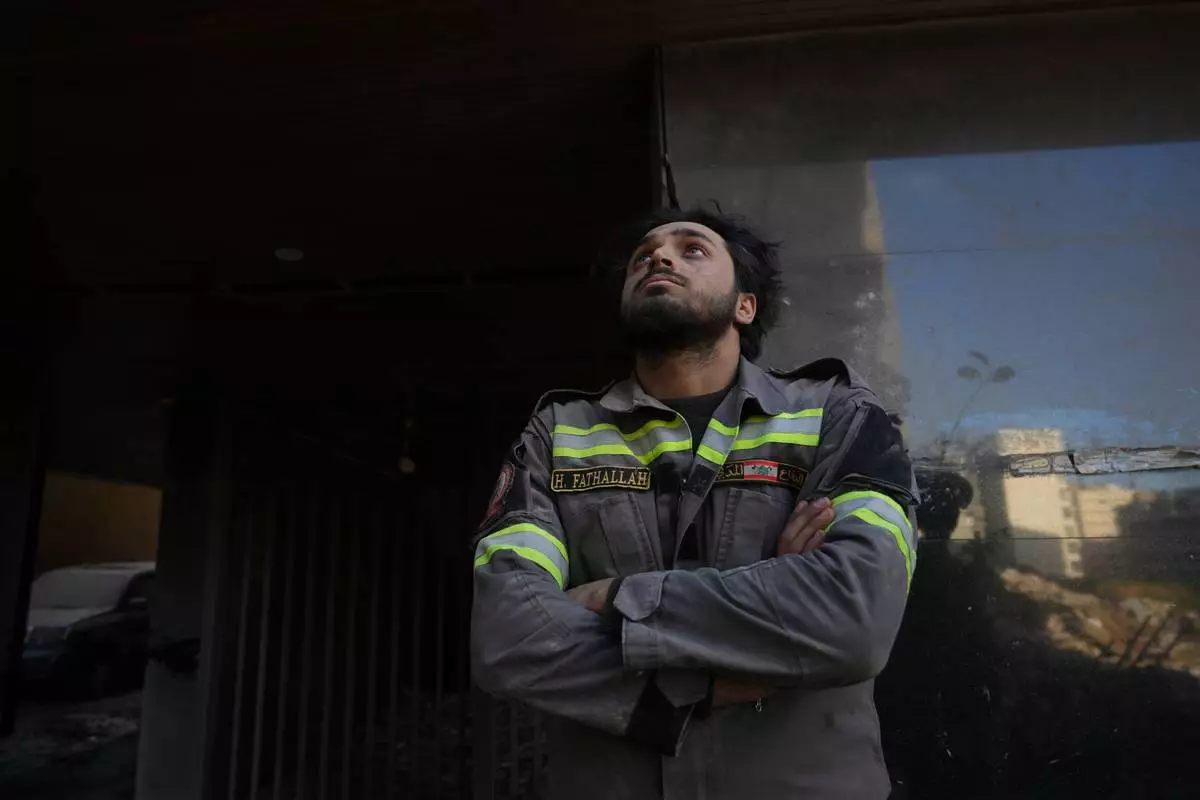
A Lebanese civil defense worker looks upward near the site of a building destroyed in an Israeli airstrike a day earlier in central Beirut, Lebanon, Thursday, April 9, 2026. (AP Photo/Hassan Ammar)

A Lebanese civil defense worker looks upward near the site of a building destroyed in an Israeli airstrike a day earlier in central Beirut, Lebanon, Thursday, April 9, 2026. (AP Photo/Hassan Ammar)

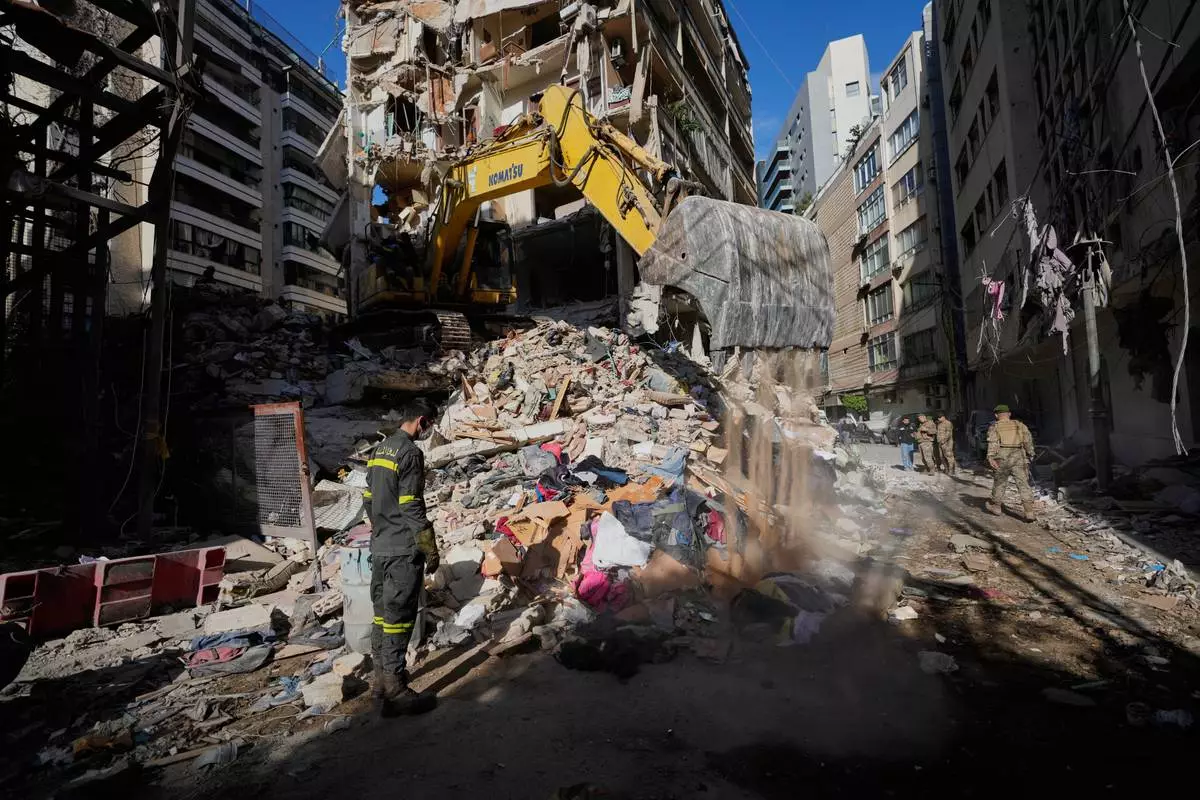
A Lebanese civil defense worker looks on as an excavator operates on the rubble of a building destroyed in an Israeli airstrike a day earlier in Beirut, Lebanon, Thursday, April 9, 2026. (AP Photo/Hussein Malla)

A Lebanese civil defense worker looks on as an excavator operates on the rubble of a building destroyed in an Israeli airstrike a day earlier in Beirut, Lebanon, Thursday, April 9, 2026. (AP Photo/Hussein Malla)

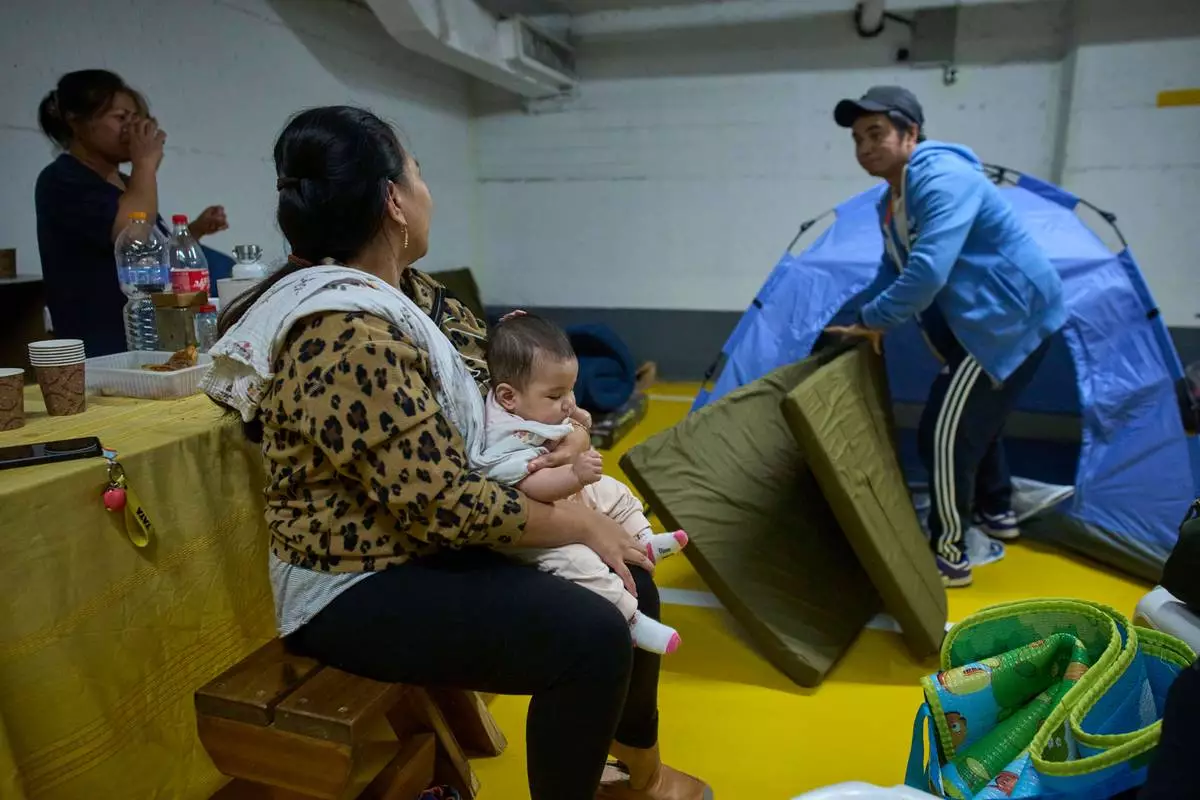
People residing in an underground shelter pack up their belongings as they prepare to leave after the announcement of a two-week ceasefire agreement between Iran and the US, in Tel Aviv, Israel, Thursday, April 9, 2026. (AP Photo/Ohad Zwigenberg)

People residing in an underground shelter pack up their belongings as they prepare to leave after the announcement of a two-week ceasefire agreement between Iran and the US, in Tel Aviv, Israel, Thursday, April 9, 2026. (AP Photo/Ohad Zwigenberg)

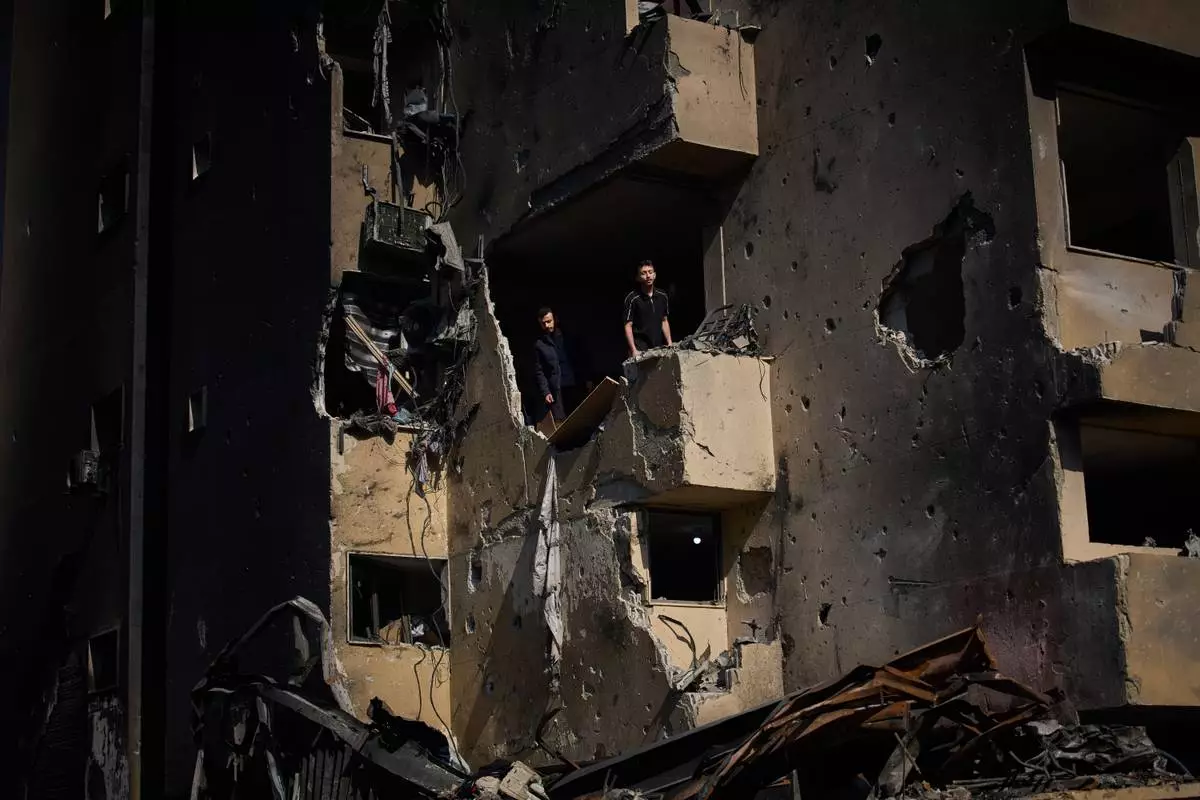
Men inspect the damage to their home destroyed in an Israeli airstrike a day earlier in Beirut, Lebanon, Thursday, April 9, 2026. (AP Photo/Emilio Morenatti)

Men inspect the damage to their home destroyed in an Israeli airstrike a day earlier in Beirut, Lebanon, Thursday, April 9, 2026. (AP Photo/Emilio Morenatti)

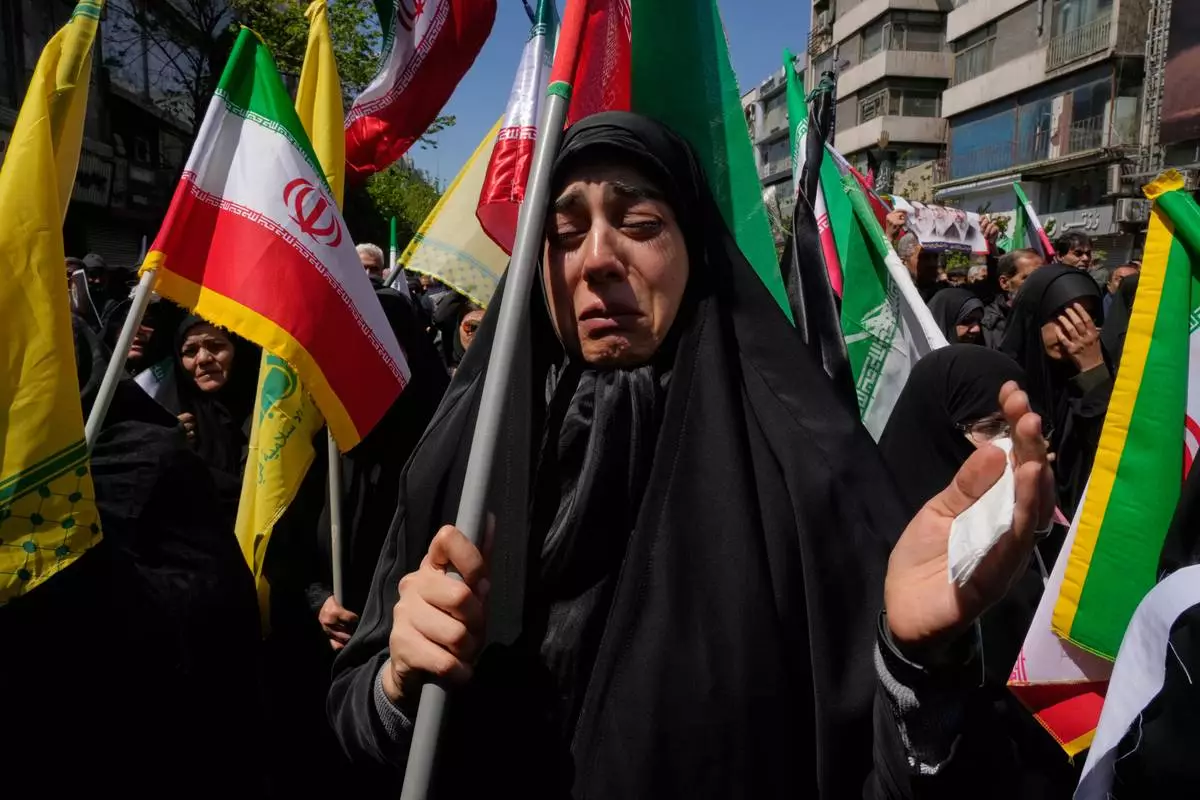
A government supporter weeps during a mourning ceremony marking the 40th day since the death of Iranian Supreme Leader Ayatollah Ali Khamenei, who was killed in the U.S. and Israel strikes in Tehran, Iran, Thursday, April 9, 2026. (AP Photo/Vahid Salemi)

A government supporter weeps during a mourning ceremony marking the 40th day since the death of Iranian Supreme Leader Ayatollah Ali Khamenei, who was killed in the U.S. and Israel strikes in Tehran, Iran, Thursday, April 9, 2026. (AP Photo/Vahid Salemi)

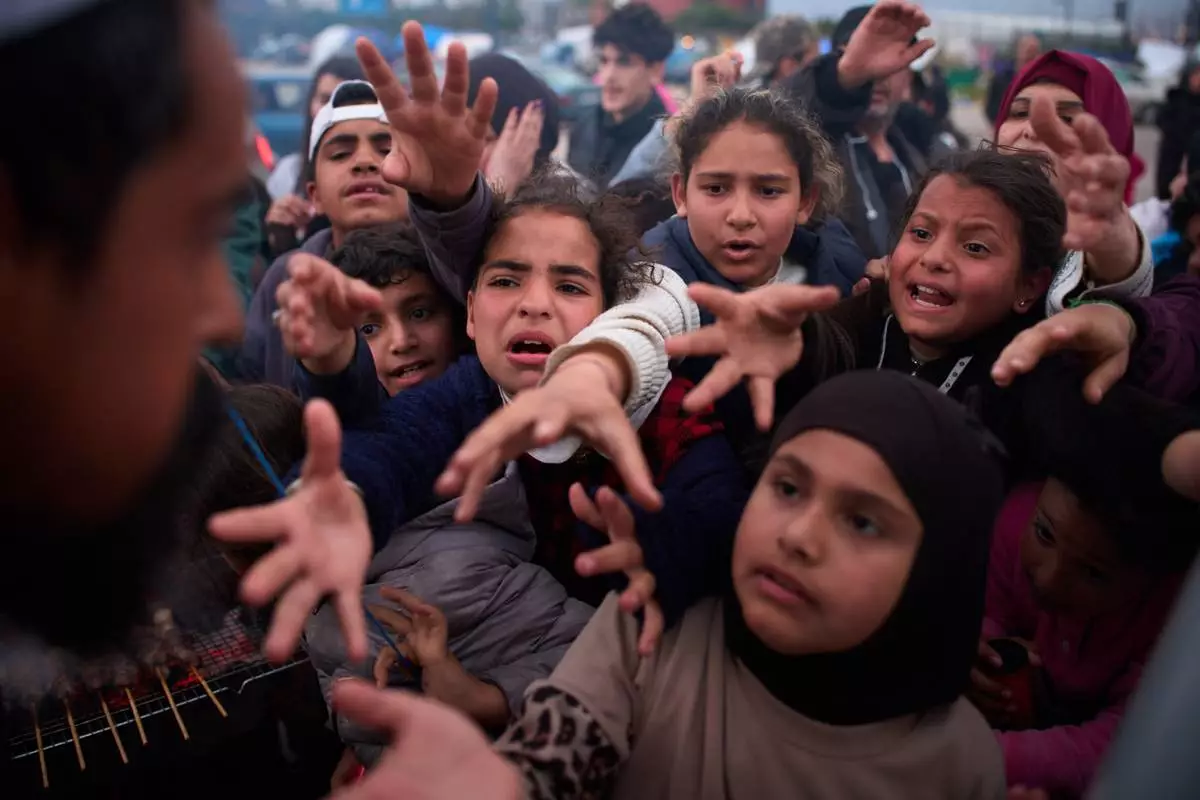
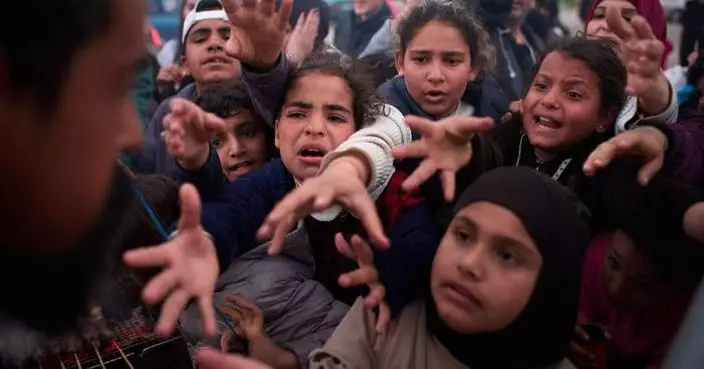
Displaced families extend their hands while waiting for donated food beside the tents they use as shelters after fleeing Israeli bombardment in southern Lebanon, in Beirut, Lebanon, Thursday, April 9, 2026. (AP Photo/Emilio Morenatti)

Displaced families extend their hands while waiting for donated food beside the tents they use as shelters after fleeing Israeli bombardment in southern Lebanon, in Beirut, Lebanon, Thursday, April 9, 2026. (AP Photo/Emilio Morenatti)

Recommended Articles