The China Railway Tunnel Group on Tuesday completed the boring of a major tunnel in northern Georgia ahead of schedule, significantly boosting the country's connectivity.
Located approximately 2,000 meters above sea level in the southern foothills of the Caucasus Mountains, the Gudauri Tunnel consists of a 9,000-meter main tunnel and emergency tunnels. It serves as an important hub in Georgia's corridor to Russia, Armenia, Azerbaijan and other neighboring countries.
The Chinese company used the largest caliber tunnel boring machine in Georgia's largest single infrastructure project.
With its operation, the tunnel will reduce travel time on the country's main north-south road from the town of Kvesheti to the town of Kobi by 40 minutes and eliminate traffic disruptions caused by avalanches and bad weather, which is expected to boost tourism and trade in northern Georgia.
The Gudauri Tunnel and related projects are part of the construction cooperation between Georgia and China under the Belt and Road Initiative.
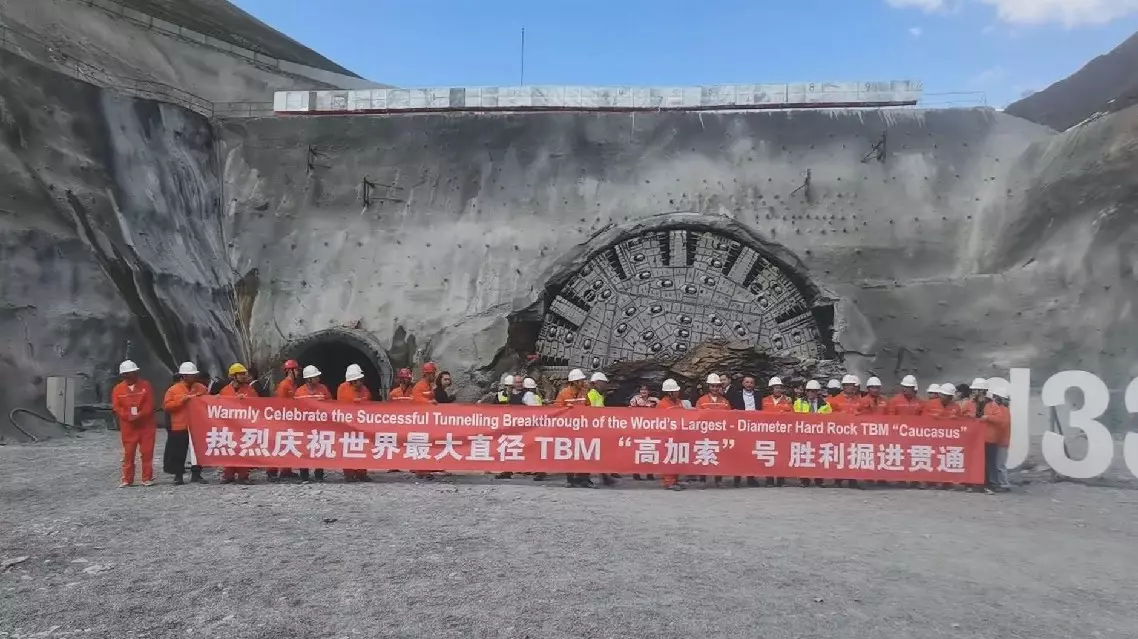
Major Chinese-built road tunnel completed in Georgia
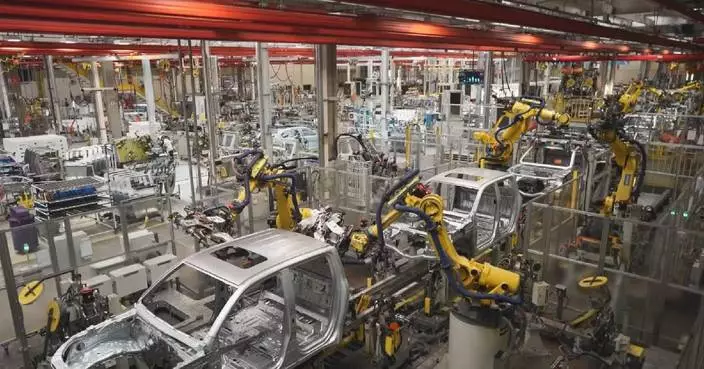
China on Thursday released a five-year plan to accelerate upgrading of its industrial foundation capabilities, in a further step toward building an innovation-driven manufacturing powerhouse.
The document, jointly issued by the Ministry of Industry and Information Technology and other government departments, calls for integrated efforts in technological breakthroughs and their application, addressing weaknesses in China's industrial foundation systematically, and achieving a comprehensive upgrade toward stronger innovation, greater self-reliance and higher quality.
Industrial foundation, the bedrock of manufacturing competitiveness, covers a range of areas including core components, basic materials and foundational software, as well as related talents, market conditions and the policy environment.
While China has built the world's largest and most complete industrial system over the past decades, its industrial foundation remains a weak link, experts said.
As China pursues high-quality economic development and advances its new industrialization drive, the strengthening and upgrading of its industrial foundation has become increasingly critical.
According to the plan issued on Thursday, the weaknesses in China's industrial foundation will be significantly alleviated by 2030, while China's overall industrial foundation capabilities will reach internationally advanced levels, thereby providing strong support for building a modern industrial system anchored in advanced manufacturing.
A new cohort of single-champion manufacturers and "little giant" specialized enterprises in the industrial foundation sector should also be cultivated by then, the plan says.
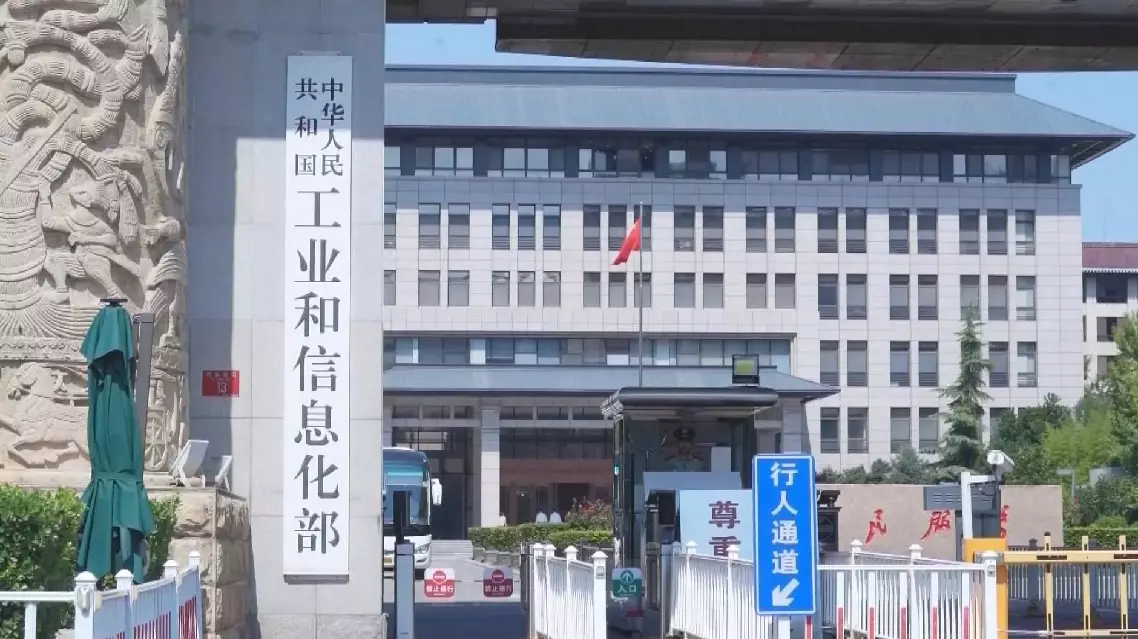
China unveils five-year plan to strengthen industrial foundation, upgrade manufacturing