A United Nations human rights official on Thursday strongly condemned the U.S. military for the "one-way" killings of at least 239 civilians in a series of strikes on alleged "drug boats" over the past year, describing the actions as blatant violations of international law and potential crimes against humanity.
Speaking at the UN headquarters in New York, Ben Saul, the UN special rapporteur on the promotion and protection of human rights and fundamental freedoms while countering terrorism, issued a stark warning regarding massive human rights abuses in the so-called "war on narco-terrorism."
He revealed that since September 2025, the U.S. military has conducted 71 military strikes targeting so-called "drug trafficking vessels" in the Caribbean Sea and the Eastern Pacific without providing any solid evidence to justify these attacks.
"Foremost concern to me is the illegal killing by the United States military of at least 239 civilians in 71 military strikes in the last year since September last year. These killings are one way. This is the United States executing civilians on civilian vessels at sea. And indeed, under the international law of the sea, there's no authorization for these kinds of strikes. Deliberately using violence against a civilian ship or people on it constitute offenses under international law. I also call it crimes against humanity under international law," said the official.
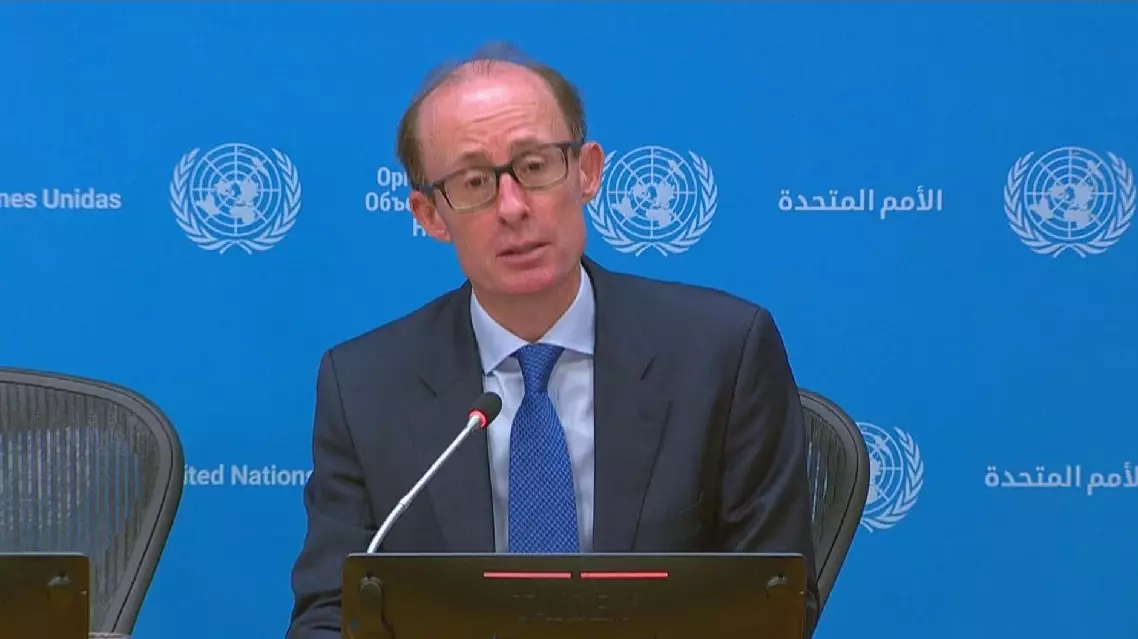
US "one-way" killings of civilians on alleged "drug boats" violate int'l law: UN official