Brazil is seeing a significant surge in industrial robots being deployed in its factories, with the influx mainly driven by the rising investment of Chinese carmakers and the ability of these high-tech bots to work fast to keep up with the production demand.
The country saw nearly 4,300 robotic units installed last year alone, marking a substantial 38 percent year-on-year rise, with almost half of these new industrial robots being concentrated in the automotive industry.
It comes as more Chinese auto firms look to tap into the Brazilian market. Great Wall Motors (GWM), China's largest SUV and pickup manufacturer, opened a car plant in Iracemapolis of the Sao Paulo state last August. Located at the site of a former Mercedes-Benz factory, the plant has an annual production capacity of 50,000 vehicles, and was expected to create nearly 1,000 local jobs.
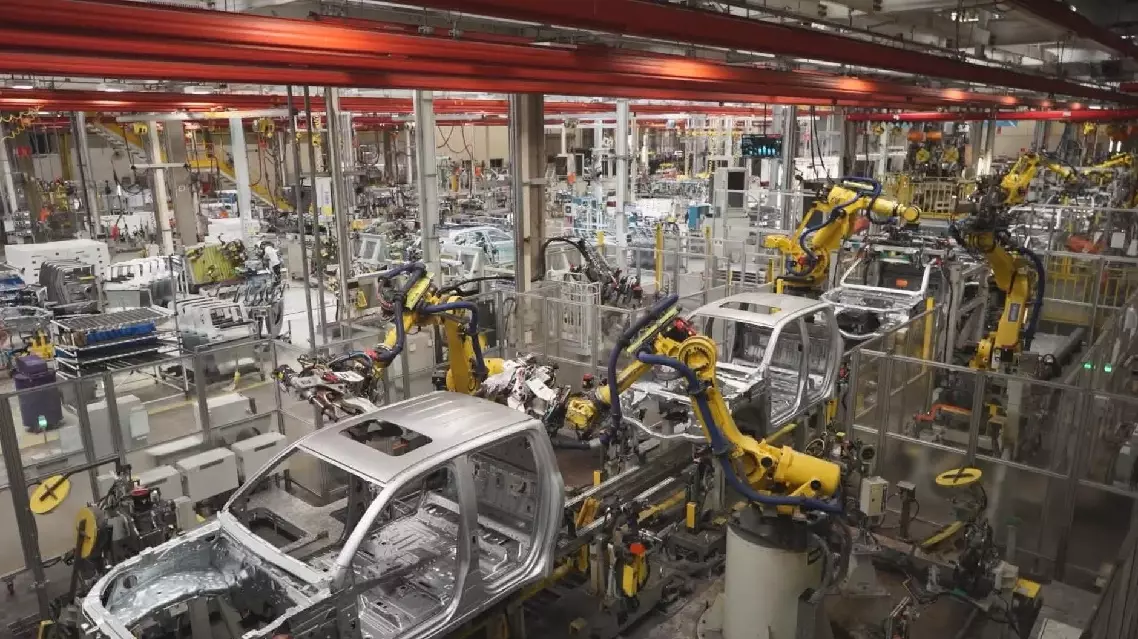
However, inside a paint shop at the GWM car plant, no one is holding a spray gun. Instead, a team of 24 robots do the work, sealed behind glass, in an environment free of dust and people, ensuring nobody has to inhale potentially harmful paint fumes.
Staff say the bots are proving to be highly efficient colleagues who are able to do the bulk of the heavy lifting, lightening the load on their human counterparts and speeding up the overall workflow.
"To consider using robot in our process, we need three main points. First is the precision, second is the repetition, and the third one is how hard is the work. For example, the assembly of the roof of the car. So, it's a very precise job. It's a heavy part and we must consider due to ergonomic conditions for our members to use the robots," said Frederico Shimabukuro, production manager of GWM Brazil plant.
Meanwhile, another leading Chinese carmaker BYD, now the world's largest manufacturer of new energy vehicles, opened its own manufacturing complex in the northeastern state of Bahia in October 2025, transforming a former Ford plant into a bustling modern facility.
The auto sector growth in Brazil is bringing wider impacts as these car plants continue to entice other related manufacturing firms, while the move to automation and the need for advanced robotics continues to rise.
"Usually if a car maker settles up a plant, some part suppliers, tier one, tier two, they will follow. So they will also have to automate their production. And then once the factory is set up, there will be cyclical reinvestments in the robot stock they have," said Christopher Muller, director of the the Statistical Department of International Federation of Robotics (IFR).
The IFR classifies the machines used in these auto plants as 'industrial robots', which by definition means they have some form of flexible mechanical arm. But those are only one specific form of robot, with the ones on wheels moving pallets and shelves around a warehouse categorized differently as 'service robots'. In 2025, their sales grew 24 percent worldwide.
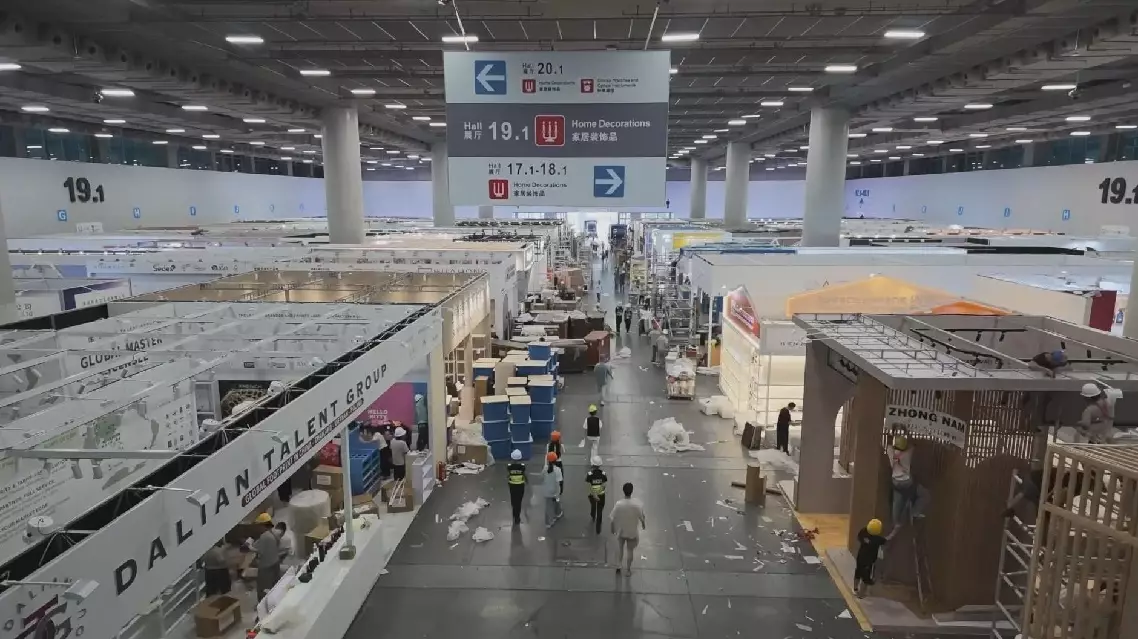
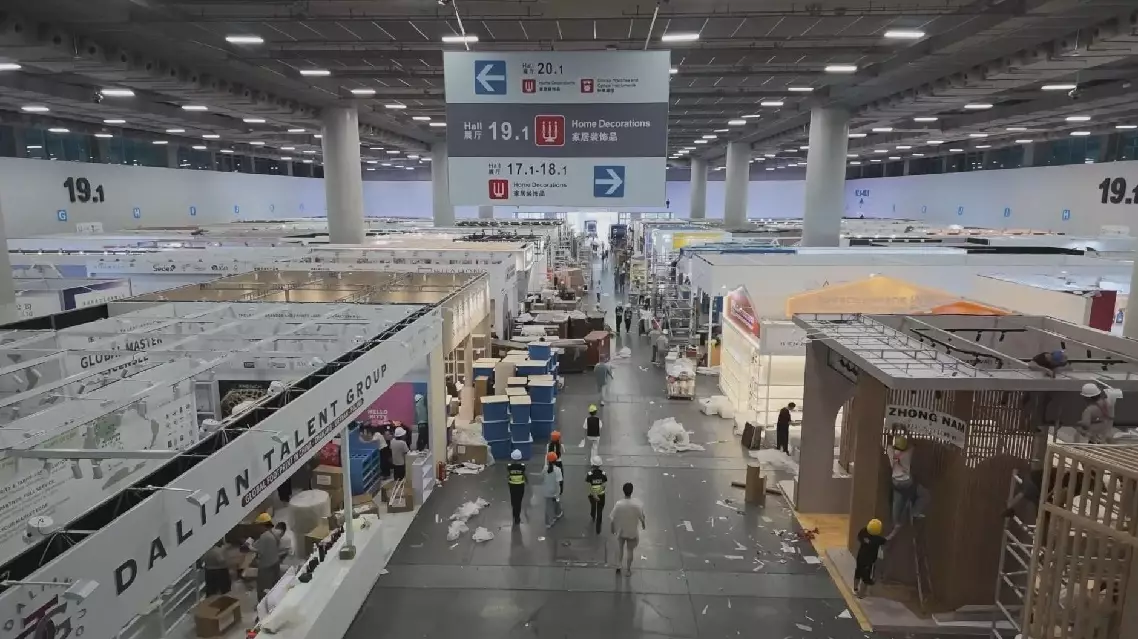
At last month's INTRA-LOG Expo in Sao Paulo, the premier intralogistics and automation trade show in Latin America, some Chinese suppliers say they are already treating Brazil as their base for the entire region.
"Brazil is the most advanced automation level all over the Latin [American] market. This is why, we have the hub here. We have the local team here," said Max Qu, deputy general manager of Damon Technology Brazil, a subsidiary of the Chinese intelligent logistics equipment provider Damon Technology Group.
"When it comes to technology and innovation, it's very hard to say China isn't the cradle of all of this," said Paulo Afonso Costa Filho, robotics commercial supervisor of Aguia Sistemas, a Brazilian company based in Ponta Grossa that specializes in comprehensive solutions for intralogistics, storage, material handling, and warehouse automation.
For now, the robotic arms are mostly showcasing their potential in auto production, but insiders expect they will soon expand into other industries like healthcare and pharmaceutical, warehouse logistics, electronics manufacturing, and agriculture, as the robot revolution shows no signs of slowing down.
Chinese car industry drives advanced robotic manufacturing in Brazil